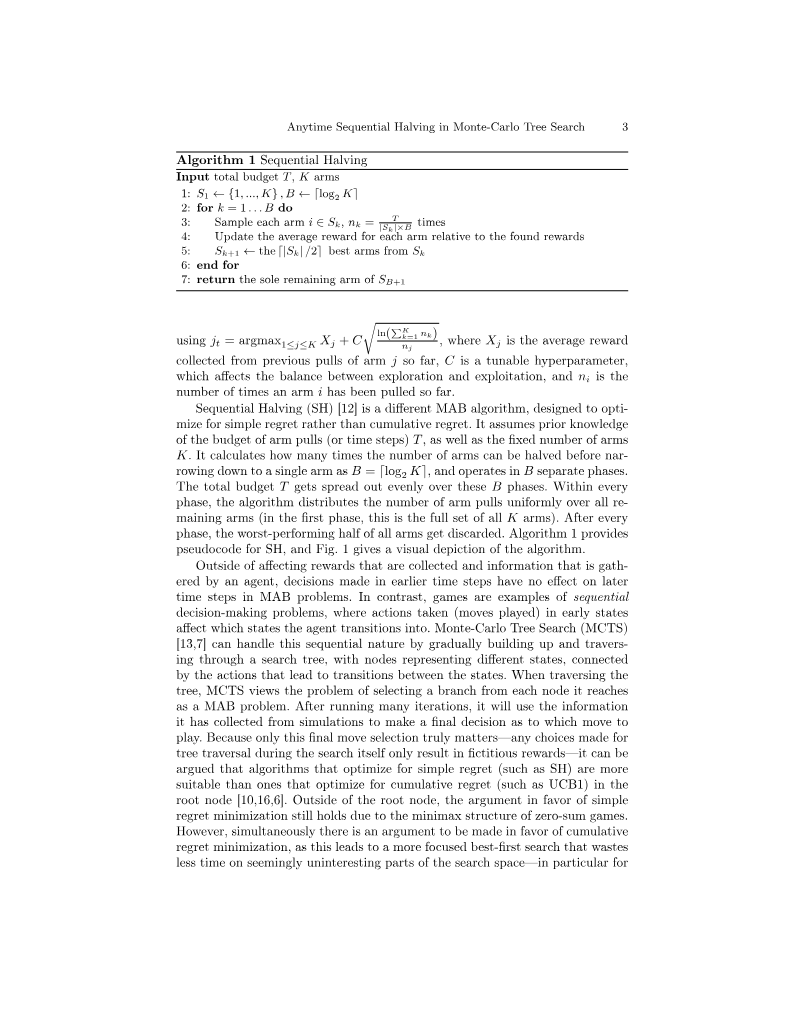
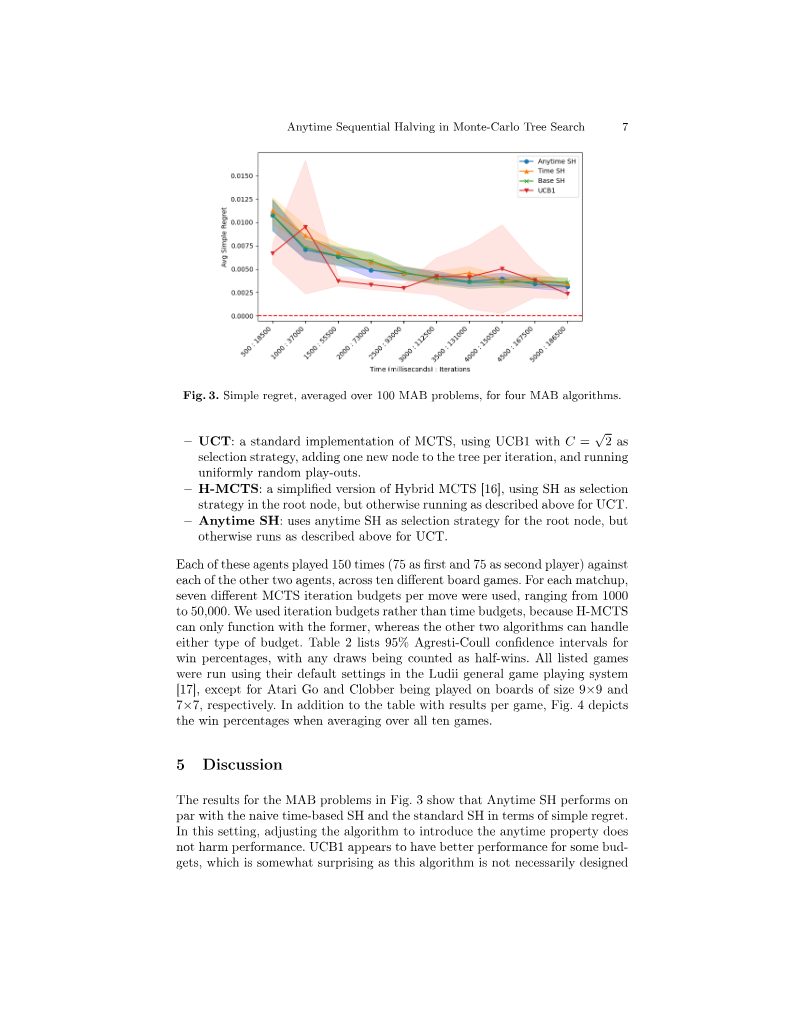
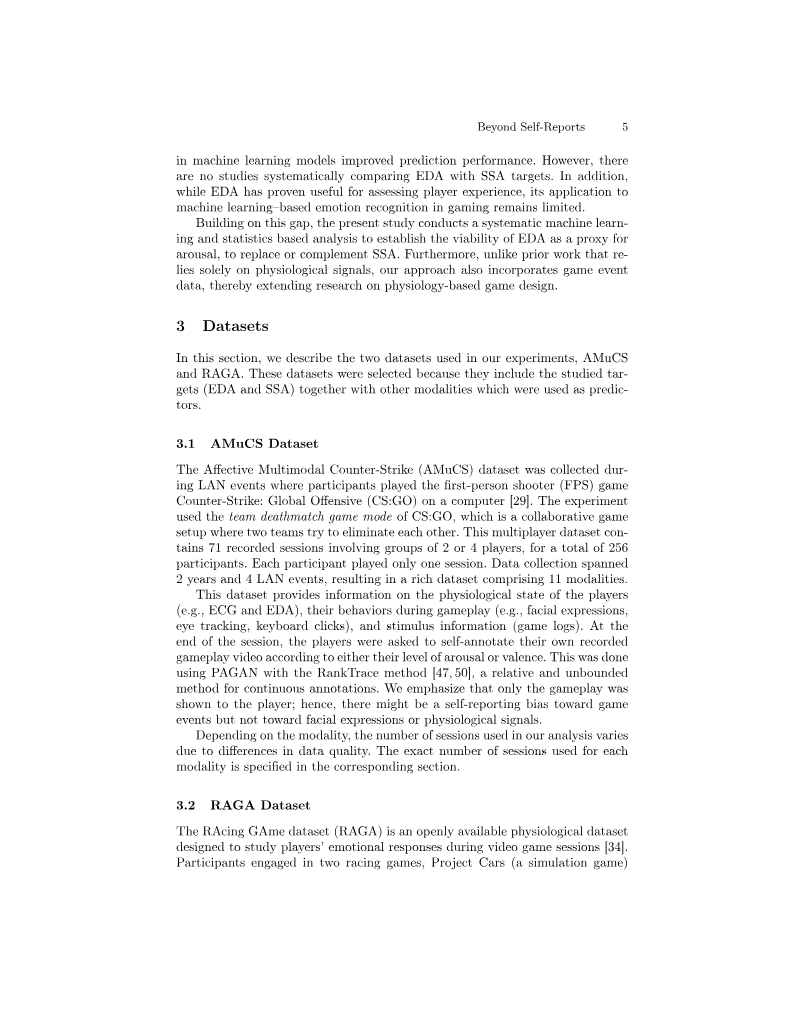
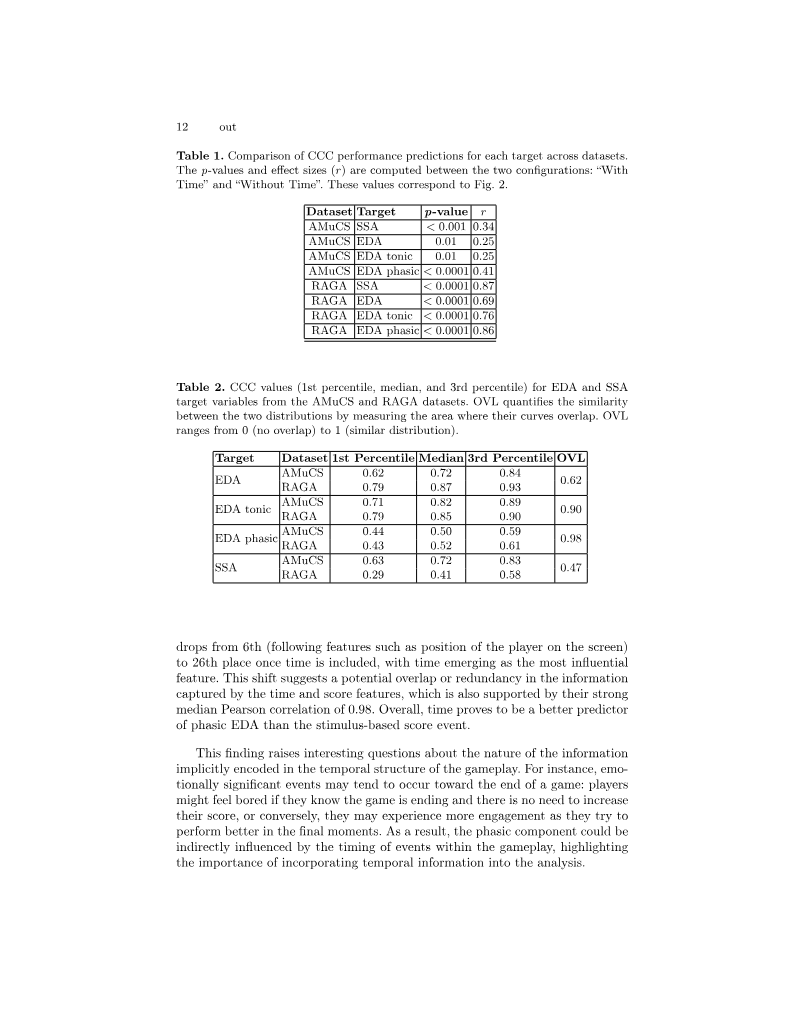
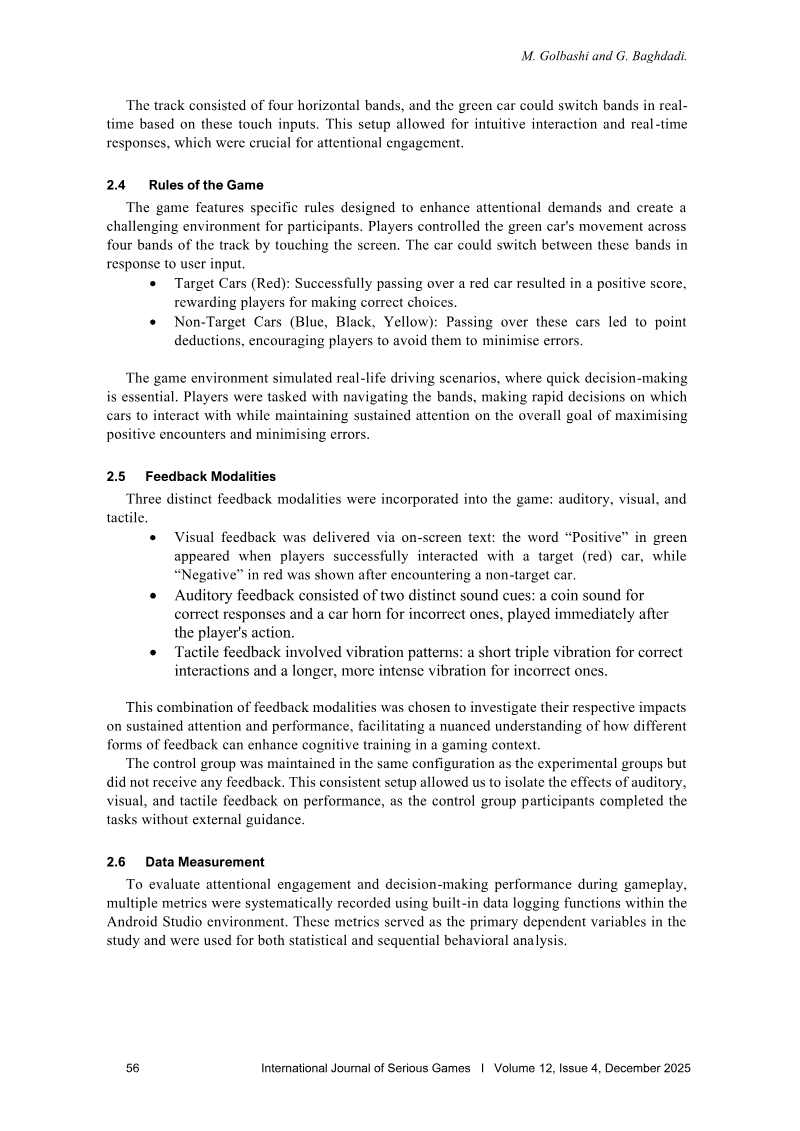
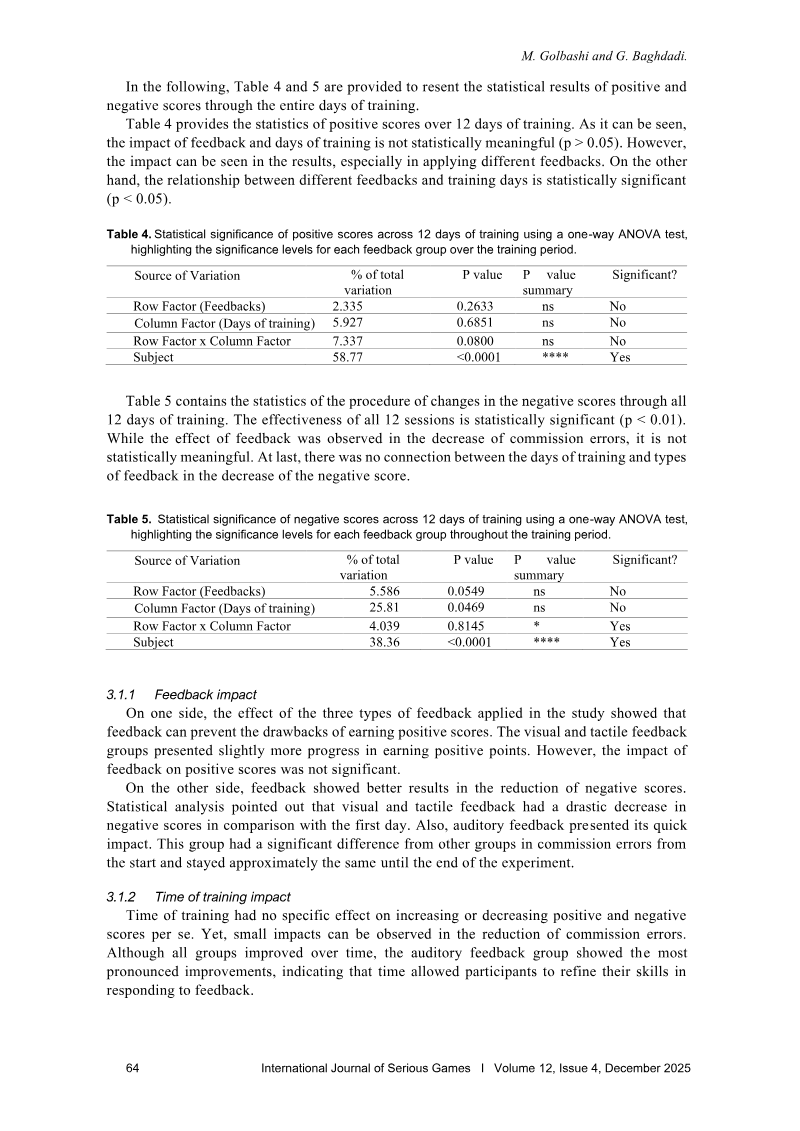
This analysis explores methodologies for quantifying the distance between board games within the Ludii general game system. The primary objective is to establish a robust framework for measuring game similarity, which has practical applications in improving general game-playing agents, developing recommender systems, and facilitating transfer learning. By representing each game as a vector of 499 normalized concept values—covering properties, equipment, rules, mathematics, visuals, and implementation—the study provides a quantitative basis for comparing the mechanics and characteristics of 1,059 traditional and abstract board games.
To ensure data integrity, the researchers applied a bi-symmetric log transformation to mitigate the impact of outliers before performing Min-Max scaling. Visualizations using t-distributed stochastic neighbor embedding (t-SNE) revealed four distinct clusters of games, largely defined by combinations of mechanics such as Mancala boards, stochastic elements, and threat-based movement rules. These clusters demonstrate that game characteristics are best captured through multi-dimensional concept sets rather than singular properties.
The study compares two primary distance metrics: Cosine similarity and Euclidean distance. Analysis of 560,211 unique game pairs indicates a strong positive correlation (0.7574) between the two measures. However, they exhibit distinct biases: Cosine distance tends to assign higher values to pairs of simple, low-complexity games, whereas Euclidean distance emphasizes differences in more complex, feature-rich games. The findings conclude that neither metric is universally superior; rather, the choice of distance measure is highly subjective and dependent on the specific application. Future research is encouraged to explore additional weighting techniques and incorporate diverse game traces to further refine these distance models.