More from Kyoto University
View all
More on AI
View all
Report
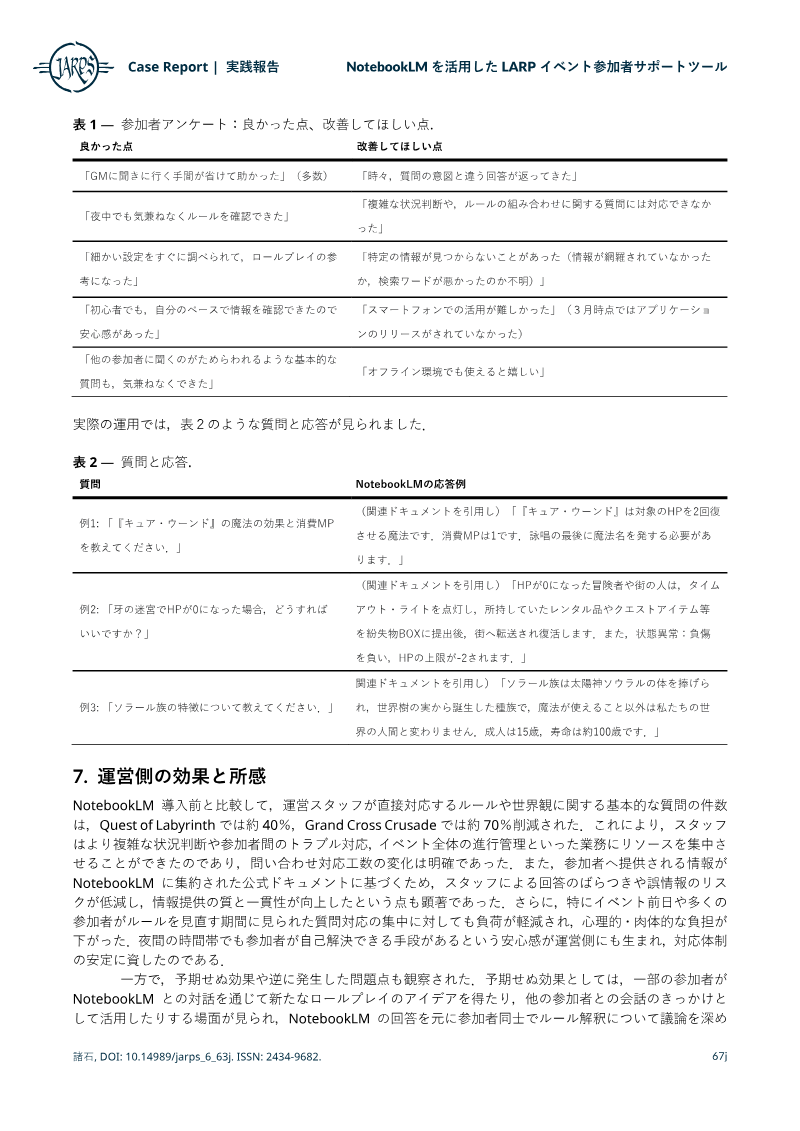
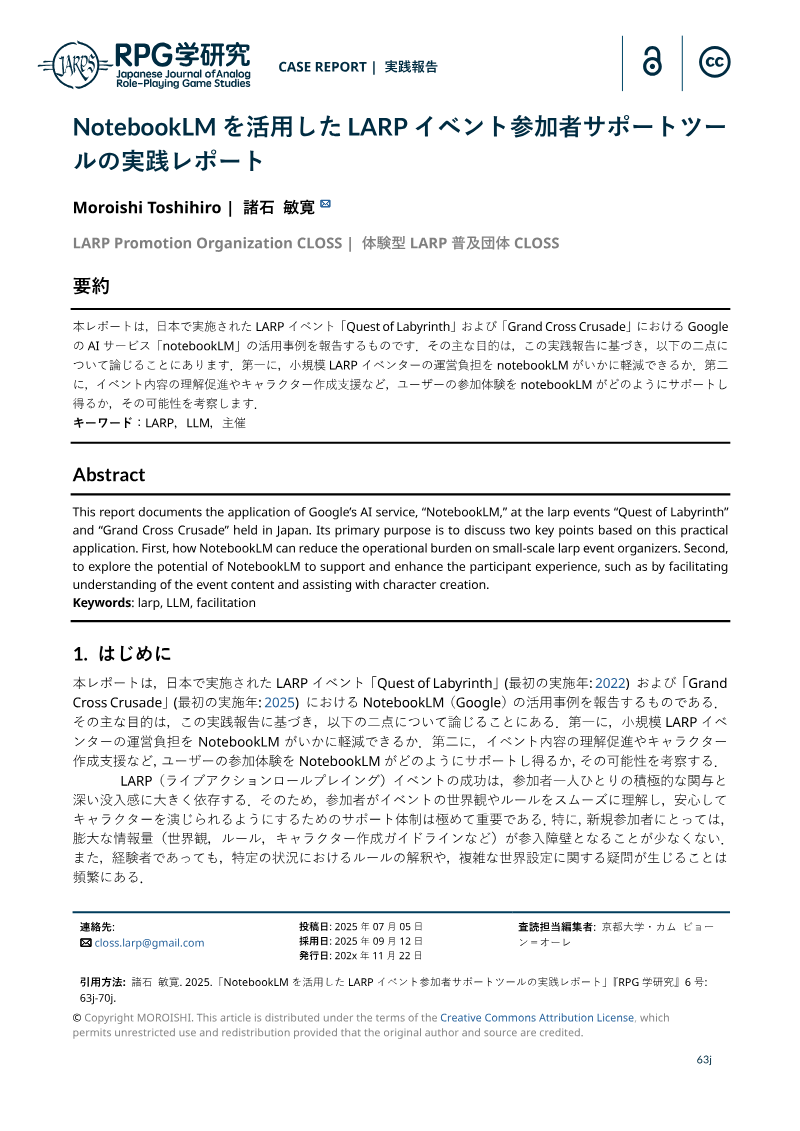
NotebookLM: LARP Participant Support Tool Implementation Report
Japanese Association for Role-Playing Game Studies (JARPS) · 2025

Whitepaper
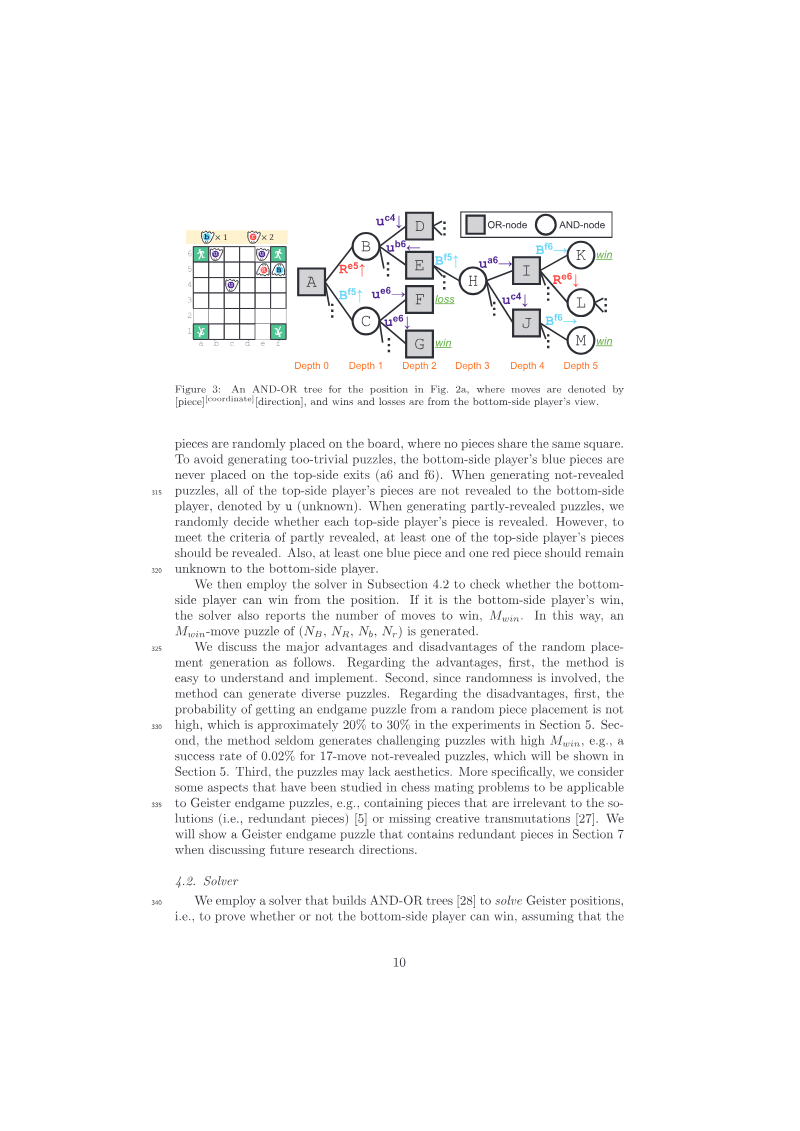
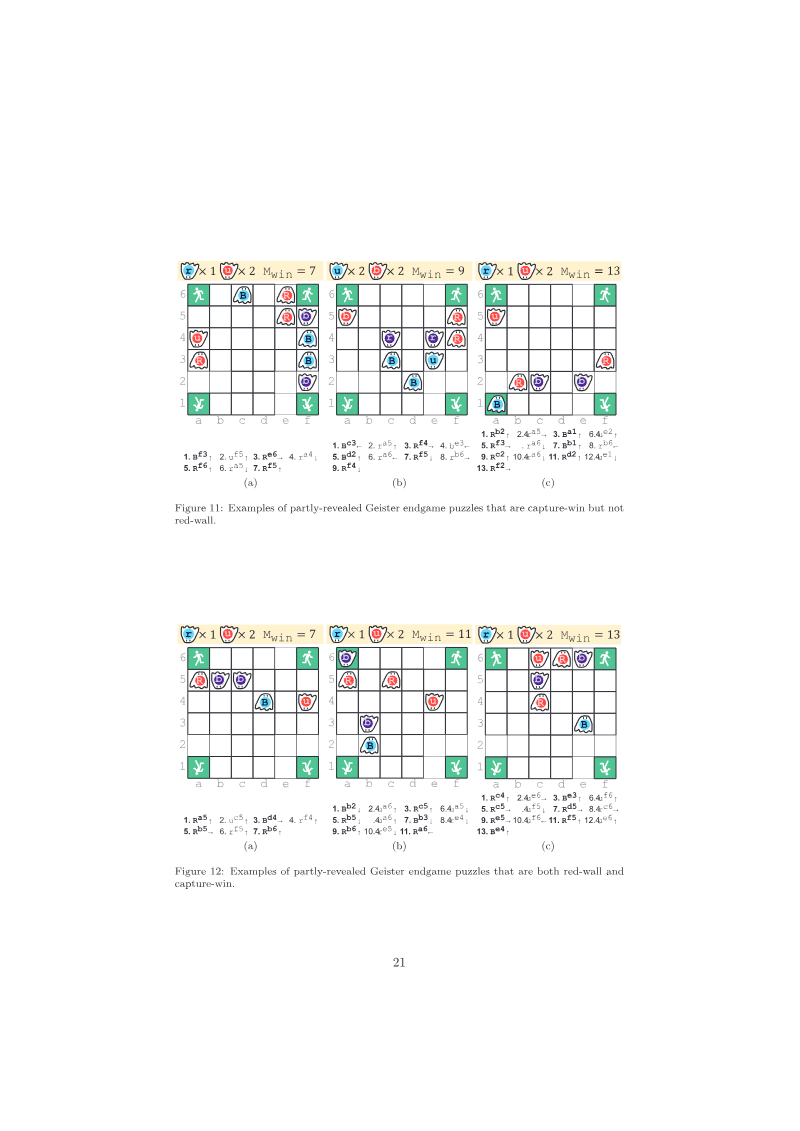
Proposal and Generation of Endgame Puzzles for an Imperfect Information Game Geister
Elsevier · 2024

Whitepaper
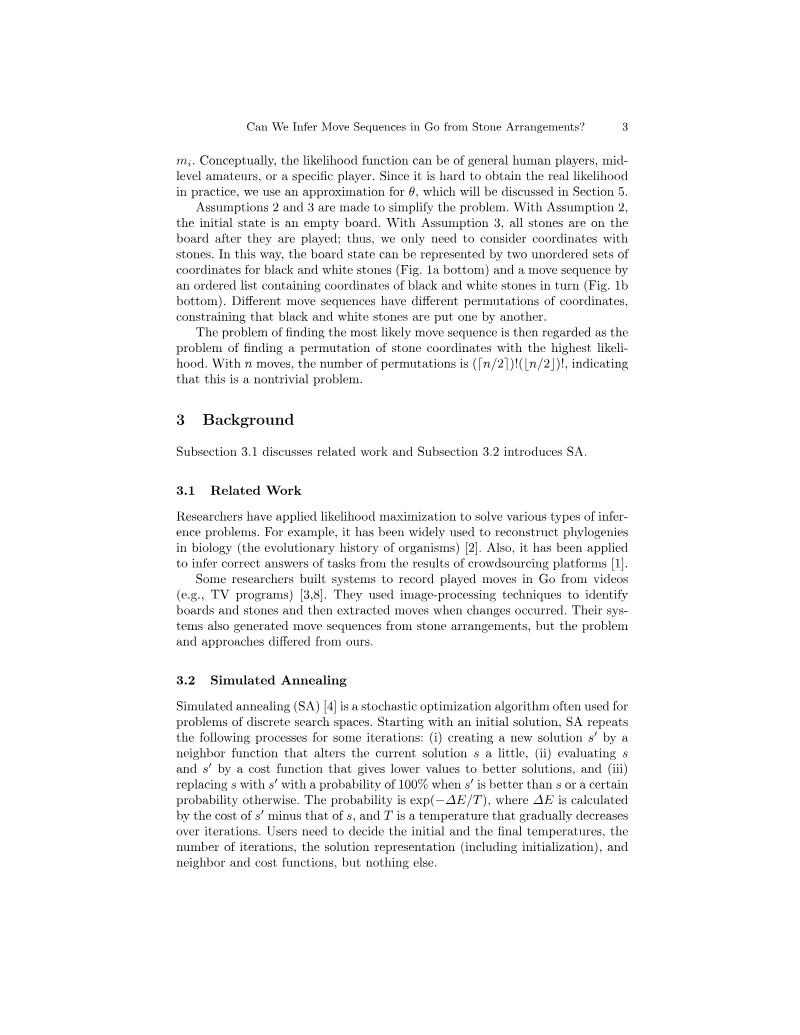
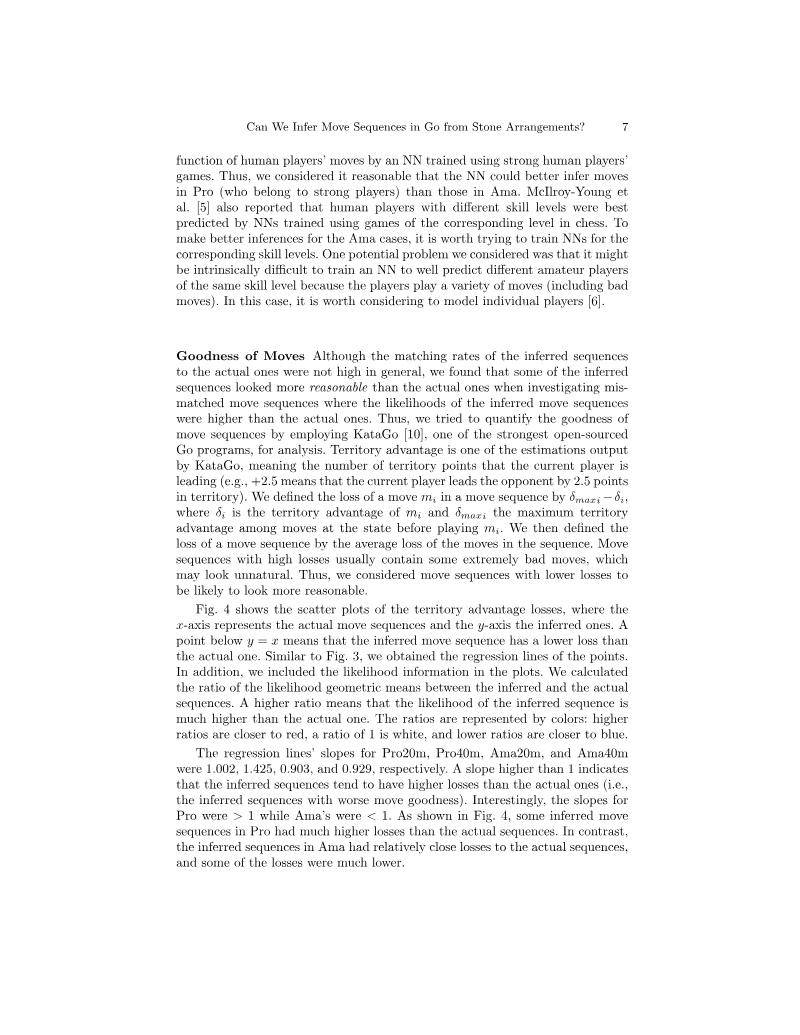
Can We Infer Move Sequences in Go from Stone Arrangements?
Japan Advanced Institute of Science and Technology · 2024

Whitepaper
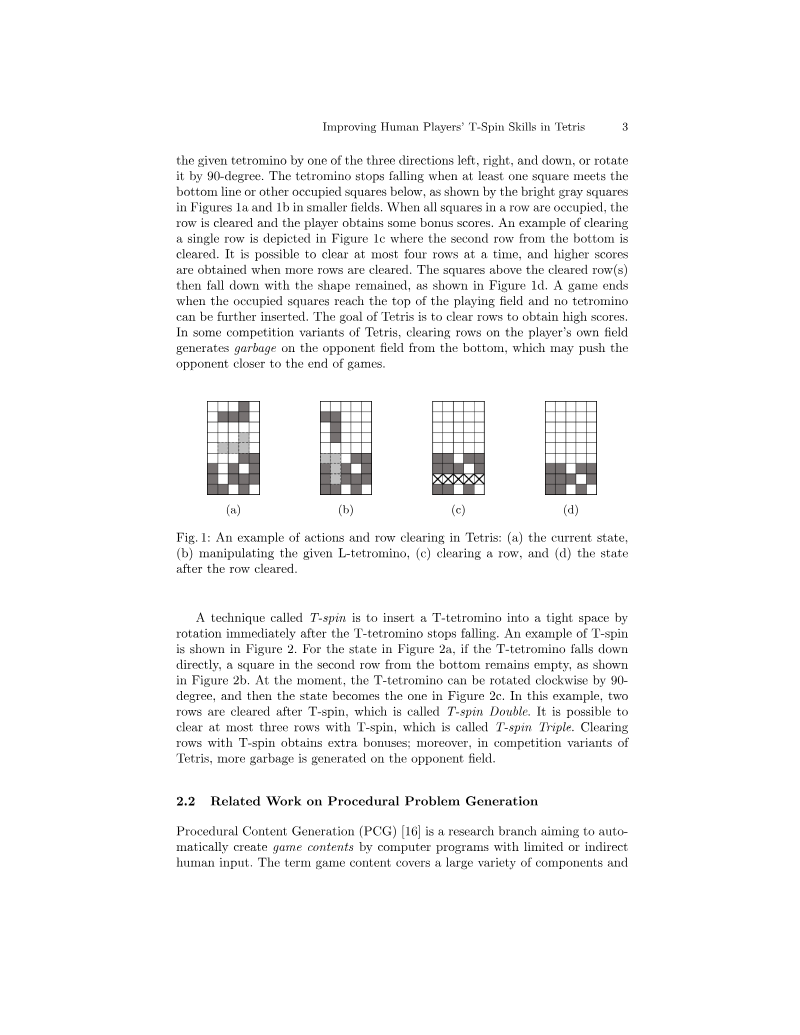
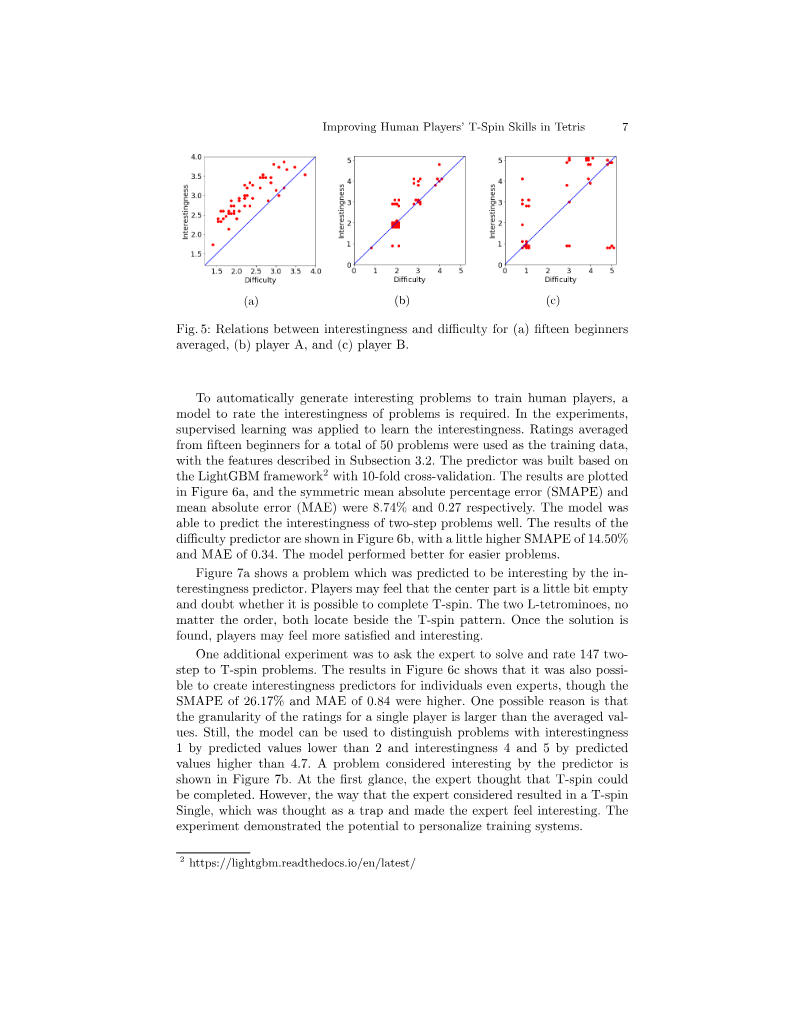
Improving Human Players' T-Spin Skills in Tetris with Procedural Problem Generation
Springer · 2020

Whitepaper
Deep df-pn and Its Efficient Implementations
Springer · 2017

Whitepaper
Efficiency of Static Knowledge Bias in Monte-Carlo Tree Search
Springer · 2014

Whitepaper
Accelerated UCT and Its Application to Two-Player Games
Springer · 2012

Whitepaper
6-Man Chess and Zugzwangs
Springer-Verlag · 2010

Report
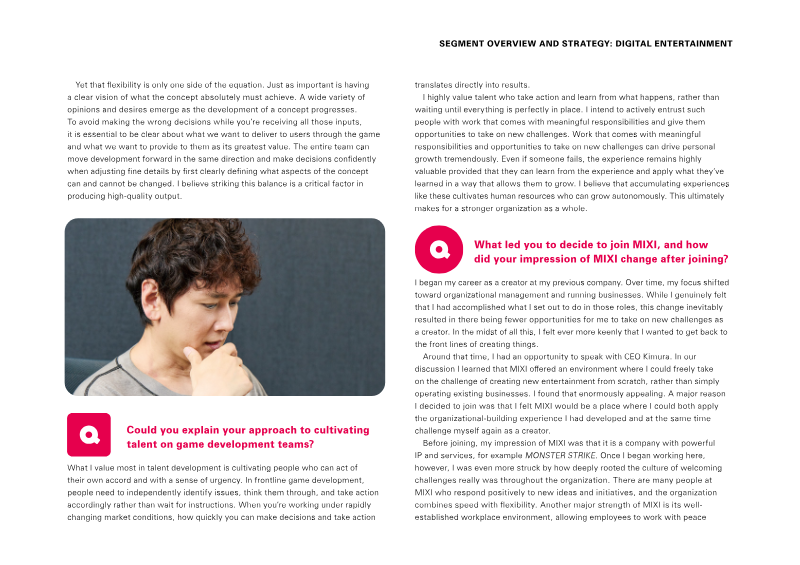
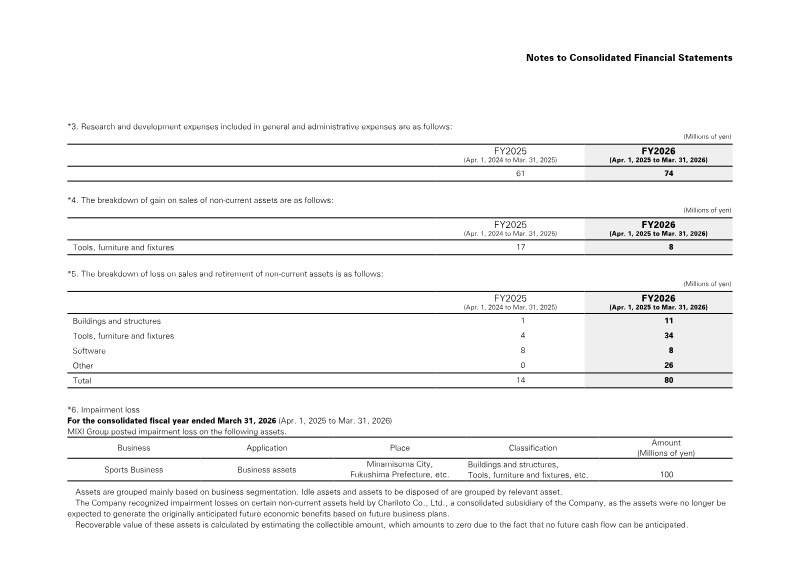
MIXI Integrated Report 2026
mixi · 2026
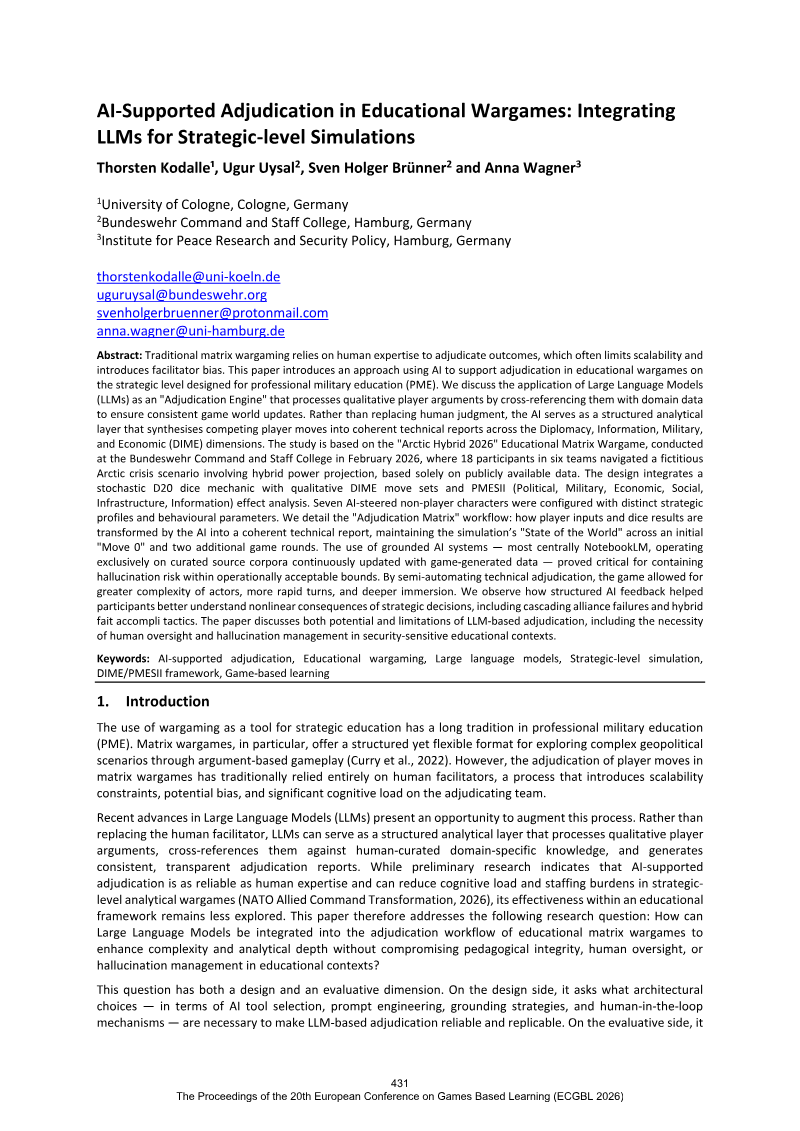
Whitepaper
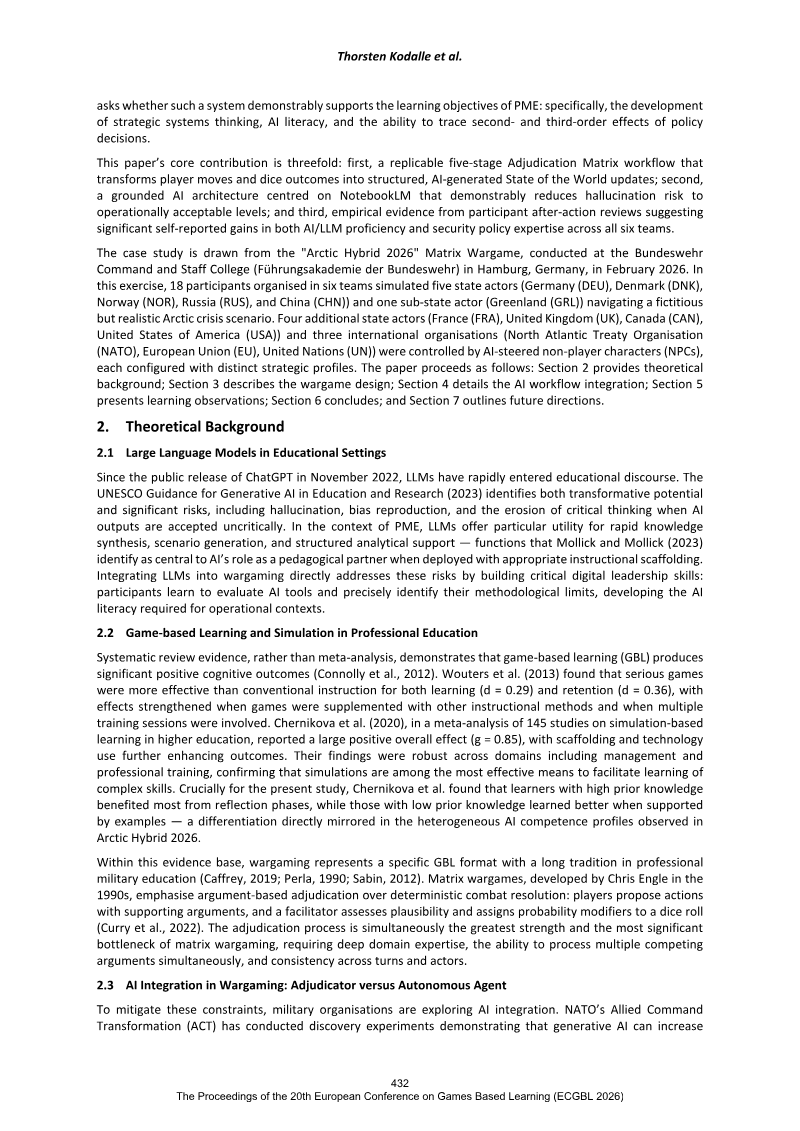
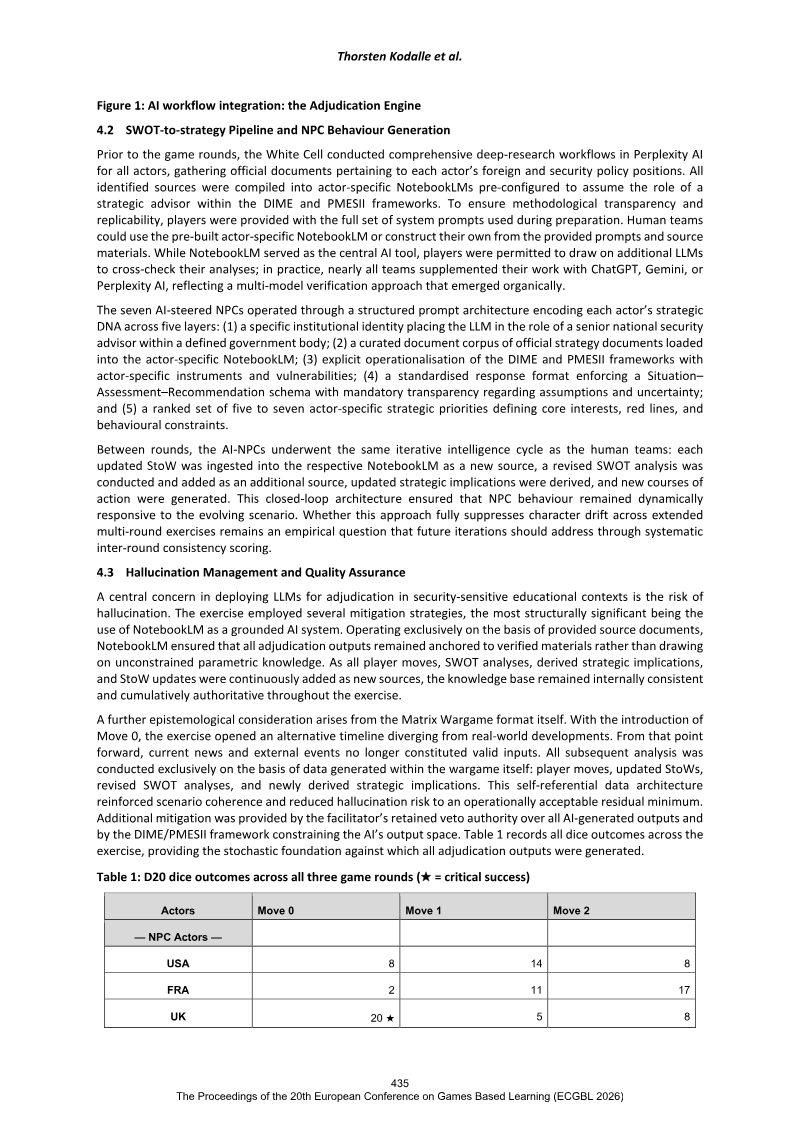
AI-Supported Adjudication in Educational Wargames: Integrating LLMs for Strategic-Level Simulations
European Conference on Games Based Learning (ECGBL) · 2026



Whitepaper
An Early-Stage Feasibility and Usability Pilot for an Immersive Serious Game to Support English Spelling and Semantic Skills
European Conference on Games Based Learning (ECGBL) · 2026
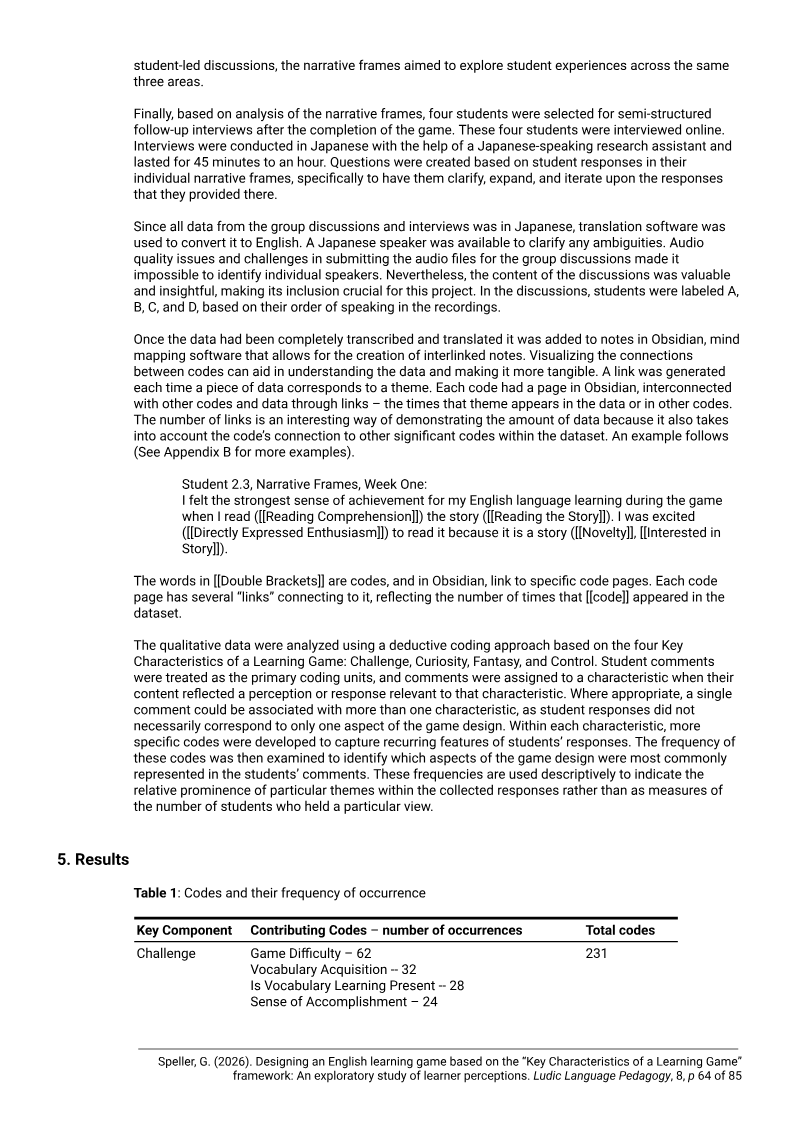
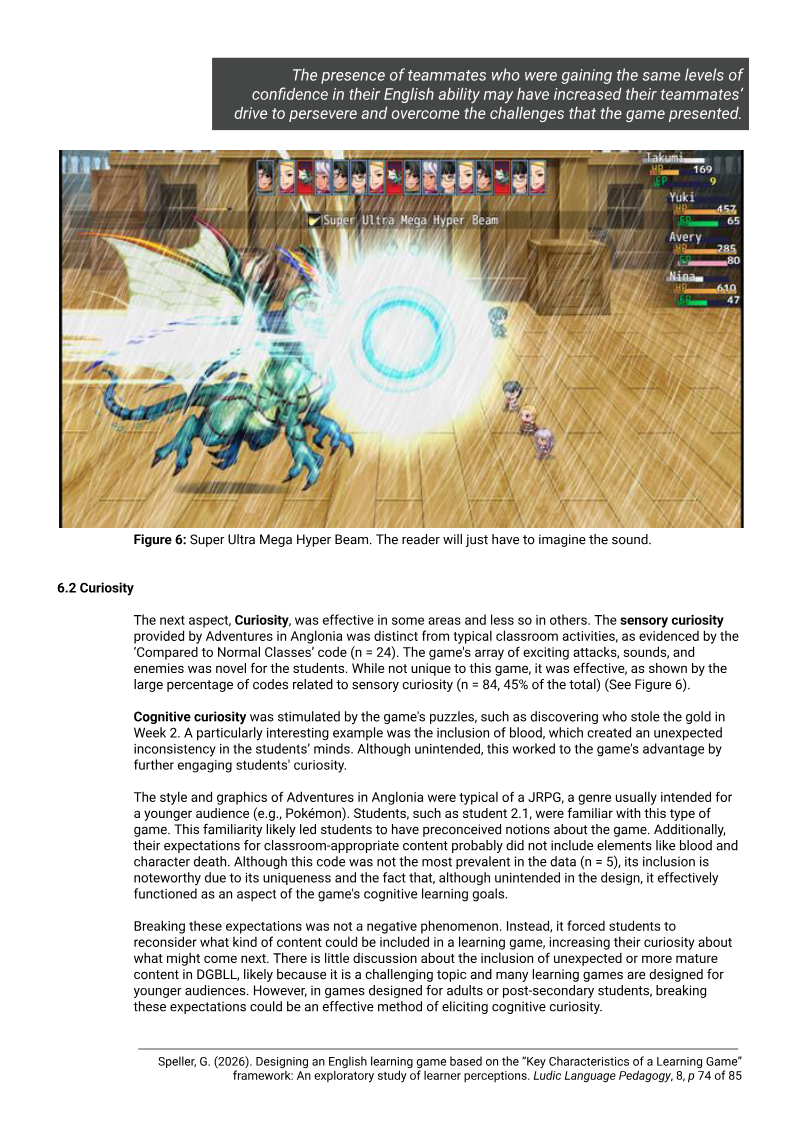
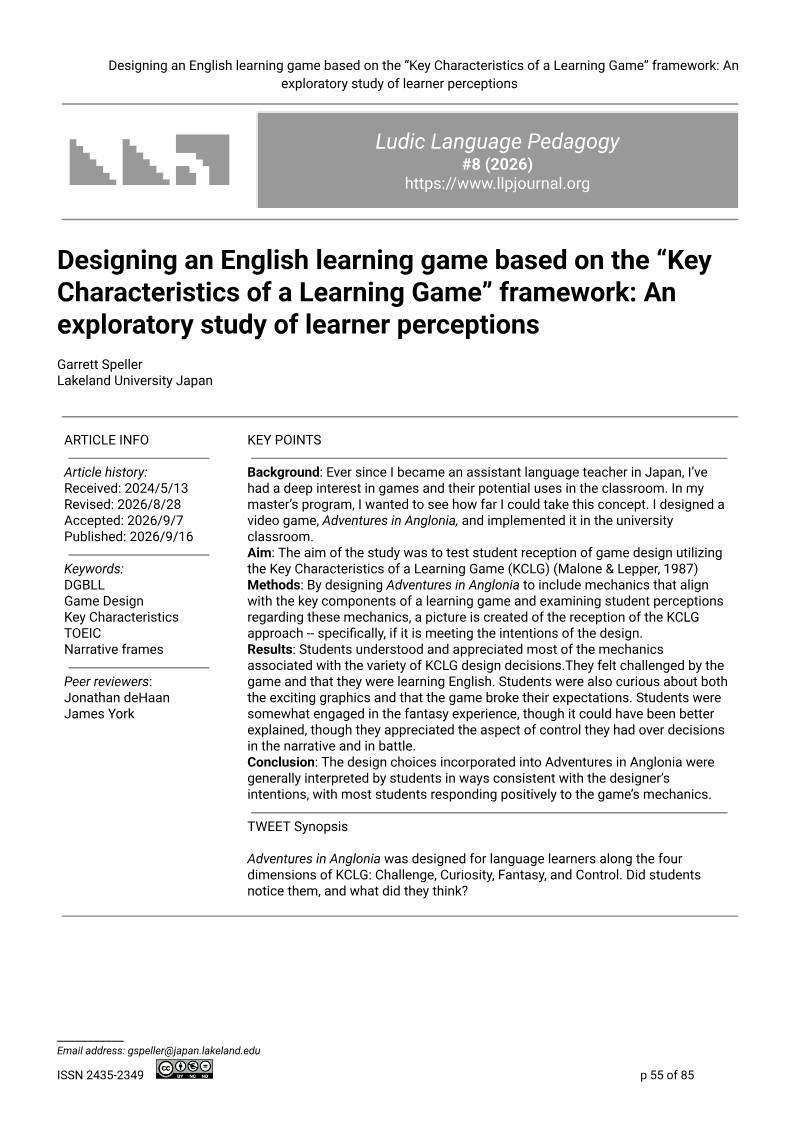
Whitepaper
Designing an English Learning Game Based on the 'Key Characteristics of a Learning Game' Framework: An Exploratory Study of Learner Perceptions
Ludic Language Pedagogy · 2026