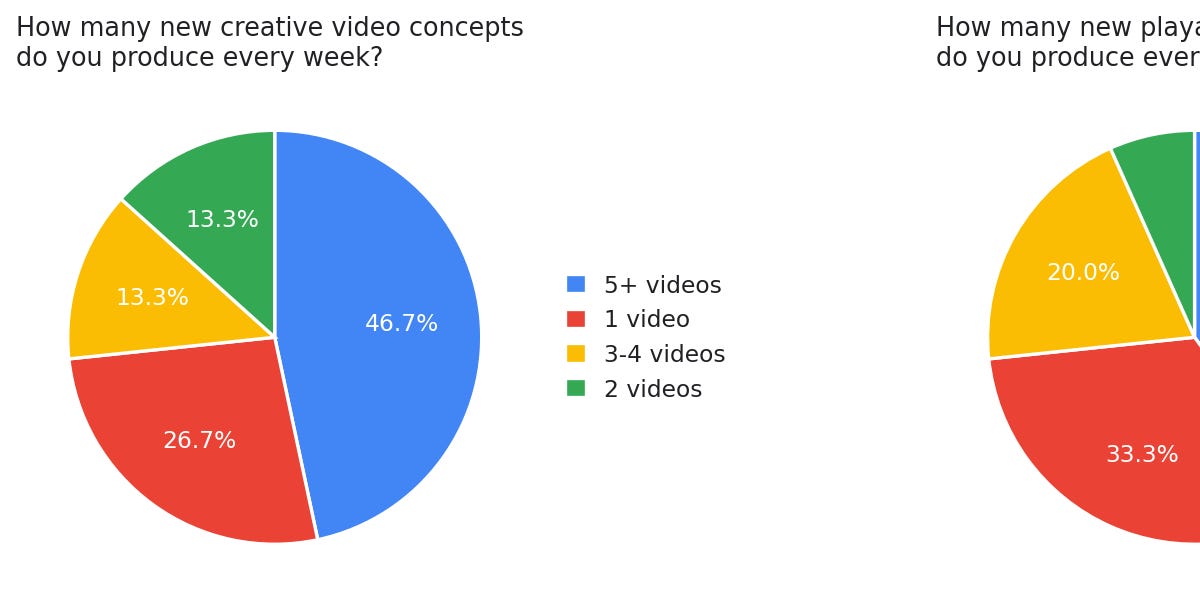
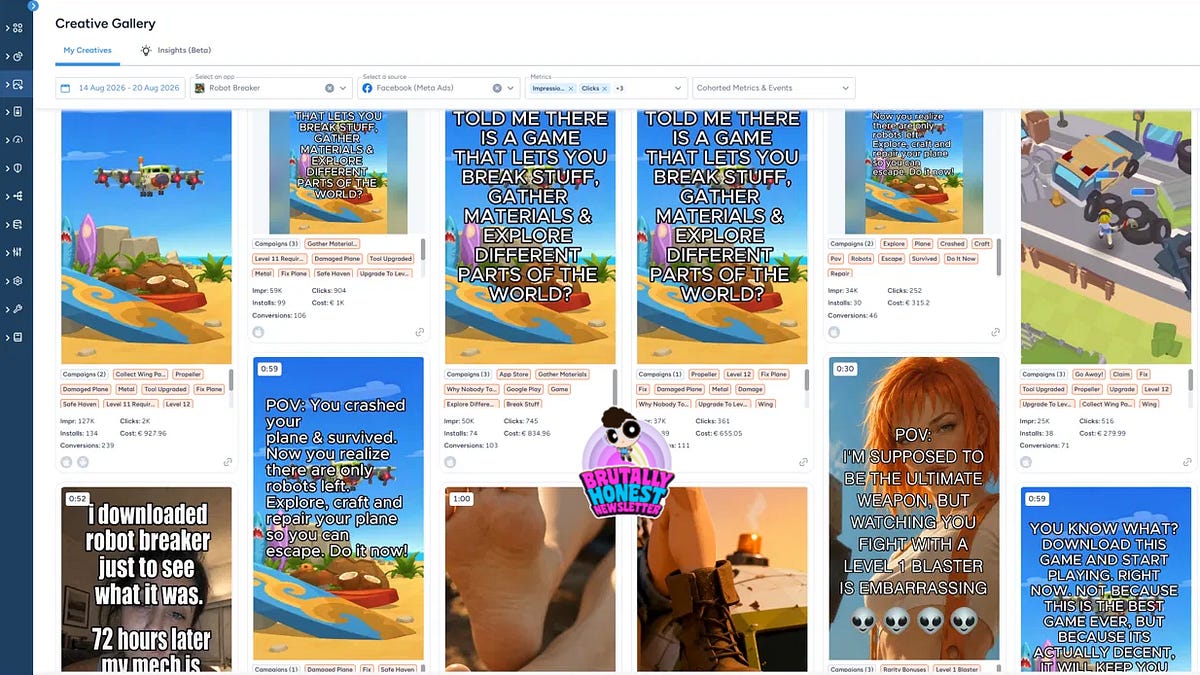
The 2024 mobile marketing landscape is defined by a strategic pivot toward high-volume creative production and the adoption of alternative acquisition channels to combat the complexities of a post-IDFA environment. Success in the current market favors a "volume over quality" approach, where AI-driven, lo-fi content and user-generated aesthetics often outperform traditional, polished advertisements. Data indicates that incorporating AI-generated elements and text-heavy overlays can reduce costs per install by up to 40% while simultaneously improving return on ad spend. This shift reflects a broader move toward authenticity and rapid iteration in creative testing.
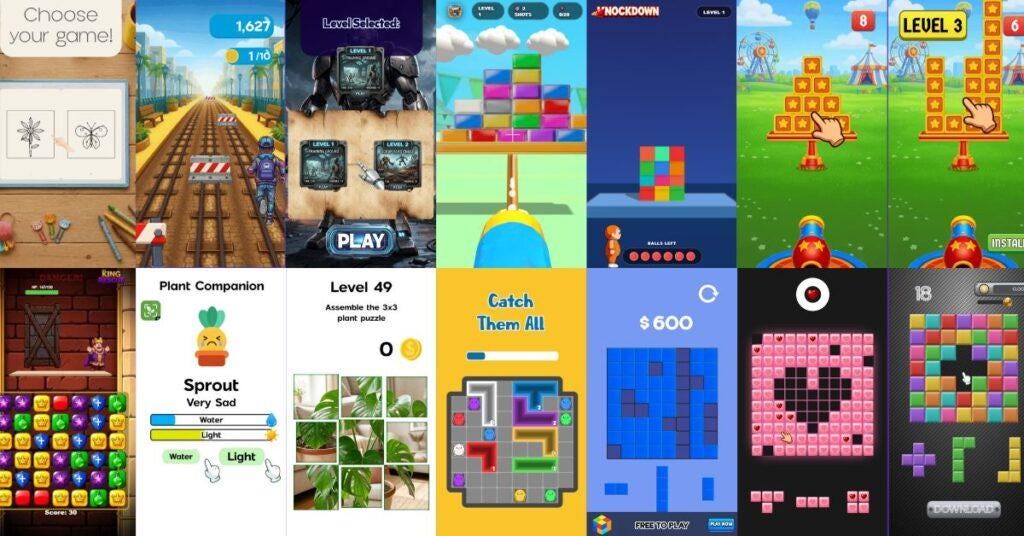
Diversification beyond dominant platforms like Facebook and Google is now essential for sustainable growth. Rewarded-play loyalty programs and the TikTok Creative Challenge have emerged as high-performing alternatives, though they require precise calibration of engagement events to maintain user quality. Playable ads represent a particularly potent tool, yielding conversion rates 27 times higher than standard banners and offering significantly lower costs on Android platforms compared to native alternatives. These technical shifts are occurring alongside a transition toward more transparent, cross-functional communication within marketing teams to navigate fragmented data and privacy regulations like SKAN 4.0.
Despite high professional turnover and significant operational hurdles, the ubiquity of mobile gaming presents substantial opportunities for growth. Navigating this volatile landscape requires a "unicorn" skill set that balances technical proficiency with hands-on execution and resilience. Ultimately, the industry is moving toward a model that prioritizes community engagement and transparent data practices, rewarding marketers who can adapt to rapid technological shifts while maintaining a focus on authentic, performance-driven creative strategies.