Key insights
5 slides
Competitive dynamics
Execution velocity and creative volume consistently outperform first-mover advantage.
In competitive game categories, competitors with higher creative volume and sophisticated LiveOps frequently overtake original titles. Royal Smash's superior scaling compared to Smash Fest illustrates this trend.
Hybrid monetization
Playrix is testing ad-monetization in Gardenscapes for the first time.
The testing utilizes hybrid-casual creative styles in markets like India and Indonesia.
Download spike. Hybrid-casual creative styles drive a 5x spike in downloads.
5x
Spike in downloads from hybrid-casual creative styles
Playable ads
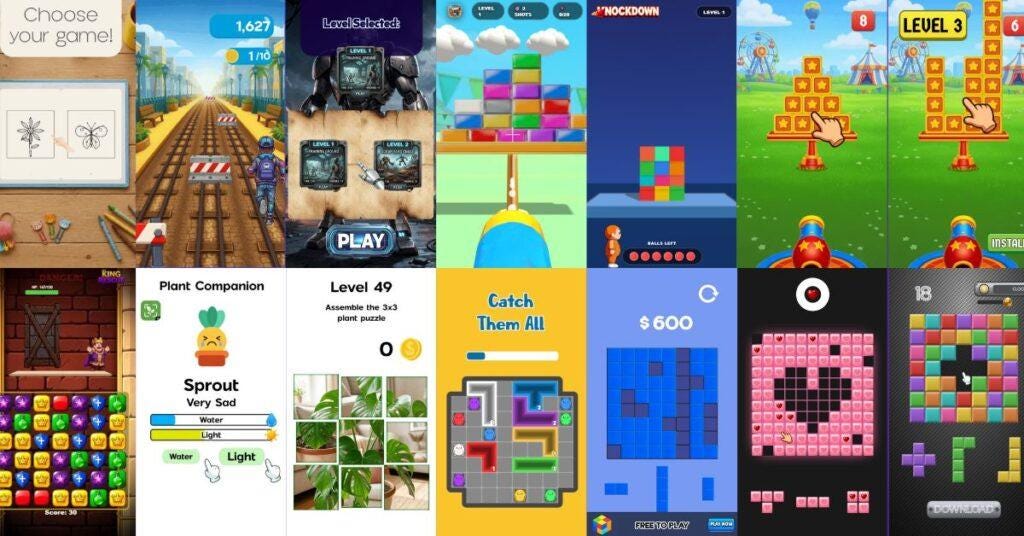
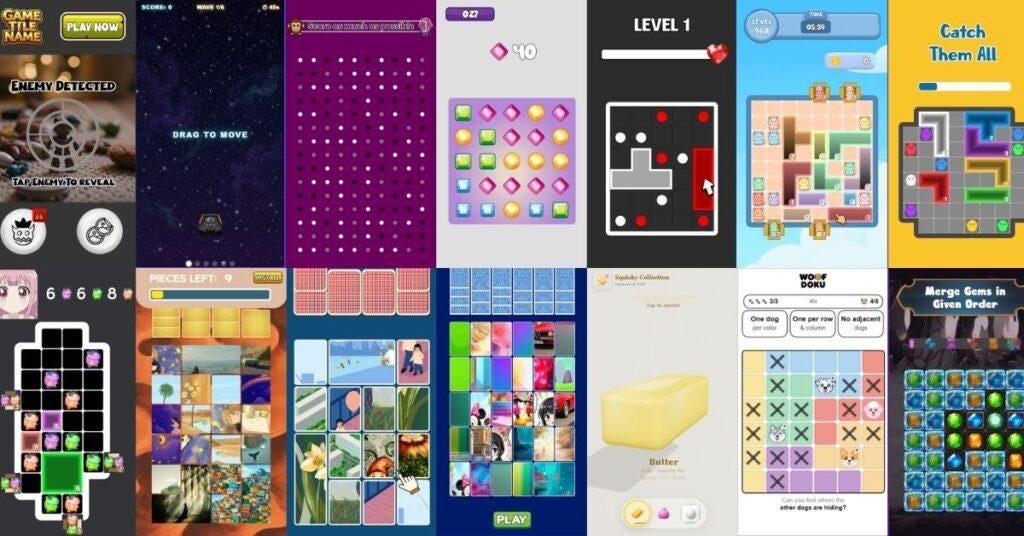
Playable ads have transitioned from a niche format to a core UA requirement.
They serve as the backbone for video-led funnels and AI-driven creative workflows in 2026. This integration is a foundational element of modern UA funnels.
Performance gains
Kinoa reports significant performance gains for clients including Carry1st and Playstudios.
The platform reports a 43% increase in ARPDAU for Carry1st. It also reports a 31% revenue lift for Playstudios' Tetris Block Party.
Product integration
Successful UA at scale requires integrating product-level interventions to overcome LTV walls.
This is particularly critical for budgets exceeding $1M per month.
1 / 5
Ask AI about this report