1 free read left. Create a free account for unlimited reading + AI research.
Create free accountArticle Journal of Games Criticism
1 free read left. Create a free account for unlimited reading + AI research.
Create free accountArticleJournal of Games Criticism
Distilling the key insights…
Game criticism currently exists in a state of perpetual crisis, defined by a profound lack of professional consensus and a fractured identity. Historically, the field helped construct a narrow, masculine-coded gamer identity through exclusionary discursive strategies in specialist media. This foundation has left contemporary critics without a unified professional ideology, forcing them to navigate a landscape characterized by an ideology of anxiety. Consequently, the profession struggles to assert its cultural legitimacy as the medium enters the mainstream, remaining trapped in a cycle of self-reflection and disillusionment that hinders its ability to act as an independent watchdog.
The structural limitations of the industry further exacerbate these tensions. Critics operate within a codependent relationship with a powerful, secretive industry, relying on advertising revenue and access-based reporting that compromises their autonomy. This environment forces journalists to function as mediators of industry-approved game capital rather than objective observers. The resulting network of ambivalences—driven by industry gatekeeping, the influence of toxic audience segments, and a reliance on personal rather than professional standards—leaves critics unable to fundamentally alter the systems they cover.
To move beyond this state of instability, the field must transition toward a more coherent, authoritative identity. By treating historical flashpoints and systemic failures as critical learning opportunities, the profession can mature beyond routine coverage. Establishing a shared sense of critical authority is essential for navigating the pressures of the modern industry and countering the influence of non-professional, exclusionary discourse. Only by fostering this professional maturity can game criticism move past its current state of ambivalence and effectively shape the future of the medium.
Journal of Games Criticism · 2026
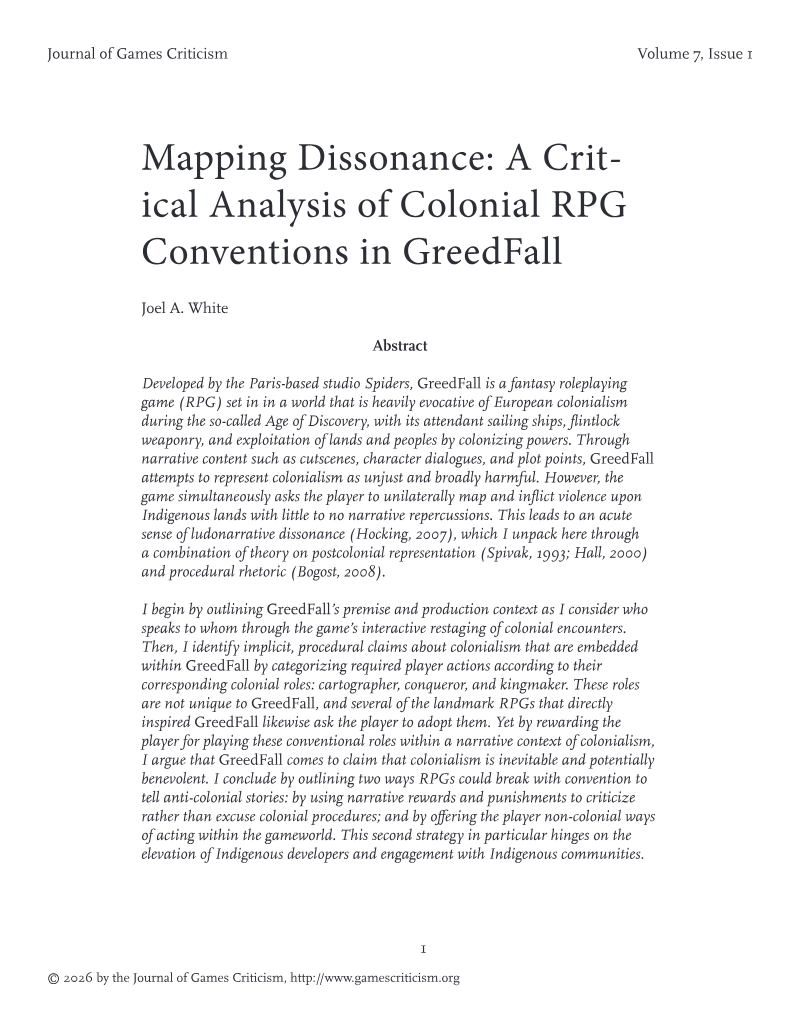
Journal of Games Criticism · 2026
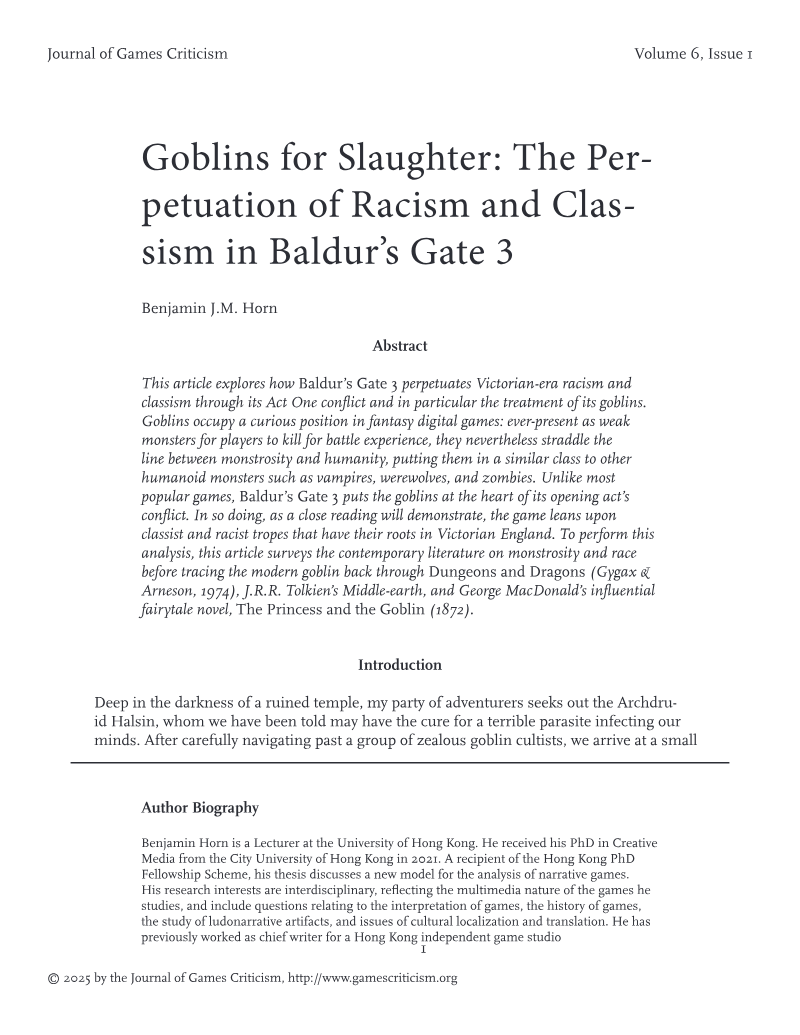
Journal of Games Criticism · 2025
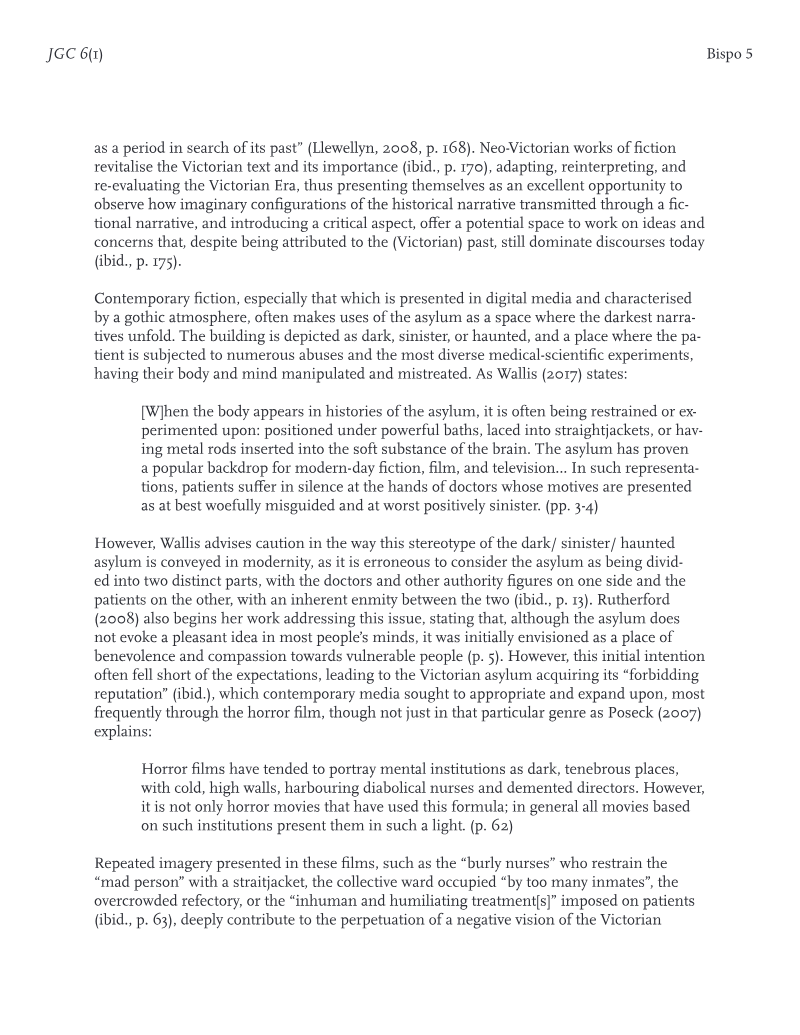
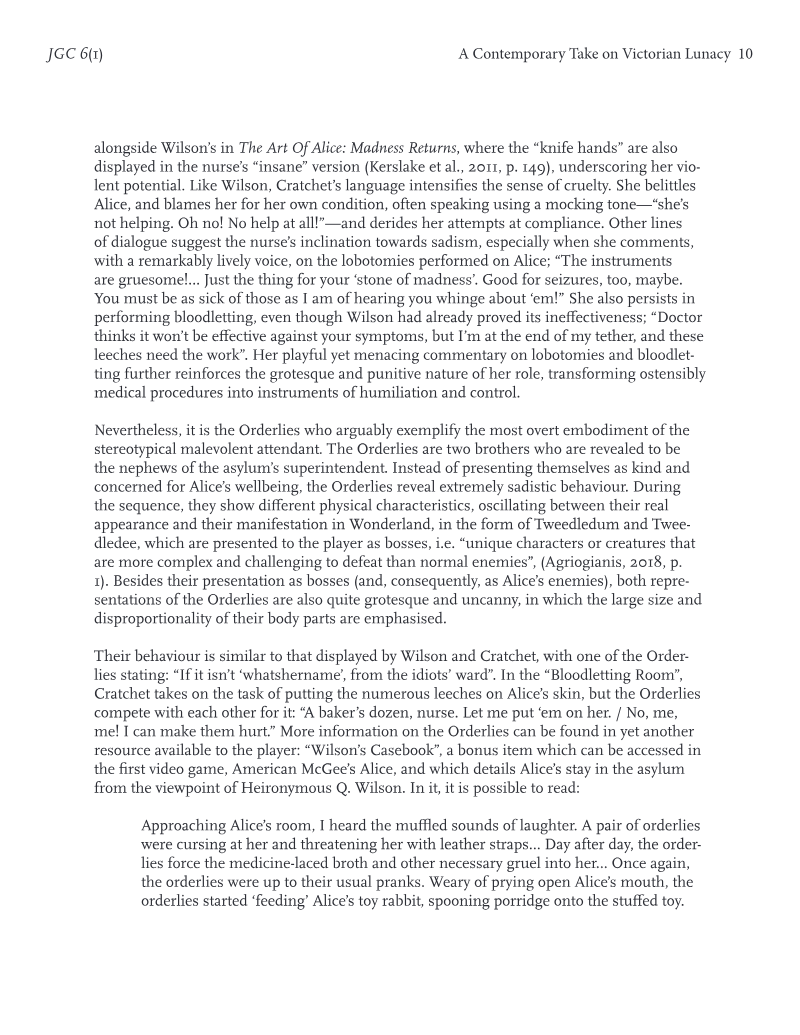
Journal of Games Criticism · 2025
Journal of Games Criticism · 2025
Journal of Games Criticism · 2025
Journal of Games Criticism · 2024
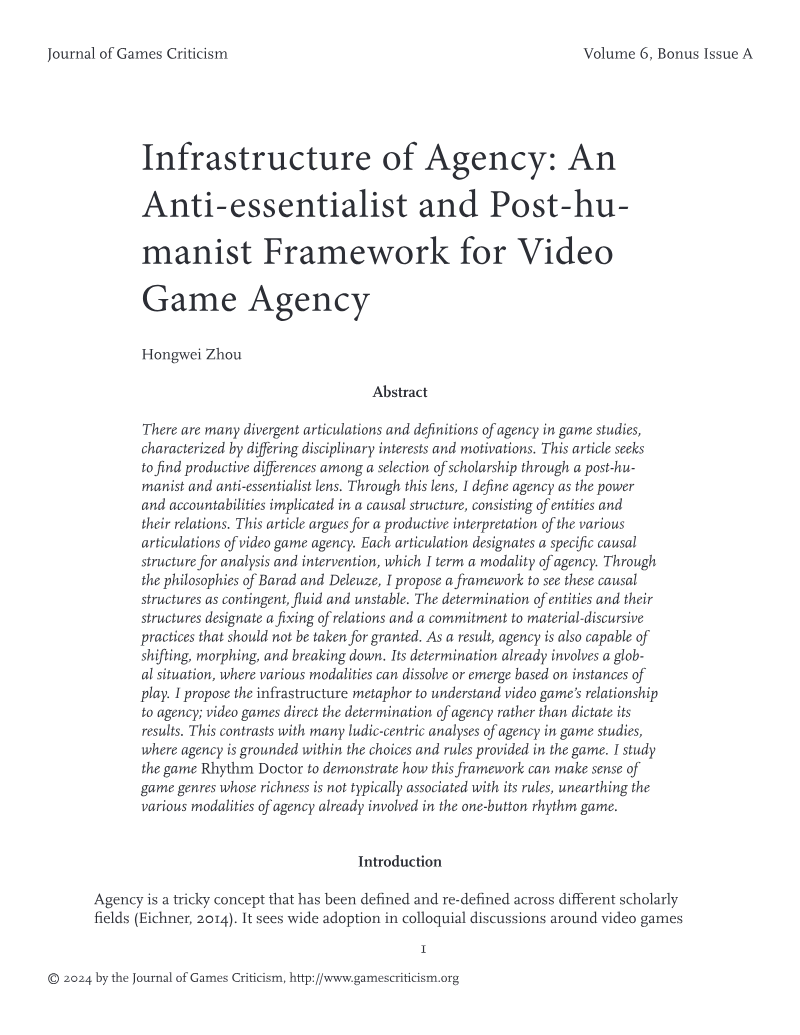
Journal of Games Criticism · 2024
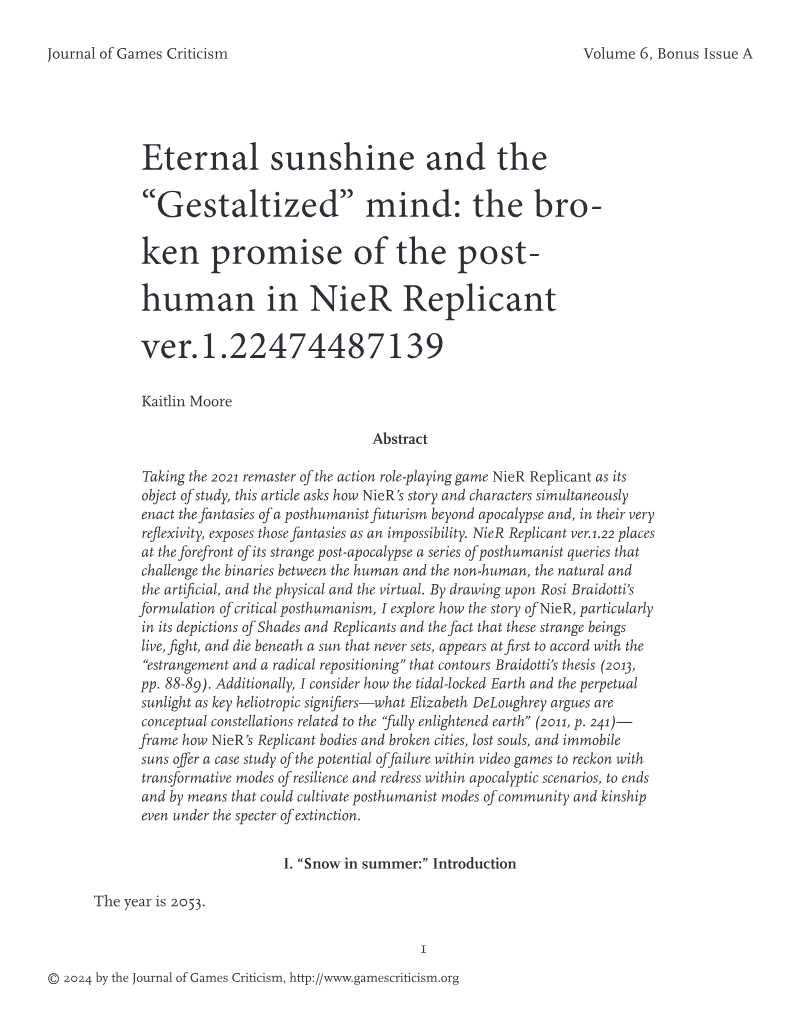
Journal of Games Criticism · 2024
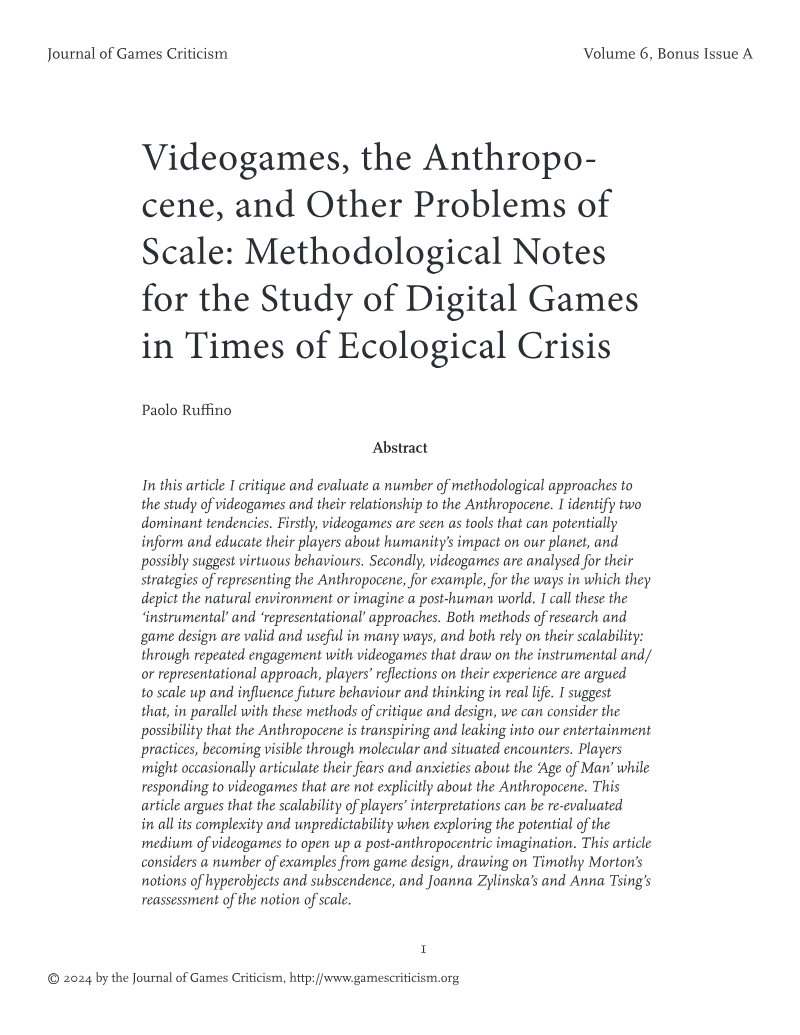
Journal of Games Criticism · 2024
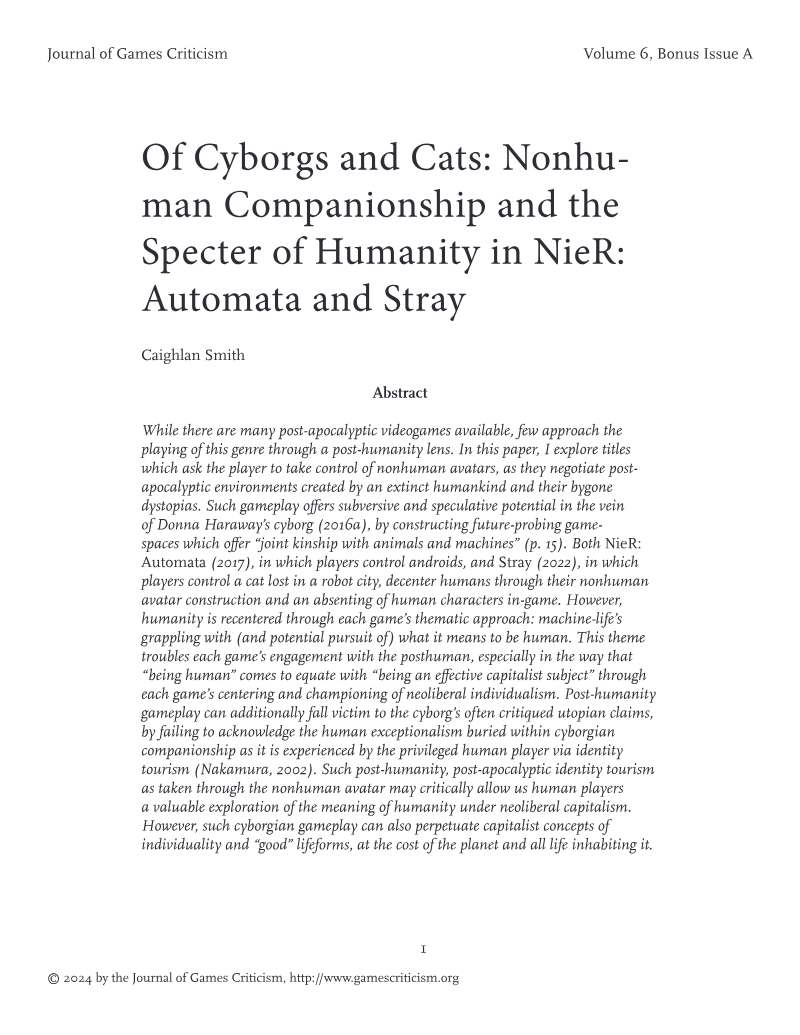
Journal of Games Criticism · 2024
Journal of Games Criticism · 2024
International Journal of Role-Playing · 2026