1 free read left. Create a free account for unlimited reading + AI research.
Create free accountArticle Journal of Games Criticism
1 free read left. Create a free account for unlimited reading + AI research.
Create free accountArticleJournal of Games Criticism
Distilling the key insights…
The tension between ludology and narratology remains a central challenge in interactive media, specifically regarding how games balance player freedom with structured storytelling. By applying a collaborative framework consisting of drama management, narrative experience, ludic agency, narrative agency, and character development, it becomes clear that modern interactive narratives often struggle to synthesize these elements effectively. Rather than viewing narrative as a constraint on play, this analytical approach posits that narrative should function as a primary source of agency, enabling deeper emotional resonance and meaningful player representation.
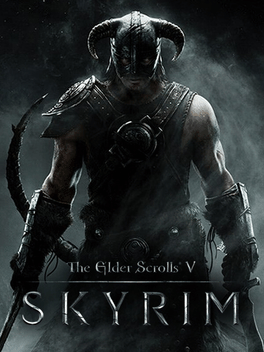
An evaluation of Mass Effect 2 and The Elder Scrolls V: Skyrim reveals that both titles fall short of achieving a harmonious integration of these systems. Mass Effect 2 provides a highly structured, character-driven experience, yet its reliance on rigid, binary morality systems and overt drama management restricts the player to a predetermined authorial path. Conversely, Skyrim prioritizes ludic agency through expansive open-world freedom and embodied interaction, but this approach frequently compromises narrative cohesion, leaving player actions feeling inconsequential within the broader game world. In both instances, visible drama management systems inadvertently expose the artificial nature of the experience, thereby undermining player immersion.
Ultimately, the findings suggest that neither title successfully bridges the gap between ludic freedom and narrative purpose. While Mass Effect 2 excels in narrative engagement and Skyrim succeeds in providing player-driven exploration, both games demonstrate that current design paradigms often force a trade-off between agency and coherence. Achieving a truly successful interactive narrative requires a more sophisticated synthesis where ludic actions and narrative progression are intrinsically linked, ensuring that player choices possess both systemic significance and lasting narrative weight.
Journal of Games Criticism · 2025
PocketGamer.biz · 2020