1 free read left. Create a free account for unlimited reading + AI research.
Create free accountArticle Journal of Games Criticism
1 free read left. Create a free account for unlimited reading + AI research.
Create free accountArticleJournal of Games Criticism
Distilling the key insights…
Mainstream video games frequently perpetuate settler-colonial ideologies by reducing Indigenous cultures to superficial aesthetic signifiers while simultaneously erasing the presence and history of actual Indigenous peoples. By employing a logic of elimination, developers often replace complex, real-world Indigenous histories with essentialized, fictionalized versions that serve the narrative requirements of the game. This practice, observed in titles such as inFAMOUS: Second Son, Horizon Zero Dawn, and Overwatch, functions to justify colonial hierarchies and reinforce harmful tropes, such as the savage archetype or the perceived necessity of assimilation.
These narrative choices reflect deep-seated colonial biases ingrained within contemporary game design, where Indigenous experiences are consistently filtered through a lens of whiteness. By prioritizing visual tropes over authentic representation, the industry alienates Indigenous audiences and maintains a status quo that favors colonial perspectives. The scope of this critique encompasses the broader video game industry, focusing on the intersection of Indigenous identity and digital media representation during the modern era of high-fidelity gaming.
To move beyond these systemic biases, the industry must fundamentally shift its approach to cultural representation. Meaningful progress requires moving past surface-level appropriation toward Indigenous-controlled storytelling and a deeper, more respectful engagement with Indigenous epistemologies. Authentic collaboration with Indigenous creators is essential to dismantle the current reliance on colonial frameworks and to foster a gaming landscape that honors, rather than erases, the realities of Indigenous peoples.
Each row is a game or company this document names, each column a document, oldest first. A mark means that document names it. Select a row to see those documents.
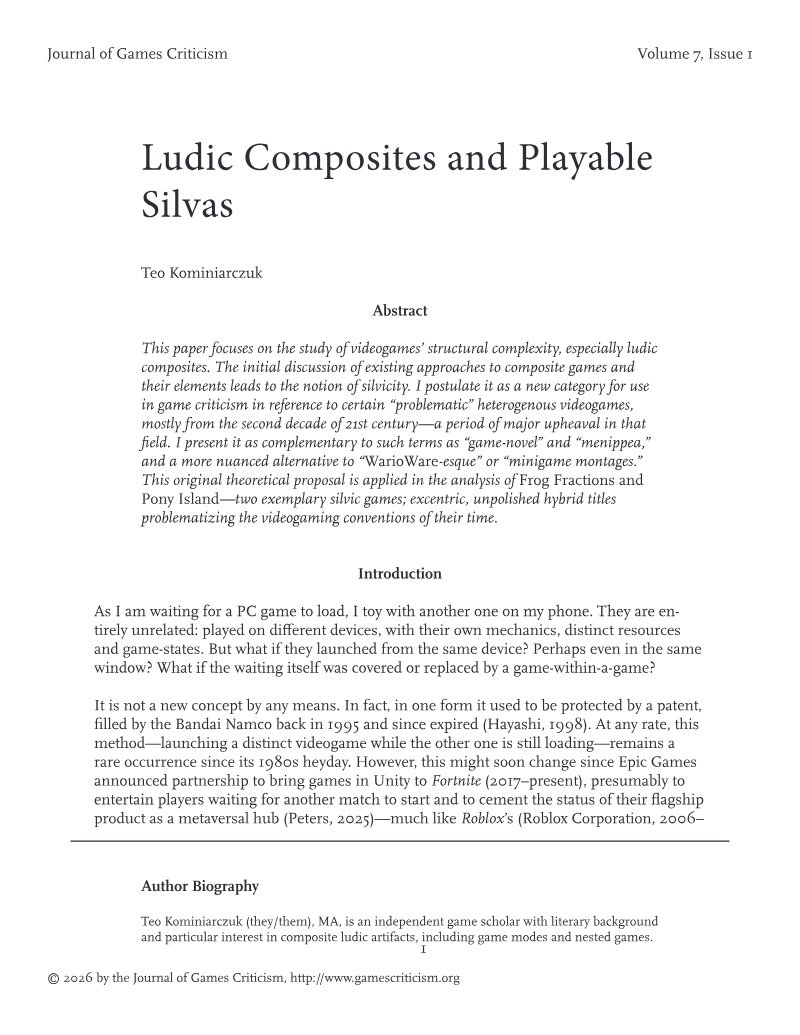
Journal of Games Criticism · 2026
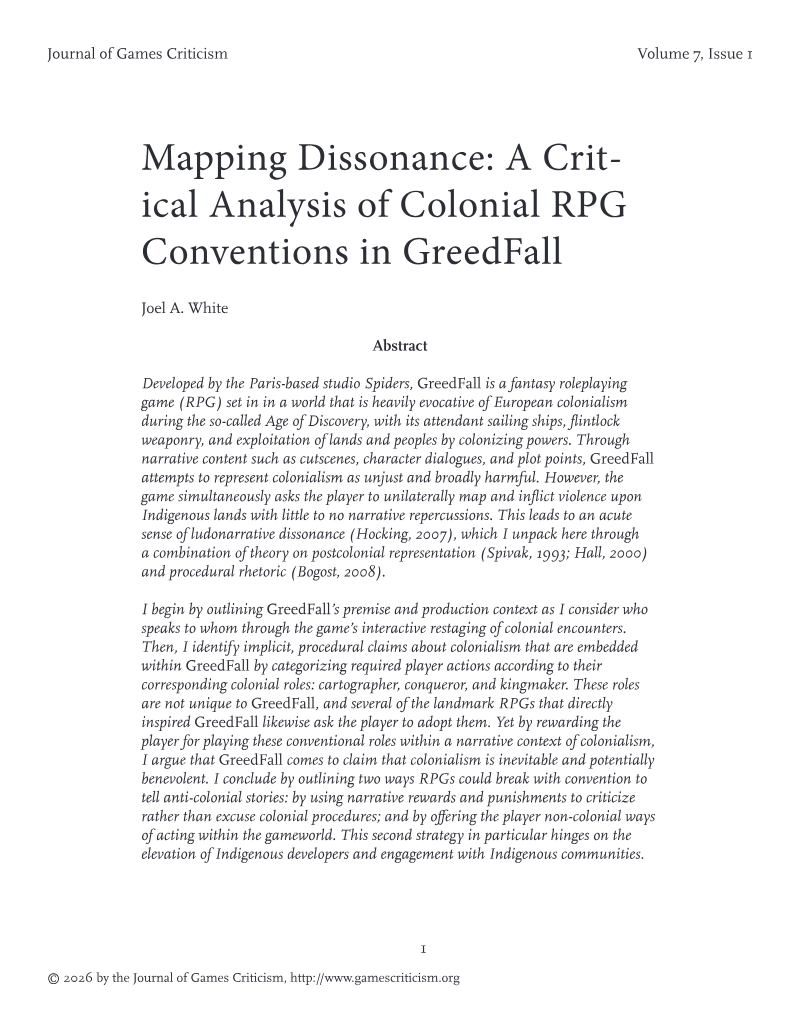
Journal of Games Criticism · 2026
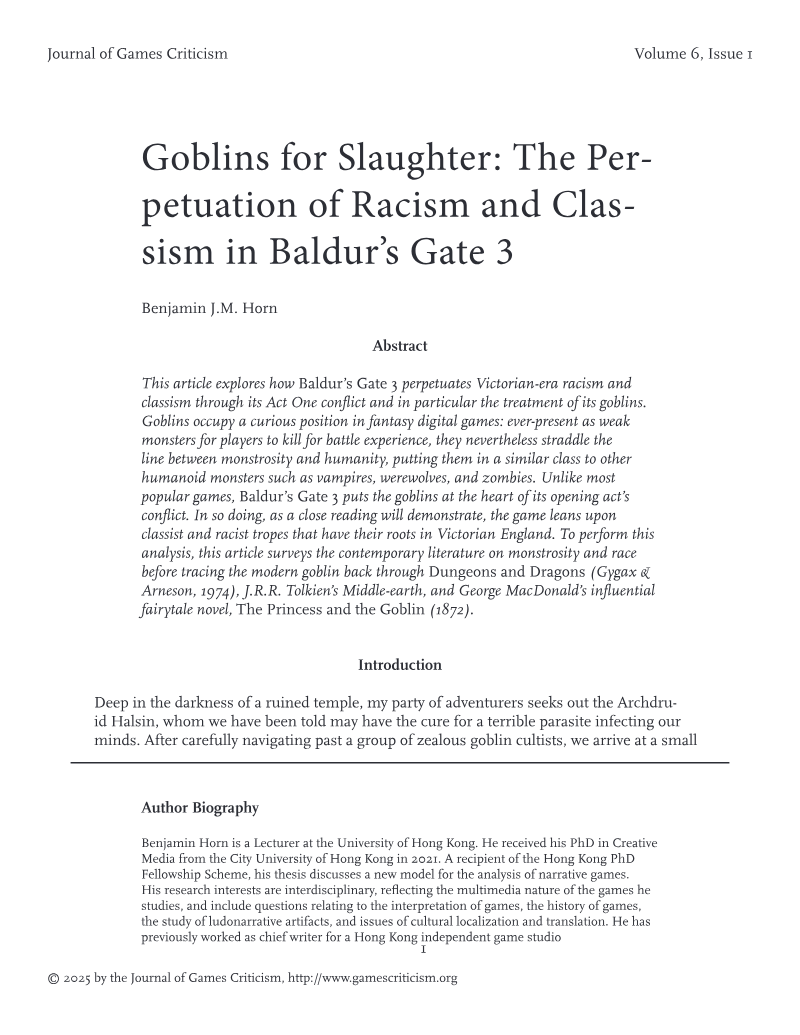
Journal of Games Criticism · 2025
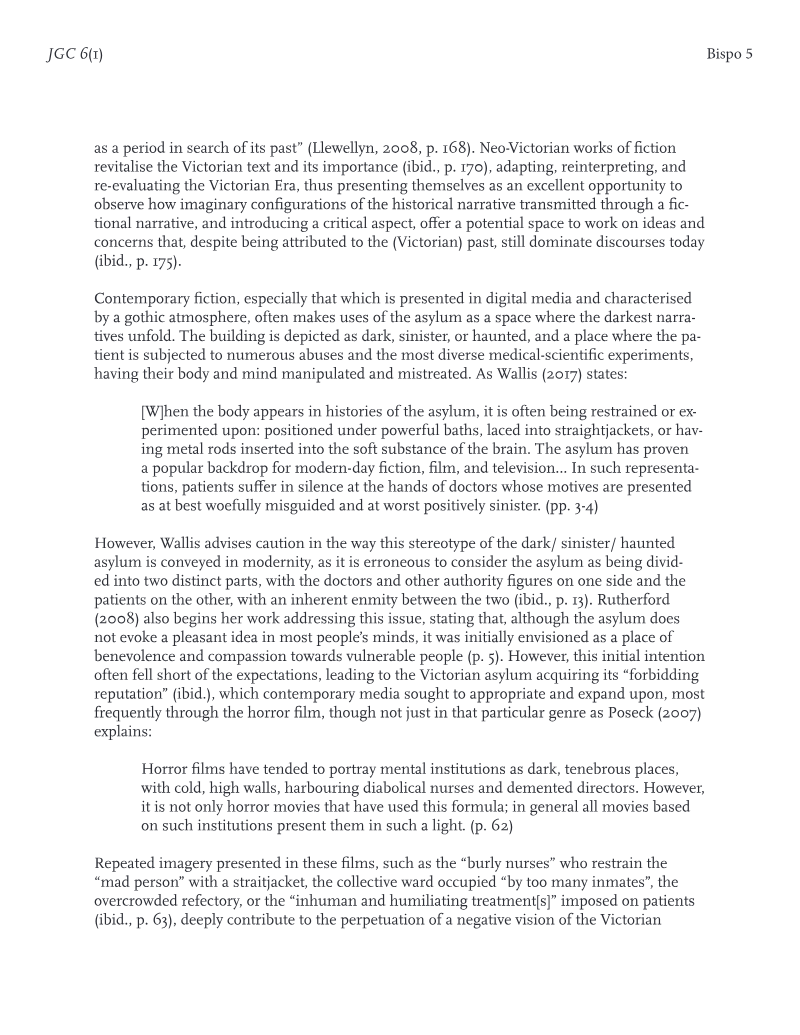
Journal of Games Criticism · 2025



Journal of Games Criticism · 2025



Journal of Games Criticism · 2025
Journal of Games Criticism · 2024
Journal of Games Criticism · 2024
Journal of Games Criticism · 2024
Journal of Games Criticism · 2024
Journal of Games Criticism · 2024
Journal of Games Criticism · 2024
International Journal of Role-Playing · 2026