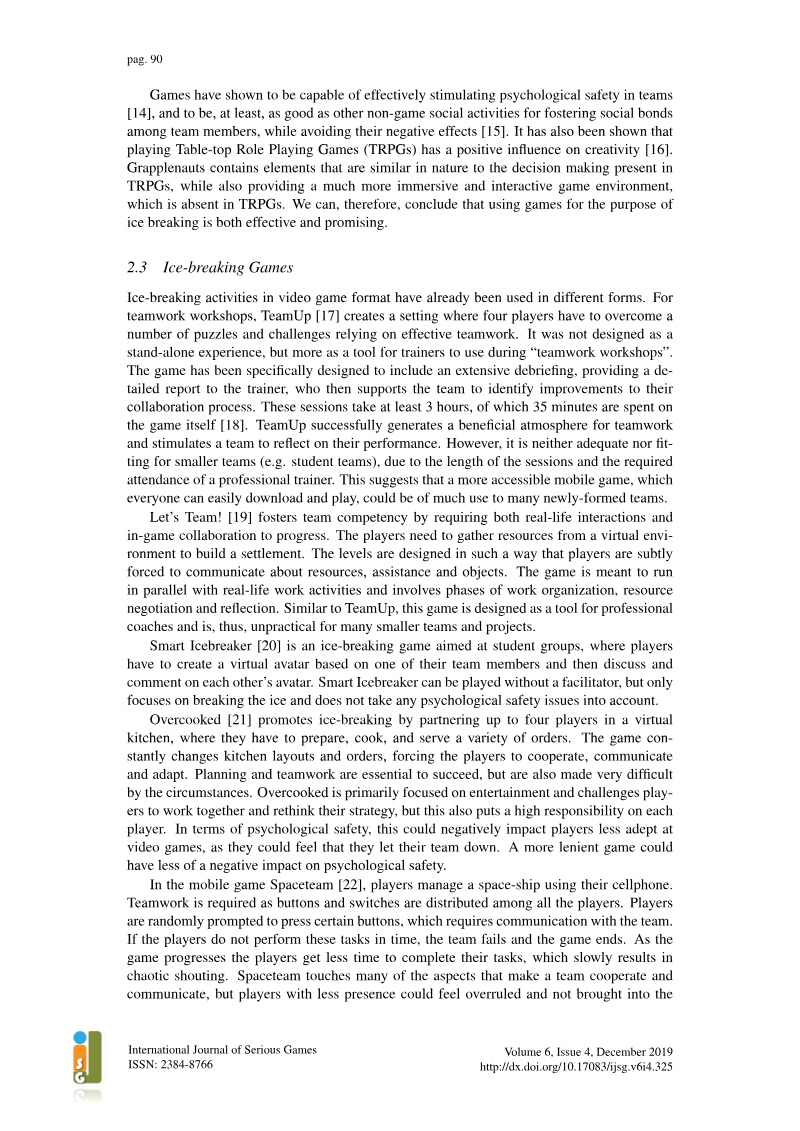
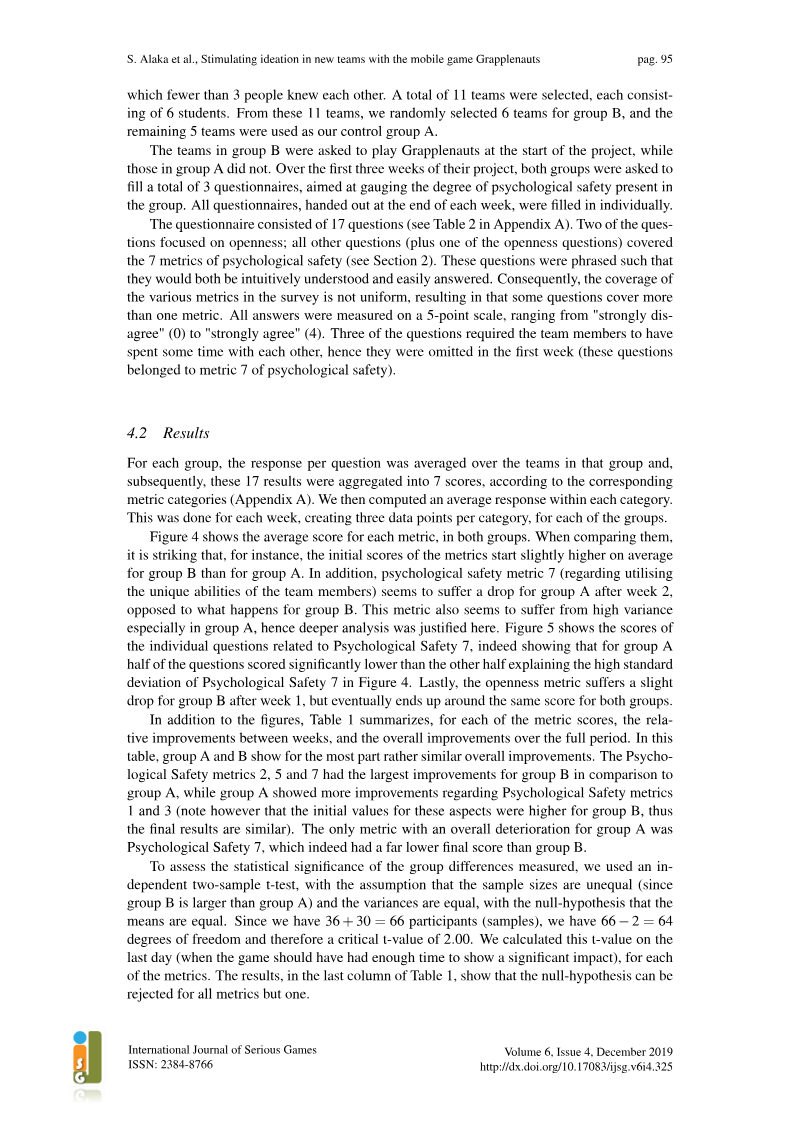
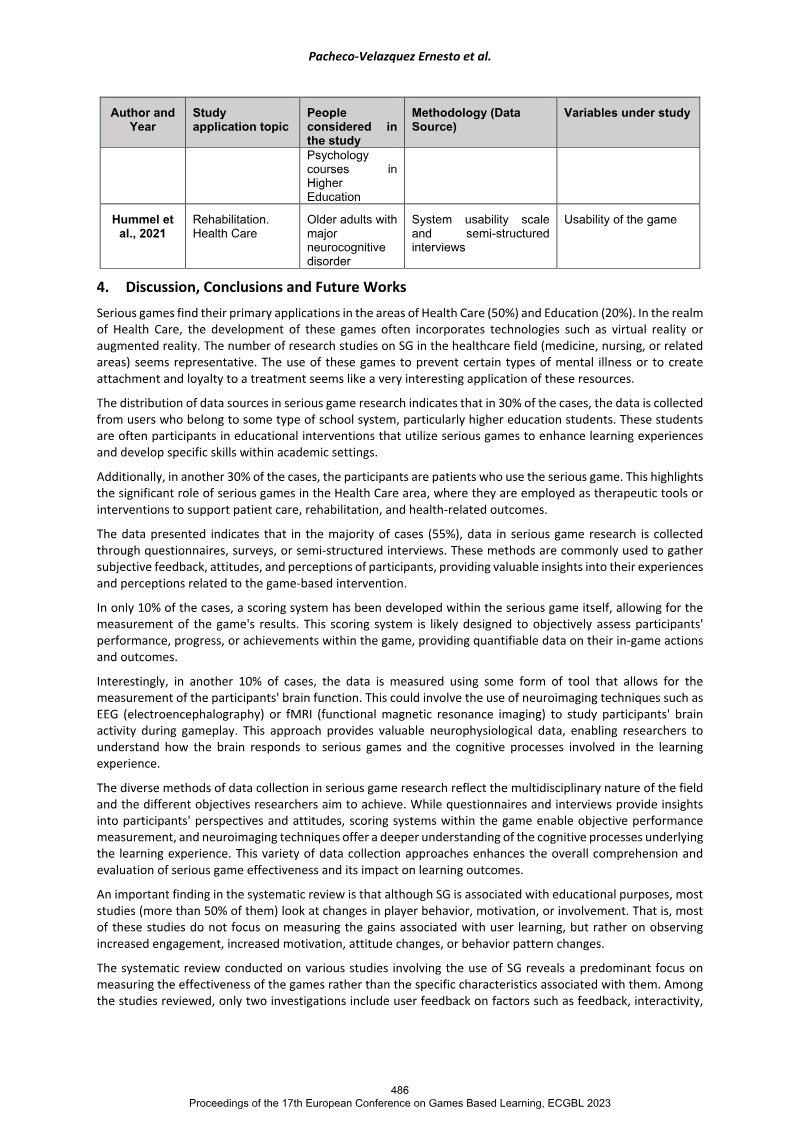
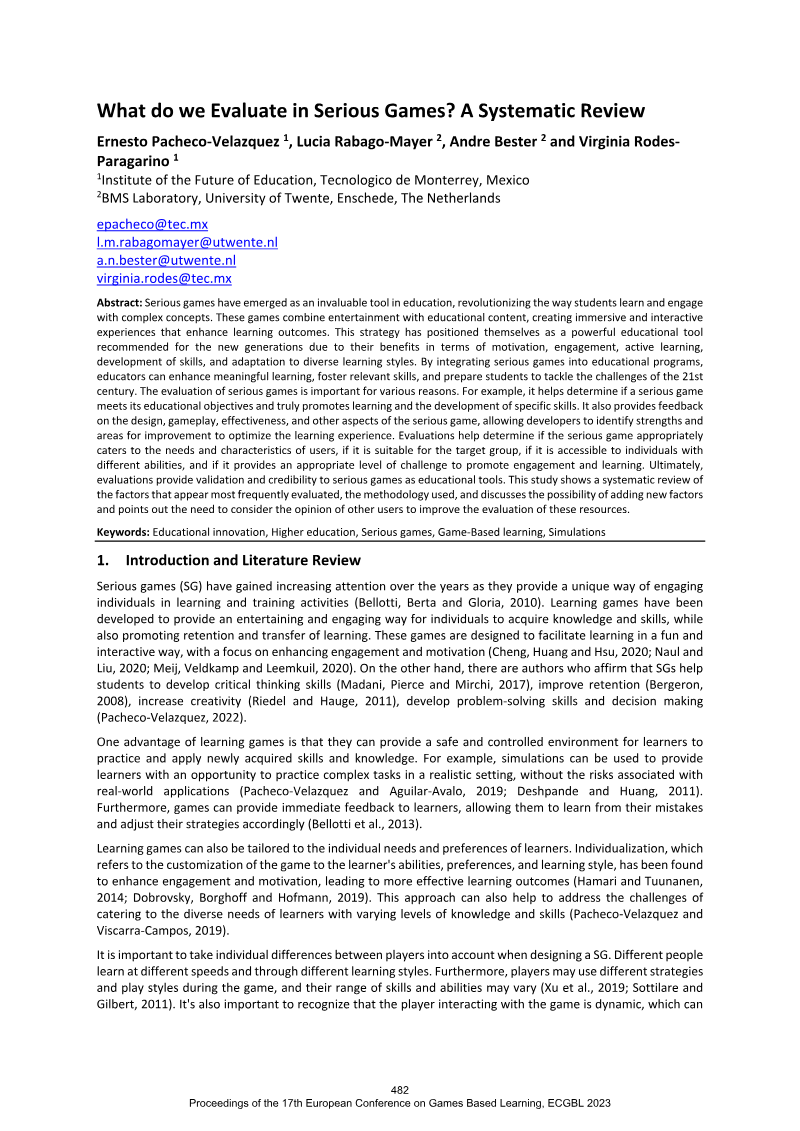
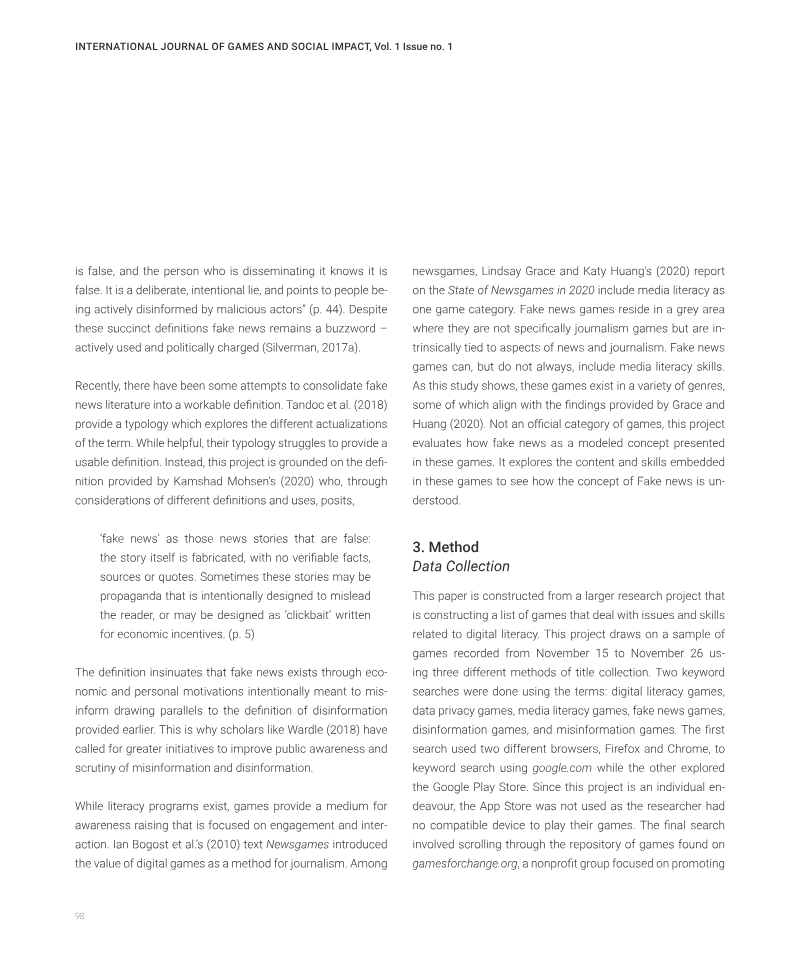
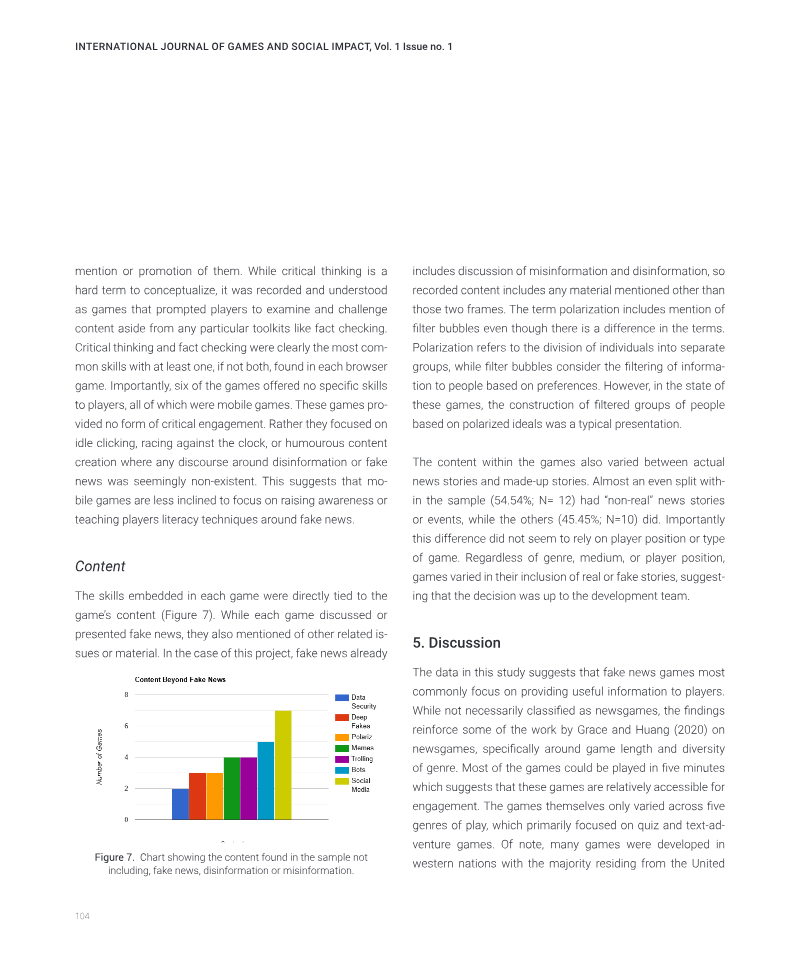
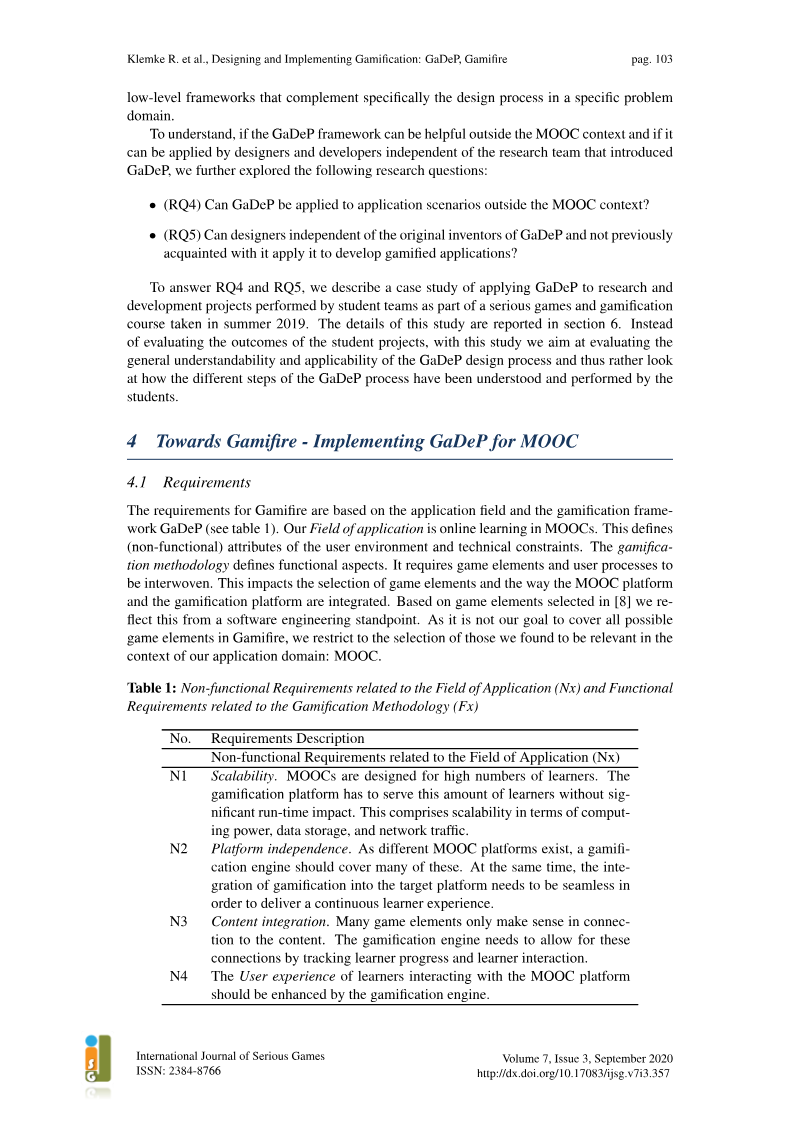
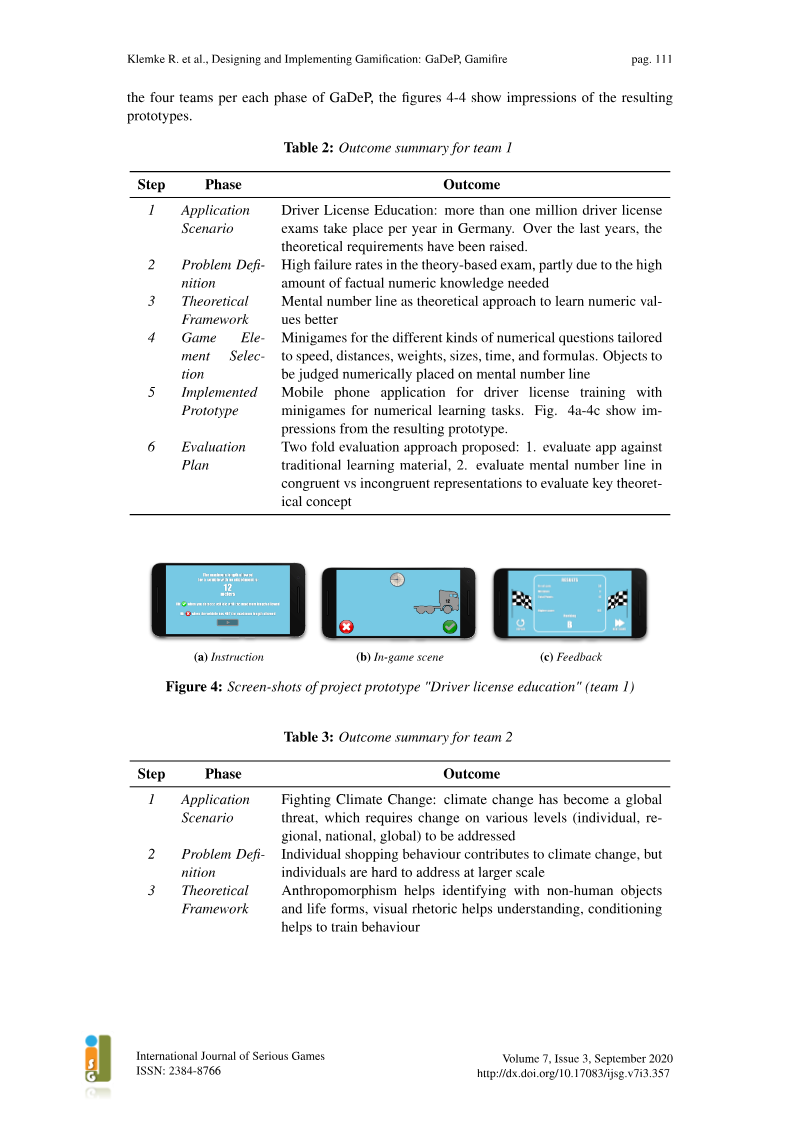
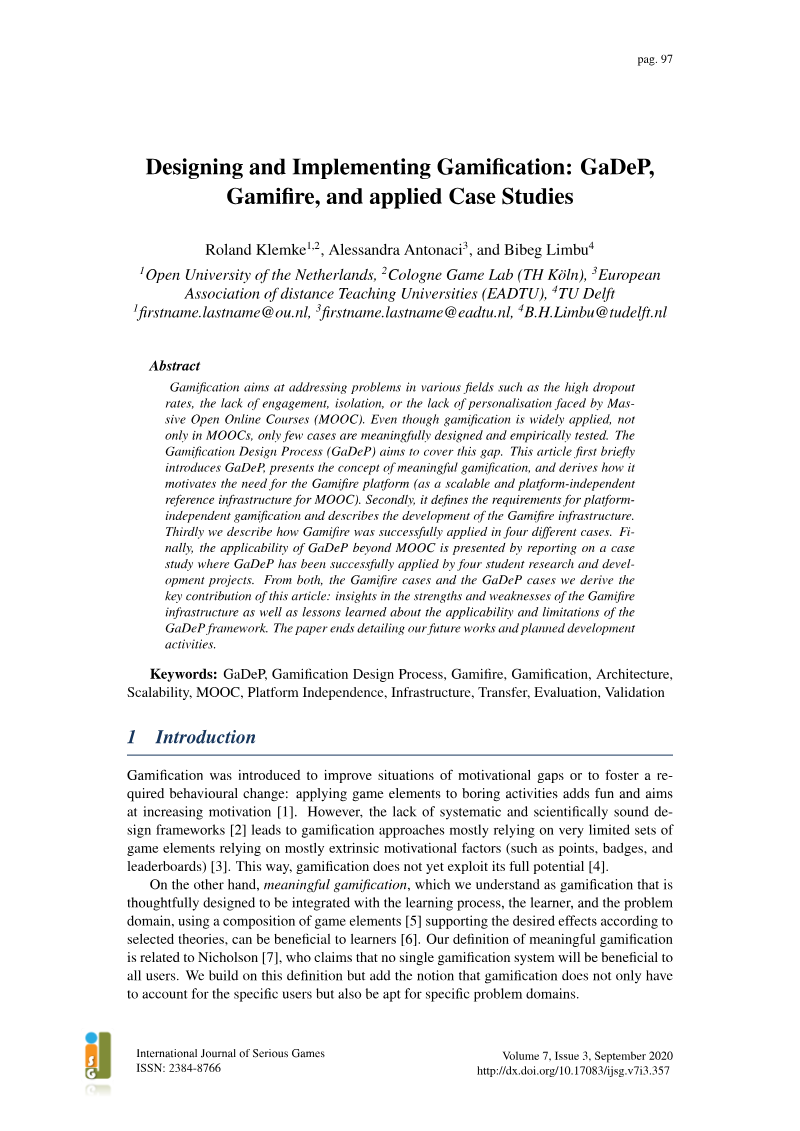
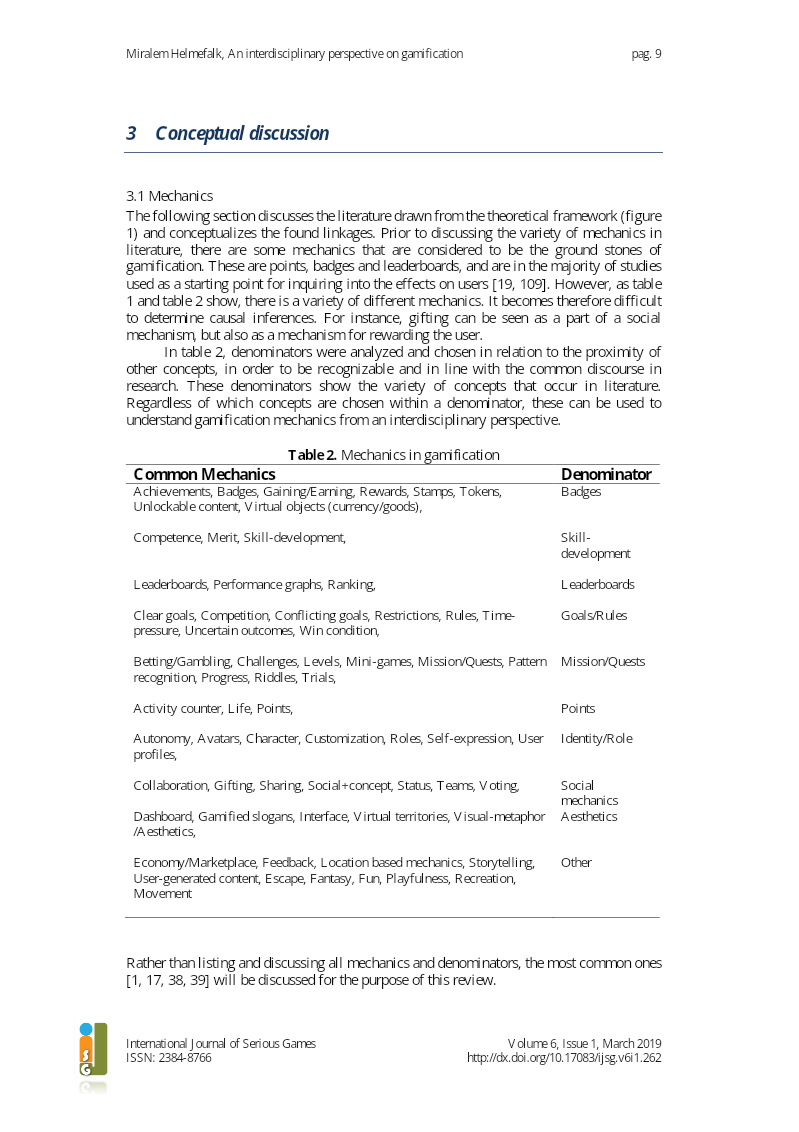
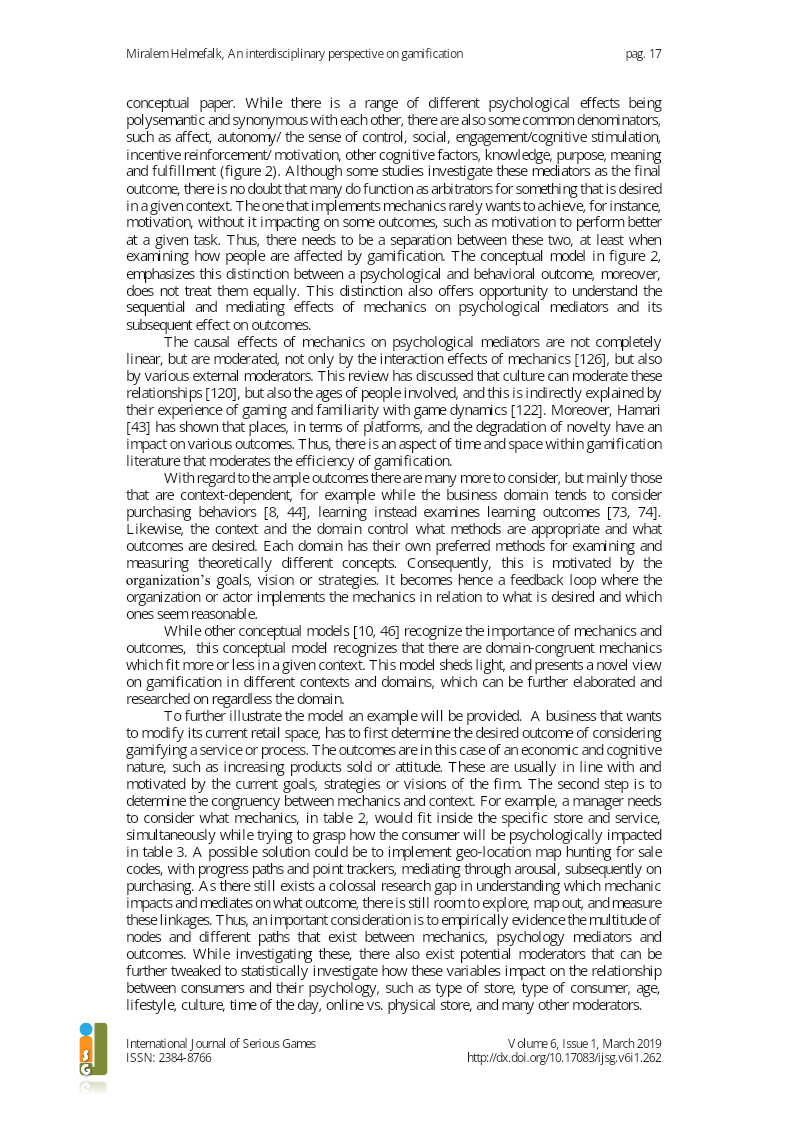
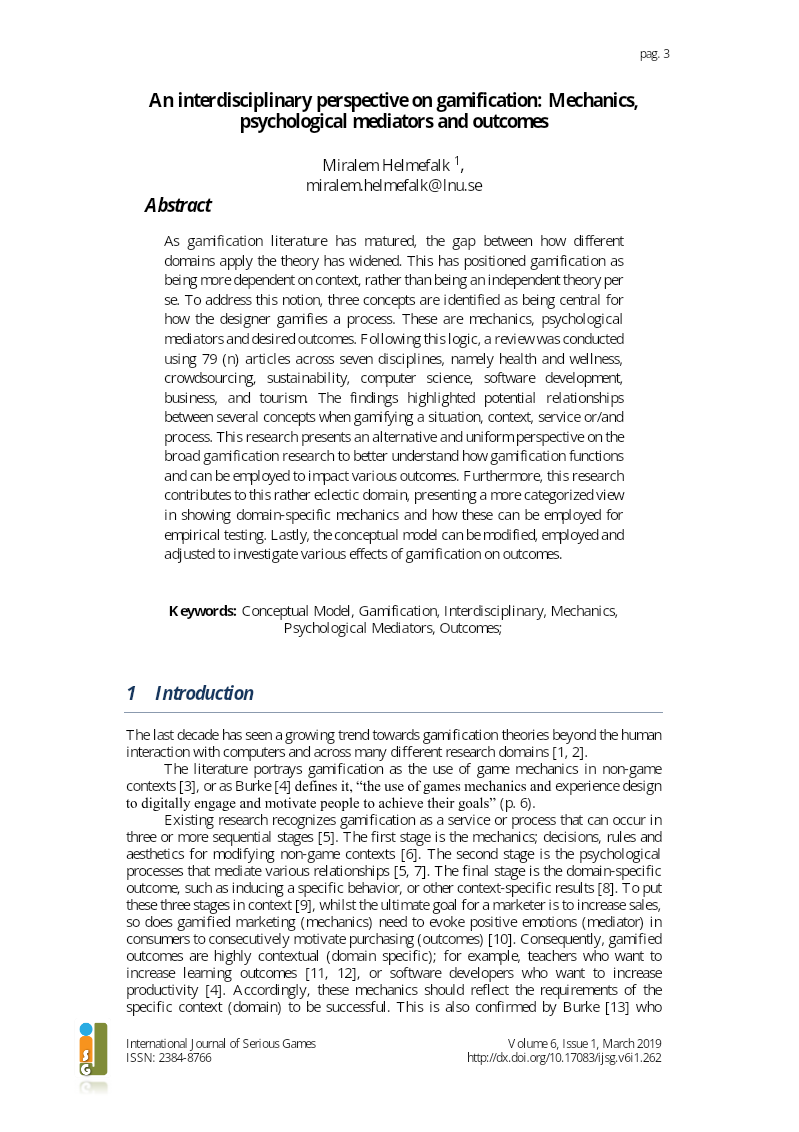
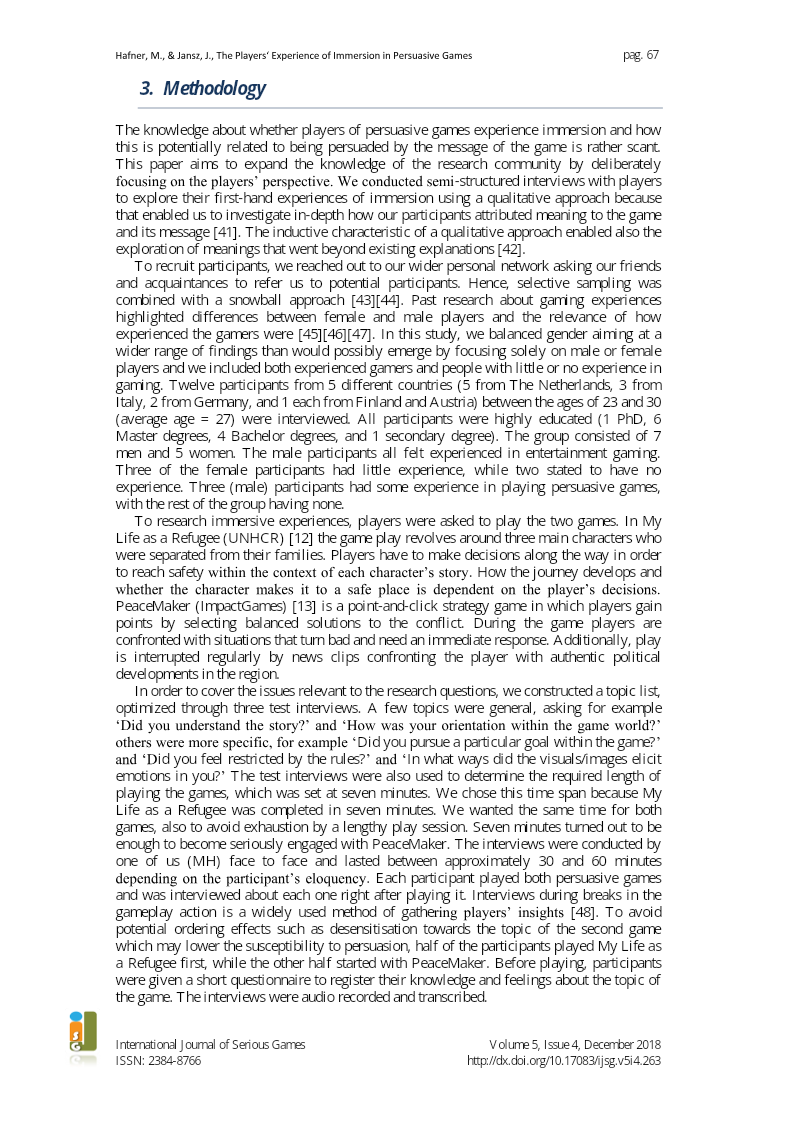
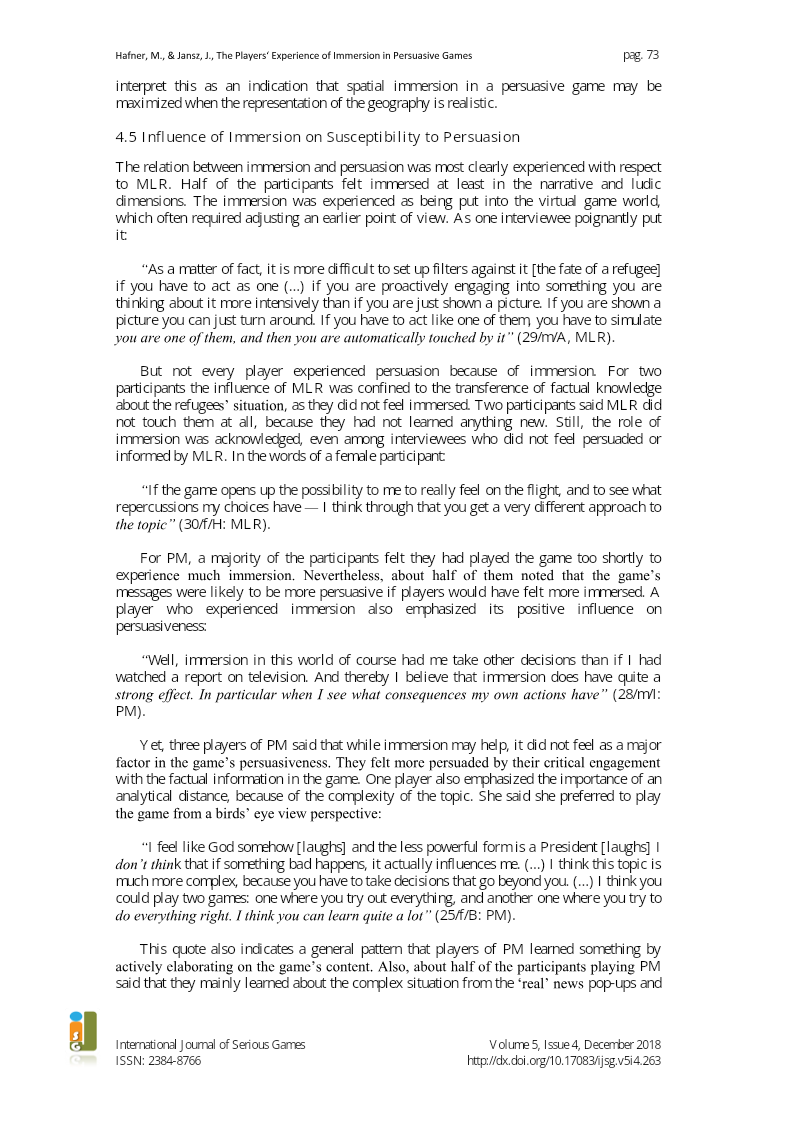
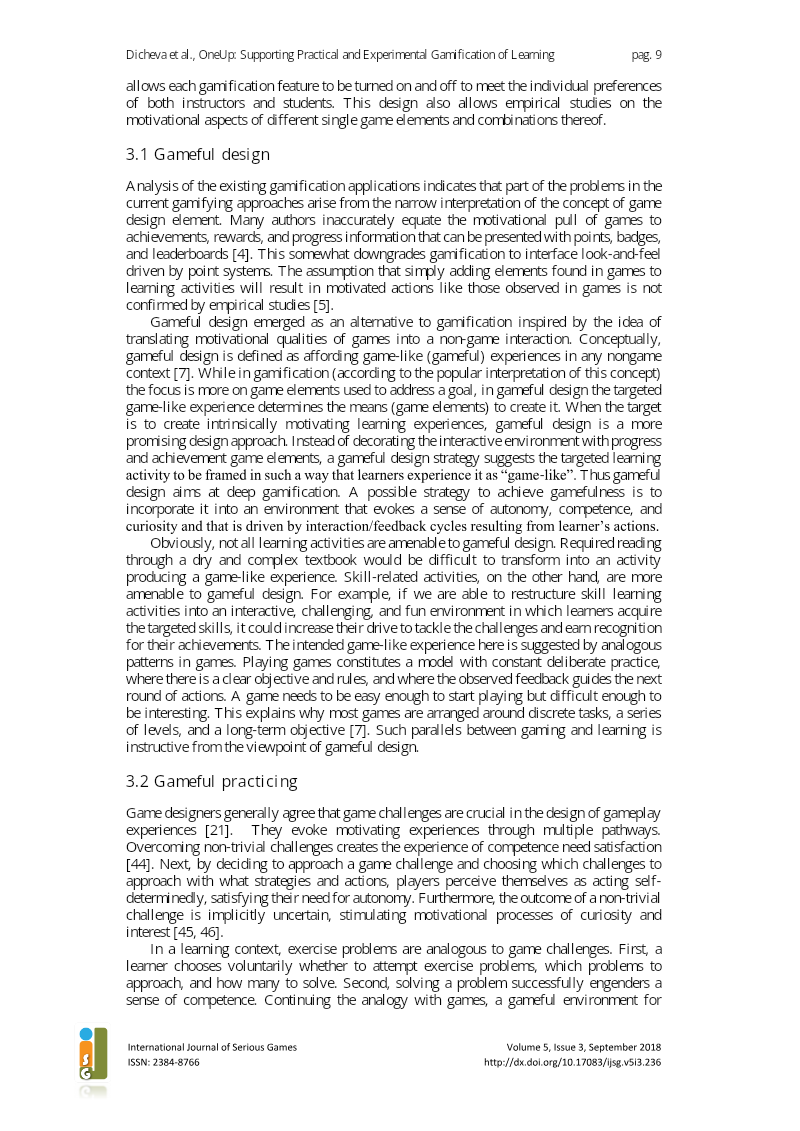
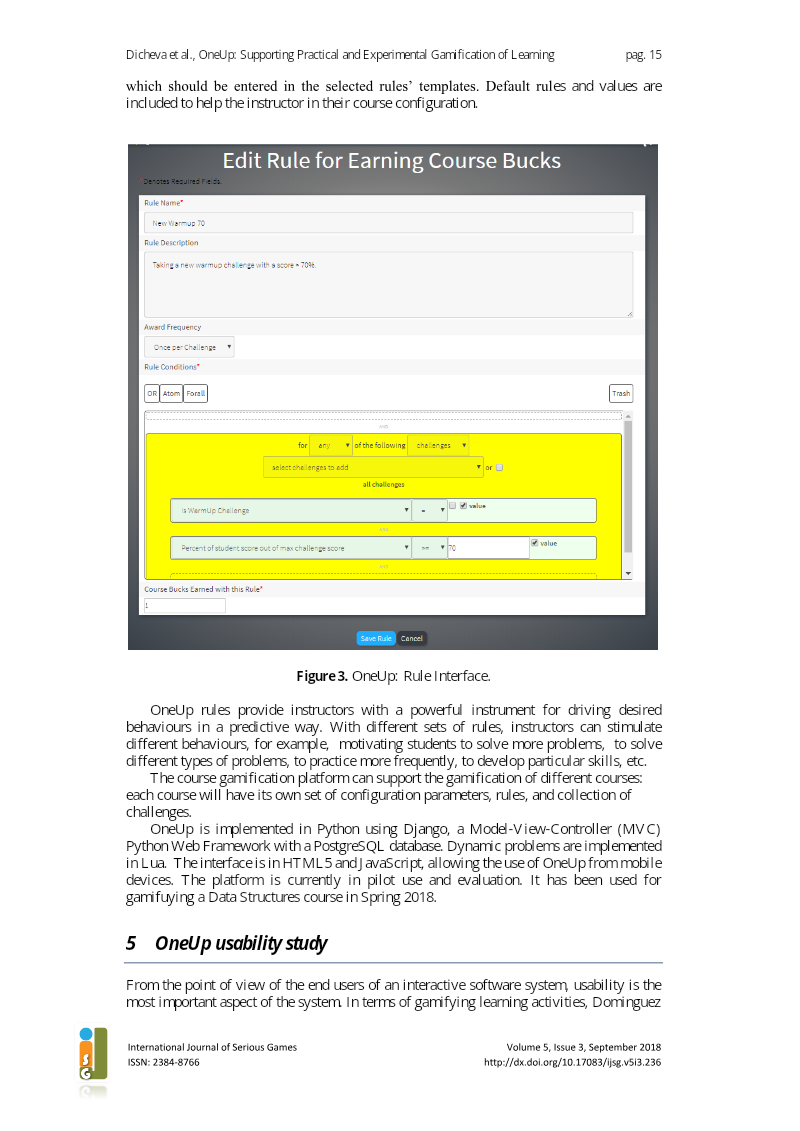
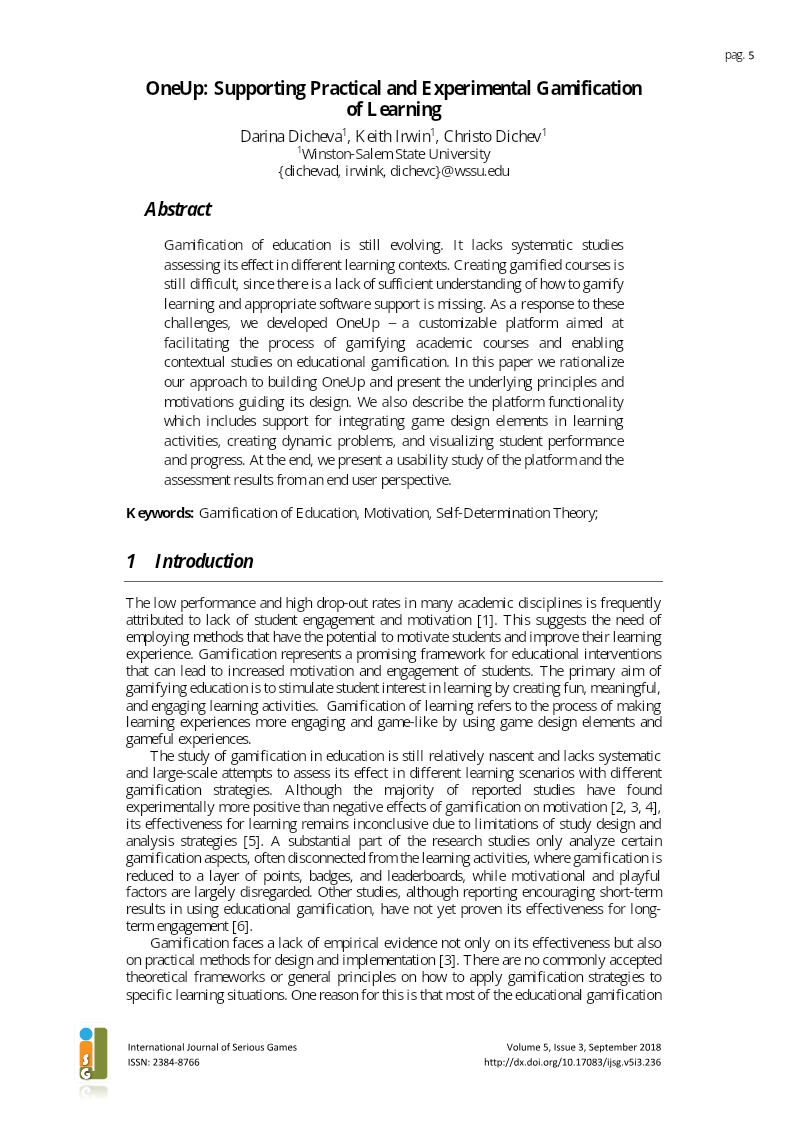
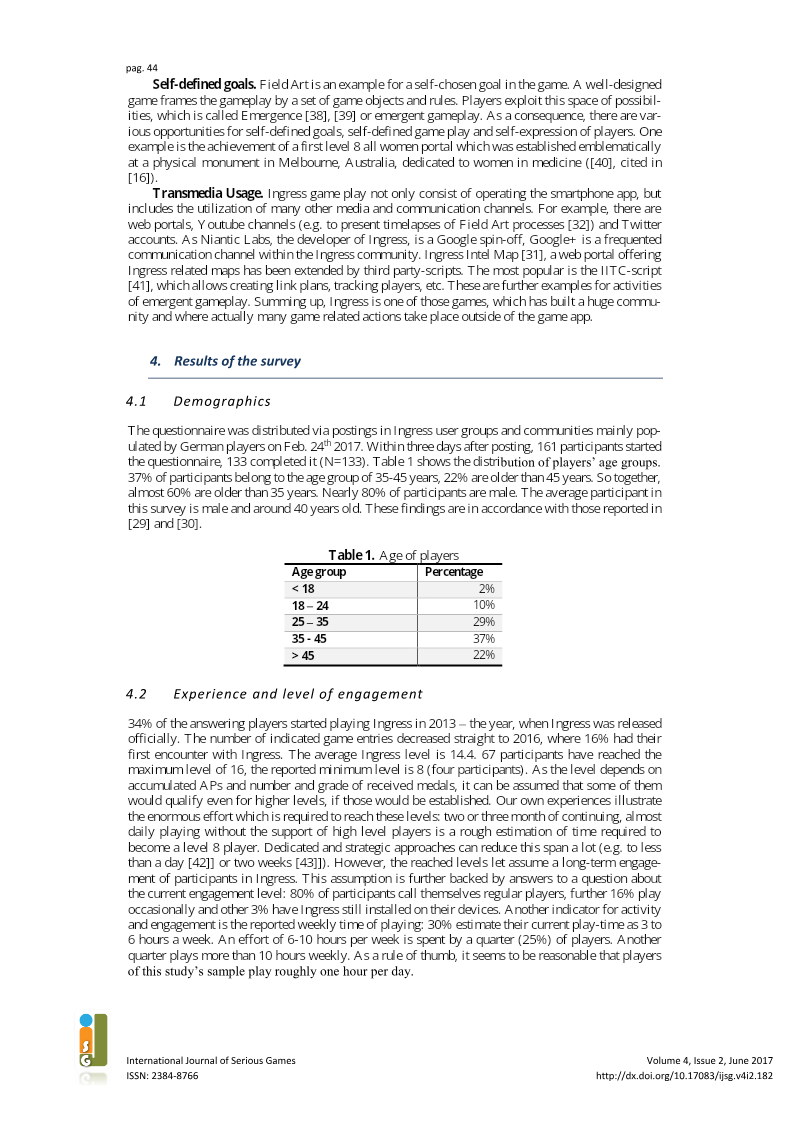
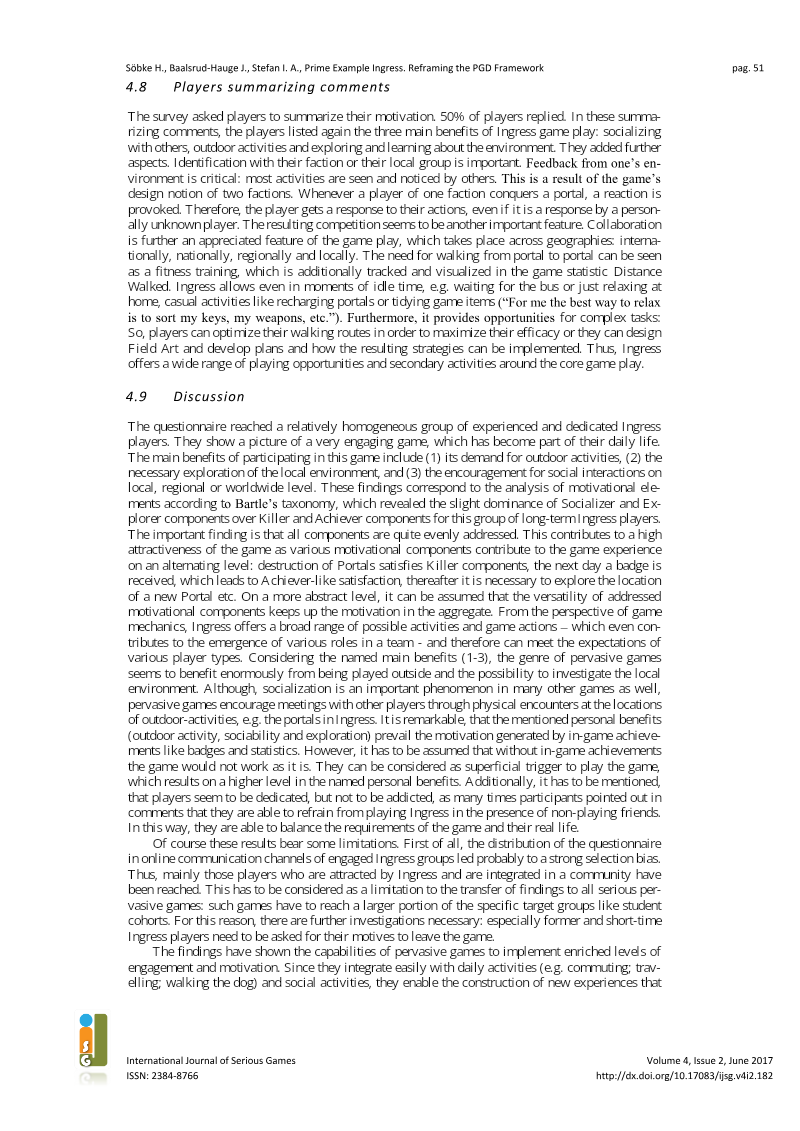
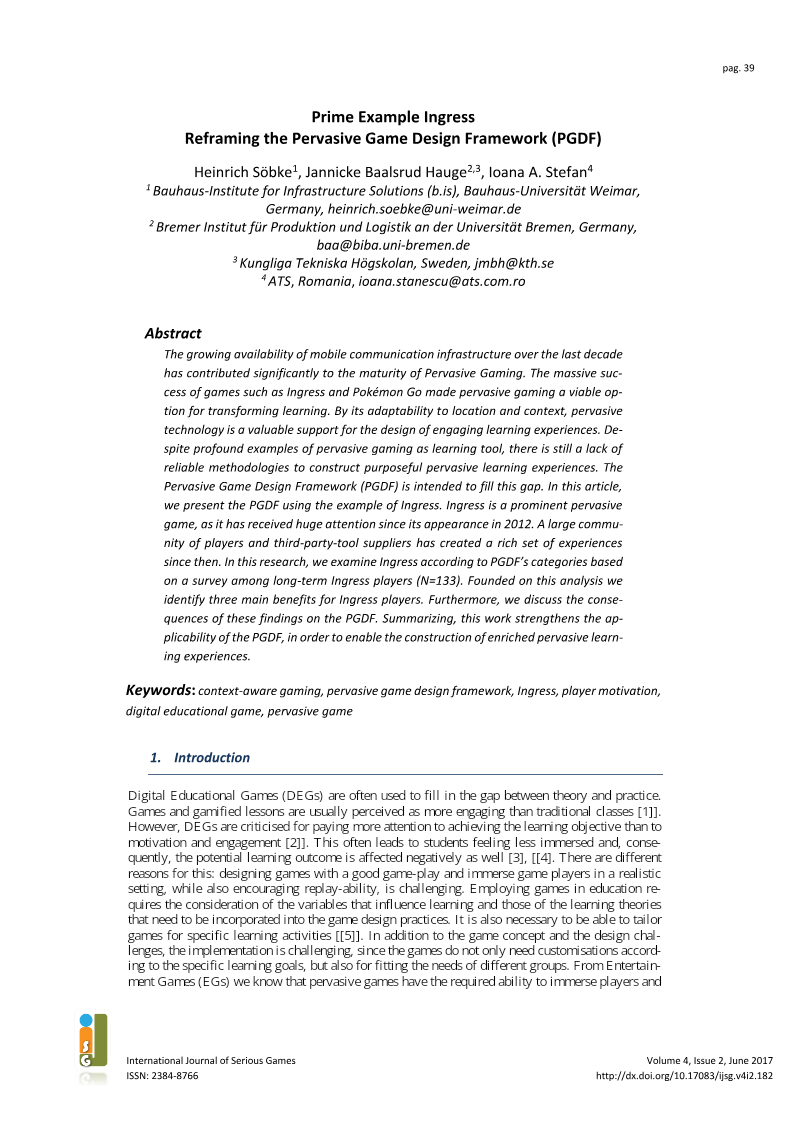
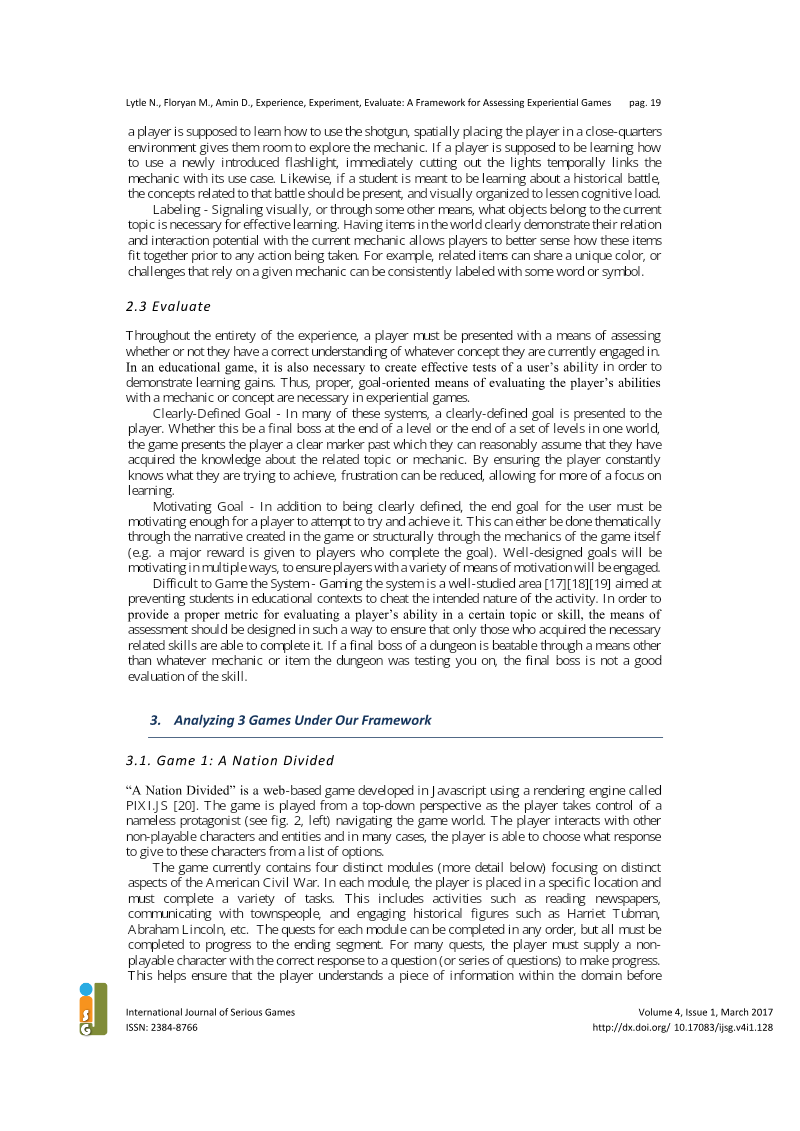
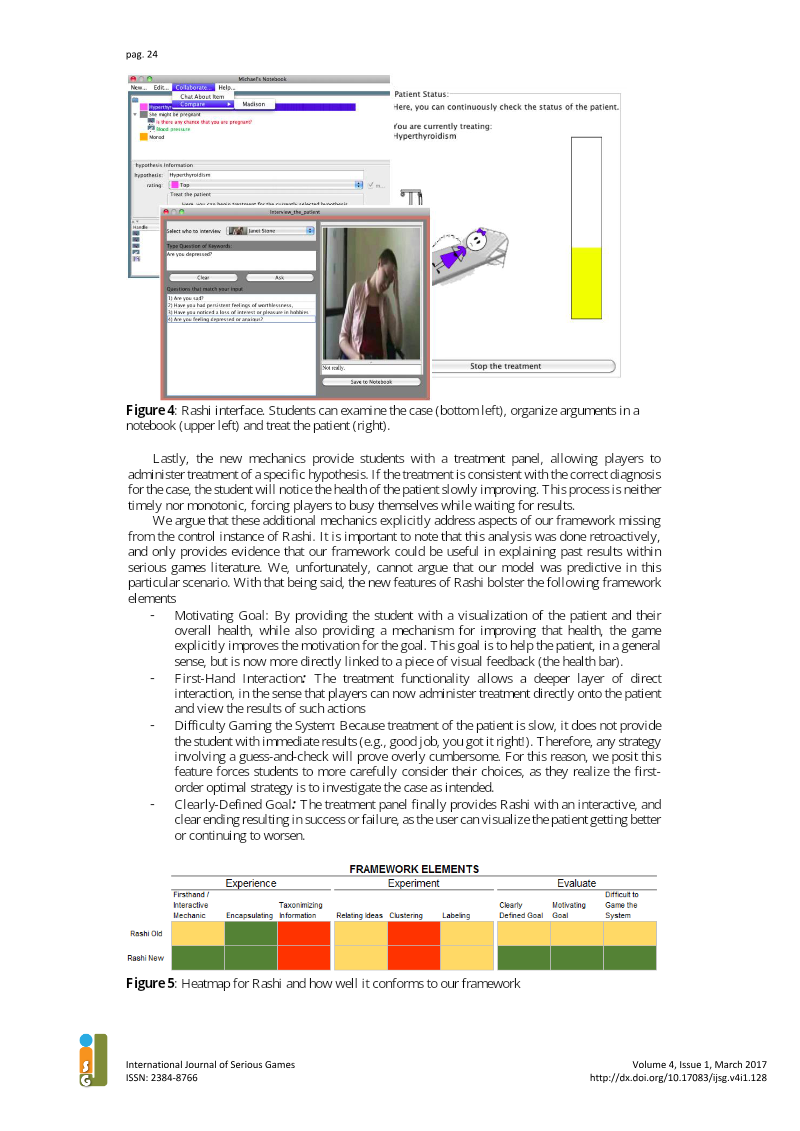
The Persuasive Game Design (PGD) method offers a structured yet adaptable framework for developing serious games intended to foster real-world behavioral or attitudinal change. By utilizing a cookbook metaphor, the methodology organizes the development lifecycle into four core phases: defining transfer effects, investigating user context, game design, and rigorous evaluation. This approach bridges the divide between abstract psychological theory and practical application, providing designers with a curated set of ingredients—such as mechanics and learning objectives—and utensils, including personas, storyboards, and rapid prototyping, to navigate the complexities of project-specific constraints.
Central to this methodology is the concept of the transfer effect, which mandates that designers clearly articulate the intended real-world outcome before development begins. Success relies on an iterative cycle of conceptualization and stakeholder engagement, ensuring that game mechanics remain aligned with the specific needs and motivations of the target audience. The framework emphasizes that effective design is not merely about engagement but about the measurable transition of skills or behaviors from the virtual environment to the user’s daily life.
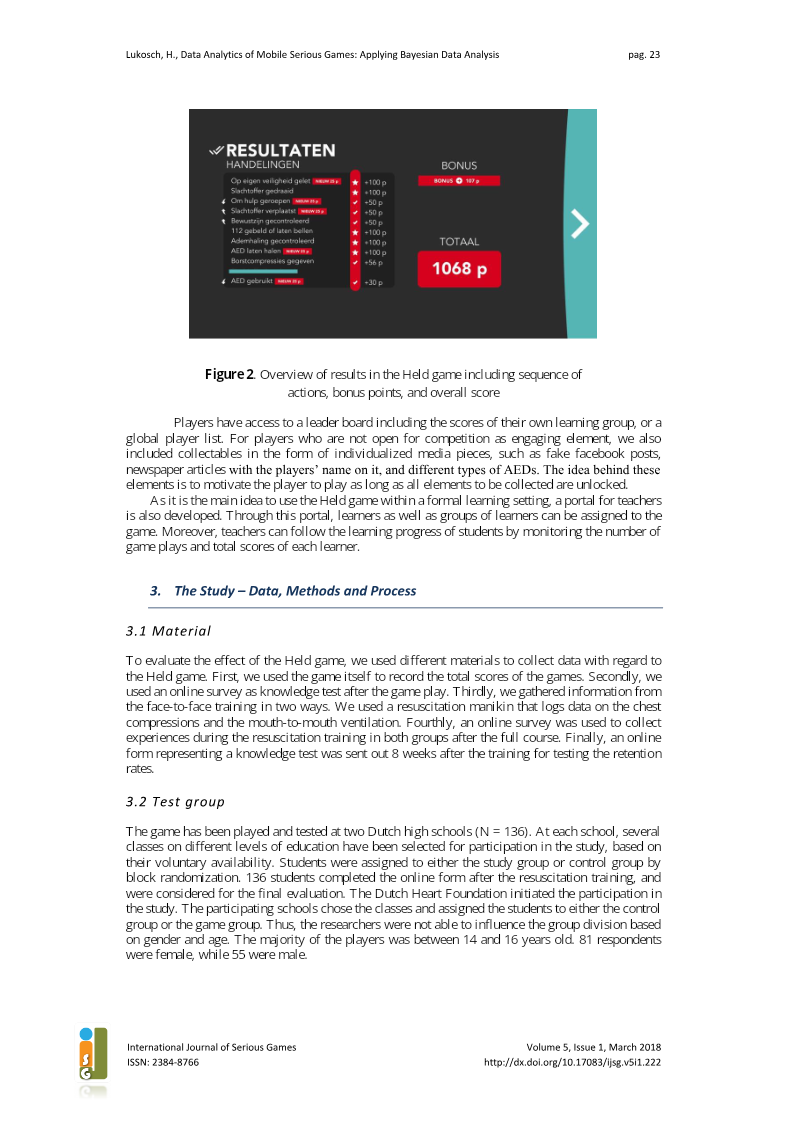
Validation of this approach is supported by both expert consensus and empirical case studies, such as the implementation of a healthcare-focused game for children with cystic fibrosis. These applications demonstrate that while high engagement is achievable through narrative and aesthetic design, achieving long-term behavioral proficiency often requires a combination of game-based learning and external support, such as parental guidance. Ultimately, the PGD method serves as a flexible, evidence-based toolkit that encourages practitioners to integrate rigorous evaluation—ranging from usability testing to randomized controlled trials—to ensure that persuasive games are both commercially viable and ethically sound in their pursuit of user behavior modification.