Key insights
6 slides
Initial critique
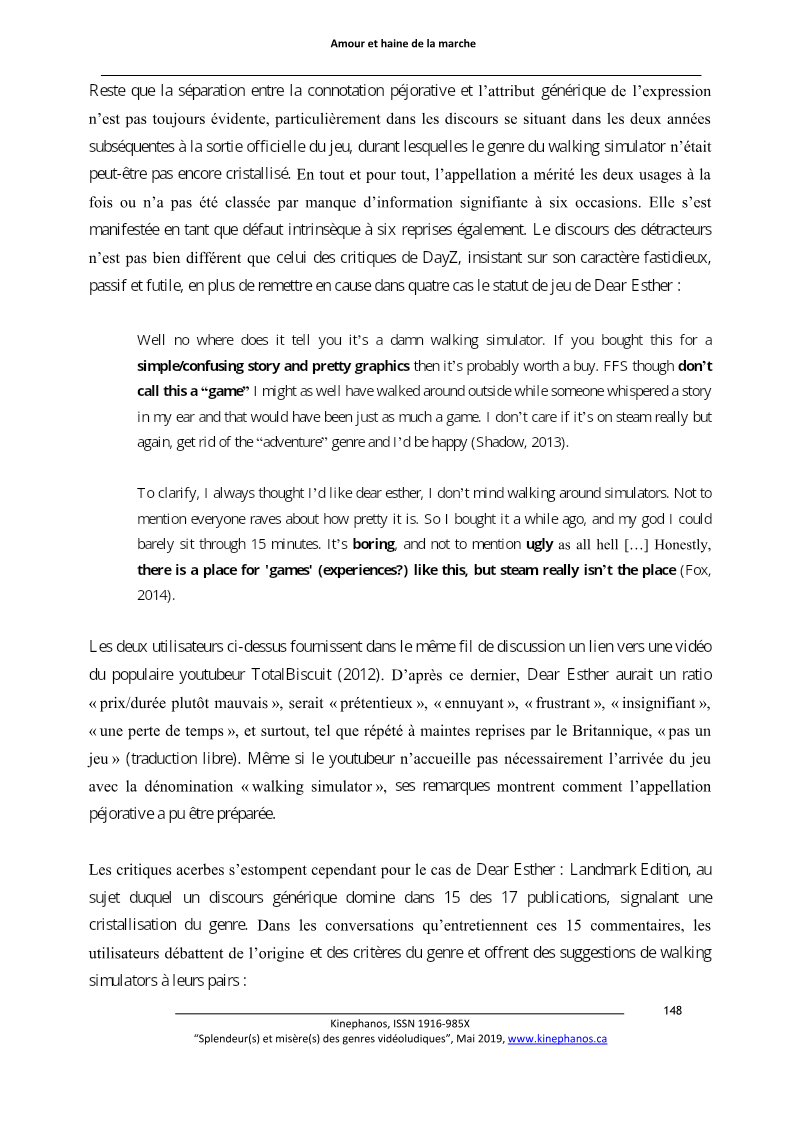
The term 'walking simulator' began as a pejorative critique after the 2012 release of Dear Esther.
Players and critics used the term to dismiss games that they perceived as lacking traditional mechanical depth.
1 / 6
- 01The term 'walking simulator' originated as a pejorative critique following the 2012 release of Dear Esther, used to dismiss games perceived as lacking traditional mechanical depth.See it on page 12
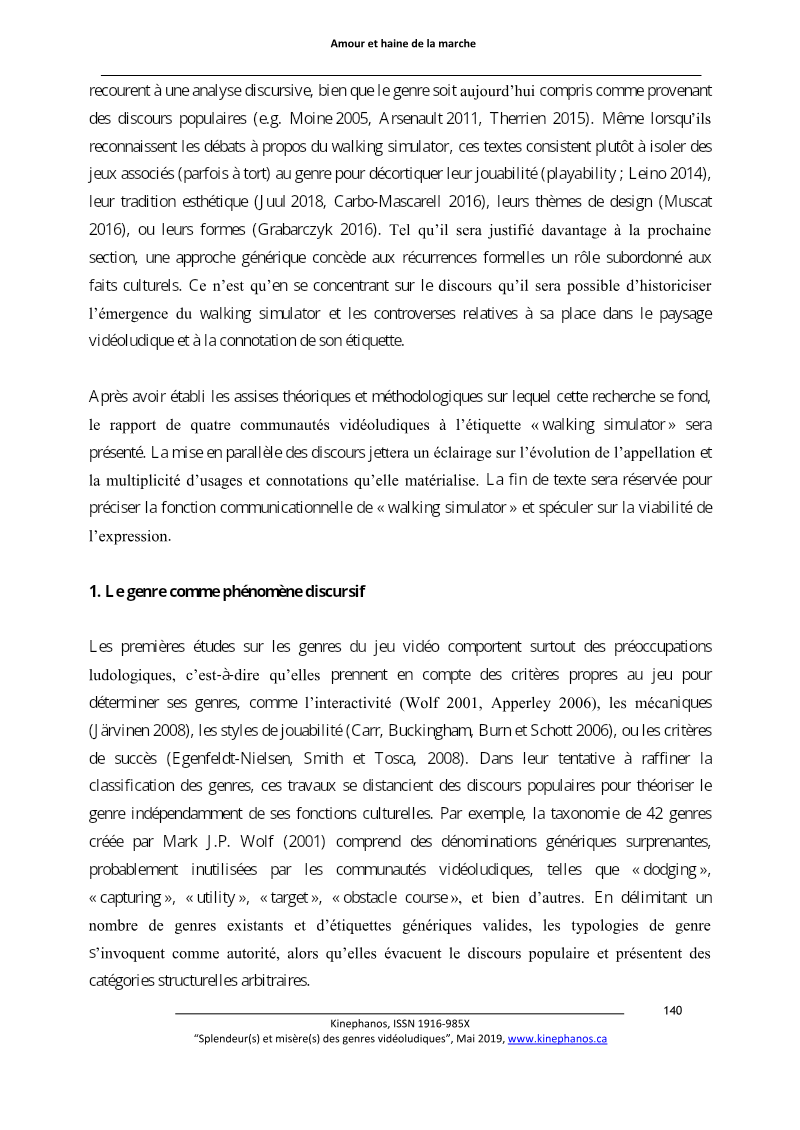
- 02The genre label has undergone discursive crystallization, successfully transitioning from a weaponized insult into a functional, neutral shorthand for narrative-driven, first-person exploration.See it on page 4
- 03Research based on 177 entries across gaming communities confirms that the term has become an entrenched generic category that is now impossible to discard from the video game lexicon.See it on page 26
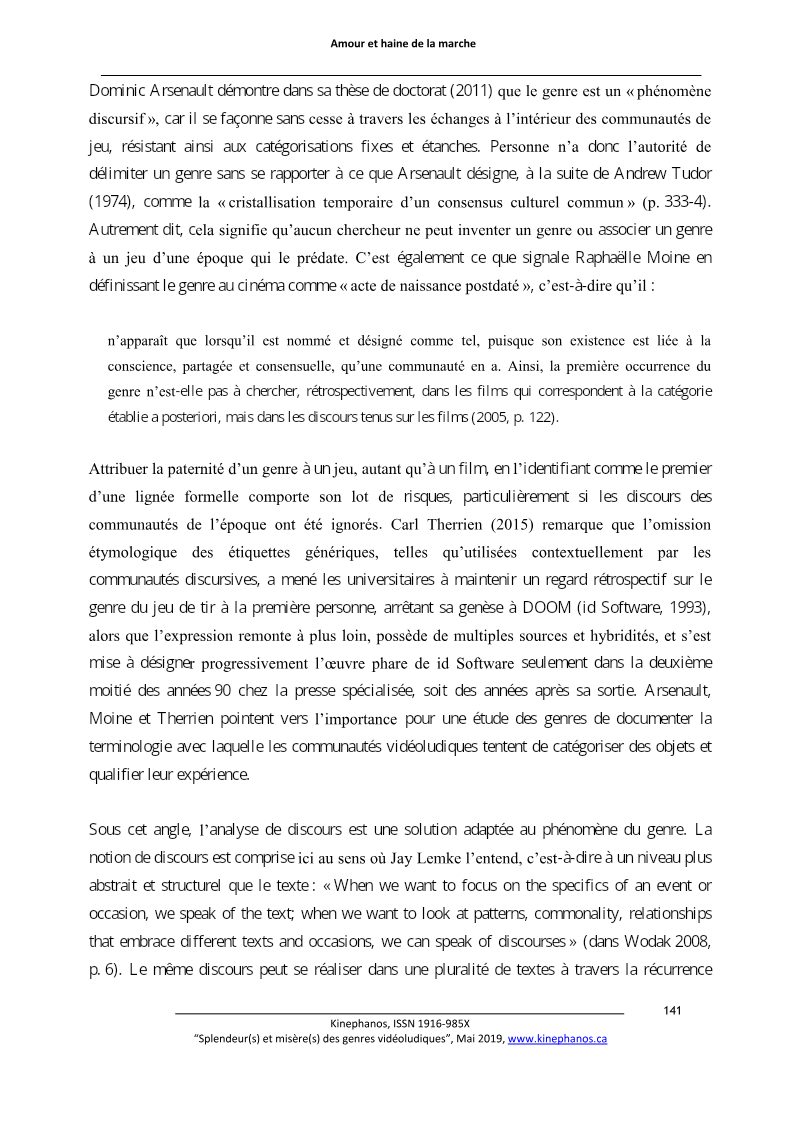
- 04Genre legitimacy is derived from sustained cultural usage and the establishment of a shared horizon of expectations rather than from fixed, formal mechanical requirements.See it on page 5
- 05Marketing departments frequently avoid the term to circumvent lingering negative connotations, even as developers and players increasingly adopt it as a standard classification.See it on page 19
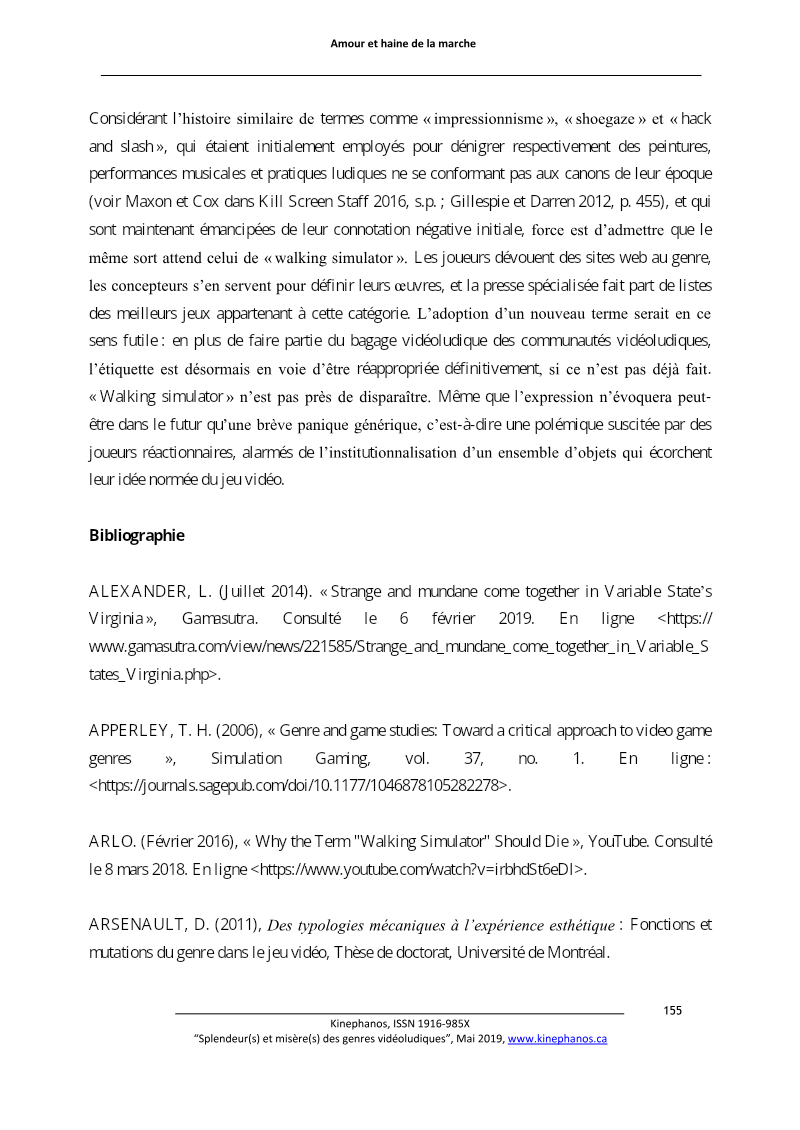
- 06The evolution of the walking simulator mirrors historical art movements like impressionism, where a term coined in derision is eventually reappropriated and normalized by its audience.See it on page 19
Ask AI about this report
Summary
The walking simulator represents a complex case study in how gaming terminology evolves from a derogatory label into a legitimate, albeit contested, genre descriptor. Emerging in the wake of the 2012 release of Dear Esther, the term initially functioned as a pejorative critique, used by players and critics to dismiss titles perceived as lacking traditional mechanical depth or meaningful interactivity. Over time, however, the label has undergone a process of discursive crystallization, shifting from a weaponized insult regarding pacing and content to a functional shorthand for narrative-driven, first-person exploration.
This evolution is evidenced by an analysis of 177 entries across diverse gaming communities, including developers, marketers, and players. While marketing departments often avoid the term to circumvent negative connotations, developers and players have increasingly adopted it as a neutral classification. The research demonstrates that the meaning of the term is not monolithic; rather, it is shaped by the specific intent and context of the speaker. Despite its origins as a critique of mechanical deficiency, the label has successfully established a shared horizon of expectations among its audience, cementing its place within the broader video game lexicon.
Ultimately, the walking simulator has achieved a status similar to historical art movements like impressionism, where a term coined in derision is eventually reappropriated and normalized. The persistence of the label suggests that it has become an entrenched generic category that is now impossible to discard. By examining the interplay between industry discourse and player reception, it becomes clear that the genre’s legitimacy is derived not from fixed formal mechanics, but from its sustained cultural usage and its ability to define a specific, recognizable style of interactive experience.