VideoDeconstructor of Fun
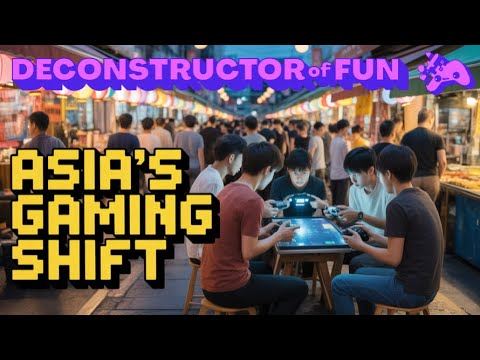
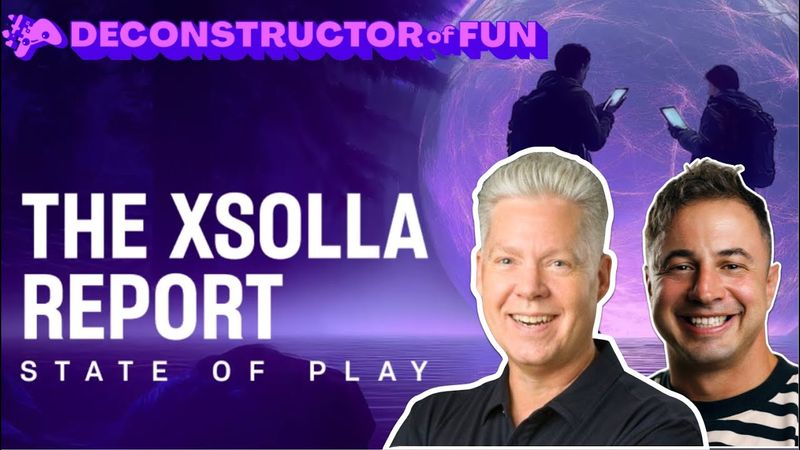
8 Trends That Will Redefine Gaming in Asia (and Beyond)
20 Oct 202576 min video
Transcript
[Music] I'm your host Mishkatkov and today two fantastic guests, one returning guest, one new guest. So Daniel Ahmed, returning guest, director of research and insights from Niko Partners. Daniel, welcome to the podcast again. And then we have Lisa Hansen, CEO and founder of Niko Partners. Lisa, welcome to the podcast for the first time. Well,
thank you very much. I'm a fan of your pod and I I listen to both Twe and your podcasts and I think it's always a lot of fun.
Hopefully there's a big difference between the one that is shit-talking and the other one that goes a little bit deeper.
Yeah. One's a little more Yeah, I I do I do notice the difference. One has a lot of swear words, Eric. Correct.
Yeah. Yeah. We we call it the blast radius. Uh but but let me well I'm a subscriber of your newsletter. So Nico Partners delivers the most detailed in-depth analysis and insights into Asia, Middle East, and North Africa
video games and esports market. I think nobody else does it. Um not at least as well as you do. So very insightful newsletter. I'm going to put a link into the description below so that everybody can sign up and and hear about these large and up andcoming markets, some of them. Great. Thank you. Yeah, you they can subscribe to us directly or via Substack, whatever they want to do.
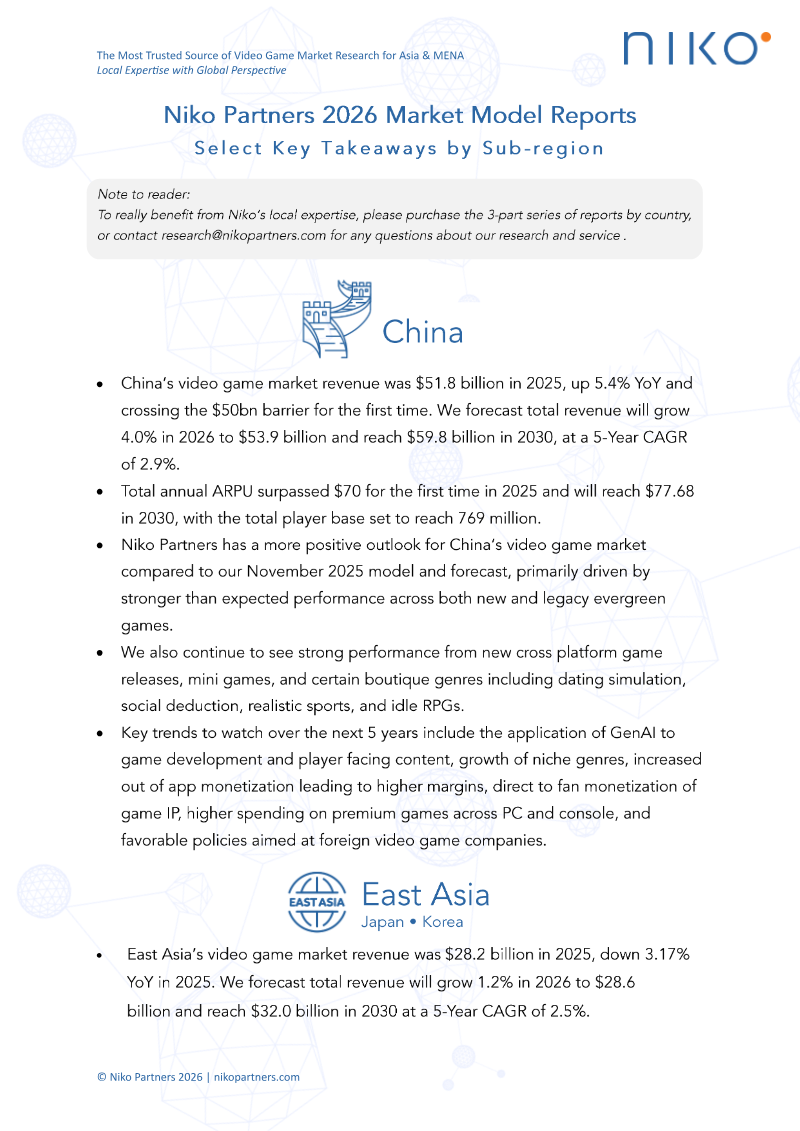
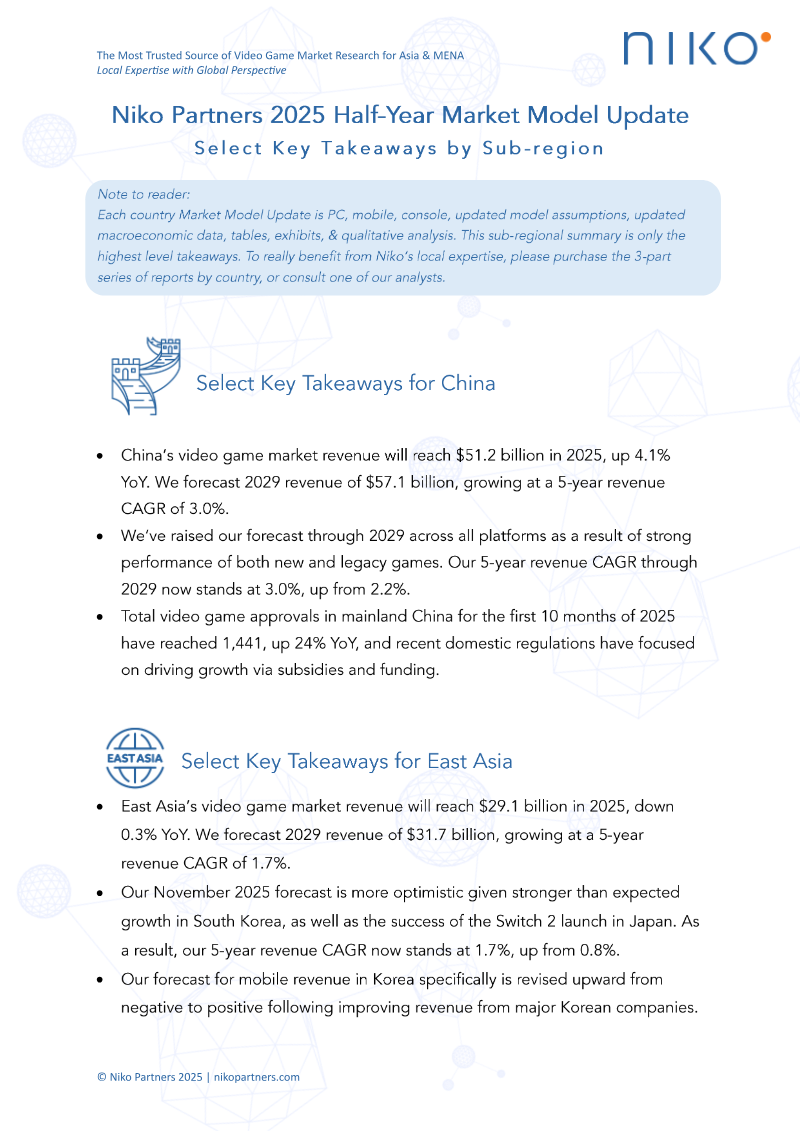
Beautiful. So, let's just write, you know, jump right into it and talk about China. So, that's the uh the big one and this is again from from your reports and from your newsletters. Uh we've what you've reported is China has been suddenly rolling out a lot of policies that support game and esports growth. And this comes after years of crackdown. And it was really difficult to publish any kind of games and and it was even difficult to play like they were putting like 3 days a week when the kids could play at certain times like it was you know authoritarian as as one could expect. Uh but what my question more is
like what are the deeper signals behind these sudden green lights and is this a new phase or another sort of a you can access the market if Tencent approves you? Well, I think I'll take a stab at this one and then let Daniel chime into it in a little bit. But in general, China hasn't really changed its stance that much. I believe that in terms of policy setting, the policies have been set for the entirety of the two decades that we've covered China to be something where they focus on preservation of local culture and local kind of norms and they don't want you know a lot of outside influence in the content that hasn't been vetted or approved. So the content curation process is something that's real that feeds directly into the ISBN licensing for games. Um on the other hand there are some they tr the
government al often tries to make sure they are you know supporting the development of the youth population in terms of limiting the exposure to games, gaming time and so forth. But even that has uh just kind of limited uh application in that they must be online games. If you're having an offline game, they're not going to be able to regulate how long you're playing on it and their workarounds and so forth. But overall there there was sort of a reset in China from the policy makers to make sure that things were policies and processes were streamlined fitting their goals making sure there was growth within the sector for the economy making sure there was like adequate control by the government and so forth. And when those were all in place over the last few years uh then things started to evolve.
So there is a new policy that you know maybe Daniel wants to dig into a little bit more but it has to do with classification of a foreign company with a domestic subsidiary developing a game locally in China that games would be treated if this happens in as a local game instead of as a foreign game which would actually be a really big help to some of these companies. So Daniel maybe you want to talk a little bit about that. I think the best way to kind of think about it is you had this period between 2016 and 2021 where there was a lot of clampdown on ISBN. So games having a license and then also youth regulations. So in terms of limiting the amount of hours that games under 18 could play and those are still there. They haven't gone anywhere. Um, what we're seeing more now, especially after the release of Wukong, for example, last year, is a bit more faith towards
video games as maybe a soft power play or a larger focus internally as well. And so this year alone, in the first half of the year, there's been 30 policies and regulations that have been announced by not just the national government, but primarily local governments. and they focused on anything from subsidies for new game uh development to again more subsidies for like um esports companies or or teams uh the creation of like industry tech tech clusters and stuff like that um and so it's more kind of building on the positivity that we saw even in in past years as well but I think just taking it up one notch the biggest thing and like Lisa mentioned is this new pilot policy in Shanghai. So what we traditionally see is there's two ways a game can be approved. One, it's a Chinese company.
They develop the game, they publish it, it goes through a domestic approval process. Second, uh there's an import approval process. And so that's for like EA, Activision, they create the game outside China, they want to go through a publisher to launch it there. And that process um takes a bit longer. It's a lot more limited in terms of the number of approvals every year. But what this policy in Shanghai will look to do is if you are a international game company, so for example, Ubisoft, you have a um development studio in Shanghai like Ubisoft does and you develop a game. Um you can go through then the domestic approval channel. um by having the Ubisoft Shanghai developer registered um as the lead developer essentially of the game and in theory that means faster approval times. It means you're not
subject to to the quotas um and ultimately though, you know, could lead to an increased supply of games uh from overseas developers because they do have quite a few studios in Shanghai from um international game companies that are based there. Now, this is a pilot program. it's only just come into effect. So there's still a number of unknowns and kind of larger questions. But I think the the overall takeaway here is there is this positive movement that we're seeing towards kind of more opening up and um we only kind of expect that to continue going forward.
Stay ahead of the competition with Sensor Tower, the trusted source for mobile marketing intelligence. Whether you're tracking trends, benchmarking performance, or scouting the next big hit, Sensor Tower delivers the data that drives strategy. Dominate the charts with Sensor Tower. [Music]
in my house. [Music] It's been [Music] [Music] com [Music]
house. S okay. [Music] time to market could potentially get lower and less riskier because previously at least on mobile side in order for you to get to the Chinese market you essentially had to have your Chinese publisher. So good luck giving your source code to a p to a Chinese company and then expecting them to pay you back. I'm sure there are companies that will do that, but I am also 100% knowledgeable of big companies getting screwed by these Chinese publisher who
simply just say actually we're not going to pay you. And um this essentially means that if a company like you well Ubisoft has office I believe in Sen or somewhere in Sichuan uh but they would set up basically now that they Yeah. Yes. True. uh that they would be able to circumvent this or publish faster. But if you open up a studio in China and then that studio publishes to the local market and now you have a chance of of doing that without giving the control to a third party publisher
to some extent there there are still requirements that allow say that they require um that Chinese entity to be there um especially in kind of the publishing role. Um but you know that being said there there are improvements in kind of you know law and um the legal kind of environment overall to the point where we've seen a lot more cases uh
whether it's like copyright infringement or you know other type of theft um play out in a way that does benefit um global game companies. So you know it's a slow process. It takes time. Um yeah, like I said, go back four years and there was a a lot more of the kind of clamp down and regulatory tightening. Um but we're definitely seeing signs that things are improving.
And then I think from our side um you know what's important to notice is the evolution of the Chinese developers themselves and the Chinese publishers. they are they've evolved to like full service entities and they are making some in some cases world-class games and and those world-class games and the services that go along with it are more in line with some of the like the international expectation and so these policies might be for the government's purposes but at the same time they might also be benefiting some of the domestic companies uh who would be working alongside some of the international
companies who have been there quite a long time. I mean, Ubisoft Shanghai was one of the original studios in China in, you know, way back to the year 2000 or earlier. And I think that was, you know, the basis essentially of having a Chinese development environment established because the Ubisoft and some other um companies had their studio set as insourcing for them their own selves. uh you know part of the development was done in China and that for international games but at a lower price point but then uh as time went on and those the staff at Ubisoft and other places decided hey wait a second I think I want to do more they went out and informed other kind of outsourced development firms such as Virtuoso or others and then from there um 10-centent games started acquiring studios and then from there you know you it just kind of grew and now It's the domestic revenue from
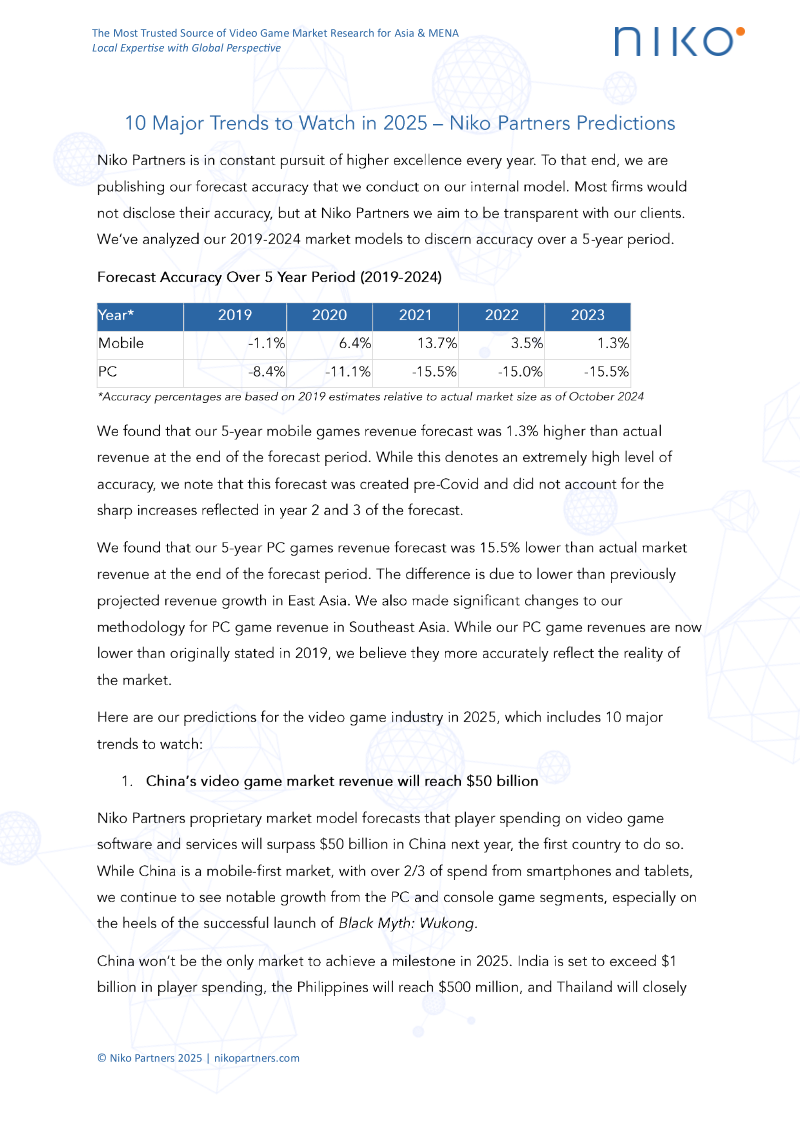
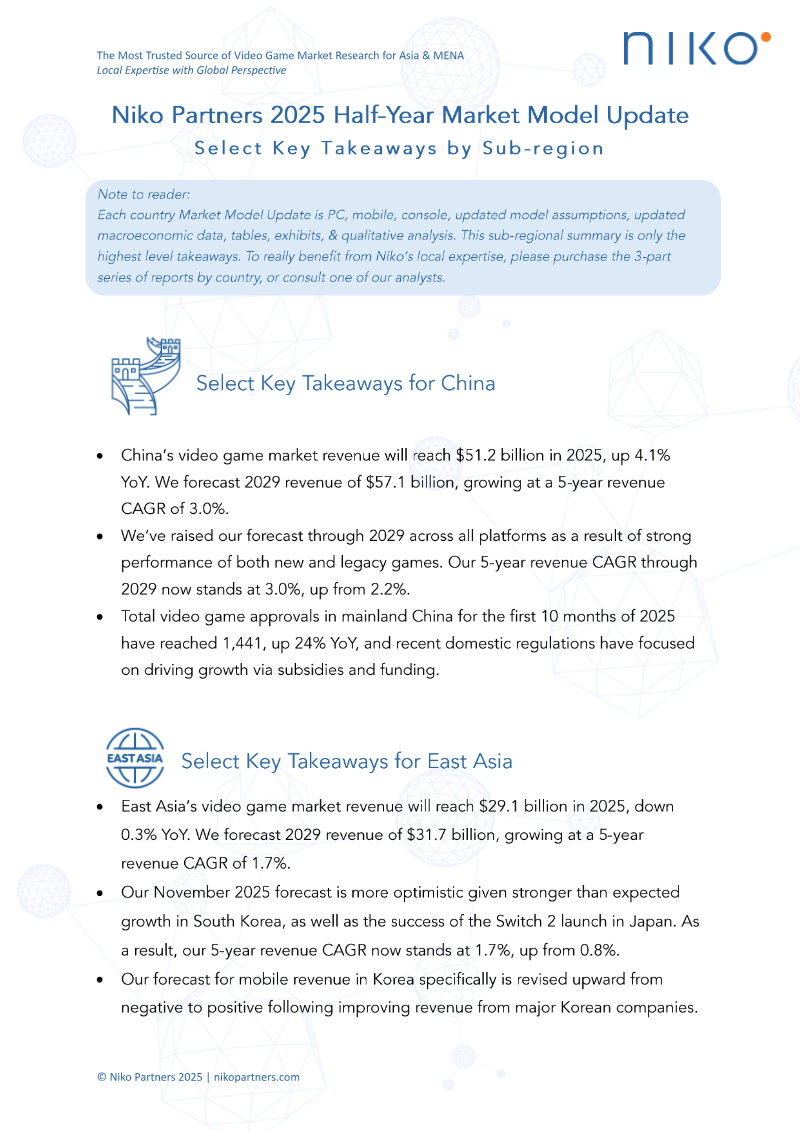
the use of games in China is $50 billion approaching $50 billion a year. And uh and you know all this comes from this like way back when time of having some insourced studios and people playing games, Korean games or other like pirated games. And uh it's it's just come a long way in the especially in the time that we're covering it. So we like to help people understand the context of the data you see or these trends you see or some you know clickbait kind of exciting headline. it. Um from what from our perspective, there's a lot of nuance and a lot of this information that goes way back should weave directly into a strategic initiative that's built on some of the exciting kind of newer points of policy evolution or highquality games or uh the export of games from China and all kinds of different aspects of the market. you
need to really understand how it all fits together and that's why we try to help with not only the data of the market size and the gamers and the insights and the you know all sorts of trends and analysis but really trying to make that make sense for companies who sit outside of China for the most part looking in so that they are aware of you know where they might fit their strategic initiative might fit within that market
kind of reversing back or thinking about this western companies have relocated to China and and Chinese developers have in many ways at least several of them have surpassed the western developers and are doing games that resonate really well with the western audience like Marvel Rivals or you name it mobile games that are on top of the charts and now it seems that like these policies are being um built in a way that they encourage more western developers to open up studios in China um to possibly get faster access to Chinese market but also
hire local talent and you know essentially train the local talent to be even better at game development and allowing them to possibly succeed even better in the western markets um kind of going through this type of a thinking do you encourage companies to explore this possibility or to observe
really depends on the you know tenacity of the company and their appetite for risk. There is risk, you know, well, there's risk everywhere, but there is particular risk in China, uh, for a variety of reasons. And I think if you ha if you are a company who's considering selling into the Chinese market, you may or may not want to have your own studio there just to help with hyperculturalization, to help with user acquisition, to help with monetization, to help with there are there are lots of different aspects of the game kind of production, distribution, publishing,
you know, support cycle uh that and especially with the Chinese firewall, you know, it's really helpful to the publishing be on that side because that's where it needs to be and I think it really depends on how large the company is you know what's their appetite for that and uh if they have already found success with uh partners they trust you know there's no real reason to rock the boat uh if this pilot program in Shanghai expands beyond Shanghai and becomes more than a pilot program and if it does actually lend itself to finding more games that would have been categorized as import titles on the domestic ISBN list that has more approvals and so forth and if those games happen to be by you know it's a lot of ifs. So I think it's a game of patience but also it's playing in China is the long game and I think those who have the appetite for that will have more success than those who don't ever try.
All right. Well, well put again I my favorite company I ever worked at was a Chinese company. Uh enjoy very much working with the Chinese but I also understand that um that as you said there are risks involved um moving into well arrival of China so India and what we've been seeing there according to your reports is nearly 750 million gamers will be in India by 2029. That's right about around the corner. So we've had previously here guests who were talking about Indian market and it is incredibly concentrated on on few companies that are actually making money there. That's how it felt. So my question to you is how close is India becoming a monetizable market? not maybe nearly at the level of Chinese market but you know at a at a point where it makes sense for western publishers to really invest into that market.
Yeah and that is the big question isn't it? I think in India the promise of those 750 million gamers is is enticing to all and finding something that a lot of them want to play and spend money in could lead to a a great deal of profitability. But right now the India market is kind of bifurcated into games as we would consider games which are included in Nikico partners market models. Um and then real money gaming and real money gaming is excluded from Niko partners market models because we believe that that is a distinctly different beast. And while right now you might some some estimates say that the real money gaming at RMG is worth three and a half times perhaps what traditional game is worth in China or sorry excuse me in India. uh uh but the the gap will close and these
policies are coming in at the state level in India and at the national level to make it more and more difficult to have RMG in place. And if you look at some cases in other countries in Asia such as like Indonesia, anything that has any sort of uh real money um extraction or anything like that is not considered to be legal or available. So any of the RMG category in India does run the risk of sort of sovereign wealth funds from other countries who frown on that type of thing not investing in India. And if there are kind of traditional game routes that are taken, we feel that those are the ones that will have the highest growth, but right now the population is quite used to this like RMG mentality. And so we're in this kind of middle ground. So how long will it take? It really depends on the
excellence of the game. You know, does it play into what they're interested in? Um does it play into how they game or like the price and availability the monetization option? Have you um geo fenced your game perhaps to make sure that your revenue is retained in India that comes back to you instead of going elsewhere? There are there are lots of considerations for these markets that are emerging in the games sense and I think that I can't tell you how many days, months, years it's going to take to monetize at the level of anywhere. I mean China is an exception worldwide I think but India is a very interesting and intriguing market due to the high number of highly interested gamers and the fact that they are spending in an increasing rate and once there are games that can kind of resonate with the way these gamers spend money and are again like hyperculturalized not just for the
content but for the approach to them. I think that there will be success for some of the developers and publishers who put a true strategy towards that and I bet Daniel who you know spends a lot of time thinking about India will have more to say than I had.
Yeah, I think ultimately one thing to bear in mind is India is still a very young market when it comes to gaming. It doesn't have that history of PC gaming that China had 20 years ago. It doesn't have the history of console gaming that you know the US had 30 40 years ago. Um it leaprogged straight into mobile games and uh it's still you know developing across the board. Um the majority of of spenders and this applies to any market but you know it is very much the kind of high income groups that are spending the over the overwhelming majority at the moment right now. Um but you know when we kind of zoom out a bit there's about 130 million people in India that do have
the capacity to spend on mobile games and have at least once in the past across mobile and RMG. So that's already a sizable cohort that's there. And then we're already starting to see another cohort of around 300 million um that have some increased spending power and is you know slowly starting to spend that money on on disc on discretionary items. Um I think when you look at mobile games right now in India a lot of it is very casual focused high downloads very low revenue or oru the games that do succeed are battle royale games that's about 50% of the market um which is interesting because um you know I mean battle royale isn't necessarily an India specific genre or kind of trend or theme by any means um but the fact has been able to do really well there with hyper
localization as well um is really impressive. But I think that also speaks to some of the untapped opportunities that we see in the market. You know when you look at for example cricket being the number one sport in India across the board by significant margin and then when you actually look at cricket games themselves they don't monetize to the same level as for example EA FC or EA football um or sorry Konami C football. So there's definitely this kind of untapped opportunity that that we see that, you know, if you're able to build the right game for that audience theoretically, right, there's no reason why I can't monetize to the same level or beyond football games right now. Um, and I think it just comes down to what's the right game, how do you build it, how do you reach the cohort that is spending, and more importantly, how do you get the cohort that is starting to spend um now into the market? But but ultimately, India is still the fastest growing
market we track. So, it is growing. There is growth there. Um, it's just a long-term approach, I think, still um before we really see it spend on the same level as as other markets. [Music] Web stores. You've seen what good looks like, but have you seen great? App charge is the direct to consumer platform backed by the likes of Supercell and built by monization pros from Moonactive, Platika, Huge Games, and others. People who know the difference. App charge powers over half a billion dollars in transaction a year for top studios. Optimizing every detail. deeply personalized web store offers, custommade design, industryleading monetization features, in-game payments SDK, and more. 70% of top grossing games already have a web store, but the one scaling fastest, they're doing it with Appcharge. Learn more at appcharge.com. This podcast is brought to you by Apps
Flyier. In today's digital world, understanding your app's journey from discovery to download is more than just insightful. It's essential. Enter Apps Flyier, the leader in mobile attribution and marketing analytics that allows you to measure the full potential of your marketing efforts, making every ad dollar work smarter. With Apps Flyier, that's your new reality. Dive deep into datadriven insights that reveal exactly where your users come from and how they interact with your app. apps where your app's potential meets performance [Music] and probably the good part about it is it's much more accessible market than the key Asian markets be China, Korea or Japan.
Um and of course as you mentioned hyper localization yeah I would assume that you have to establish your Indian operations in order to tap into such a significant market. um culturalizing your games uh using the proper payment and moni uh and marketing channels to
connect with this audience as it's very different. My question is more about though have any of the western developers had success in the Indian market that could be sort of not maybe in benchmarks but at least showing that there's potential for western publishers to succeed there. Daniel, I think you can probably get into more of the which games have been really successful. I mean, the ones that come to mind for me are coming from Korea. Uh, but I think there and also from Southeast Asia like Garina and so forth. Um, and in from any kind of US or European developers there certainly are some, but Daniel, do you want to give some examples?
It depends, right? There are some that have done really well like in in the kind of I I don't want to say casual, but like Coin Master is one that comes to mind. Um, Candy Crushes does really well on mobile as well. Um and then within the kind of the the core
genres you can look at for example again I don't know if it's western but you know royal match um in terms of um that Clash of Clans which is similar trying to think of of a couple of others but um
those are great examples I mean that that just shows that they have you know appetite for exactly the same type of games as we play and of course they don't have appetite for Chinese games that are banned from the market if I'm understanding correctly.
Well, it depends. Um there's definitely some games that have been banned. Um but if we look at for example PUBG mobile which was b banned and then freef fire um they've come back into the market through you know the local publishers and well in terms of like crafting and and gina um so the non-Chinese kind of side not um and even today that there's there's still some games like you know Last War Survival and I'm sure you're
aware of how popular it is globally um also a Chinese game but it hasn't been banned. So, it's actually available in India. Um, and I think that is worth noting that there is strong competition from uh Chinese games overall. And um despite that though, yeah, like you mentioned, there is room for I think games that are successful globally. Um and within those games though the ones that we see really succeed have played a kind of you know have have localized to some extent whether it's multiple Indian languages um given there are multiple across the country that are that are spoken um or in-game content that's usually tied to uh holidays or or sort of certain special dates. Yeah, I think you know overall companies turn to us not just for the Nikico News which is that free newsletter but uh for
our market models and our forecasts and the in like the why behind the what of the data regarding the local insights of how gamers interact with games where the demand is, how they will pay and what they're interested in. And we get a lot of inquiries and do a lot of custom research projects and consulting work on how to hyper culturalize in certain markets where perhaps a global game company has said why am I underindexing with this hot title in Korea or how am I going to make this title successful in India and we go in and we do a lot of work on if it's focus groups if it's player testing if it's just analysis of that game against you know a comparable set of competitive titles and then we look to see who has really recognized both you know the geopolitical issues the the local policies the local demands of gamers the availability monetization so particularly like out of app monetization or uh any kind of option
for the gamers who might not have credit cards might not want to pay in a certain way might have lower income to spend you know who has really done the work and we help like who as in which titles and we help a see how they fit into that competitive set. What is the landscape for them? How what actions what specific actions can they take to make their game then at least get to parody perhaps overindex in these certain markets that they put the time and effort in to localize or hyper culturalize and so forth. It's more than just, you know, putting an outfit on an avatar. It's it's really are you promoting certain discounts at a level that gamers there um are fascinated by on certain holidays that they typically would buy on? Are there things that you should be doing that you just as a company from outside of any of these countries say, "Oh, my game's great. Everyone's going to play it. I'll just not change anything." or
are you really doing the work to understand the nuance difference between India, Indonesia, you know, Korea? It's like you'd be surprised how many people just say, "Oh, it's Asia. We'll just go." You know, it it doesn't work that way.
Yeah. 100% 100%. And it's a and as you said, it's it's almost like the local publishing versus the sort of um you know, it we're launching this in China, so let's put couple of pondas and and some bamboo trees and it'll be it'll fly just perfectly. like it's not the uh the look, it's more about
being relevant on the right times and through the right channels and through the right influencers and the uh yeah
the uh event content and and marketing.
He's making the gamers feel like you actually care how they want to engage with the game. We are actually caring to make them feel like that they are heard for the way they want to spend the money, how much money they have to spend, you know, what interests them, what really makes them mad, you know,
and who they want to pay attention to, what streaming platforms do they watch. Like you you really need to be aware and if you're not doing the work, they'll know and they will punish you for that. They won't play your game.
Yep. um moving westwards from India and talking about Mina. Uh so part of your report said that women now make 37% of Mina three uh match three players base. Um
no sorry that women make 37% of Mina player base and the question kind of there is like what type of games and genres are driving this type of a shift and and what's what's what's popular among the the female players in the Mina region? you know when you look at um kind of the growth in in female gamers we've seen um and this applies to India as well you know go back to 2021 India was I think at 12% Mina um a bit higher than that now they're both creeping up towards you know 40% um of
the sort of player base so um I think what's interesting as well is that there isn't necessarily oh do this one thing and and you'll be able to reach, you know, women gamers locally. Um, we are seeing that there are actually, you know, fairly equal gender splits in proportionately speaking. Um, across core core titles, right? Um, both on on PC and and and mobile. Um, I think one thing about Asian Men in general is that gaming is extremely social in in these regions. Um, and games that do have, for example, cooperative elements or competitive elements or that allow people to play together, um, are the ones that are doing kind of the best when it comes to targeting, um, men and women. Um, you can look at, for example, niche genres like dating simulators, which have done really, really well in
Asia, uh, among women. Um these are games where you know you'll um essentially form a relationship in game with uh a man or or other um you know companions in the game and sure like 90% female player base um and that's a niche that uh you could certainly target as a developer but I think you know if you zoom out and you look at kind of the broader trends um esports viewership for example in China if you look at honor of kings over 50% of the viewers there are are women of that esports tournament um like inerson tournaments like where they actually go to the event and and sit down um and and watch it live and so um I think it's it's more about creating a game that that appeals to uh both both men and women and and actually takes the time to respect players and and offer them um unique experience like I said that is kind of social and and tailored
around that either competitive or co-op aspect. Um, and if you can do that successfully, then there's no reason why this cohort of women that are now entering the game space in in India and men like I mentioned um won't stop playing those games. Lots of lots of uh we we've done lots of studies on this and our surveys always ask you know we don't we don't have any quota for male female in the surveys and we'll see how many you know males are playing certain games females are playing certain games and even a long time ago well several years ago we did our own kind of segmentation analysis with gamers and we found not this was not done in Mana but it's the same holds true that In Southeast Asia at the time, uh we dived this terminology called the four C's because what motivated gamers to play games was competition, community, um completion, and challenge. And those are all starting with C. So
conveniently, we called that the four C's. And it was irregardless if you're male or you're female. And for the females, what we found is that social element is really important. And they want they're so proud to post their scores and they want to compare with their friends. But with another part is they're they're much more females are much more inclined to play like a session game that can end so they can like finish that game that session and then compare their scores to someone else or sit down at the lunch table and play the game together or whatever the case may be. And um sure there are developers like Paper Games who develops games that are very popular among females. Um, and that might be true in certain parts of Asia where those games are kind of more available in the Middle East that you know, we have to be cognizant of a certain cultural um, reality and there you want to make sure you're not offending and there are lots of players in our surveys who say they
won't play games that are offensive to the culture. You know, it just won't happen. And so you I think women are often, you know, more cognizant of that. And in the Middle East, I think it's pretty balanced. Everybody's cognizant of that. But if you have a game that's not offensive and has these elements that gamers want to play, um the females are just as likely in in the Middle East to play them, where will they play them? Will they play them in a room with men? No, they are going to play them on their own. So, you need to make sure also that um the community building allows them to build with the community that they want to be with and that fits right into their cultural framework.
Uh well, talking about, you know, non how do you put it? Non-offensive games. Well, I believe that GTA 5 was approved for Mina market. That feels like, you know,
surprise to all. We saw that news. were like, "Whoa, what just happened?"
Yeah. So,
that was a big groundbreaker. I think Daniel was the most excited about everybody for that. So, I'm sure he can answer your questions on this topic.
Is this a a signal of a trend that that these type of, you know, mature content games are getting green lit? So, will in the future similar type of games be green lit as well for for the uh Mina market? Yeah, it's an interesting question because um you know, we've seen the Middle East undergo this massive transformation over the past decade and there's still a lot of work to do, but um seeing a game like GTA 5 be approved with no major modifications at all, I think, was a surprise to the to the entire industry. you know, we've seen some that that things have opened up um starting in 2016 when um the local regulators first introduced age rating systems that were different from Peggy and the ESRB. And so that um was sort of the first
sign. Then we saw games like God of War, which traditionally would not be approved because of the um religious blasphemous aspect in terms of the God in God of War. um they uh were able to approve it, but it took a number of months and some modification changes. And so we thought, okay, well, that's probably where they'll go. And you know, that's the line. If you make changes like with God of War, you can pass. If you don't make changes like with Final Fantasy 15 or 16, I forget which one. Um then no, you can't pass. And that game was not approved locally. Um now with GTA V we have this 21 plus age rating which is being introduced for the first time in Saudi Arabia and um GTA V is the first game to be approved under that and yeah no clear no no modifications to it. It's pretty much the same as what you buy in the US. Um and ultimately, you
know, this is um the continued shift that we see in the region towards some of that dilization. So, um for us, you know, we see this as as paving the path for GTA 6 to launch day one in in MENA with no modifications under that 21 um age rating. And so I I think one of the things to bear in mind as well is that that system and kind of regulatory approval only applies to physical uh and digital kind of console and PC games. Doesn't apply to mobile just yet. Not to say that won't happen in the future, but at least as of right now, you if you have a mobile game, there's limited restrictions. So there isn't many restrictions at all in terms of what you can do. However, like Lisa mentioned, um we look at our recent survey we did earlier this year, over 50% of gamers in the region um would consider, you know, to stop playing a game um if they deem it to be
offensive um across religious or cultural lines. So even with this kind of opening up that we're seeing, there's still this adherence to religious values and it's kind of the second most important factor um that gamers in the region rank when it comes to playing a new game. So we've seen some controversies in the past where for example pages of the Quran were which is a holy book for Muslims um was kind of on the floor and kind of disrespectfully thrown around in a Call of Duty game. There's a massive backlash to that. And so, you know, again, if something like that was to happen in a new game where there's very obvious kind of disrespect to the religious or cultural kind of faith um there, you can't really come back from that without significant apologies and you know, a certain amount of time. Um but, you know, if you're publishing a game that has adult content
that isn't necessarily offensive, um we're seeing that that is becoming a lot more accepted overall. Guessing where your users come from? That's so 2010. Appsfly is like having a cheat code for mobile marketing. Pinpoint attribution, real-time insights, and analytics that actually make sense. Stop flying blind and start flying smart. Appsflyer because your data is your best co-op partner. In the game of growth, everyone is looking for that power up. Vibes is exactly that. It's built by industry people, so they actually get the challenges you're dealing with. As a result, they become the fastest growing gamified rewards platform out there. And the results are kind of nuts. With their AI powered targeting, you're not just buying installs, you're bringing in the right players. And now they've got this new rorowass optimization engine, so
your campaigns basically level up automatically. Vibes is built different. It's designed for growth and I guess you could say it's powered by good vibes. Check out their doof exclusive case studies by following the link in the description and go to vbs.co. That's vybs.co. CEO. Share your email and join the wait list.
Game devs, here at Heroic Labs, we know that great gameplay is what players love. But integrating metagame features like challenges, progression, and rewards is crucial for retention and monetization. But coding them is a tedious and timeconuming process. That's why top studios have turned to Hero from Heroic Clabs. Hero provides a complete suite of battle tested metagame features that are quick to implement, letting you spend more time on the core gameplay experience. Ready to ship fully featured
engaging games? Check out Hero today at heroiclabs.com. [Music]
Understood. So, apart from being intentionally offensive, as you would put it, um or you could almost put it, then then things work pretty well. like you can just make mass uh market entertainment and I I don't know having haven't been to you know countries like UAE they they seem quite free and in many ways more progressive in certain terms uh than than more conservative European countries. Uh so
yeah, some of that's surprising when you land on the ground there in like Dubai, you look around say, "Wait, what?" And and if you go to Abu Dhabi, slightly more conservative, go to Saudi Arabia, it's quite a bit more conservative. So that it really kind of depends where the the center will be. And uh where the focus of the game like the
user acquisition is and what kind of uh again what kind of studying has the game developer done to recognize what will be accepted and not accepted in a certain country.
Yeah. But but I think Daniel made good examples of you know what's clearly offensive and even though the same thing wouldn't be probably offensive in a western country um because we're not so religious. So that that's the uh that's the difference. So you might not consider it offensive but it is like religion is is quite quite important still in the uh in the lives of um of many Mina countries. Um, but moving on to I actually wanted to go back to China, uh, and tie it into Steam. So, something that we've been talking a lot about on the podcast is how many games, Steam games are doing really well with with Chinese audience. And technically, those games should be banned from from,
you know, Chinese players, but they are of course circumventing this with VPNs and and accessing those those titles. And the question kind of there is how sustainable is this approach? Like is there a risk of a of a crackdown? Uh and is that risk too big to be ignored or should we just still keep on publishing on Steam and enjoying you know the uh the Chinese audience spending on those games? I mean, in my opinion, we've been sort of anticipating that someday that Steam International platform will be inaccessible in China, but today you don't even need a VPN to get on it. And you could use uh you need a VPN to play some of the games that you purchase there, but not and if you you know, for your own reasons, if you want to play over a VPN, but to get on Steam itself, you don't need one. Um, what we've noticed is that games that would never be granted ISBNs because they like
directly fly in the face of what the content rules are for China, they're not on Steam International in China. They're uh, you know, they just that's not they they wouldn't be there because they um the gamers like they would be taken down if they ever do try to get an ISBN. It would be a big problem. So what we find is that there are a lot of games that might qualify for an ISBN but just haven't gone through the process yet or there are a lot of indie games and there are an equal amount of indie Chinese games that are there using this as a vehicle to get out to the audience. Uh there is a Steam China but it doesn't really function the way that Steam International does. And most of the games in on Steam International that appeal to the Chinese gamers have the payment, you know, ability for the Chinese players. They have the language. They have, you know, it's just as though
they are supposed to be there. But, uh, the games themselves have not been banned and might not be banned. It's the platform that is not supposed to be accessible, but it is accessible and it has been for quite a long time. What are those games that would be outright banned in China or or wouldn't be able to to to get through on Steam?
So, it it it depends, right? Usually, the game will release on Steam and then um Chinese regulators may request for it to be taken down. You know, it's rare to see it happen, but it does happen. So games like Devotion for example which were seen as anti-government um were removed from Steam International but for the most part um you know there's there's no real kind of well then we we face that for the most part you know there there isn't um hundreds and hundreds of games being removed. It's more selective. Um in fact one
example I can give you is Rainbow Six Siege from Ubisoft.
Really? So, um the game um was, you know, kind of going through Tencent and Tencent was going to publish it and they tried to get approval for it, but um it was deemed just to be, you know, too violent or too adult or kind of too, you know, whatever, right? I can't give you the exact reason they don't disclose it, but there was something that they just didn't like. Um maybe it was the story line or something. And so that game was actually banned in terms of it was listed as this is a banned game. Wasn't available on Steam. You couldn't stream it on like game live streaming platforms. Um and so you can obviously buy it under the counter or you know play it yourself or whatever, but um it just wasn't publicly promoted. What we've seen actually now last year is that Tencent and Ubisoft were able to um
work it out in terms of changing the game slightly. Again, I don't know the the exact specifics because the game won't officially release until next year in China. But what they did end up having done was removing that ban. So
now you can actually stream Rainbow Six Siege in China. And that's something that, you know, maybe it happens sometimes, but it was very rare. But now we're seeing again, like we mentioned at the top of the podcast, that there is some loosening and kind of, you know, less strict regulatory kind of action uh overall even though the underlying kind of framework is still in place. So, it's interesting that um even some of these games that have been banned are now starting to be approved, albeit with content changes or modifications um that we see.
Interesting.
Yeah, I think you know there are some titles that that do really well when they're on Steam and then eventually
they get their ISBN anyway. Uh, but I think when we're talking about streaming, I think Daniel might want to dig in a little bit more to this. We have what's called the China Games and Streaming Tracker. We track
um, streaming on the open APIs of three of the biggest game streaming platforms in China. And we see games rise and fall in popularity based on six different metrics that we track. And I think that when we see you, you know, the leaders are are typically games played in esports, but there are other titles as well. And you could see games like that are intriguing to the Chinese gamers really pop up in the streaming tracker. And we use that all the time internally um for being able to see the sentiment or the demand or what's exciting and you know interesting to Chinese gamers. We saw that with Blackmouth Wukong. We've seen that with, you know, several titles, but again, the streams of the games that would not be approved are
also banned. And so when when you see a streamer like a a game when you're searching for streams of a game that would not be approved, they won't be there. But if anything changes, then all of a sudden you're allowed to be streaming that game. So Daniel, perhaps you can give some examples of even that.
Yeah. And just to clarify, you know, the games that are not approved um aren't automatically banned. They have to be specifically banned by the government in order to be removed from e-commerce or streaming platforms. So, for example, any game that's launching today, um you'll likely see it on streaming platforms in China. Um it's, for example, like um Power World last year did really well in China as unlicensed game. wasn't approved at all, but it was really popular on streaming platforms. Apex Legends from EA is actually one of the top unlicensed games um in China right now. Um again, not officially approved,
but if you go on the streaming platforms, you can see people playing it and streaming it.
Even PUBG, right?
Right. Yeah. PUBG obviously being the OG example of the kind of most popular PC game for a while, not having a license at all, but still really really popular in China. Um, and these platforms kind of operate in a black box unlike Twitch and YouTube. It's really easy to kind of see, okay, how many viewers does does this game have? Um, so, you know, we build our own kind of algorithm to estimate total viewers. we kind of dig into into the data a lot deeper and kind of draw out insights that you can't necessarily get from just logging to the website or trying to track the data yourself. So, um it's really interesting because a lot of our clients will use it for their research in China in order to understand, you know, should we launch this type of game? What are the top genres that are performing really well?
How are our competitors benchmarking? um you know are there any in any any influencers we should target etc stuff like that. I think what's really interesting is we did a study of kind of what are the top games on our streaming tracker right now that are international games. So not Chinese. Um
that maybe you don't have a license but they do have a license.
And we found stuff like Age of Empires, Rust, Monster Hunter, you know these type of games, right? And what's interesting is that after he published that analysis, uh, Capcom said, "Hey, we're working with Tencent to release a Monster Hunter mobile game." And then Age of Empires were like, "Hey, we're doing an Age of Empires mobile game for China specifically." And then Rust is now working on their own mobile game again, specifically for China. And I think it's interesting that we saw these games are really popular in China, published our research, and all of a sudden, and I'm
sure it's not related, but um all of a sudden there
it is.
Yeah,
sure. Fair enough. But um but all of a sudden those games are like, "Hey, you know, this game is really popular. We're now doing a mobile version specifically for the China market."
That's super interesting. So there's clear um signal for studios that that that can be leveraged for
you know product market fit or UA decisions basically.
Yeah. And and I think it's worth noting as well that even games that don't you know that are standalone they don't have a mobile version or unique version for the China market
um can still market and succeed in in China uh without license. Sure it's you know like Lisa said Steam could shut down any time. Um there's always that risk that you that you run. Um but like Death Stranding 2 for example, Hideio Khojima was on stage at Billy Billy World, one of the kind of largest gaming related exhibitions in in China saying, "Hey, we're bringing our games to China.
It has simplified Chinese text. It has Chinese voice over. Um it's not licensed, but you can buy it for PS5. um when it comes down to Steam, you can buy on Steam because ultimately um like Lisa mentioned, unless your game is really flaunting the kind of content rules or or regulatory rules, um that's when it's under risk of a ban that you know it entirely. part for the most part whether you're an indie or large AAA developer if you're launching new game on Steam and as you're aware players they will access it they'll play it and especially if you cater to them with like we just mentioned um
localization and and other features
well well that that was that's super interesting um talking about another market so Southeast Asia so that is uh
you know population-wise quite significant of a market and what's really interesting about that market in particular is according to your data a third of the mobile games revenue in Southeast Asia is generated outside Google Play and App Store. So kind of the question here is is like what's the uh playbook for monetization in Southeast Asia? Yeah, I think uh I can take a stab at part of this at least uh if you're looking at what is the impetus for out of app monetization at all, it it's basically socioeconomic, right? the the players might not have credit cards or the ability to access. They probably, you know, we're talking about Android because if you have an iPhone, you're within that ecosystem. But if you're if you're dealing with a a lower-end phone, if you there are lots of reasons why you might not kind of go through the Google Play Store, but if you have uh the
ability to acquire a game through a third party and it's becomes cheaper um and it's uh more available and they most most importantly they take all kinds of payment methods that are available at the local level then that makes it easier for the gamer to engage with the game. So that is kind of where this all started. Uh that they wanted to have access via the payments that they use locally to be able to have access to the games and and pay as little as possible for the same level of service as with you know as if they had done it through Google Play. So now uh with the lawsuits and you know all the different policies around the world that are impacting these kind of um you know gateways I suppose they it's opened up this opportunity even broader for
companies like Kod or Exola or others to go through and build up uh
third party stores and whatnot and there are a lot of local competitors to those companies too. Uh, so I think that the gamers are recognizing that they could go even direct have like the game companies can go direct to consumer. That's one way to save a lot of money on their side or through these third parties and that they still save money. The developers are still saving money and um and yet they have access to a broader audience. So we would say that this is going to grow. I mean, it has risen from I think we had just two years ago, three years ago, we thought it was 22% and now it's like up to 36% or something of use, 37. I'm terrible at quoting our own data, but but I think that in general it is rising and I see no reason why it won't continue to rise, especially in the face of all these, you know, the Epic versus
Apple or any other kind of European DMA, all this stuff that's happening in the world. And is the same trend continuing also in the western markets or like it but basically what I'm asking is like is Southeast Asia sort of a um um how would I put it like a frontr runner or an example of what is happening elsewhere or is it a very just unique market on its own? I mean it could be a front runner but I would argue that like Asia in general has been a frontr runner for much of the evolution of business models and systems for um for even PC online games or mobile games like especially as they are served to mass audiences. You know, I I think that we have a in the west a lot of lessons to learn from user acquisition and and servers and so forth in China, Southeast Asia, the monetization and like the use of key opinion leaders and the use of like so many different outreach channels and again user acquisition. I think that
there are a lot of lessons there that should be applied across the world and maybe they are already but we don't really see them resonate as much quite yet. Uh so I I think that right now Southeast Asia and other emerging market areas are you know primed for this but at the same time why wouldn't it I mean as soon as people realize you don't have to go through Google you know then why wouldn't it kind of
extend but sorry I think I cut off Daniel. No, I just going to add some data to to what you said. Essentially, um when we look at gamers in Southeast Asia, in addition to over onethird of revenue, mobile games revenue being outside of the app stores, um over one/3 as well, say that being able to use a localized payment method um is kind of their most important form of localization. So, that is already a priority for them. more than 55% are using digital wallets in the region. In
fact, in MEA, um you look at Egypt, for example, we found like I think 70% plus use Vodafon cash, which I'm sure not many people have heard of. Um but Vodafon Cash is a digital wallet that people there use because again, credit card penetration is just so much lower. Um, and so if you don't support that in your game or your app, you're not capturing, you know, the potential uh spend. And so I think what's interesting as well is that um again like Lisa mentioned, Asia is sort of the the trailblazer as a whole, but if we zoom in on Southeast Asia specifically specifically um 43% of gamers there uh have downloaded or paid outside of the app store um like a single app store that they use. So those that you know either go direct to the website or use a second app store um or
whatever is you know almost half of the gamers there have done it at least once. Thailand really leads the way um in that regard. And those that do spend sorry those that do um use alternative channels they typically play video games for 8% longer each week. But then I think you know more notably they spend 71% more per month on games than the other group. So you know there's certainly an opportunity I would say in terms of alter.
I also think that like I mean all those are all the points he just stated are super valid but I think that the gamers who have less disposable income are going to seek out you know the best way for their wallet to get to the games that they want to play. And if you're not putting your game in one of these kind of third-party app stores or developing a third-party app stores, however you go about it, you might stand the risk of losing audience to some what
we've seen is some like currency arbitrage opportunities where the game is supposedly downloaded or played or accessed in say uh Indonesia, but really it's being routed through Brazil because there's this currency kind of arbitrage situation going on. that's kind of a a host of bad actors behaving badly. The gamer themselves don't know where the game is going and why it's cheaper for them. They just know the game is cheaper for them.
And and so, you know, giving the opportunity for gamers in a legitimate manner where you capture your revenue. That is a really important business model for all companies to follow. You want to own your audience and you want to own all steps of that. You don't want them to have to go searching further a field for something cheaper because you're not offering it to them cheaper.
Understood. And and another interesting part like this is my last question, but another interesting part in your report was regarding Southeast Asia and generative AI. And the report said that nearly twothirds of Southeast Asian
gamers are aware and interested in generative AI. Now the question naturally is like why? Why is generative AI resonating more in Southeast Asia than elsewhere? The markets that you look at meaning middle MINA um Middle East and North Africa as well as East Asia.
Yeah. I mean the reason why is probably not known to us quite yet but we do understand that if you look just comparatively against say Japan and Korea which is how we those are the countries in East Asia for us. uh it feels like those gamers are quite used to a certain way of playing a certain you know they're more established the the markets are more established they're more developed the gamers are kind of already accustomed to all the ways of playing and they're probably pretty comfortable and in Southeast Asia you know we never cast a wide blanket over the six countries that make up Southeast
Asia for us and plus there's countless more I mean they're not countless someone could count them but there are several more I think that you might see that some gamers are feeling a little more creative, a little more ambitious, like, "Oh, I'd like to use AI to develop this or to do this or have some sort of interaction this way." And it could be just that they are more familiar with terminology. you know, we need to look more closely at the results of that survey question to be able to determine what that really means because that was a new addition,
you know, for us to try to take a look at what are some of the we have always asked what technologies are interesting to you, but this is the first year where generative AI was really kind of popping up in in a uh significant way and you it's only been with the mass audience for a couple years anyway through chat GBT or any any other kind of you know agent. tool and so when we look at why the reasons are we don't know exactly why quite yet but we are it is in line
with other kind of analysis by other companies besides an eco not necessarily in the games space but u recognizing that um generative AI is uh you know really important in certain parts of the world
I think it's worth noting as well So I'll be quick um that generative AI awareness is actually quite high um across all the markets we track. So it's not um like people definitely now compared to a few years back for sure are you know very aware of it. It's the interest level that differs. Um and it's worth interest you know I wouldn't say high but like in in China it's like 40 45%. Um, and in a few other markets it's it's similar. Japan is the lowest because again that that's quite established as a as a market. But you know when we when we
actually ask the gamers themselves, okay, you're interested in this technology being applied to games, what is it you want to see? Um, it's not necessarily, oh, we want a game designed by AI and the developers to use it and be more efficient or whatever, which I think makes sense. It's it's more a case of we want to create content with this. We want to uh interact with a smart NPC in in the game. We want it for some type of storytelling elements. Um so it's more about how they can interact or personalize or you know kind of use AI in a way to enhance the game for themselves um and not necessarily have the game built with AI. And I think that's also somewhat reflected in some of the user reviews we've seen for certain games. You could look at like Justice Online in China and people actually really enjoy the kind of smart NPC element of that game. They call it halfbaked or you know like it
needs more work because of course it does. Um but you know that's fun. You then look at some other games where games was built with AI and there's a bit of a backlash because they see it as kind of poor quality. not up to scratch, not where they used to. And so I think, you know, if if developers are to use AI to develop the game entirely, um there's a certain quality threshold that
games across all the markets we track certainly expect.
Um but at least as of right now, they're more interested in kind of the use generated content side for themselves. H and just just regarding this like there is of course um I don't know if it's a negative perception but it is cautious in some circles it is negative perception regarding generative AI when we're talking about
game developers uh because naturally game developers are worried for their jobs and yeah it makes sense to to have this
perception but for consumers like comparing Southeast Asian players to other regions like do you is is there any kind of negative perception or is this generative AI only seen as an opportunity?
It's hard to say because we don't necessarily compare to Western markets directly. Um, so we can only kind of glean what Western game markets are saying versus what our actual data says for for Asia. Um, but generally speaking, what we seem to see is that there is more positivity around AI as a whole in Asia compared to the West. Um again I can't tell you the gulf or the gap between the two but um it certainly seems to be the case based on uh research. Um but at the same time there is that there is still that caution around it. um in terms of when a game doesn't deliver to the quality that they expect, you will see negative comments. You will see, you know, kind of
disparate comments about AI technology and its usage for developing that game. Um, but as a whole, I think, and you know, maybe you can point back to kind of the NFG craze and how Southeast Asia was, you know, really involved in that where they saw this as a new technology that was interesting, specifically a way to make money. So, you know, that's definitely one part of it. Um, but they were very open to embracing it and and playing around with it. Whether that lasted or not, you know, we can probably say not really at this point. Um, and so whether that same thing applies to AI remains to be seen, but at least as of right now, we we can tell that they're more aware, they're more interested, um, and they're definitely open to new technologies as a whole.
Well, super interesting. I think we went through like seven uh pretty deep dive questions regarding your latest reports and and as always um I think people
should definitely subscribe to your newsletter. It's a very unique set of insights you're getting from absolute key markets outside the typical western markets that we tend to talk about. So, uh, big ups to Nicole.
And in that newsletter, you'll see promotions of like all of our paid research, which is how we keep the lights on. And so, you know, you can see the topline data or kind of any information that we publish about that. But we do put a lot of free stuff on our website too on our blog or free downloadables or white papers. There there are lots of things beyond just the paid reports. But this, you know, our market models are all built for all 13 markets in they're finished in May and uh and then updated in November. And uh all the information all the methodology that it takes a long time to build these models and um the the not the least of the components is these the trends and
insights that we've been building over all these years, right? So if we see something going on in the data and we say this either will be accelerating or it'll be declining based on our other you know more qualitative information that gets informed into the models. And so we we tend to not have to restate our models like ever because we have a a way to you know really refine what is reality in these markets and also to explain the data the models and so forth so that the game companies make sense of it for themselves. And I think that that is a something that you can glean. And so as we do those market models and as we do all the gamer behavior and market insights reports through the year and any of the free research and there's always the custom side somewhere in there there's an answer for a company trying to access Asia and the Middle East. I think
knowledge is power and you're delivering a lot of power to companies. So with your insights um
thank you.
Well thank you Lisa. Thank you Daniel for for you know coming on the podcast talking about these massive trends. um in Middle East and Asia and come back again. So, but for now um thank you everybody for listening and please subscribe to the newsletter and check out the uh the customer reports as well from Nickel Partners.
Thank you.
Thanks so much Mushka.
Thank you. You did it. You made it to the end of the episode. As a fan of the show, it would help us out if you'd subscribe and
leave us a review on the podcast service of your choice. Those stars and likes, while a small action on your part, mean a lot to us and help to grow the show. More importantly, are you a member of the Deconstructor of Fun Slack group? If you have 5 years or more of gamesindustry experience, go to deconstructoroffund.com/slack and apply to join. Join the games industry best professional community filled with peers always willing to lend a hand or subscribe to our newsletter to get all the latest insights from the deconstructor of fun content creators. Thanks for listening. [Music]
Auto-generated captions from YouTube — names and numbers may be misheard.

















Comments