1 free read left. Create a free account for unlimited reading + AI research.
Create free accountArticle Hit Points
1 free read left. Create a free account for unlimited reading + AI research.
Create free accountArticleHit Points
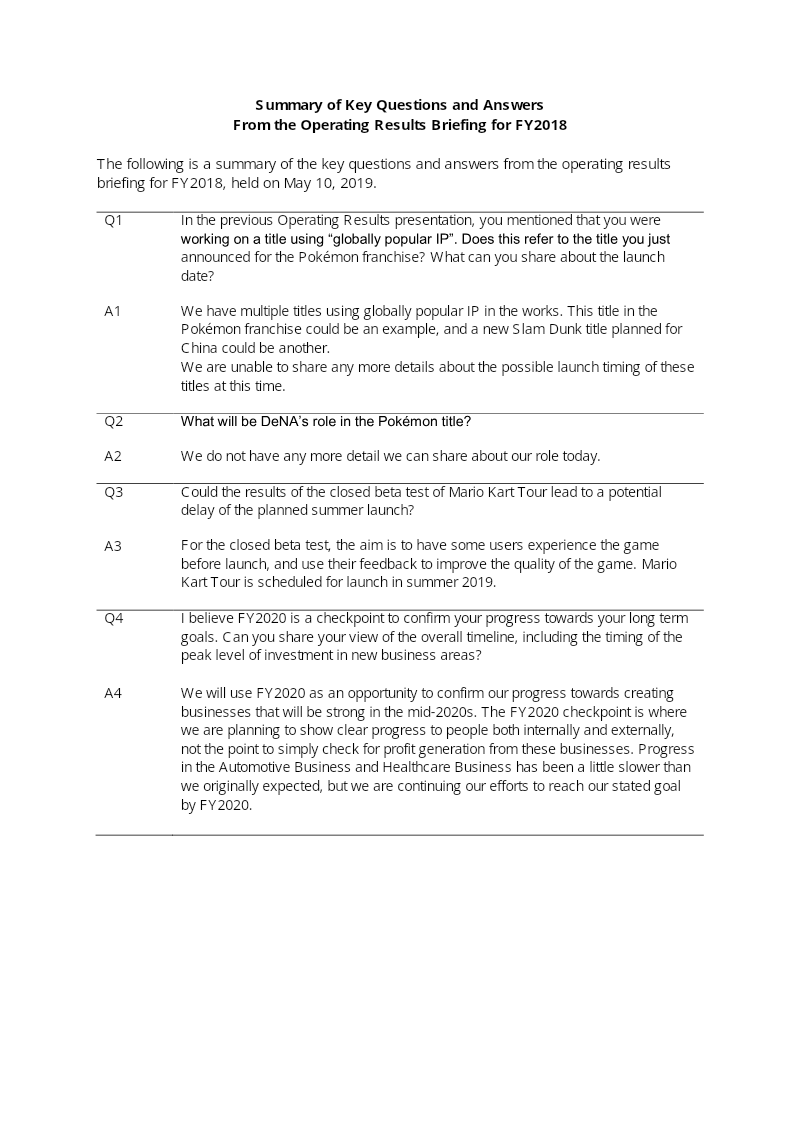
The Chinese gaming market represents the largest single sector for video games globally, surpassing the United States in both total revenue and player count. This market is of critical importance to Western developers, as evidenced by the rapid success of titles like Don’t Starve Together on Tencent’s WeGame platform. However, the industry faces significant volatility due to aggressive state intervention, which has recently intensified through strict regulations on youth playtime and the labeling of gaming as a form of spiritual opium.
The Chinese government has implemented stringent measures, including a mandate that restricts minors to playing games only between 8:00 p.m. and 9:00 p.m. on Fridays, Saturdays, and Sundays. These regulations are supported by mandatory real-name registration and facial recognition technology to enforce compliance. Such actions have caused immediate market instability, notably triggering a 6% decline in Tencent’s share price. These policies reflect a broader state effort to control the social impact of digital entertainment and align youth culture with national political ideologies.
While Western observers often view these interventions with skepticism, the analysis suggests that the Chinese government’s willingness to regulate the power of major corporations stands in stark contrast to the relatively unchecked growth of Big Tech in the West. The situation highlights a growing tension between the design of modern live-service games, which rely on compulsive engagement mechanics, and the increasing capacity of state actors to impose limits on corporate influence. Ultimately, the industry faces a reality where government oversight remains a dominant, albeit unpredictable, force in the global gaming landscape.
Hit Points · 2026
Hit Points · 2026

Hit Points · 2026
Hit Points · 2026

Hit Points · 2026

Hit Points · 2026

Hit Points · 2026

Hit Points · 2026
Hit Points · 2026
Hit Points · 2026
Hit Points · 2026
Hit Points · 2026
DeNA Co. · 2019