1 free read left. Create a free account for unlimited reading + AI research.
Create free accountReport Meridian Play
1 free read left. Create a free account for unlimited reading + AI research.
Create free accountReportMeridian Play
The WeChat Mini Games industry in China has emerged as a dominant, high-growth sector within the broader digital ecosystem. As of 2026, the market is characterized by a rapid shift from simple casual titles toward mid-to-hardcore genres, including strategy, RPG, and tower defense games. This evolution is underscored by a significant increase in paid user acquisition, with over 51,000 games actively running advertisements in 2025, a figure that substantially outpaces traditional mobile game growth.
Market data indicates that the Mini Games sector generated RMB 53.535 billion (approximately $7.65 billion) in 2025, representing a 34.39% year-over-year increase, with projections exceeding RMB 70 billion for 2026. Revenue is primarily driven by in-app purchases, which account for 68.11% of total earnings, while advertising monetization contributes the remaining 31.89%. WeChat maintains a leadership position among competing platforms, boasting a 51.5% penetration rate and an industry-wide monthly active user base of 571 million as of August 2025.
User engagement remains high, with the average daily playtime exceeding 60 minutes and a daily session frequency of approximately 5.1 times. The core demographic is aged 24–40, with a majority residing in tier-3 cities or below. Successful titles increasingly utilize hybrid gameplay mechanics, such as combining MMORPG elements with idle or strategy features, to maintain player retention.
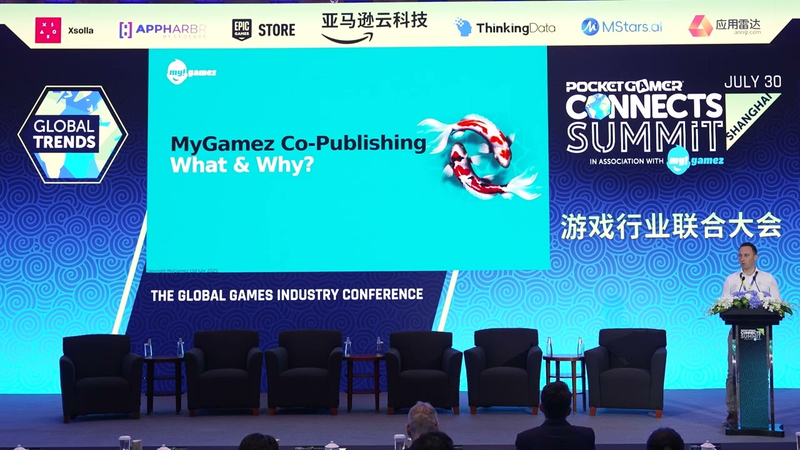
For international developers, the market presents significant opportunities but requires navigating complex regulatory and technical barriers. Successful entry necessitates partnering with local Chinese publishers to manage ISBN licensing, payment integration, and platform-specific performance optimizations. Technical requirements are stringent, as games must typically load in under 10 seconds and adhere to strict package size limits, often requiring the use of specialized engines like Cocos or Laya to ensure compatibility within the WeChat environment.

PocketGamer.biz · 2026