1 free read left. Create a free account for unlimited reading + AI research.
Create free accountArticle Hit Points
1 free read left. Create a free account for unlimited reading + AI research.
Create free accountArticleHit Points
His nine-year tenure was marked by declining share prices, staff layoffs, and significant backlash over the company's 'Runtime Fee' policy.
CEO Exit. John Riccitiello stepped down as CEO of Unity after nine years.
The departure of Unity CEO John Riccitiello in October 2023 serves as the focal point for an analysis of corporate governance and instability within the video game industry. The primary thesis posits that this leadership transition is a superficial gesture—a blood sacrifice intended to appease stakeholders and developers following the controversial implementation of a new runtime fee—rather than a signal of genuine strategic reform. The analysis suggests that the underlying issues at Unity, driven by institutional investors and a board focused on short-term financial gains, remain unresolved despite the change in executive leadership.
Data points from the broader industry context underscore a period of significant volatility. As of October 2023, the gaming sector had experienced over 6,000 layoffs, with September 2023 marking a peak in workforce reductions across 17 studios. Furthermore, venture capital investment in the industry reached a three-year low, reflecting a post-pandemic market correction and the decline of speculative sectors like Web3. These trends highlight a shift away from the rapid, debt-fueled growth models that characterized the industry during the preceding years.
The analysis concludes that Unity’s structural reliance on venture capital interests, specifically those represented by board members like Roelof Botha, ensures that the company’s trajectory toward aggressive monetization will likely persist. By framing the CEO’s exit as a calculated move to deflect criticism while maintaining the status quo, the assessment warns that developers and industry observers should not anticipate a fundamental change in corporate behavior. The broader industry landscape remains defined by austerity, labor instability, and the ongoing consequences of aggressive, investor-led growth strategies.
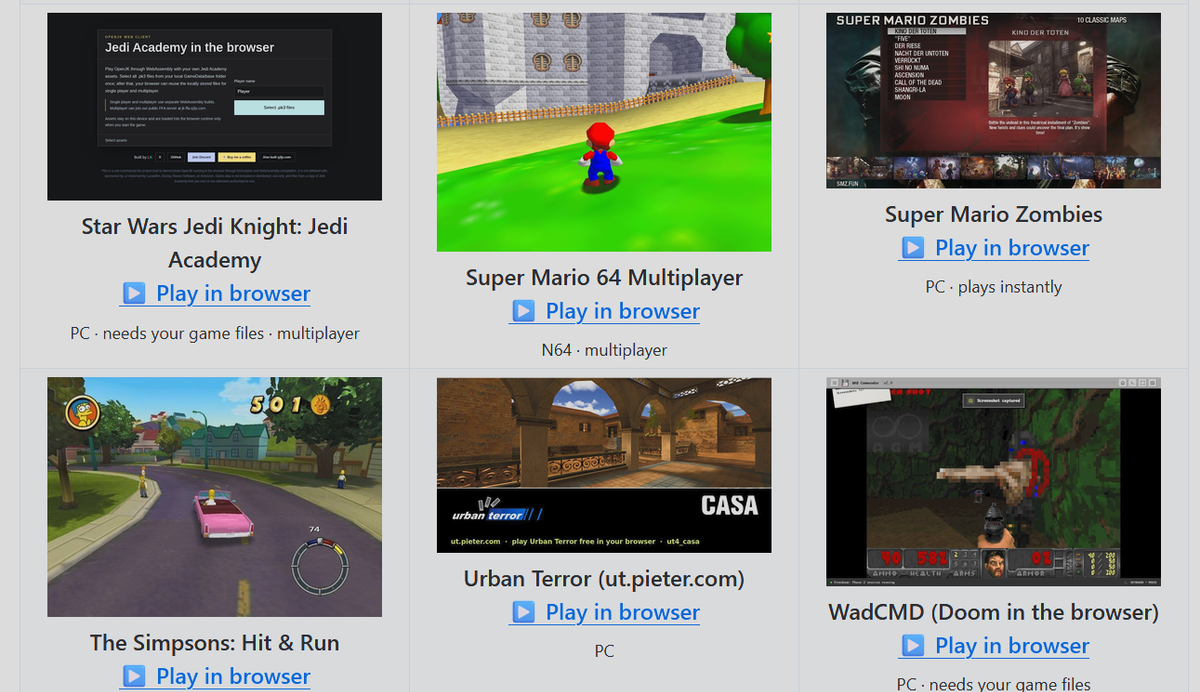
The games and companies this document names on the inner ring, other documents about them on the outer one. Select a cover to see it up close and open it in a new tab; drag to move, pinch or Ctrl + scroll to zoom.
Hit Points · 2026
Hit Points · 2026

Hit Points · 2026
Hit Points · 2026
Hit Points · 2026

Hit Points · 2026

Hit Points · 2026
Hit Points · 2026
Hit Points · 2026
Hit Points · 2026

Hit Points · 2026
Hit Points · 2026
The Game Business · 2026