This performance occurred against a backdrop of broader economic instability.
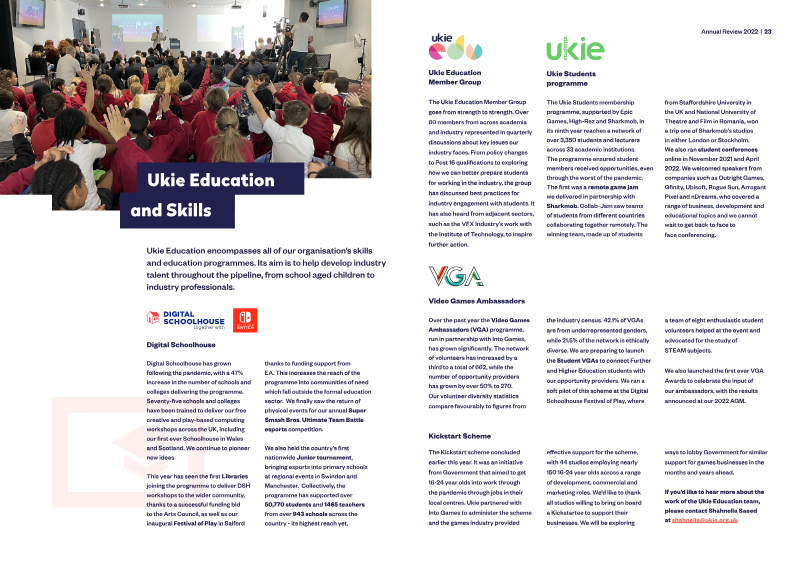
This expansion provides educational support to over 3,350 students.
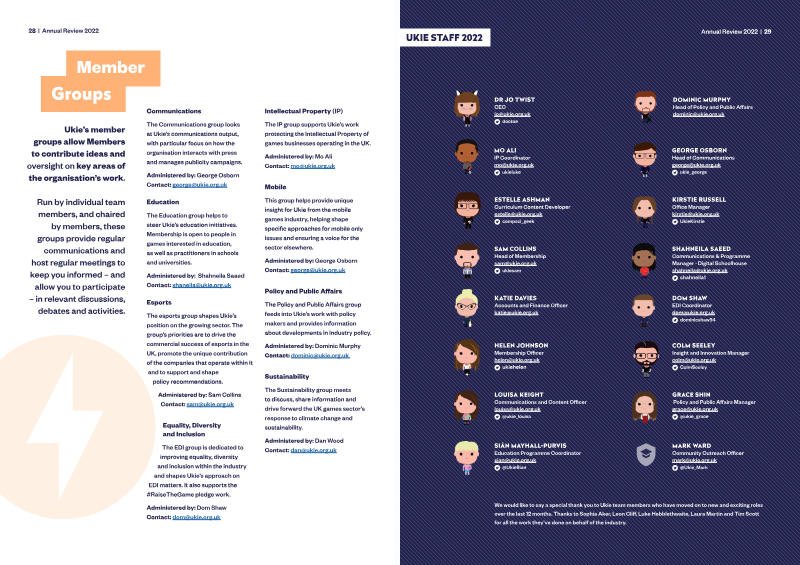
This record membership is supported by specialized focus groups for esports, equity, and policy. The sector continues to leverage these groups to foster innovation.
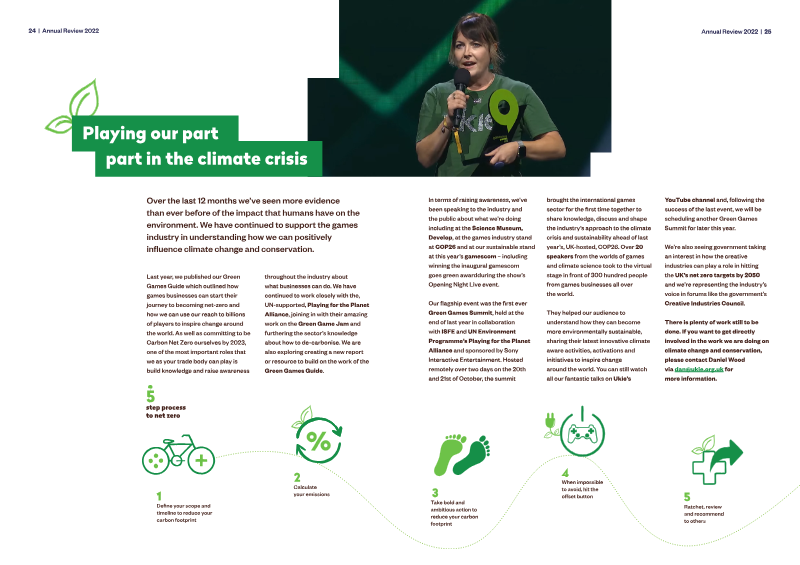
These initiatives formalize environmental responsibility as an operational pillar. Sustainability emerged as a key operational pillar for the industry.
These challenges specifically included the Online Safety Bill and ongoing discussions regarding loot box legislation. Navigating complex regulatory landscapes was a primary objective.

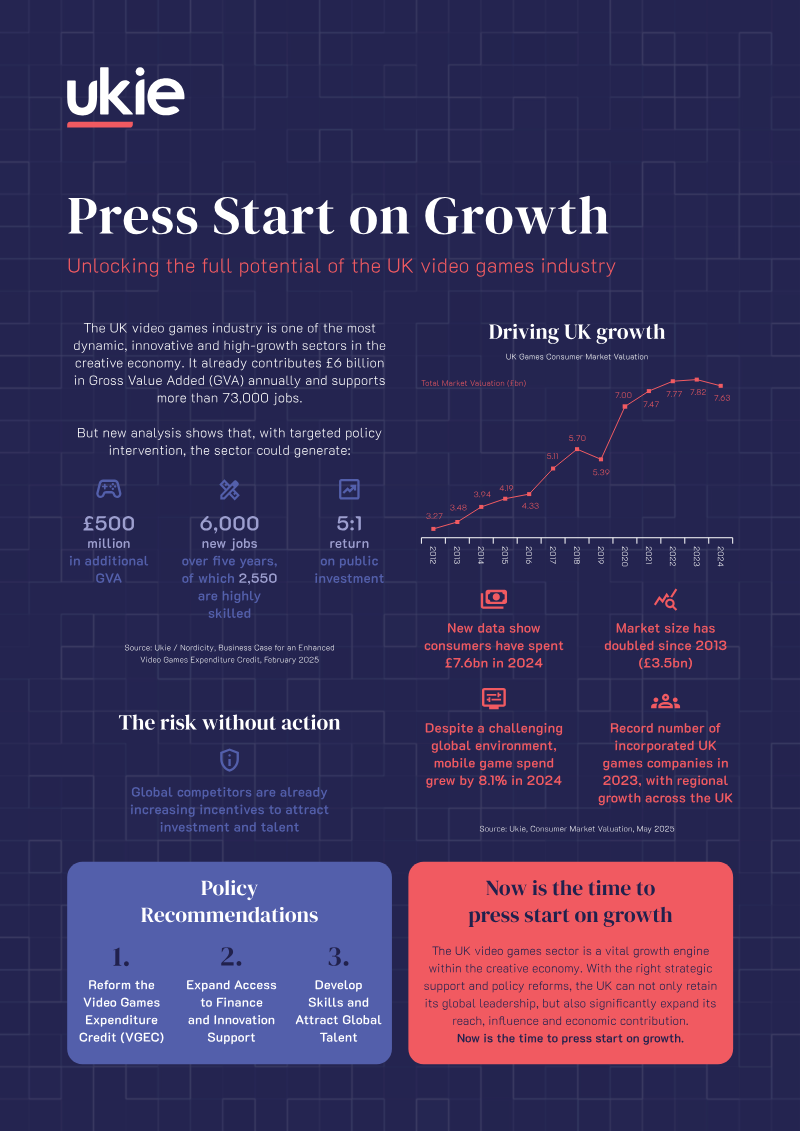
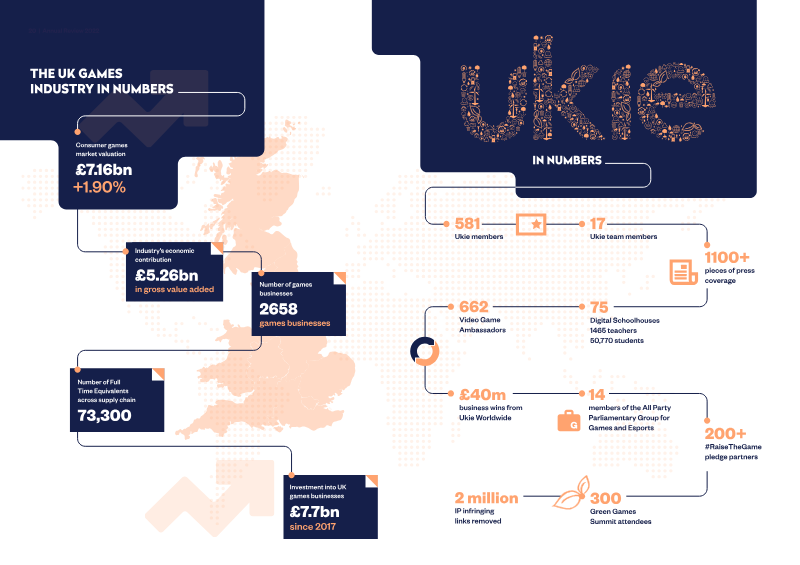
The UK games industry demonstrated significant economic resilience throughout 2022, achieving a record market valuation of £7.16 billion and contributing £5.26 billion in gross value added to the national economy. This performance occurred against a backdrop of broader economic instability and industry consolidation, yet the sector maintained robust growth through strategic advocacy, international trade initiatives, and a focus on long-term talent development. The ecosystem, which spans developers, publishers, educational institutions, and service providers, remains a vital pillar of the UK’s creative economy.
Organizational efforts centered on navigating complex regulatory landscapes, including the Online Safety Bill and ongoing discussions regarding loot box legislation. Beyond policy, a primary objective involved addressing structural challenges such as the recruitment crisis and the lingering impacts of Brexit. To mitigate these pressures, industry initiatives prioritized diversity and inclusion, with the #RaiseTheGame pledge now encompassing half of the industry’s total headcount. Furthermore, the expansion of the Digital Schoolhouse network by 47% and the support of over 3,350 students underscore a commitment to building a sustainable pipeline of domestic talent.
Sustainability and global connectivity also emerged as key operational pillars. The introduction of the Green Games Guide and the inaugural Green Games Summit signaled a shift toward environmental responsibility, while the hybrid London Games Festival facilitated essential international investment and networking. With a record membership of nearly 600 companies, the sector continues to leverage specialized groups focused on esports, equity, and policy to foster innovation. Moving forward, the industry remains focused on securing sustained investment and refining its infrastructure to ensure continued competitiveness in an evolving global market.