Newgrounds
Company
5 documents in the library are about Newgrounds, from writers such as Thomas Brush, Extra Credits and PocketGamer.biz. Each has a summary and key insights with the page they come from.
Connections
The documents about Newgrounds on the inner ring, the other games and companies they name on the outer one. Select a cover to see it up close and open it in a new tab; drag to move, pinch or Ctrl + scroll to zoom.
Documents about Newgrounds
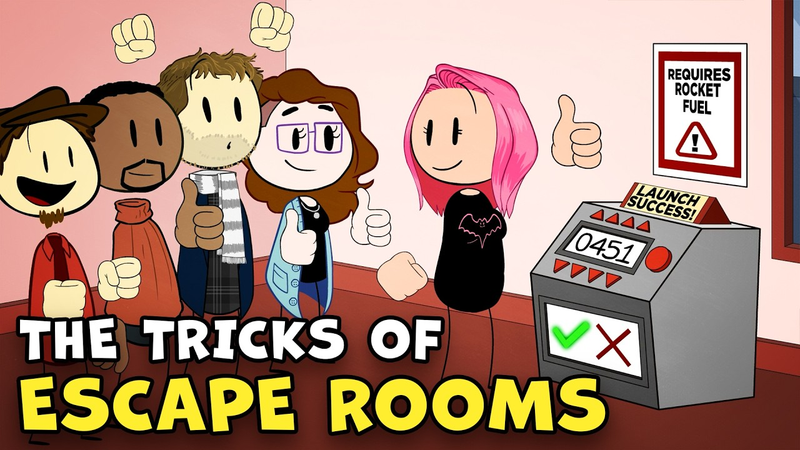
Escape Rooms: Manipulation for Fun and Profit! | Extra Credits Gaming
Modern escape rooms function as sophisticated psychological environments designed to immerse participants in a narrative while guiding their behavior through subtle game design techniques.
- The modern escape room industry originated with Takao Kato’s company SCRAP in 2007, and has since expanded to an estimated 50,000 rooms across at least 44 countries.
- Designers utilize the 'magic circle' concept to foster immersion, employing themed introductions and 'endowments'—such as specific titles or physical props—to help players adopt a role and suspend disbelief.
- Lighting is used as a non-verbal tool to guide player movement and focus, such as dimming lights in one area to encourage migration to a brighter room or using soft pulses to highlight puzzle components.

Make A Gorgeous 3D Game w/ NO MODELS OR TEXTURES (FAST!)
This tutorial outlines a streamlined workflow for developing a 3D narrative game in Unity without the need for external 3D modeling software or complex texture assets.
- Developers can create professional-looking 3D narrative prototypes in under one hour by utilizing Unity’s native primitive shapes instead of external 3D models.
- Atmospheric cohesion is achieved by prioritizing lighting, fog, and consistent color palettes over high-fidelity textures or complex assets.
- Unity’s built-in terrain tools, cylinders, and spheres serve as effective stand-ins for environmental assets like trees and rocks.
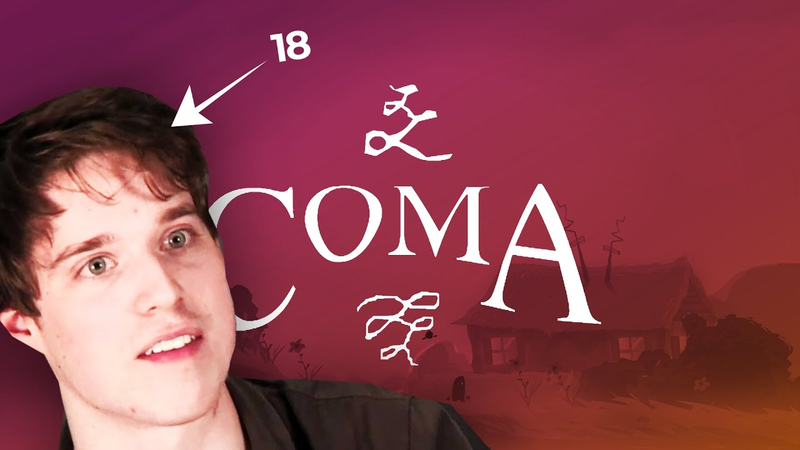
Let's play my very first game. Lol.
The preservation and re-release of legacy browser-based games serve as a bridge between early independent development and modern distribution platforms.
- The 2010 Flash-based game 'Coma' has been transitioned from its original Newgrounds debut into a standalone PC executable to ensure long-term accessibility following the obsolescence of the Flash player.
- The developer is monetizing the re-release of this legacy title at a price point of eight dollars to support current studio operations.
- Repackaging early experimental projects serves as a strategic method for independent developers to leverage existing intellectual property to fund future development.
Developing In The Flash Era
The era of Flash gaming served as a foundational training ground for many contemporary independent game developers, providing a rapid, iterative environment that facilitated professional growth.
- The Flash era (late 2000s to early 2010s) acted as a critical incubator for modern indie development by providing a low-barrier environment for rapid prototyping and iterative design.
- Platforms like Newgrounds and FGL (Flash Game License) enabled developers to build professional portfolios and secure funding through direct sponsorship models.
- Publishers such as Armor Games and various portal sites monetized the ecosystem by paying developers to integrate branding into games, using the titles as traffic-driving advertisements.

Size DOS Matter: Mattis Delerud of Team DOS talks to Biz during Dare to be Digital
Size Does Matter is a rhythm-action game developed by Team DOS that blends mechanics from titles like Tetris, Super Hexagon, and Guitar Hero.
- Size Does Matter is a rhythm-action game developed in Unity that combines mechanics from Tetris, Super Hexagon, and Guitar Hero for touchscreen devices.
- To circumvent the high costs of licensing mainstream music, the developers source royalty-free soundtracks from emerging electronic artists on platforms like Newgrounds.
- The game utilizes a free-to-play model that includes a base package of eight to ten songs, with additional revenue generated through the sale of artist-specific song packs.