indie
CompanyUnited States
Documents about indie

Why going 2D to 3D was an epic challenge in Risk of Rain 2
The transition from a 2D to a 3D environment in Risk of Rain 2 serves as a primary case study for the technical and design challenges inherent in evolving a successful indie franchise.
- The developers maintained the franchise's signature high-intensity chaos by utilizing a unified base class for players, enemies, and AI, which ensures consistent movement and inventory logic across all entities.
- To manage the computational load of dynamic lighting during combat, the game employs deferred rendering, which calculates lighting based on screen resolution rather than individual vertices.
- The transition to 3D movement necessitated a sprint mechanic and a lowered camera height to prevent the gameplay from feeling sluggish compared to the original 2D iteration.

Game Dev Reviews A STUPID HARD Rogue-lite | Enter The Gungeon NEW UPDATE!
The development and commercial success of the roguelite game Enter the Gungeon serve as a case study for modern game design, specifically focusing on the intersection of technical execution, player engagement, and marketing strategy.
- Long-term profitability in the modern indie market relies on prioritizing streamability and replayability to foster organic marketing through consistent, long-form content creator coverage.
- Game feel, defined by immediate and responsive feedback to player inputs, is a critical technical requirement for maintaining player engagement in high-difficulty roguelite titles.
- Technical optimization, specifically the use of sprite sheets and efficient lighting, was essential for overcoming Unity engine performance limitations on consoles like the PlayStation 4 during the 2016 development cycle.
How to Market Your Indie Game!
Successful indie game marketing relies on a foundational strategy centered on product design, audience engagement, and strategic distribution.
- Marketing success is primarily determined by product design; developers should prioritize creating unique, watchable concepts that offer a clear, relatable fantasy to ensure organic interest from content creators.
- Establishing a Steam store page as early as possible is essential for accumulating wishlists, which serve as the primary driver for platform visibility and algorithm placement.
- High-quality trailers and store thumbnails are the most critical assets for maximizing click-through rates and should be the focus of visual marketing efforts.

So I got this email...
The provided text details the personal and professional struggles of an independent game developer navigating the financial and psychological pressures of the industry.
- Independent game developers should prioritize securing traditional, full-time employment to decouple creative output from immediate survival needs and financial desperation.
- Relying on viral success or influencer marketing is an unreliable business strategy, as even high-performing game launches often fail to generate sufficient revenue to cover living expenses and debt.
- The pressure to achieve commercial success to solve personal financial crises can stifle creativity, leading to the development of 'soulless' products that lack long-term engagement.

Game dev reacts to INSANE PHYSICS game | Totally Accurate Battle Simulator
Totally Accurate Battle Simulator (TABS) serves as a case study for successful indie game development, emphasizing the importance of physics-based mechanics, strategic art direction, and high streamability.
- Landfall prioritized long-term product viability over rapid release cycles by choosing to scrap and rebuild core game components to ensure evergreen engagement.
- The game’s high streamability and sandbox design facilitate organic, free marketing on platforms like Twitch, serving as a primary driver for profitability.
- Developers achieved an economical, trendy aesthetic by using stylized polygon art and a warm, yellow-tinted pastel palette, which avoids the need for high-end graphical assets.
We Released Our Game on Steam!
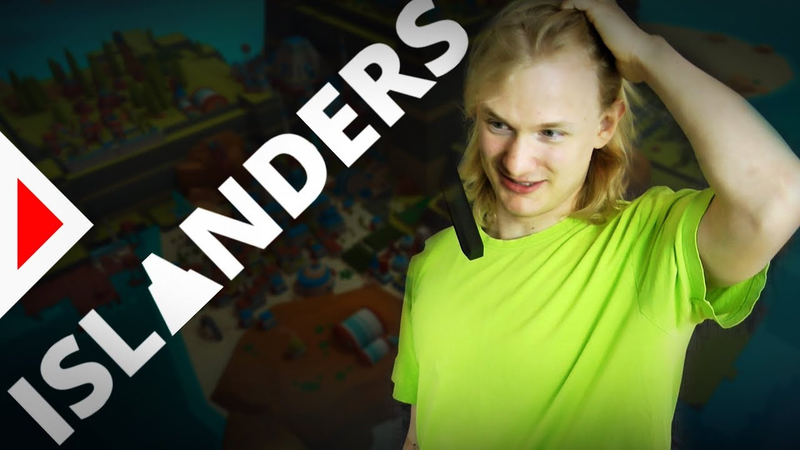
The launch of the minimalist strategy game Islanders on Steam marks a significant milestone for Grizzly Games, characterized by immediate commercial success and high visibility on the platform’s front page.
- Grizzly Games achieved immediate commercial success and high platform visibility upon the Steam launch of their minimalist strategy title, Islanders.
- The launch phase required the small indie team to pivot rapidly toward high-volume technical maintenance, bug fixing, and community management to support a suddenly expanding player base.
- Islanders differentiates itself from traditional city builders by removing complex resource management in favor of a procedural, point-based system focused on building placement and proximity bonuses.
Raji developer interview at GDC 2019
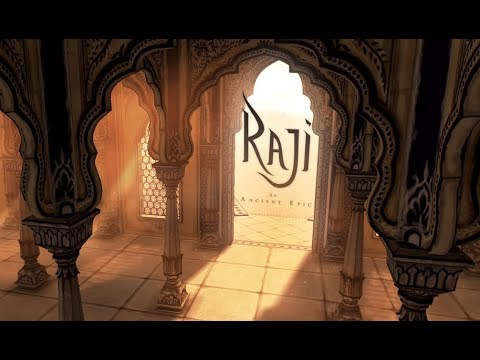
Raji: An Ancient Epic is a fantasy action-adventure game centered on a young protagonist navigating a world rooted in ancient Indian mythology.
- Raji: An Ancient Epic is an action-adventure title set in a world based on ancient Indian mythology, featuring a narrative focused on a protagonist rescuing her kidnapped brother.
- The game utilizes a unique visual health-tracking system that displays enemy vitality through dynamic markers at their feet to provide immediate combat feedback.
- Super.com is publishing the title, leveraging its team of former and active indie developers to support studios within the emerging Indian game development market.
Game Dev: The Week Before Launch (Devlog)
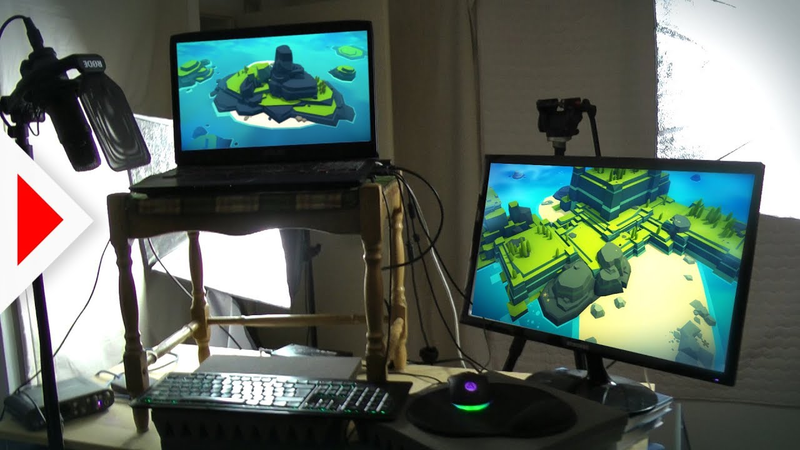
The final week of development for the indie title Islanders highlights the technical and logistical hurdles inherent in preparing a game for a Steam launch.
- The final week of development for Islanders focused on critical technical stabilization, specifically resolving Linux build compatibility, dynamic batching failures from multiple light sources, and mesh transformation errors.
- The development team utilized Unity’s frame debugger, iterative testing, and community-sourced troubleshooting to address performance bottlenecks before the Steam launch.
- To maintain productivity and morale during the high-stress pre-launch period, the team employed a dual-project workflow, working on a separate platformer project during daily livestreams.
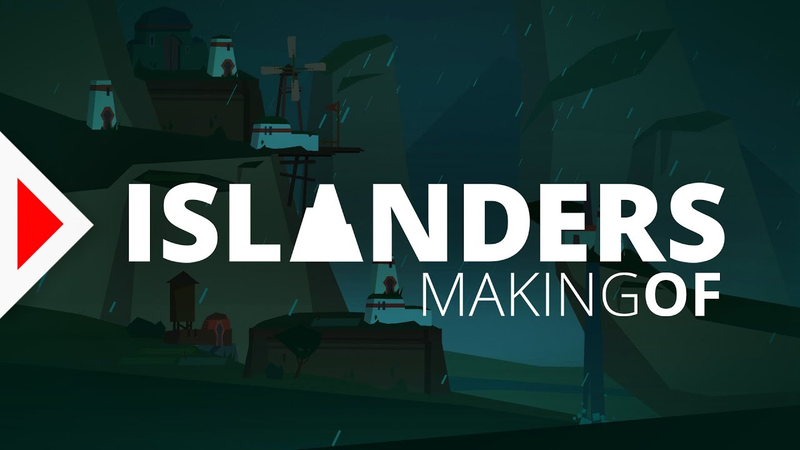
How We Made ISLANDERS - (Indie Game)
The development of the indie game Islanders serves as a case study in the effectiveness of rapid prototyping and iterative design within small, focused teams.
- A three-person team developed Islanders in just four months as part of a bachelor program, proving that small, focused teams can produce polished titles through rapid iteration.
- The development process relied on short-term prototypes lasting only one to two days to test mechanics, allowing the team to discard complex features like real-time resource management and meteors.
- Transitioning from a real-time model to a turn-based system was a pivotal design choice that removed player pressure and prevented late-game economic inflation.
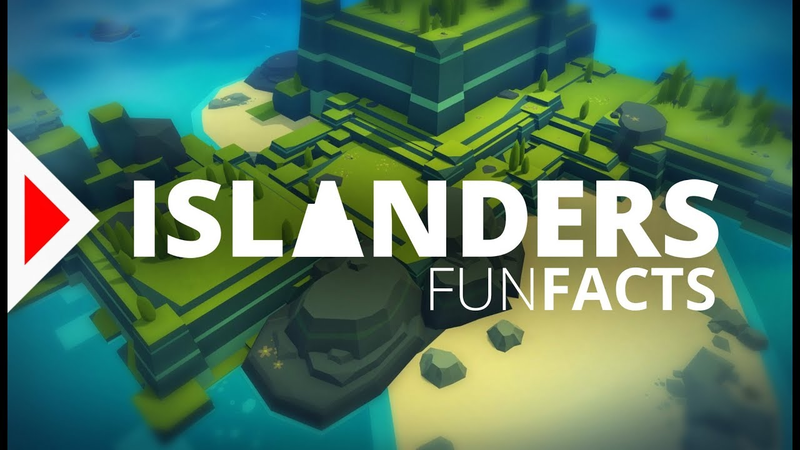
ISLANDERS - All you need to know. (Devlog)
Islanders is a minimalist, casual strategy game designed to be accessible to a broad audience while offering significant depth for players seeking a challenge.
- Islanders is a minimalist strategy game developed by a three-person team over a four-month period as a university project at HTW Berlin.
- The core gameplay loop centers on procedural island generation and a deck-building mechanic where players strategically place buildings to maximize scores based on proximity bonuses.
- The game features 30 distinct building types, each with unique environmental constraints and range-based scoring requirements.
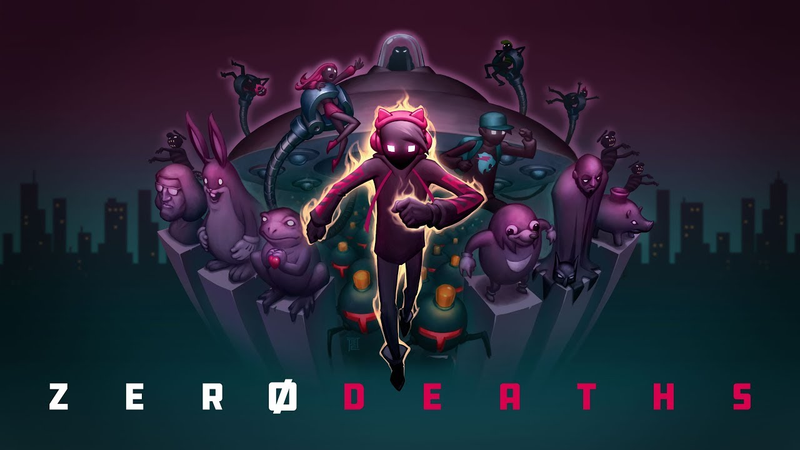
Zero Deaths Official Trailer (A Game-Jam Made In 14ish Days)
The development of the 2D platformer Zero Deaths serves as a case study in rapid game production and community-driven design.
- The 2D platformer Zero Deaths was successfully developed and released within a compressed 14-day timeframe.
- The project utilized real-time feedback loops by incorporating mechanics, narrative, and design concepts suggested by viewers during live-streamed development sessions.
- Rapid prototyping and game jams serve as viable alternatives to traditional long-term production cycles, allowing for the creation of functional software with minimal overhead.
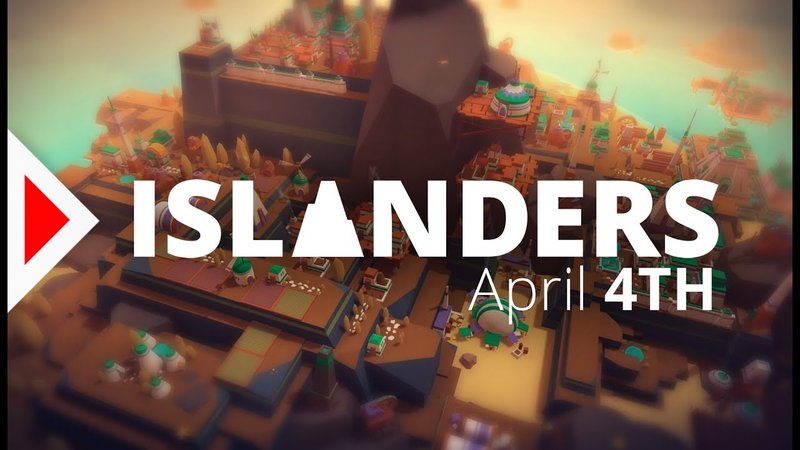
ISLANDERS - Surprise! We made a game.
Islanders is a strategy-based optimization game centered on the construction of aesthetic settlements across procedurally generated islands.
- Islanders is a strategy-based optimization game developed by a three-person team from the HTW Berlin game design program.
- The game is scheduled for a Steam release on April 4 with a target price point between five and ten dollars.
- The core gameplay loop focuses on earning points through the strategic placement of buildings within procedurally generated environments.