 Thomas Brush
1 free read left. Create a free account for unlimited reading + AI research.
Create free account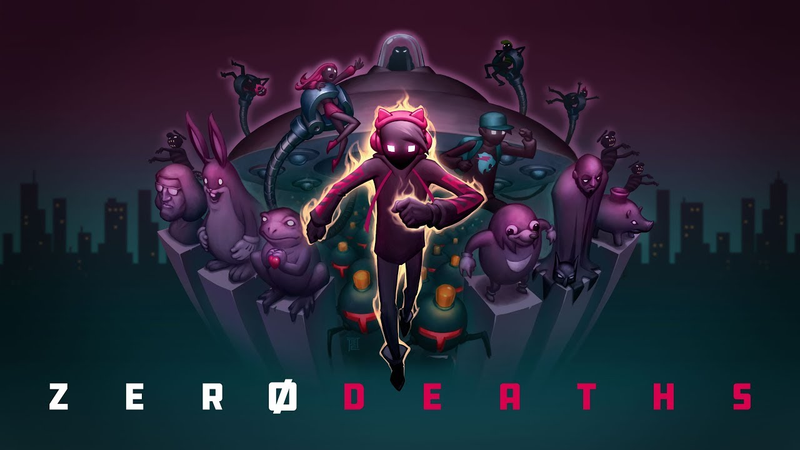
Monte are you out there or was it the nine rolls call me P do something doesn't matter so much as velocity of rising since the war of the Sun box [Music] [Music] dear PewDiePie hey man my name is Thomas brush I'm the creator of pinstripe you
did voice acting for pinstripe pro-bono of course I know like I'll turn the favor so I have this really cool idea of making a game maybe about you and t-series and I want to livestream the creationist get it done in two weeks I don't you dare me to make this game I bear yet to bear meat is Gary as a lab you and your audience to come up with the ideas about this game you can post it in the subreddit or come hang out during the live streams in the live chat and come up with ideas live as I make this game as long as this game is a 2d platformer I can pretty much do anything you need me to didn't - we like the music could do the code I can do art animation design development damn name it I think it'd be really cool for you and your audience to throw amazing ideas at me and see this game come to life I think it's a really cool idea I'd love to see you win the battle against t-series and if we can do that in a video game I think it'd be awesome this is the last play all right check out at most games leave your suggestions let's freakin do they
The development of the 2D platformer Zero Deaths serves as a case study in rapid game production and community-driven design. Created within a compressed timeframe of approximately 14 days, the project was conceived as a collaborative experiment to engage a large audience through live-streamed development sessions. By inviting viewers to contribute mechanics, narrative elements, and design concepts via social media and live chat, the project demonstrates how developers can leverage real-time feedback loops to accelerate the creative process and build player investment before a game is even finished.
The project highlights the technical versatility required for solo or small-team indie development, encompassing art, animation, coding, and sound design. By utilizing external assets and focused development sprints, the creator successfully navigated the constraints of a two-week deadline. This approach emphasizes the viability of game jams and rapid prototyping as effective methods for indie developers to maintain momentum, test concepts, and produce functional software without the overhead of traditional, long-term production cycles.
Ultimately, the initiative functions as both a creative endeavor and a marketing strategy, utilizing the high-profile rivalry between major content creators as a thematic hook to drive interest. By documenting the entire lifecycle of the game—from initial pitch to final release—the project provides a transparent look at the mechanics of indie game production. It underscores the importance of community participation in shaping game identity and illustrates how developers can effectively utilize digital platforms to foster audience interaction, streamline development, and achieve a rapid path to market.
The games and companies this document names on the inner ring, other documents about them on the outer one. Select a cover to see it up close and open it in a new tab; drag to move, pinch or Ctrl + scroll to zoom.

Thomas Brush · 2026

Thomas Brush · 2026
Thomas Brush · 2026
Thomas Brush · 2026

Thomas Brush · 2026

Thomas Brush · 2026
Thomas Brush · 2026

Thomas Brush · 2026
Thomas Brush · 2026
Thomas Brush · 2026

Thomas Brush · 2026
Thomas Brush · 2026