Blue Sky
Company
7 documents in the library are about Blue Sky, from writers such as Extra Credits, Deconstructor of Fun and Eludamos: Journal for Computer Game Culture. Each has a summary and key insights with the page they come from.
Connections
Each row is a game or company named alongside Blue Sky, each column a document, oldest first. A mark means that document names it. Select a row to see those documents.
Documents about Blue Sky

Get On the Party Line: Parties, Games, and Work at Mattel Electronics in the Early 1980s
In the early 1980s, parties shaped both the work and the design culture of Mattel Electronics' Applications Software group, and this study uses the origin of the "Party Line" videogame concept, pitched at a February 1983 party-style meeting, as its central case.
- The study draws on more than 150 interviews and roughly 20,000 archival pages to examine Mattel Electronics' Applications Software group in the early 1980s, using the February 1983 origin of the "Party Line" videogame concept as its central case.
- The authors argue that party practices both nurtured creativity and structured labor, producing "playbor" in which work and leisure blended and bridged divisions between marketing and programming, and they contrast this gender-balanced culture with the frat-like atmosphere they attribute to Atari.
- The Party Line concept was motivated by perceptions of videogames as antisocial and by Intellivision's shrinking market share, proposing party games to broaden the audience through shared, simplified play.
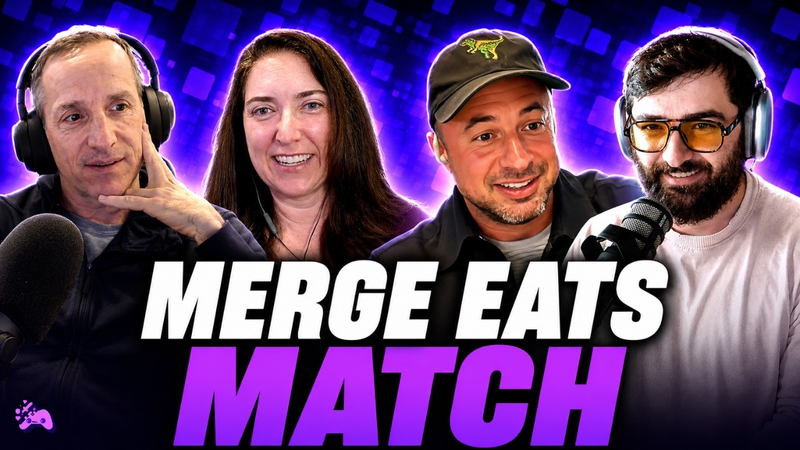
TWIG #395: Xbox Prices Explode, Roblox's Worst Day Ever, and Merge Eats Puzzle
The global gaming industry is currently navigating a period of significant structural volatility, characterized by rising hardware costs, shifting platform economics, and the rapid evolution of mobile subgenres.
- A global memory supply crisis, driven by AI data center demand, has forced Microsoft to increase Xbox console prices by up to 50% in European markets.
- Roblox has withdrawn its full-year financial guidance for the first time, as a strategic pivot toward long-term retention over immediate monetization led to a sharp decline in stock value and average bookings per user.
- The mobile puzzle market is shifting from traditional 'Match 3' games to 'Merge 2' titles, driven by standardized live operations and aggressive user acquisition strategies from Eastern publishers.
The Onslaught of Summer Games Fest, Steam Deck price go BRRRR & the Logo Wars! | Games for Breakfast
The modern gaming industry is currently navigating a period of significant structural and ethical turbulence, characterized by the oversaturation of promotional events and the aggressive consolidation of corporate power.
- Summer Game Fest (June 1–8) has been criticized for its cluttered schedule, with organizers grouping diverse showcases into single days rather than spreading them out, which risks sidelining niche and identity-focused game presentations.
- Take-Two Interactive has effectively shut down RageMP, a prominent multiplayer modding platform for Grand Theft Auto V, by asserting that it is the only authorized platform for the game.
- Rising hardware costs, specifically regarding the Steam Deck, are being driven by persistent component shortages that impact even newer iterations of the hardware.

Nintendo’s “New” Star Fox, $80 GTA6 says BoA & Mixtape is a Masterpiece | Games For Breakfast
The gaming industry is currently navigating a period of significant structural and economic transition, characterized by shifting pricing models and evolving development strategies.
- Grand Theft Auto VI is expected to spearhead a shift toward an $80 price point for AAA software, potentially establishing a new industry-wide standard.
- Sony reported a $766 million impairment loss related to Bungie, signaling a strategic pivot away from high-risk extraction shooters toward focused, single-player experiences.
- Nintendo is planning a $50 price increase for the upcoming Switch 2 hardware to offset rising manufacturing costs and maintain profitability.

Six Figure Game Idea Workshop - Day #2
Securing funding for independent game development requires a strategic, multi-faceted approach that balances community-driven crowdfunding with professional publisher partnerships.
- Steam wishlists are a primary driver of success, with a conservative conversion rate of approximately 10% from wishlist to sale.
- Publisher funding tiers are generally based on projected ROI: small indie titles typically receive $50,000–$250,000, while medium-sized titles secure $250,000–$400,000.
- A successful 60-day launch plan for crowdfunding requires preparing a high-quality trailer and campaign page in private, followed by building an email list as the foundation for all marketing.

Can the video games media survive?
The gaming media industry is currently undergoing a period of intense contraction and structural transformation, driven by a volatile attention economy and an over-reliance on Google search traffic.
- The gaming media industry is shifting away from traditional ad-supported editorial models toward utility-focused platforms that prioritize game discovery, wikis, and user-generated content.
- Reliance on Google search traffic and programmatic advertising has become an existential risk due to algorithmic volatility and the rise of AI-driven content generation.
- Large-scale media entities are consolidating and diversifying revenue through e-commerce and digital showcases, while mid-tier outlets face significant struggles to maintain financial viability.
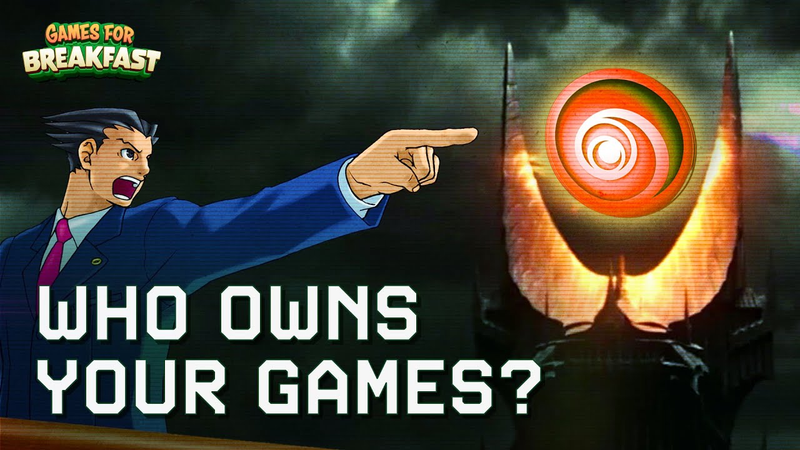
Ubisoft's Ownership Lawsuit, No More Switch 2 News, and Doom Runs On Doom! | Games For Breakfast
The current landscape of the video game industry is defined by a growing friction between consumer expectations of ownership and the reality of service-based licensing models.
- The legal challenge against Ubisoft regarding the shutdown of 'The Crew' is forcing a critical re-examination of whether digital and physical software purchases constitute permanent ownership or merely revocable access.
- Ongoing litigation may force industry-wide shifts, potentially compelling publishers to implement mandatory offline modes or escrow requirements for long-term software accessibility.
- The industry is currently defined by a tension between service-based licensing models and consumer demand for transparency regarding the lifecycle of digital products.