1 free read left. Create a free account for unlimited reading + AI research.
Create free accountArticleJMIR Serious Games
Distilling the key insights…
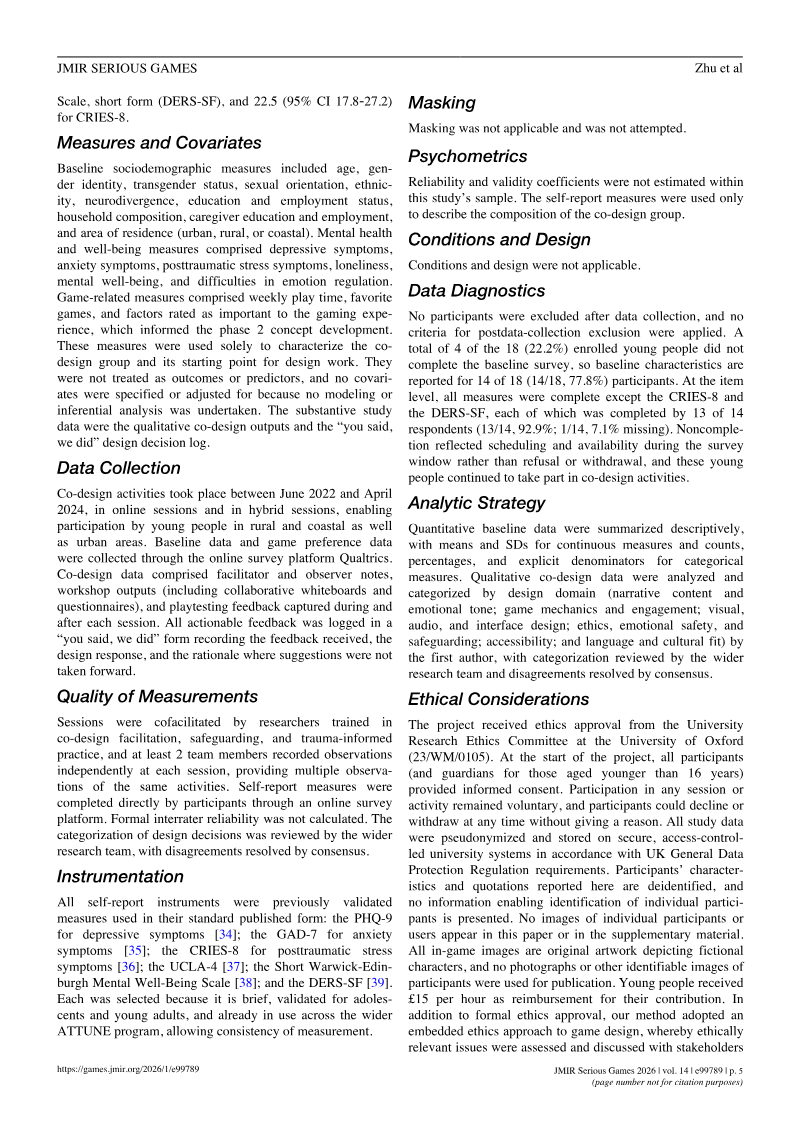
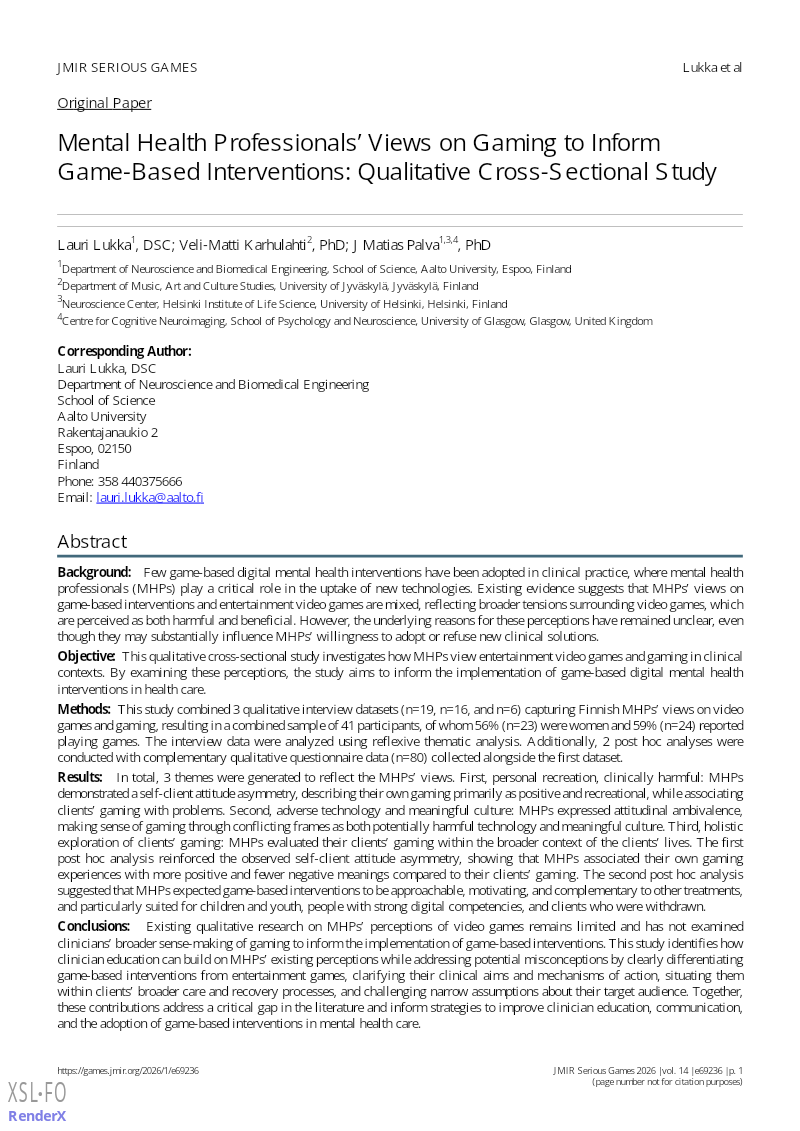
Central Auditory Processing Disorders represent a significant neurocognitive deficit characterized by an inability to discriminate, recognize, and comprehend auditory information despite the presence of normal peripheral hearing. The primary thesis posits that these disorders are not merely auditory in nature but involve a complex interplay between peripheral sensory systems and higher-order cognitive functions, including memory, attention, and language. Because standard clinical evaluations often fail to detect these impairments, patients frequently face misdiagnosis or are incorrectly categorized as having normal hearing, necessitating a shift toward more nuanced diagnostic frameworks.
Research conducted on patient cohorts reveals a critical correlation between high-frequency otoacoustic emission deficits and impaired speech-in-noise processing. These findings suggest that what is often perceived as a central processing issue may be rooted in subtle, subliminal peripheral hearing losses that routine examinations overlook. Consequently, the diagnostic process must move beyond traditional testing to incorporate a comprehensive protocol of both behavioral and electrophysiological assessments. This multidisciplinary approach is essential for identifying the specific communication barriers faced by individuals and for developing effective, tailored auditory training programs.
The evolution of clinical terminology reflects a growing recognition of the condition’s complexity, moving from narrow definitions of central processing to a broader understanding of Central Auditory Processing Disorders. Current best practices, as established by professional consensus, emphasize the necessity of collaboration between audiologists and speech therapists. By integrating oto-neuro-cognitive perspectives, practitioners can better address the functional outcomes of patients who struggle with auditory comprehension. Ultimately, the field is shifting toward a more holistic diagnostic and therapeutic model to ensure that individuals with these invisible deficits receive appropriate clinical support and intervention.
JMIR Serious Games · 2026
JMIR Serious Games · 2026
JMIR Serious Games · 2026
JMIR Serious Games · 2026
JMIR Serious Games · 2026
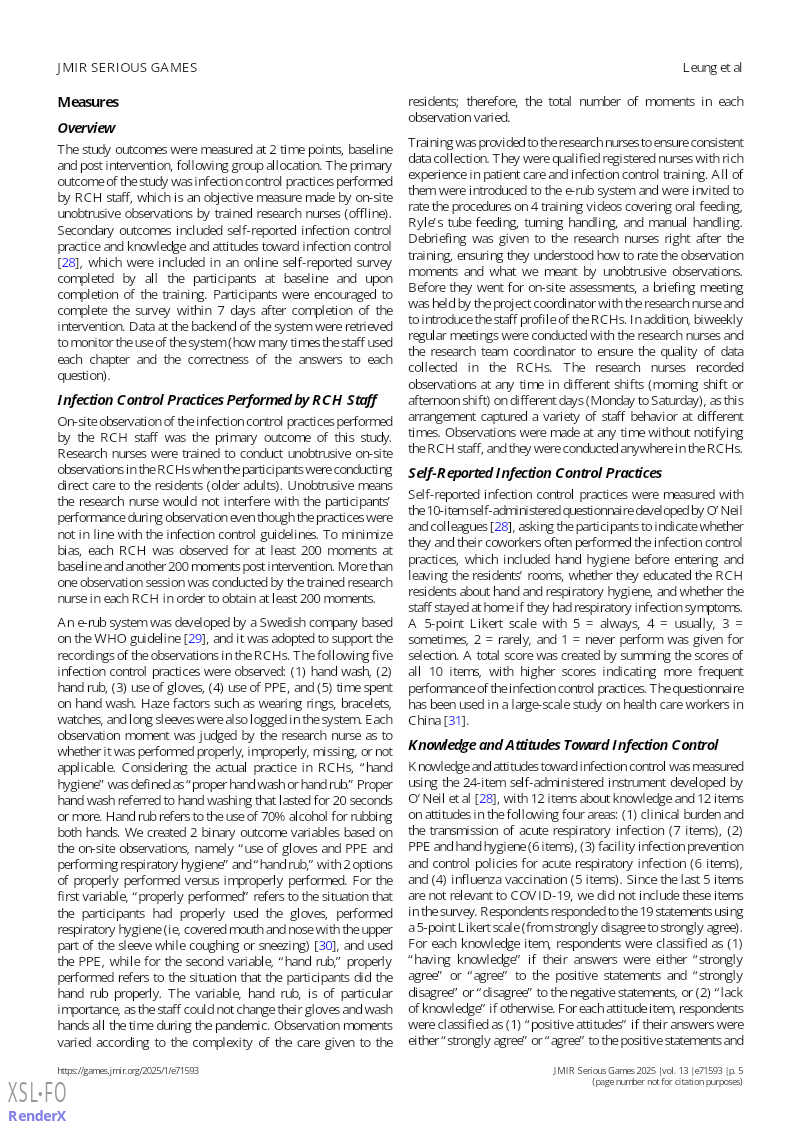
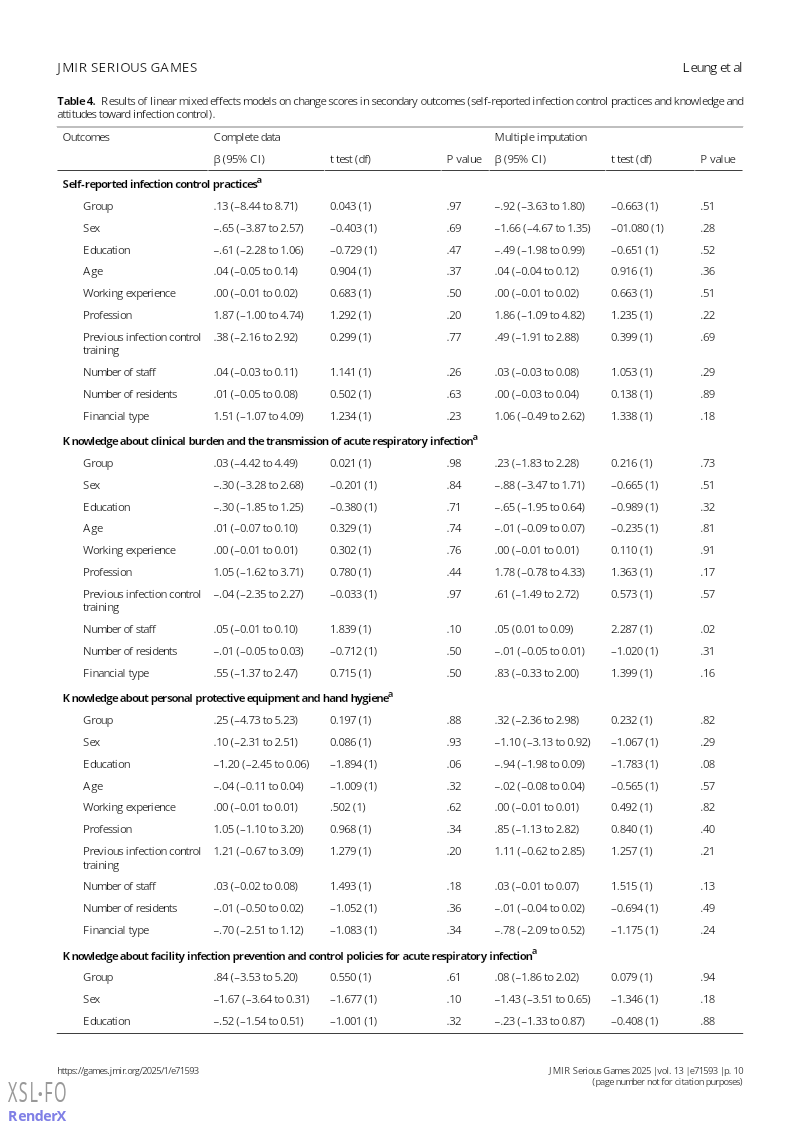
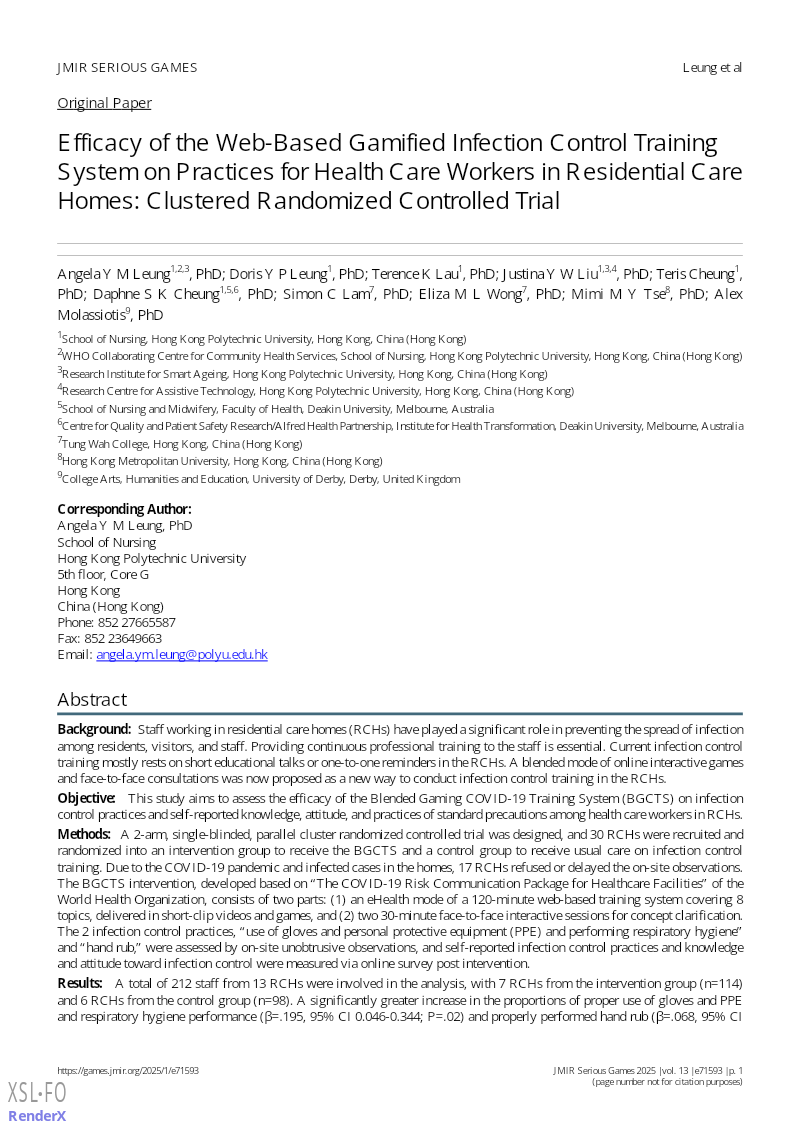
JMIR Serious Games · 2025
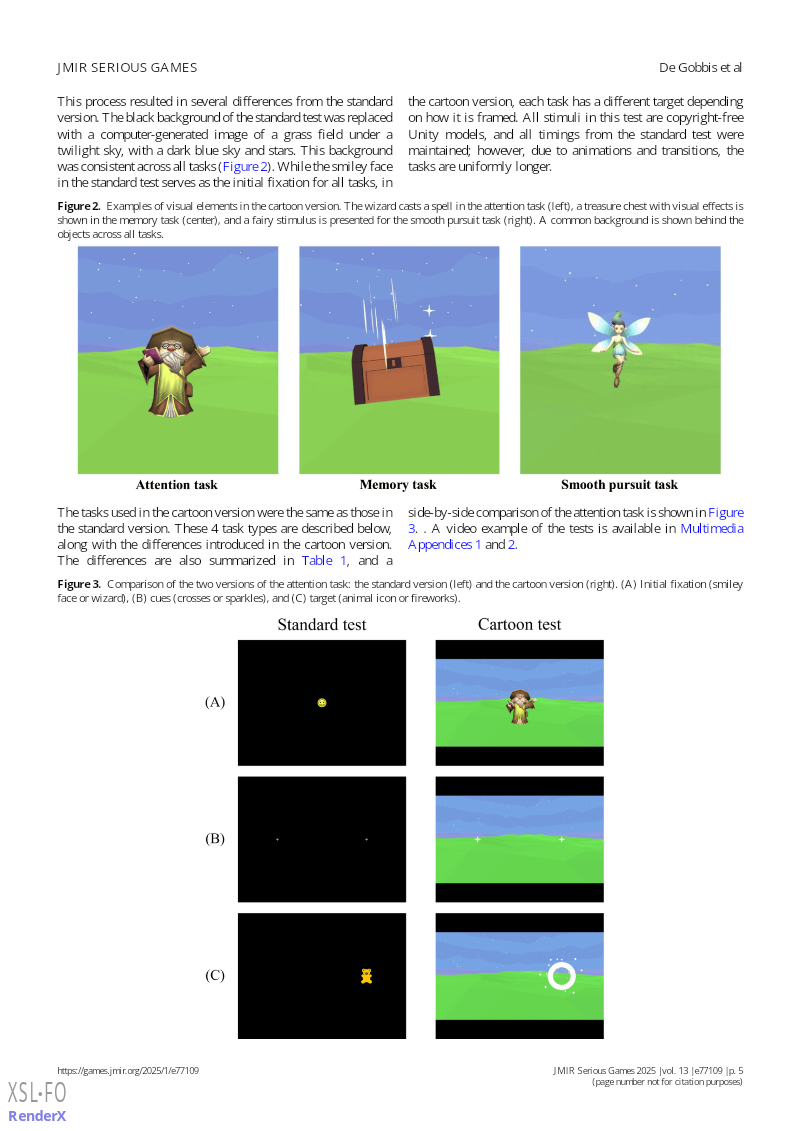
JMIR Serious Games · 2025
JMIR Serious Games · 2025
JMIR Serious Games · 2025
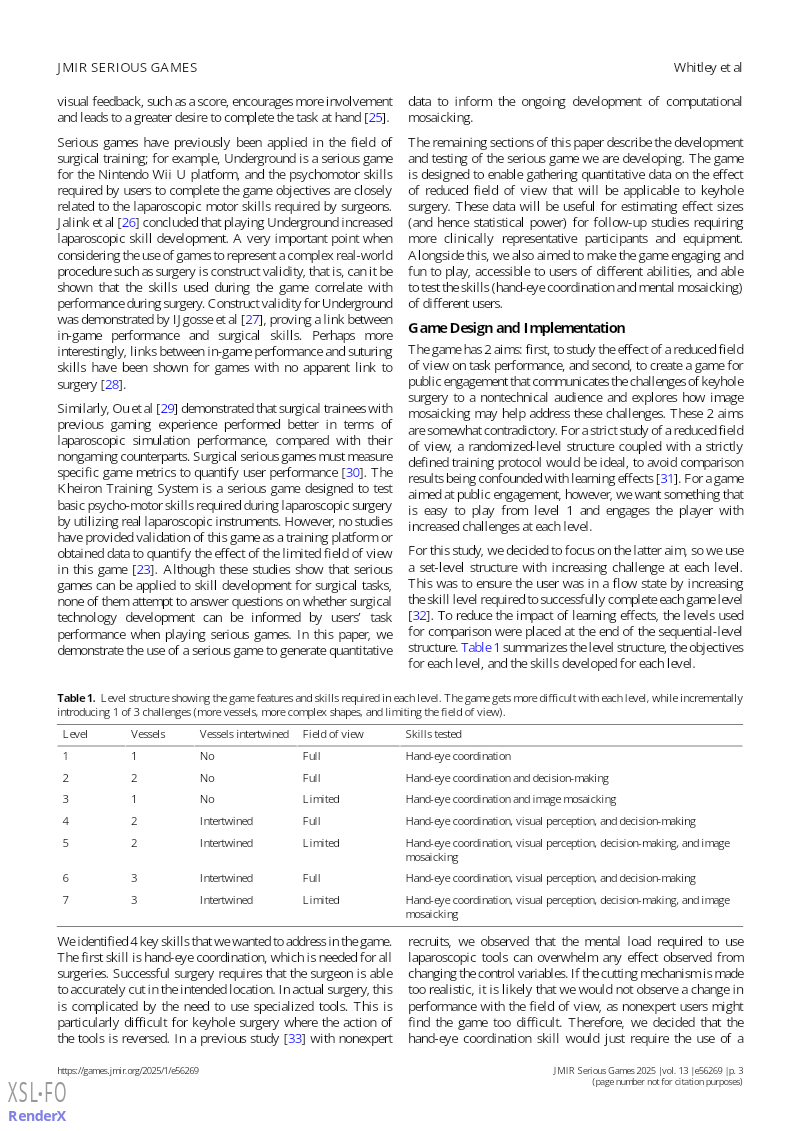
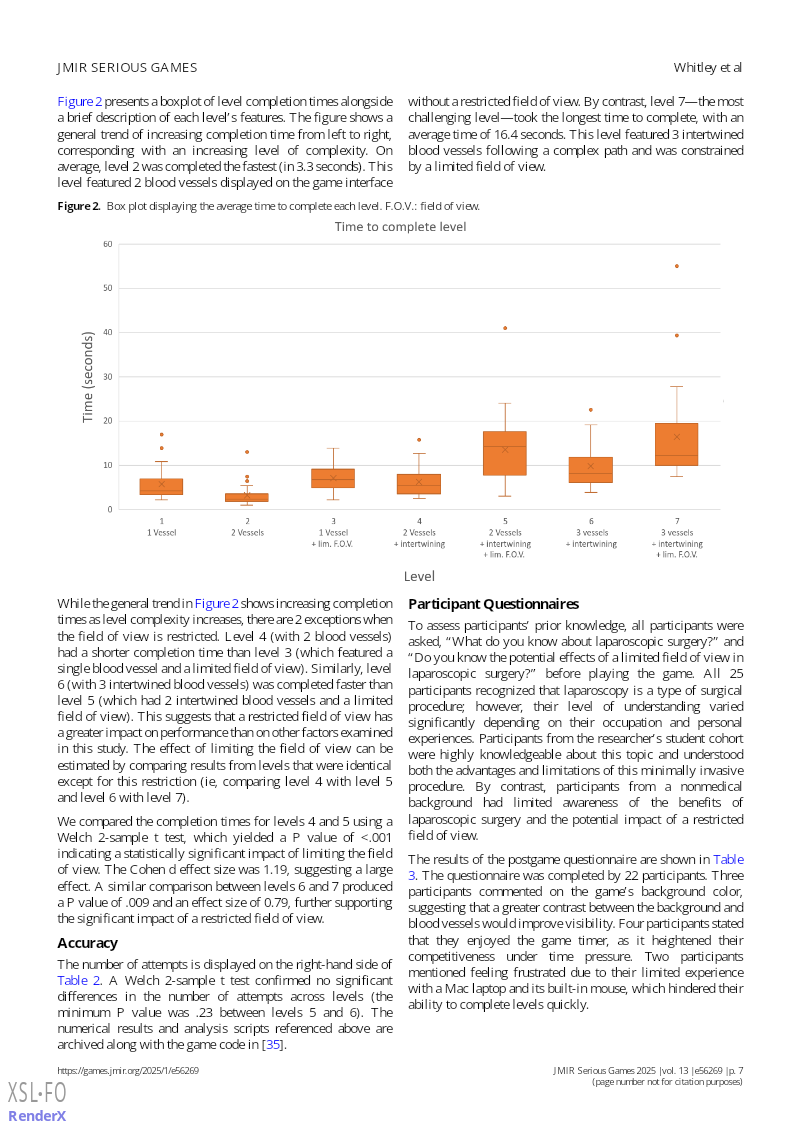
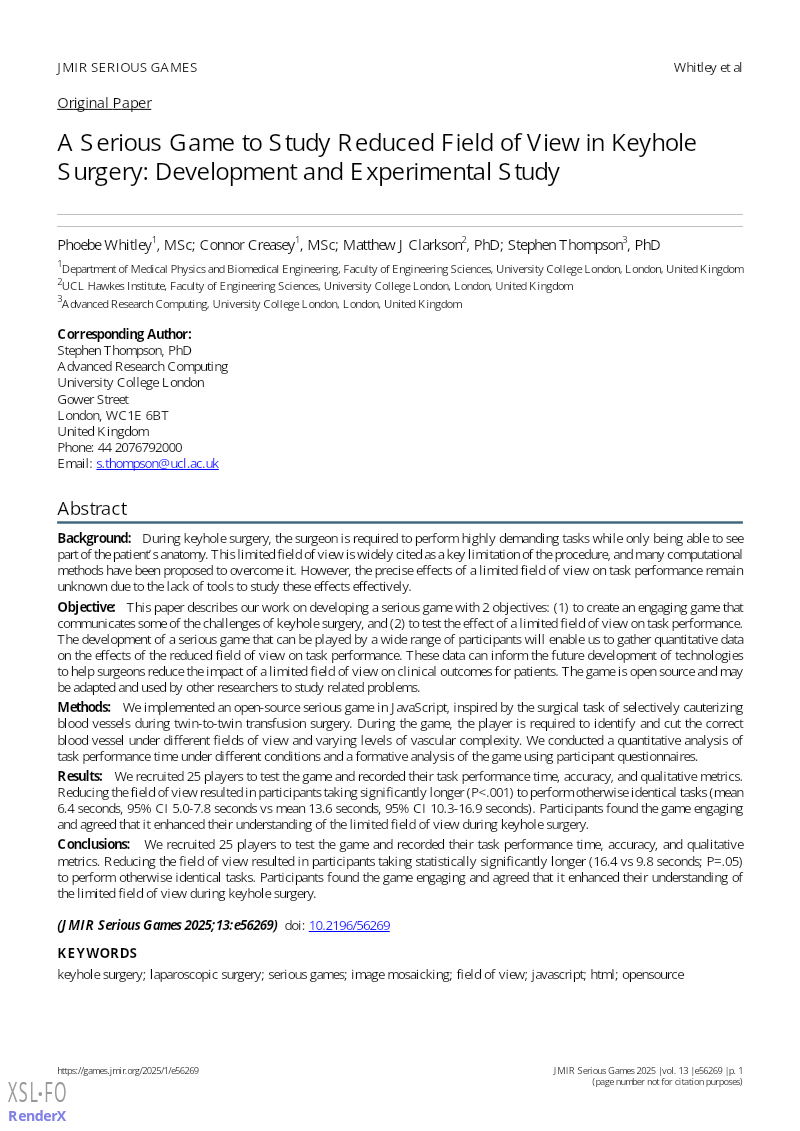
JMIR Serious Games · 2025
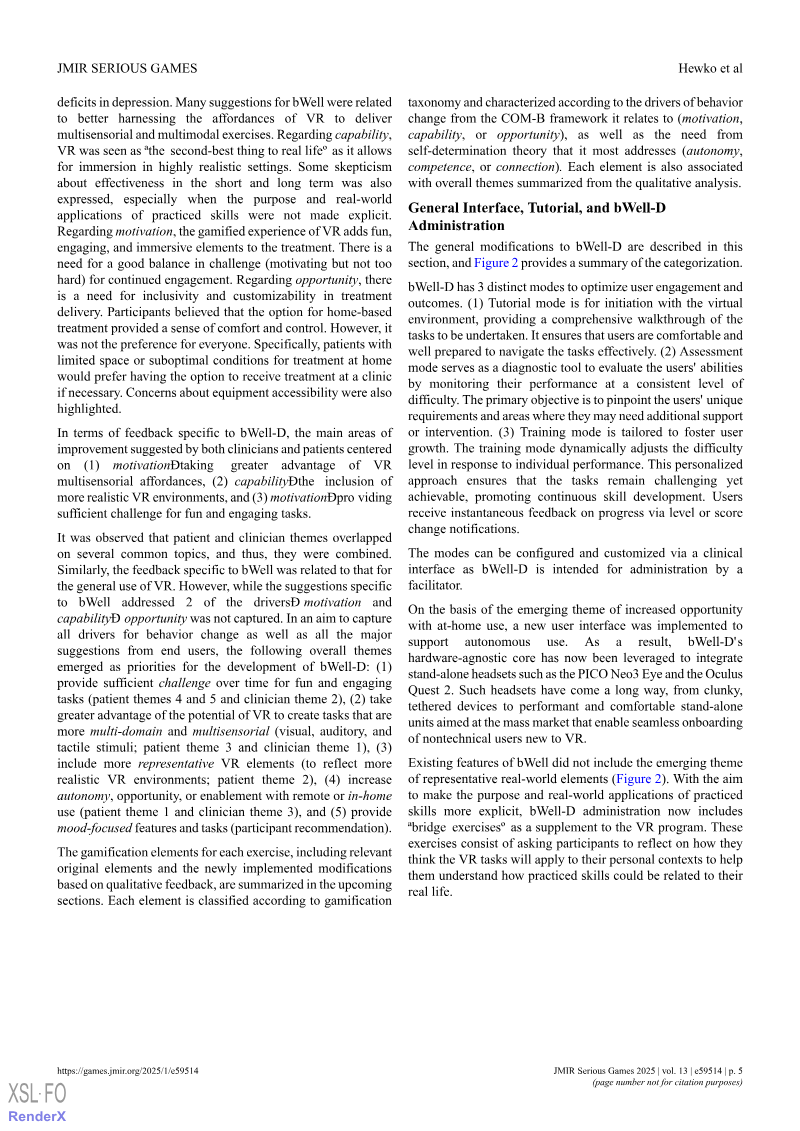
National Research Council Canada · 2025
JMIR Serious Games · 2024
International Journal of Serious Games · 2022






Comments