
Game Developers Conference
Game Developers Conference (GDC, now the GDC Festival of Gaming) is the professional event for the games industry. It publishes recorded talks and interviews, annual industry survey reports such as the State of the Game Industry, and news articles.
Documents
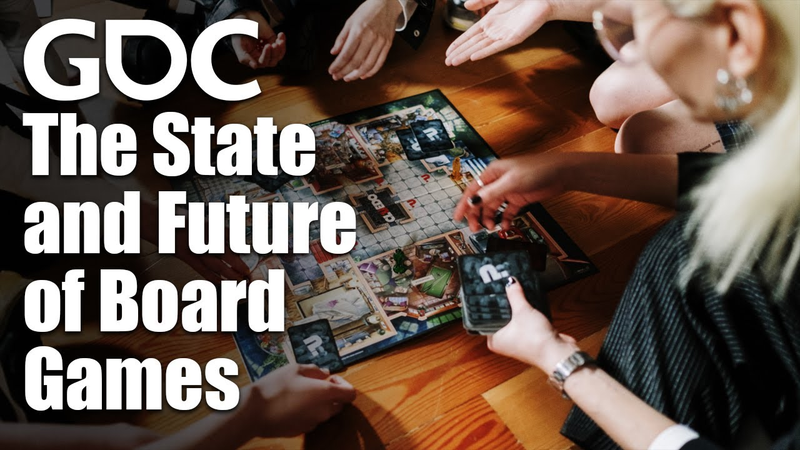
The State and Future of Board Games 2023
The tabletop gaming industry is currently undergoing a fundamental transformation, shifting from a model of static product sales toward a dynamic, service-oriented ecosystem.
- Designers are increasingly prioritizing ecological sustainability to reduce greenhouse gas emissions while simultaneously lowering production costs to combat a softening economy.
- Rapid prototyping tools like Tabletop Simulator have become essential for hybrid development, allowing designers to iterate quickly despite the limitations of digital physical interaction.
- Game designers are leveraging community-driven platforms like Discord to treat games as evolving, collaborative projects rather than static products, often supporting players with alternative gameplay modes instead of traditional expansions.

No-Budget DIY Marketing for Indie Games
Indie game marketing is most effective when developers adopt a sustainable, low-cost framework that prioritizes authentic community building over expensive advertising campaigns.
- Steam wishlists are a critical metric, as they typically convert to sales at a rate of 10% to 30% within the first year of release.
- Developers should implement a consistent 'one hour a day' marketing schedule: Mondays for social media, Tuesdays for press lists, Wednesdays for networking and festivals, Thursdays for devlogs and Steam page updates, and Fridays for content creation.
- Game descriptions should prioritize the core player experience and unique setting rather than relying on comparisons to existing titles, which can clutter messaging and confuse potential players.

"Soft" Skills Are Hard! Acing the Non-Technical Interview Questions
Effective interview preparation requires balancing technical proficiency with strong interpersonal communication skills.
- Treat behavioral questions as strategic opportunities to demonstrate professional maturity and self-awareness rather than as obstacles to be navigated.
- Structure responses to questions about past failures or conflicts using a three-part framework: describe the situation, explain the outcome, and detail the specific lessons learned.
- Create a master document of key achievements and stories from your resume, focusing on keywords to trigger authentic narratives instead of memorizing rigid scripts.
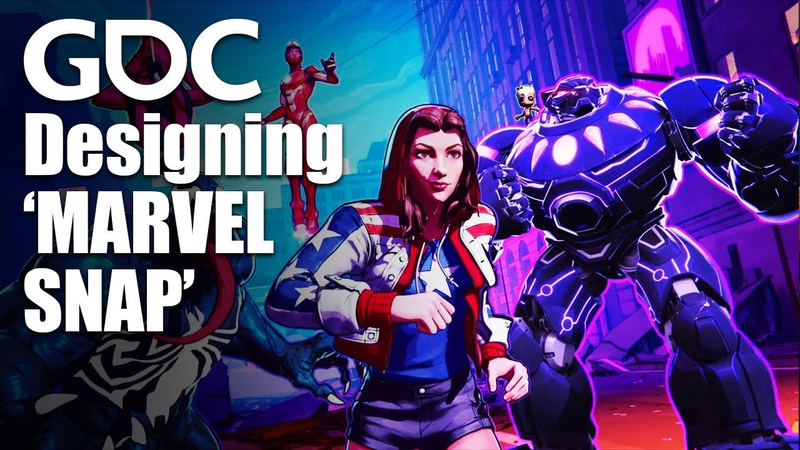
Designing 'MARVEL SNAP'
The design of Marvel Snap centers on the philosophy that true strategic depth is achieved not through complexity, but through the elegant refinement of core mechanics.
- Marvel Snap achieves strategic depth by integrating the high-stakes doubling cube mechanic from poker with unpredictable, location-based board game variables.
- The game design prioritizes accessibility through minimal card text and intuitive, self-descriptive mechanics, ensuring a low barrier to entry while maintaining a high decision-making ceiling.
- To optimize for mobile responsiveness, the development team removed manual targeting and relied on implied mechanics, a process refined over four years of iterative prototyping.
The Golden Rule of Game Promotion: No One Cares About Your Game
The fundamental challenge for independent game developers is overcoming the inherent lack of audience awareness that plagues new titles.
- Assume total public indifference toward your game and focus exclusively on capturing the attention of cold audiences who have no prior knowledge of your project.
- Prioritize front-loading promotional content by ensuring trailers and social posts deliver a compelling hook within the first few seconds to minimize viewer attrition.
- Treat every piece of communication as a standalone introduction, avoiding the assumption that the audience has seen previous updates or possesses existing context.
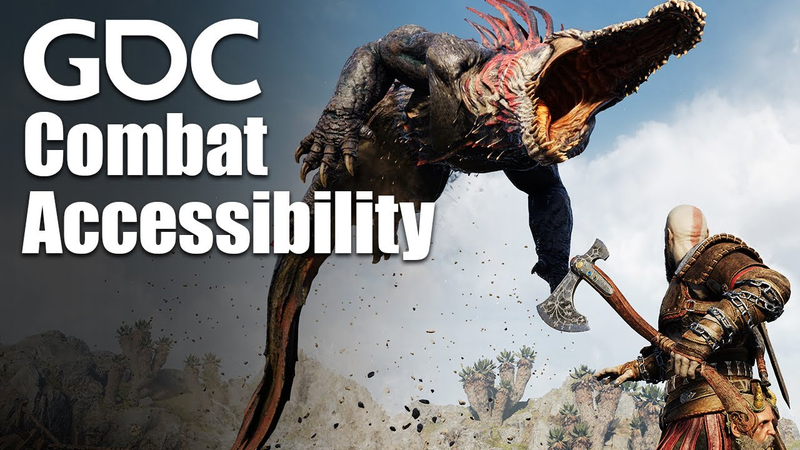
Breaking Barriers: Combat Accessibility in 'God of War Ragnarök'
The development of God of War Ragnarök prioritized the removal of unintentional barriers for players with motor and sensory disabilities, establishing a framework where accessibility features enhance rather than diminish the core combat experience.
- Accessibility features should be implemented by focusing on low-conflict, high-value tasks first, such as expanded control remapping and automating contextual traversal, to build internal confidence and demonstrate player value.
- Designers should avoid building overly specific 'assists' based on assumptions of player intent, opting instead for generic models that allow players to maintain agency, such as sub-target aim flicking that functions regardless of lock-on status.
- Accessibility features can conflict with intended design, such as mini-boss checkpoints that inadvertently trivialize combat; these should be placed in dedicated accessibility menus to ensure they are used by players who truly need them rather than those simply seeking an easier experience.

Finding Your Voice on TikTok
TikTok serves as a high-conversion marketing channel for game developers, offering a unique opportunity to drive Steam wishlist growth through organic, non-paid content.
- Prioritize low-production, authentic content over polished corporate trailers to bypass audience skepticism and drive organic Steam wishlist growth.
- Optimize for the TikTok algorithm by focusing on watch time and completion rates, utilizing a clear setup-and-payoff narrative structure.
- Keep videos between 15 and 30 seconds long, ensuring an immediate visual hook within the first second to capture viewer attention.
Climate Games: The Developer's Field Guide
The video game industry possesses a unique capacity to address the climate crisis by balancing internal operational sustainability with the external influence of interactive media.
- Developers should integrate climate-conscious messaging directly into core game mechanics and narratives rather than relying on superficial carbon-offsetting initiatives.
- Effective environmental influence requires designing experiences that foster four psychological pillars: actionable knowledge, positive attitudes, self-efficacy, and hope.
- Studios can mitigate their environmental impact by prioritizing graphic sobriety and rigorous technical optimization of game development and distribution.
The Many Dimensions of Kirby
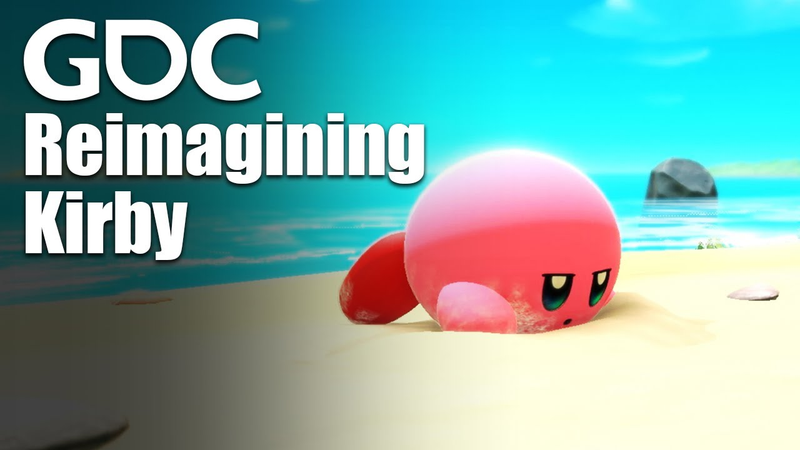
The Kirby franchise maintains its long-standing reputation for accessibility by meticulously bridging the gap between 2D precision and 3D exploration.
- To solve the difficulty of judging depth in 3D space, the developers implemented a 'hit-when-it-looks-like-it-should' system that registers damage even if a projectile technically misses, provided the visual alignment suggests a hit.
- The development team utilized a point-based homing system for attacks, which calculates target priority based on the character's facing direction to ensure combat remains fluid and intuitive for players.
- To maintain player focus in 3D environments, the team implemented controlled camera angles that automatically frame relevant objects and enemies within the player's field of view.
From Box Products to Live Service: How 'Destiny 2' Transformed Bungie
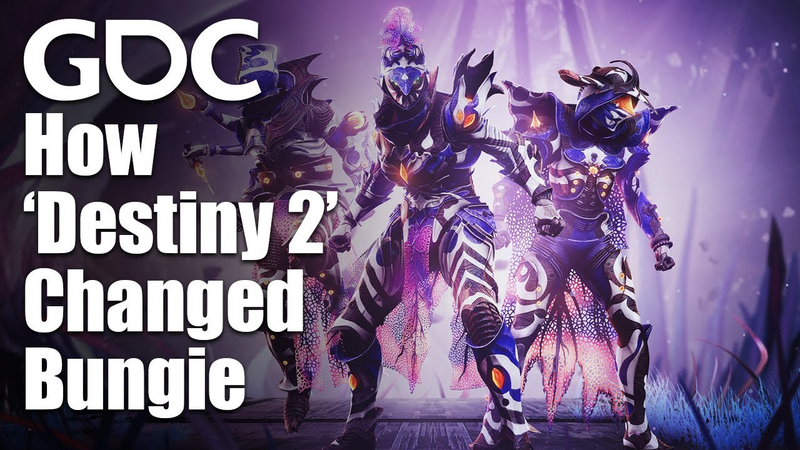
The transition of Destiny 2 from a traditional box product to a sustainable live service model serves as a blueprint for modern game development, emphasizing long-term player engagement over initial launch performance.
- In February 2018, Destiny 2 faced a critical retention crisis where projections indicated the entire player population would be exhausted within five weeks, forcing Bungie to shift from a box-product mindset to a live-service model.
- Success in live services is defined by velocity—the speed at which a studio can iterate based on community feedback—rather than the game's position or state at launch.
- Bungie transitioned from a 'heroic' development culture, which relied on final-push crunches to ship polished products, to a rigorous, sustainable cadence that treats development as a continuous train station where new content must be ready before the previous release departs.

Being Successful with Open Source in Game Development
Open source development functions as a strategic catalyst for the modern game industry, shifting the focus from proprietary isolation to collaborative innovation.
- Open source development allows game studios to focus internal resources on unique creative value by pooling efforts on foundational, non-proprietary 'industry plumbing' such as Agones and Open Match.
- Adopting a collaborative model provides commercial advantages, including increased company visibility, access to a global talent pool, and the ability to establish industry-wide technical standards.
- Studios can mitigate the risks of licensing complexities and maintenance costs by utilizing structured governance, clear documentation, and support frameworks like the TODO Group.
2023 Game Developers Choice Awards (GDCA)
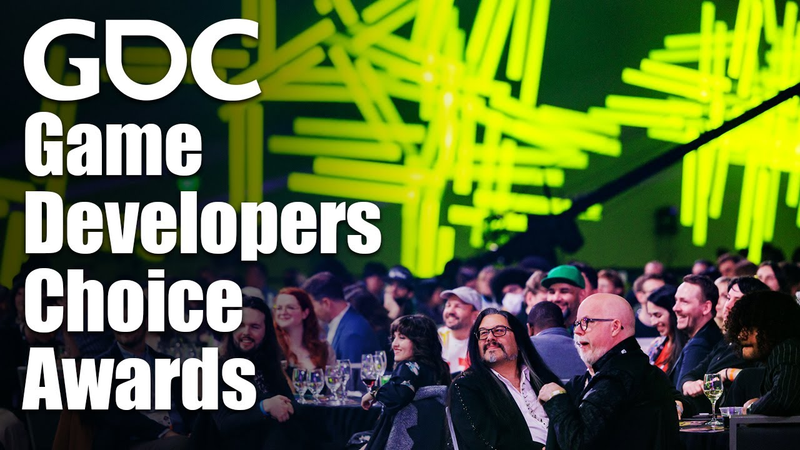
The 23rd annual Game Developers Choice Awards served as a comprehensive celebration of both contemporary industry achievements and the historical foundations of interactive entertainment.
- Elden Ring dominated the 23rd annual Game Developers Choice Awards, winning Game of the Year, Best Design, and Best Visual Art.
- God of War Ragnarök secured three major awards, specifically for Best Audio, Best Technology, and the Audience Award.
- The industry recognized historical contributions by awarding the Lifetime Achievement Award to John Romero for his work in the first-person shooter genre.