
Game Developers Conference
Game Developers Conference (GDC, now the GDC Festival of Gaming) is the professional event for the games industry. It publishes recorded talks and interviews, annual industry survey reports such as the State of the Game Industry, and news articles.
Documents
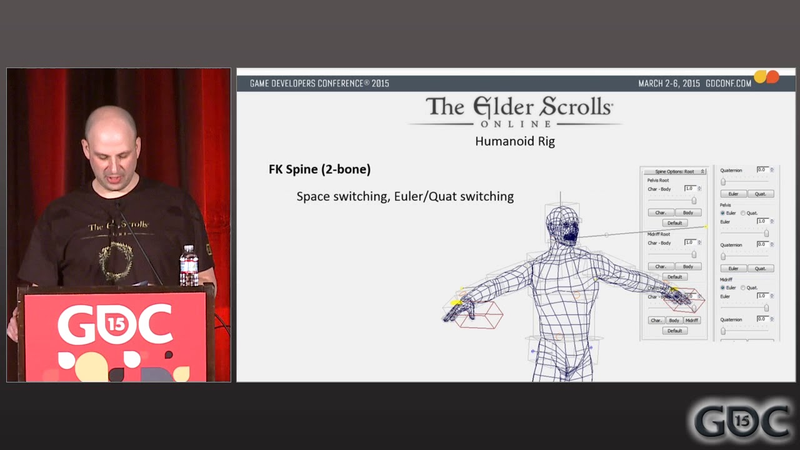
Tech Art in Tamriel: The Elder Scrolls Online's Character Tools and Pipeline
The development of The Elder Scrolls Online required a sophisticated, data-driven technical art pipeline to manage the massive scale of its character assets.
- The Elder Scrolls Online utilized a modular, XML-based rigging system in 3ds Max to manage character assets across ten playable races and ninety unique monster rigs.
- To meet DirectX 9 performance constraints, the team enforced a standardized humanoid rig limited to 77 bones, enabling automated asset creation and procedural animation for elements like robes and tails.
- A data-centric architecture allowed for the management of thousands of armor and character combinations while enabling tool updates across the network without requiring software restarts.
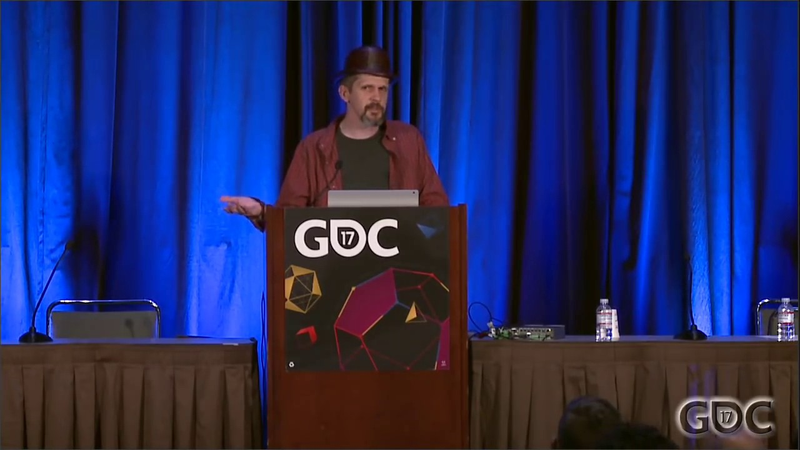
Creating 'Burgle Bros': The Fantasy of the Heist
In this 2017 GDC talk, board game designer Tim Fowers explores the intersection of game mechanics and emotional resonance, using his cooperative heist game, Burgle Bros, as a primary case study.
- Designers should treat board games as software that runs on people, focusing on engineering specific emotional states like tension and altruism rather than just simulating narrative tropes.
- To capture the 'fantasy' of a heist, replace rigid pre-game planning phases with dynamic, real-time exploration systems that force players to adapt to uncertainty.
- Using hidden information, such as face-down tiles, and unpredictable AI movement creates a balance between tactical agency and high-stakes risk that fosters collaborative decision-making.
Super Time Force: Solving the Time Travel Paradox
The development of the 2D run-and-gun shooter Super Time Force required solving complex game design paradoxes inherent in time-manipulation mechanics.
- Super Time Force manages time-travel paradoxes by implementing a 'Level Entropy' system that enforces a rule where entropy must always increase, ensuring that past modifications never leave players worse off or enemies better off than in the original timeline.
- The game utilizes a 'Quantum Entanglement' mechanic to resolve causality violations, allowing the game to forcibly reinsert outcomes from past timelines into the current one even if the original cause of an event was altered.
- To solve the 'Quantum Measurement Problem' and maintain control over level flow, the game uses an 'Observer System' that ensures entities only interact with the world when they are deemed observable by the player, preventing unintentional interactions in unvisited areas.
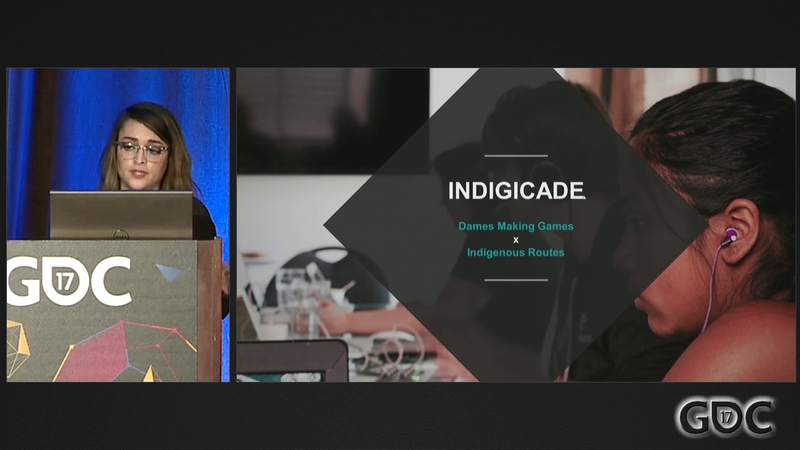
Making Diversity and Inclusion Work
Diversity and inclusion initiatives within the gaming and technology sectors function most effectively when treated as an evolving, systemic process rather than a static checklist of corporate policies.
- Diversity and inclusion must be treated as an evolving, systemic process rather than a static checklist of corporate policies to drive meaningful organizational progress.
- Companies should shift toward a growth mindset where employees at all levels prioritize continuous learning and introspection to dismantle the root causes of exclusionary behavior.
- Top-down mandates and superficial quotas often trigger defensive reactions that undermine collaboration, whereas meritocracy and diversity should be viewed as symbiotic forces for identifying high-quality ideas.
Rediscovering Authentic Creativity
Authentic creativity requires a deliberate departure from the primal instincts of fear, shame, and perfectionism that often stifle innovation.
- Authentic creativity is achieved by consciously suppressing fear, shame, and perfectionism, which allows designers to bypass the ego-driven constraints of the lizard brain.
- Designers should limit digital over-stimulation and practice intentional presence to build a unique internal library of experiences that transcends derivative industry trends.
- The technique of mental noting—a meditative observation of one's surroundings—is a primary method for gathering original, real-world perspectives to inform creative projects.

Trial by Fire: The Making of Little Inferno
Little Inferno, developed by Tomorrow Corporation, serves as a case study in indie game development, specifically highlighting the challenges of balancing creative ambition with production constraints.
- Tomorrow Corporation achieved commercial success with Little Inferno, selling over one million copies across six platforms including PC, mobile, and Wii U.
- The project served as a critical transition for the developers, allowing them to move from traditional industry roles into full-time independent game development.
- Development took two and a half years, significantly exceeding the team's original six-month projection due to the complexity of the project.
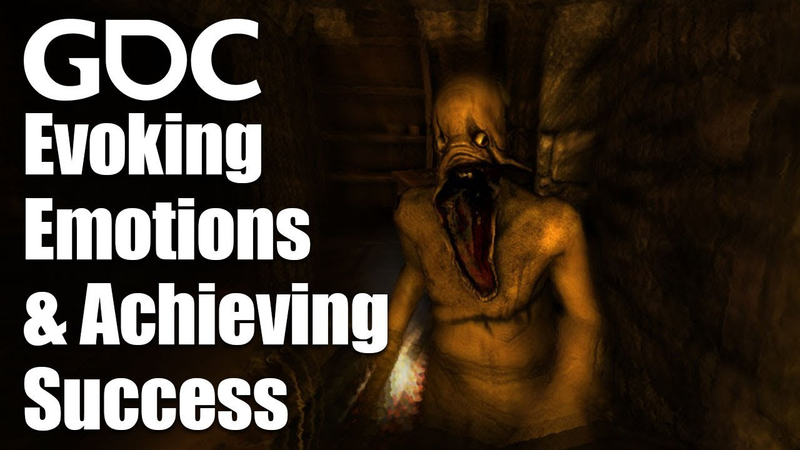
Evoking Emotions and Achieving Success by Breaking All the Rules
The primary objective of modern game design should be the prioritization of emotional resonance over the adherence to traditional mechanical conventions.
- Prioritize emotional resonance over traditional mechanical conventions to foster deeper player immersion and narrative engagement.
- Dismantle standard industry tropes like combat systems, competitive scoring, and punishing death loops to shift the experience from trial-and-error to a cohesive role-playing encounter.
- Replace traditional fail states with dynamic systems that emphasize psychological tension, as demonstrated by the success of 'Amnesia: The Dark Descent'.
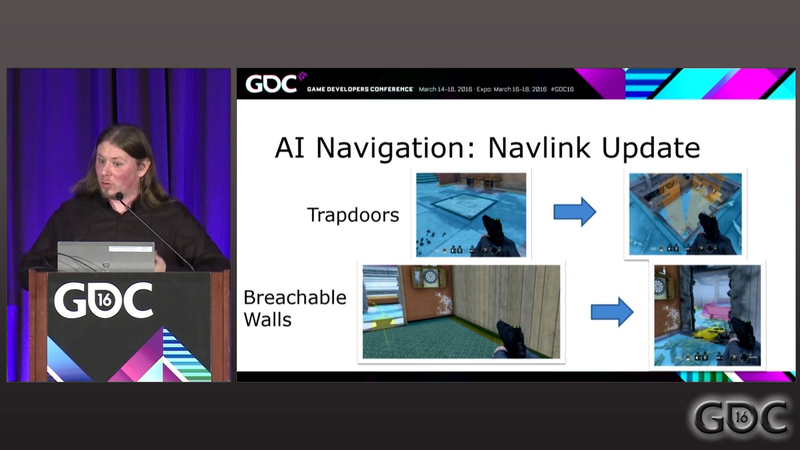
The Art of Destruction in Rainbow Six: Siege
The Realblast engine serves as the foundational architecture for Rainbow Six: Siege, shifting environmental destruction from a scripted visual effect to a core tactical mechanic.
- Destruction in Rainbow Six: Siege is a core gameplay mechanic that functions as a tactical tool, allowing players to create new paths, sightlines, and murder holes while enabling defenders to reinforce walls to funnel attackers.
- The development team utilized a custom-built solution called 'Realblast' to manage environmental destruction, which relies on a graph-based model where connections between objects are broken to create independent, destructible fragments.
- To maintain performance, the team implemented 'surface destruction' for planar objects, using 2D convex hulls to represent holes rather than costly full-geometry simulations.
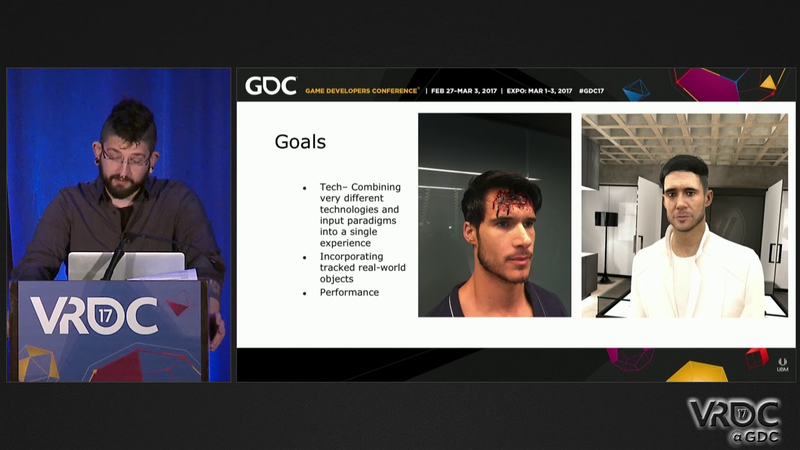
Westworld VR: Combining Linear and Interactive Content to Tell Character-Centric Stories
The Westworld: A Delos Experience project serves as a case study in the integration of linear storytelling with interactive virtual reality.
- Prioritize narrative integrity over technical complexity by aggressively removing interactive features that distract from the core character-centric story.
- Limit user affordances to maintain focus, as field testing confirmed that participants stop attempting to engage with non-functional or secondary interactive elements once they recognize the environment's limitations.
- Bridge film and game production pipelines by blending real-time environments, 360-degree video, and physical set pieces to create a cohesive, immersive experience.
The GDC 2015 Live 2D Animation Demo
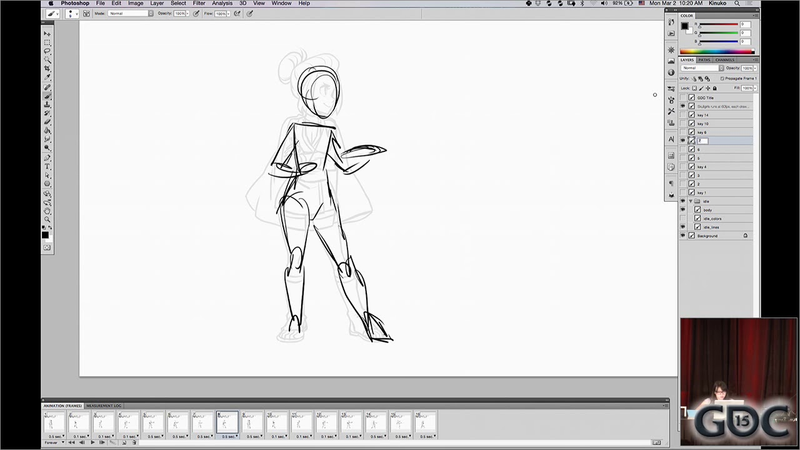
The creation of high-fidelity 2D animation for fighting games requires a meticulous balance between traditional artistic principles and the rigid technical constraints of gameplay mechanics.
- High-fidelity 2D fighting game animation requires a 30fps workflow where frame holds are precisely adjusted to align with combat timings for optimal responsiveness.
- Dynamic impact is generated through manual simulation of secondary motion, such as hair and cape movement, to compensate for the lack of procedural physics in 2D engines.
- Visual clarity during high-speed sequences is maintained by utilizing classic animation techniques like torso twisting, limb delay, and smear frames to bridge key poses.
Innovation on Demand: Paradox Interactive's Strategic Initiatives Division
Paradox Interactive established the Strategic Initiatives division to preserve a grassroots, collaborative culture while navigating the complexities of rapid organizational scaling.
- Paradox Interactive created the Strategic Initiatives division to bypass hierarchical bottlenecks and maintain a grassroots, collaborative culture during periods of rapid organizational scaling.
- The division operates on a lean model that hands off successful projects to permanent departments, preventing internal bloat and ensuring creative momentum remains fluid.
- Performance metrics for the division show a 30 percent success rate, 30 percent mixed results, and 40 percent of initiatives remaining unexecuted.
Skill, Matchmaking, and Ranking Systems Design
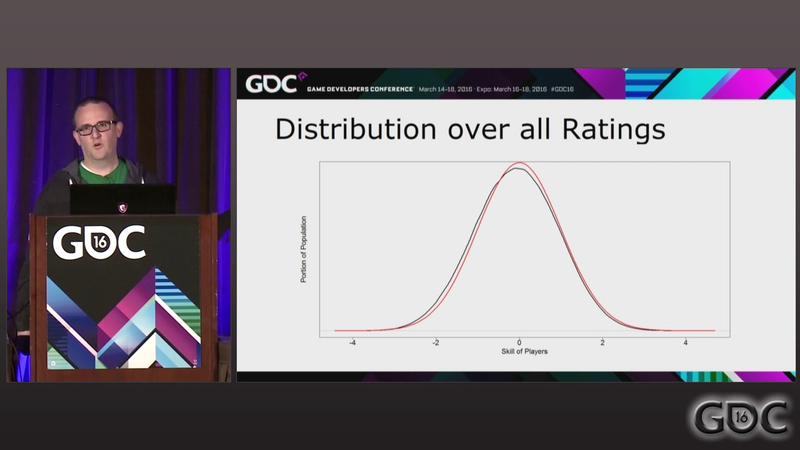
Effective matchmaking and ranking systems require a cohesive design strategy that treats skill assessment, match construction, and progression as distinct yet interconnected components.
- Effective matchmaking relies on a foundational Bayesian ranking system and normal distribution modeling to accurately calculate win probabilities and maintain competitive balance.
- To maximize match quality, developers should prioritize technical constraints like latency and social connectivity while avoiding player base fragmentation caused by excessive game modes.
- Designers should treat party skill as a unified metric and utilize global server pools to ensure the largest possible player population for balanced matchmaking.