
European Conference on Games Based Learning (ECGBL)
Annual European conference on game-based learning and serious games; its proceedings are published open access (CC BY) by Academic Conferences International.
Documents



Designing VR Games for Emotional Intelligence: Participatory Design Insights from Children
This paper investigates how the Integrated Design Framework for Playful Learning (IDFPL) can guide the design of virtual reality games that build children's emotional intelligence, a set of skills covering the recognition, interpretation, and regulation of emotions in oneself and others.
- The Integrated Design Framework for Playful Learning (IDFPL) was used to guide participatory design sessions in which 20 children aged 7 to 14, working in seven teams with adult facilitators, designed a VR game teaching an alien character about human emotions.
- Children preferred non-player characters providing guidance and feedback over multiplayer interaction as the social mechanism for emotional learning in VR games.
- Children favored effort-based, noncompetitive rewards, such as partial credit for trying, over competitive scoring to keep emotional learning engaging.
Usability Evaluation of an LMS-Notion Integrated Badge-Based Learning System
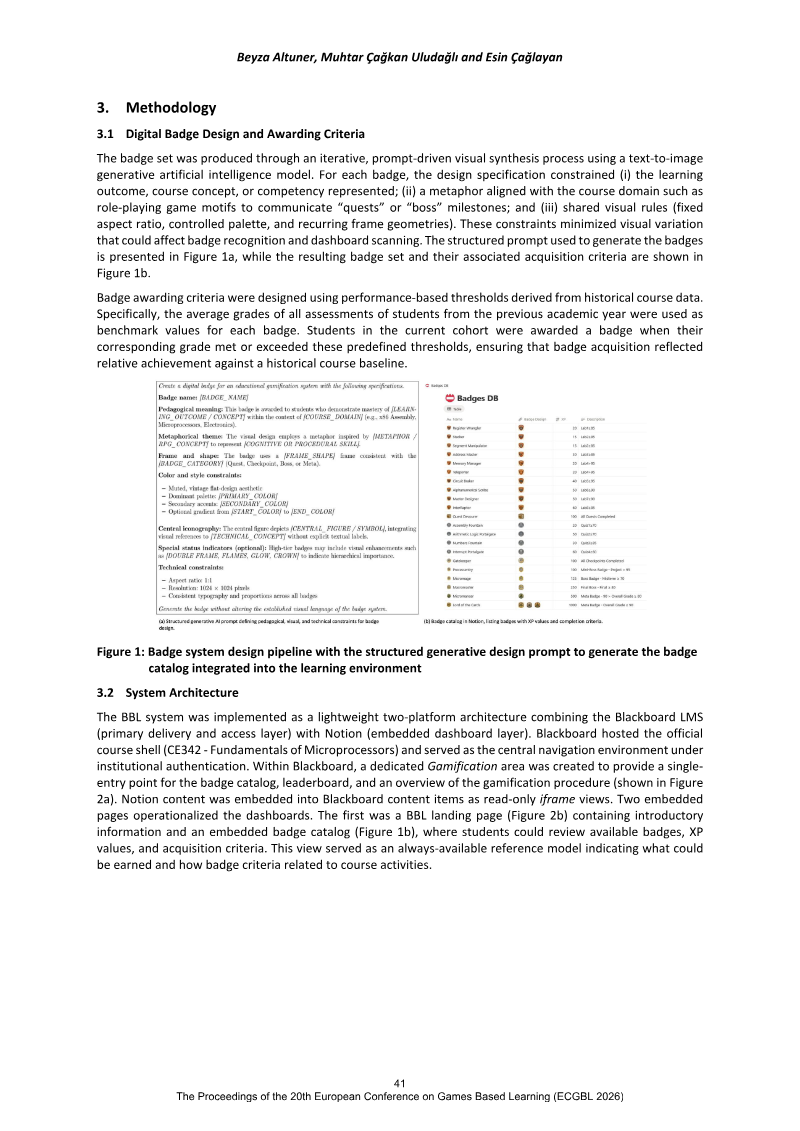
This study evaluates the perceived usability of an integrated badge-based learning system that combines Blackboard LMS with an embedded Notion catalog and leaderboard, deployed in an undergraduate microprocessors course.
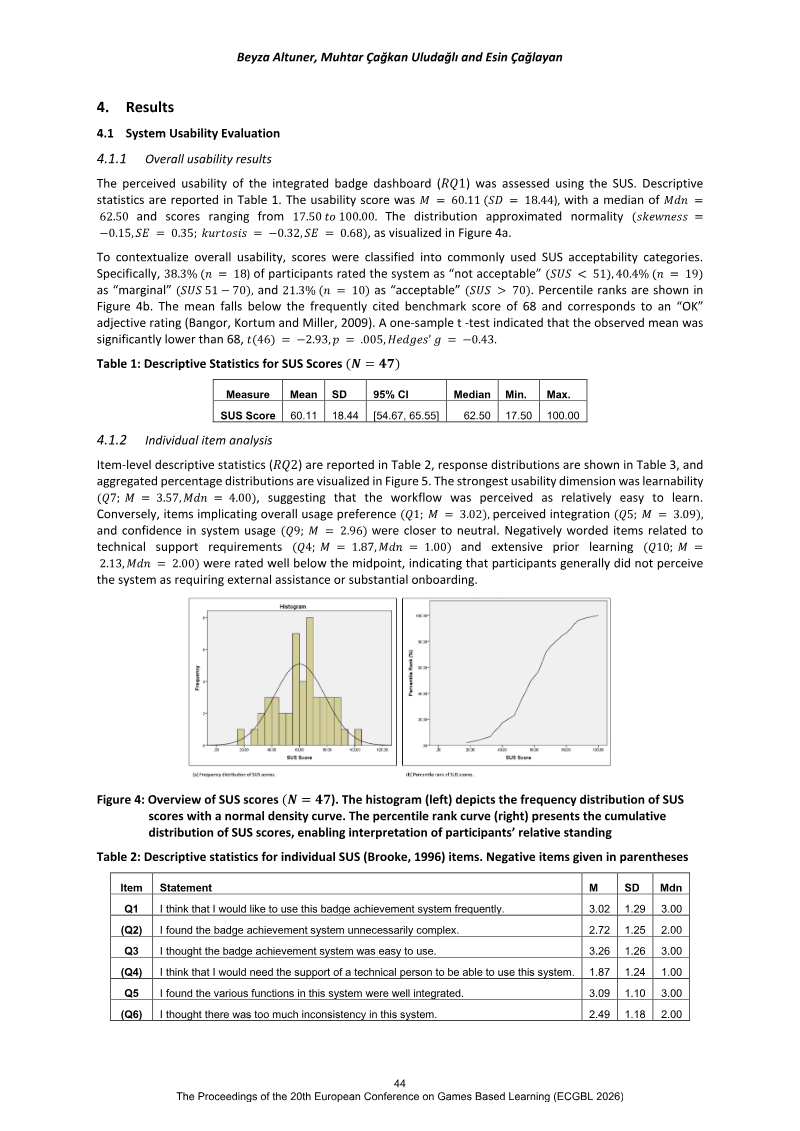
- The Blackboard-Notion badge system scored a mean SUS of 60.11 (SD 18.44) from 47 screened students out of a 52-student cohort, significantly below the 68 benchmark and in the marginal "OK" acceptability range.
- Learnability was the system's clear strength, and respondents reported a low need for technical support.
- Ease of use, confidence in using the system, and perceived integration between Blackboard and Notion received considerably more ambivalent ratings, suggesting the multi-platform arrangement creates interaction friction for learners.
Game-Based Support for Vocational Teachers' Competence Reflection in Professional Development Search
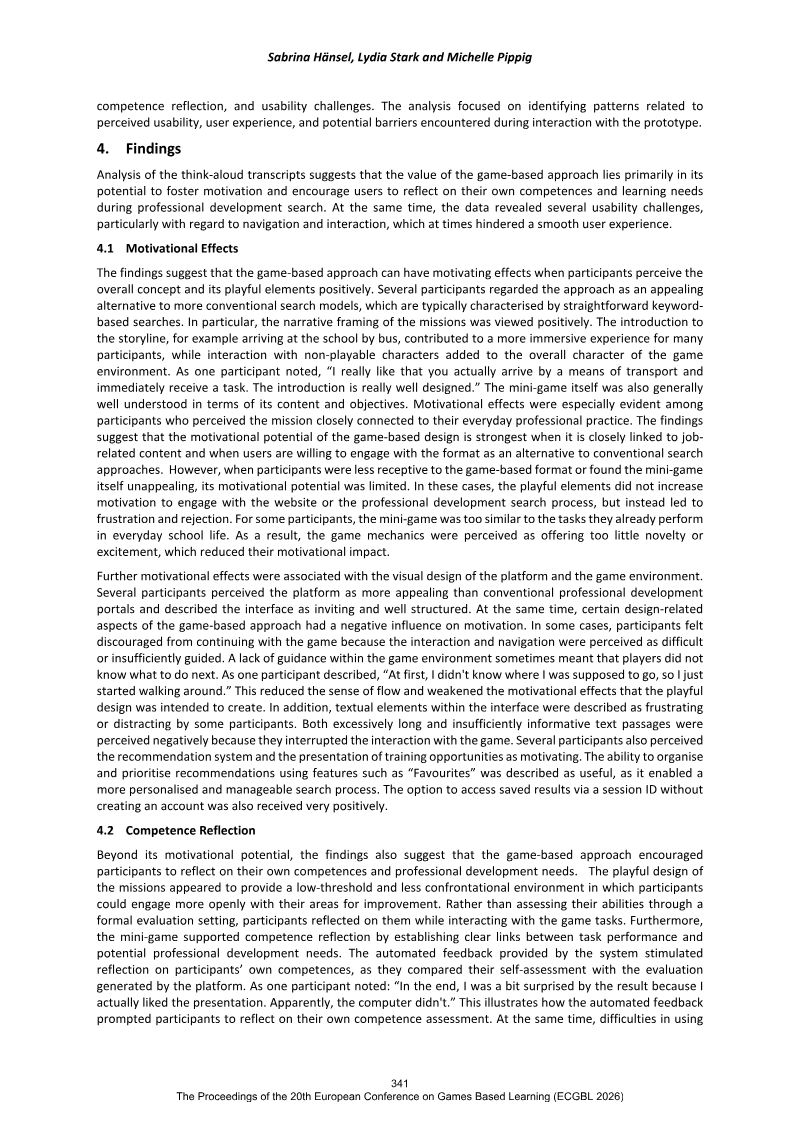
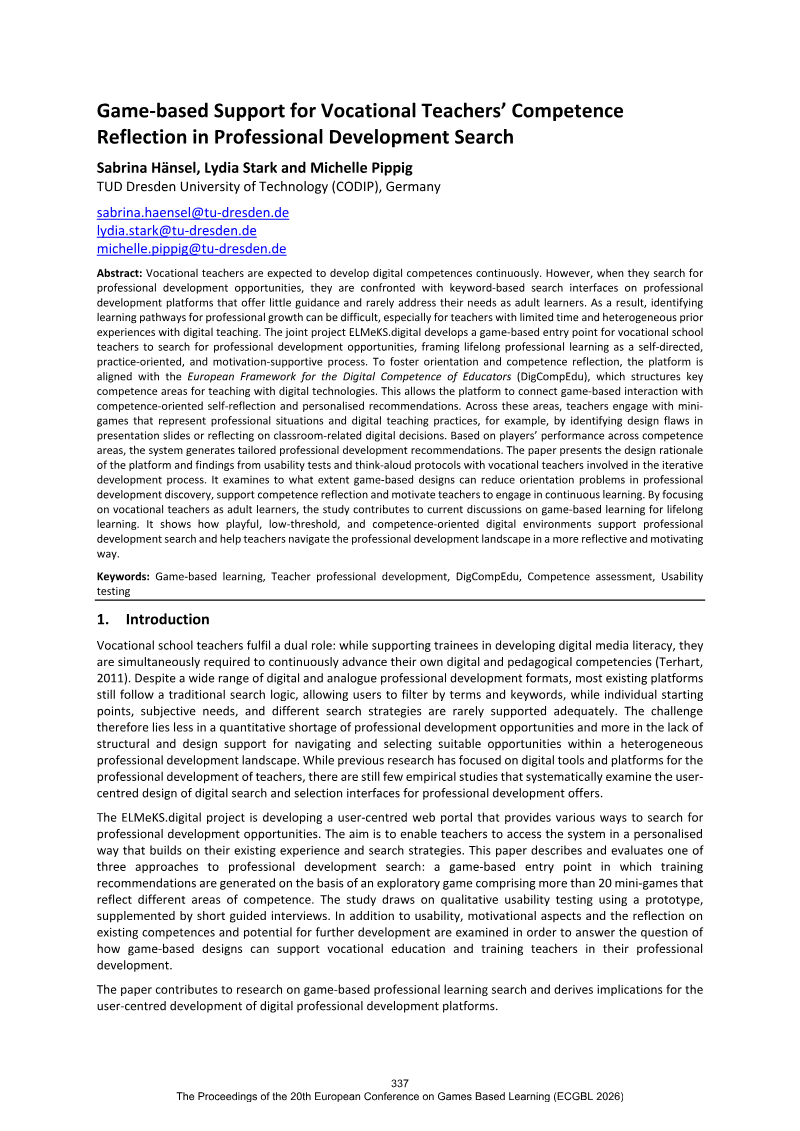
This study examines whether a game-based entry point within the ELMeKS.digital web portal can help vocational teachers find professional development opportunities while prompting reflection on their digital competences, as framed by the DigCompEdu framework.
- A qualitative usability study with nine vocational school teachers evaluated a game-based entry point in the ELMeKS.digital portal, designed to help teachers find professional development while reflecting on DigCompEdu-based digital competences.
- Only one of the 22 planned mini-games was implemented in the prototype, and the recommendations participants saw were simulated placeholders rather than outputs of a working algorithm, so findings are preliminary.
- The narrative, mission-based design appeared to increase motivation and prompt competence reflection, especially when tasks mirrored participants' everyday professional practice.
The Impact of the Educational Game "Castle of Emotions" on the Social-Emotional Learning of Third-Grade Students
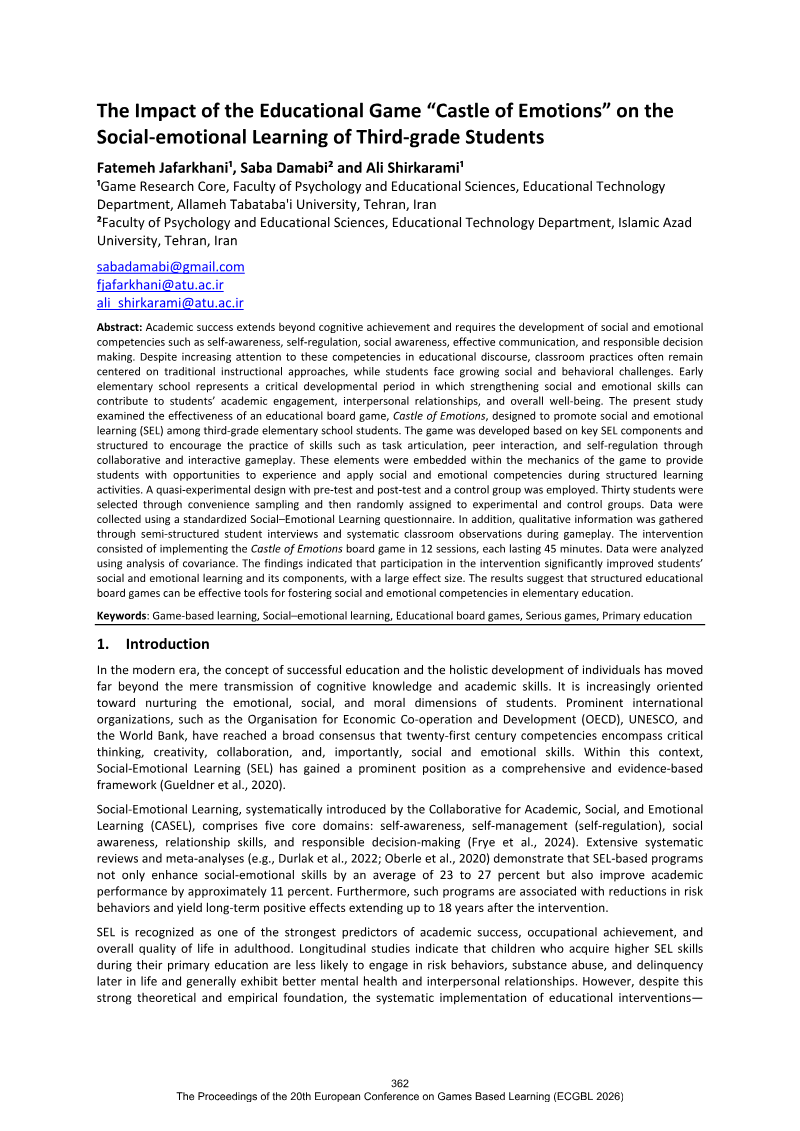
A quasi-experimental study examined whether "Castle of Emotions," a structured educational board game, could improve social-emotional learning (SEL) among third-grade students.
- A quasi-experimental study of 30 female third-grade students in Tehran found that 12 sessions of the board game "Castle of Emotions" (45 minutes, three times a week) produced a significant intervention effect on social-emotional learning, F(1, 27) = 92.55, p < .001, with a large effect size (partial η² = .48).
- The experimental group's mean total SEL score rose from 105.33 to 138.90, while the control group changed only minimally, from 104.80 to 108.20.
- Significant gains were observed specifically in task articulation, peer relationships, and self-regulation.
Stealth Assessment of Children's Connection to Nature in a Serious Game
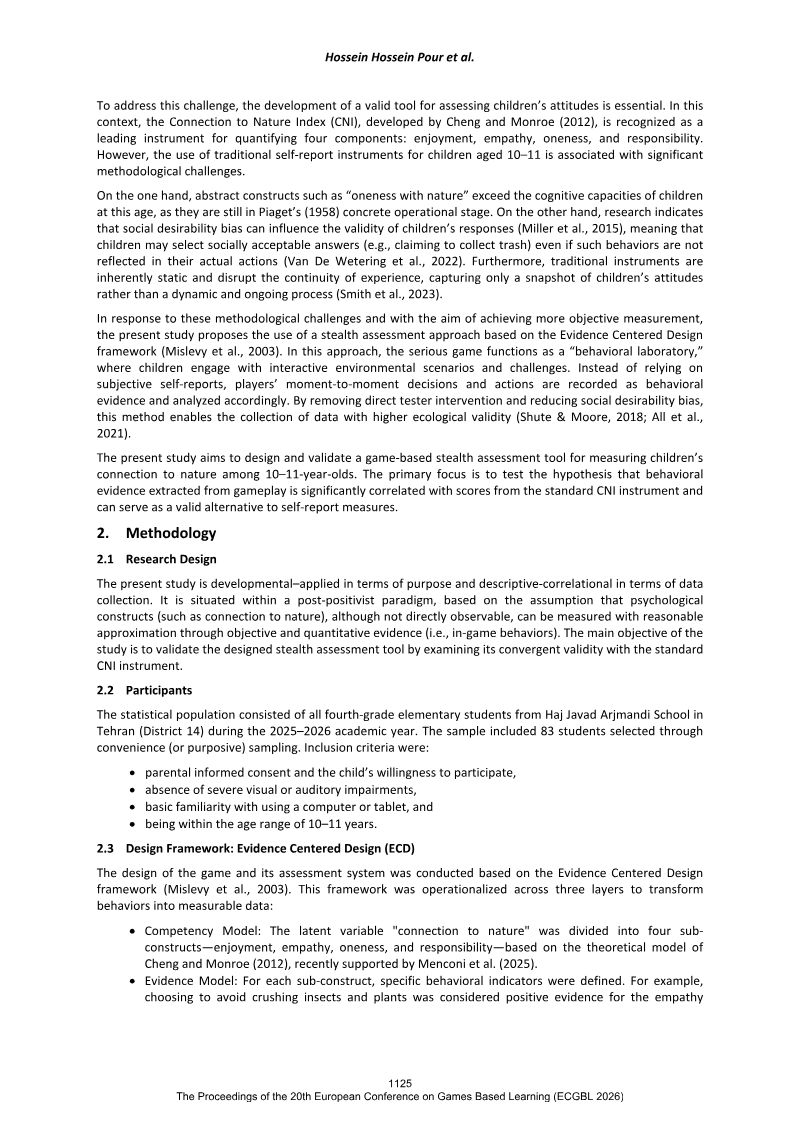
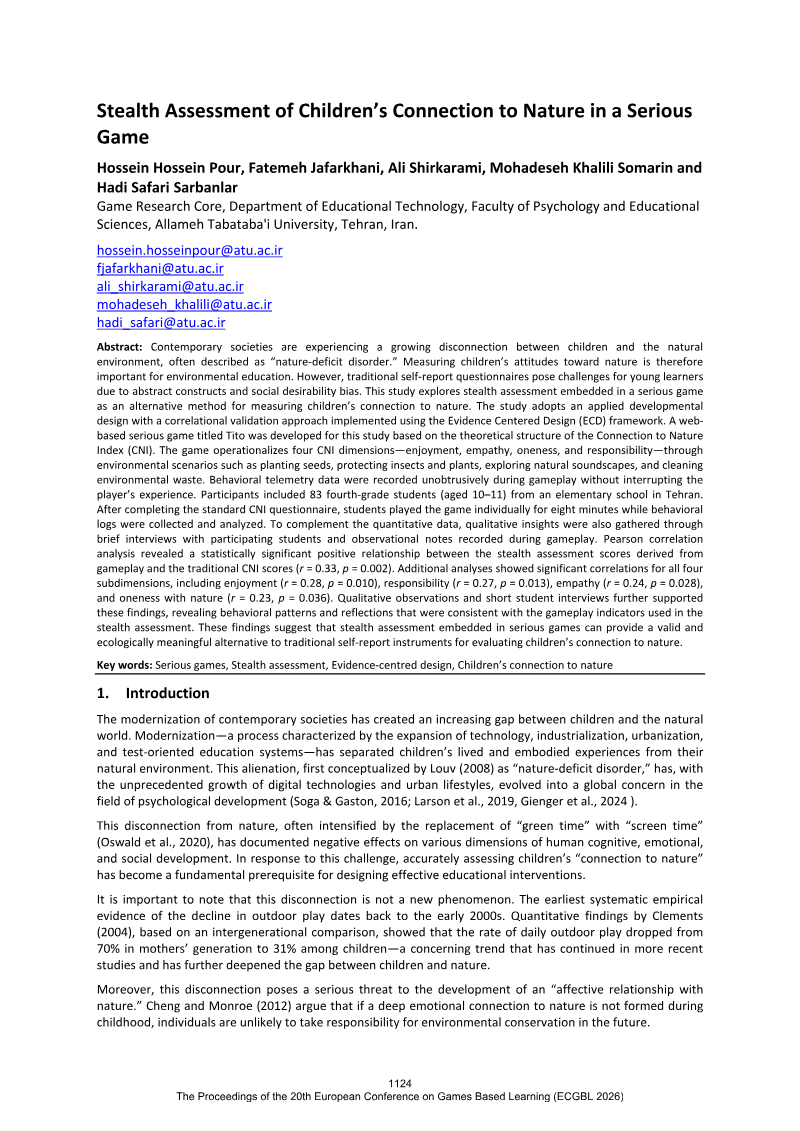
This study develops and validates a stealth assessment tool for measuring children's connection to nature, using a web-based serious game called Tito as an alternative to traditional self-report questionnaires.
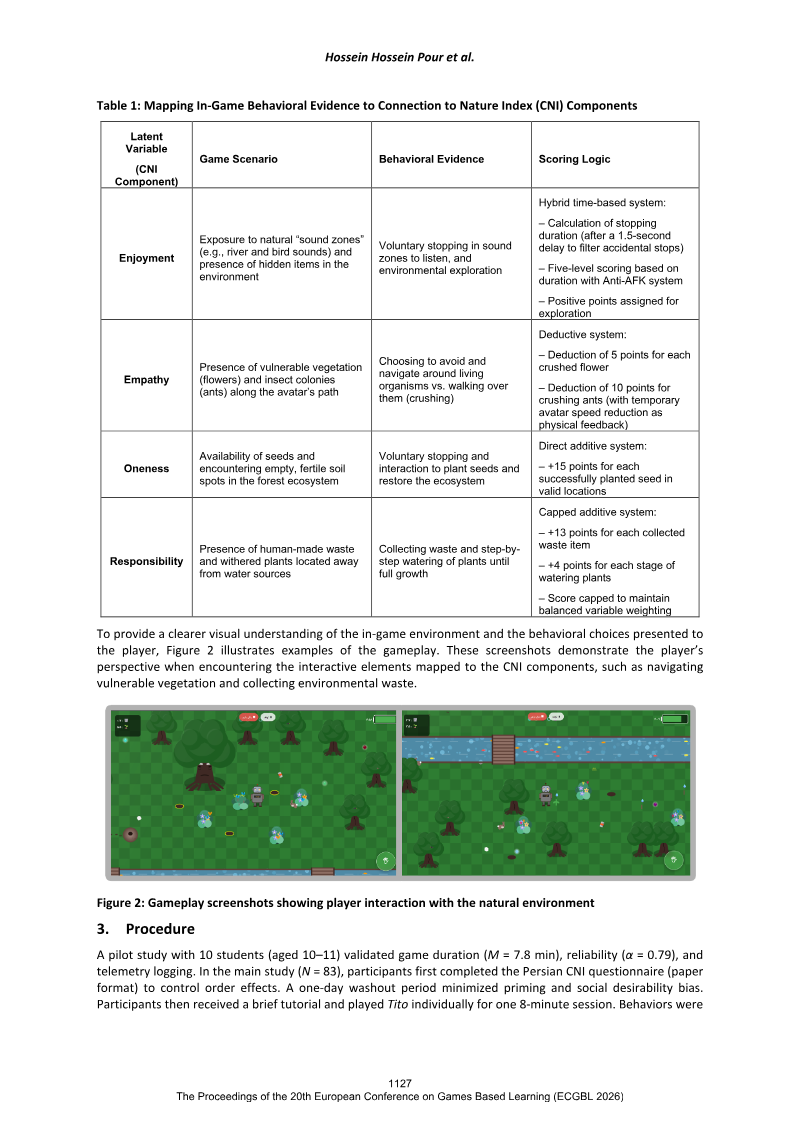
- A web-based serious game called Tito was used as a stealth assessment of children's connection to nature, capturing behavior during play instead of relying on self-report questionnaires.
- Gameplay-derived stealth scores correlated significantly with Connection to Nature Index (CNI) total scores (r = 0.33, p = 0.002) among 83 fourth-grade students in Tehran, Iran.
- Significant but smaller correlations were found for each CNI subdimension (enjoyment, empathy, oneness, responsibility), ranging from r = 0.23 to 0.28.

Strategic Thinking Through Game-Based Learning: The Educational Board Game "Princess of the Silk Road"
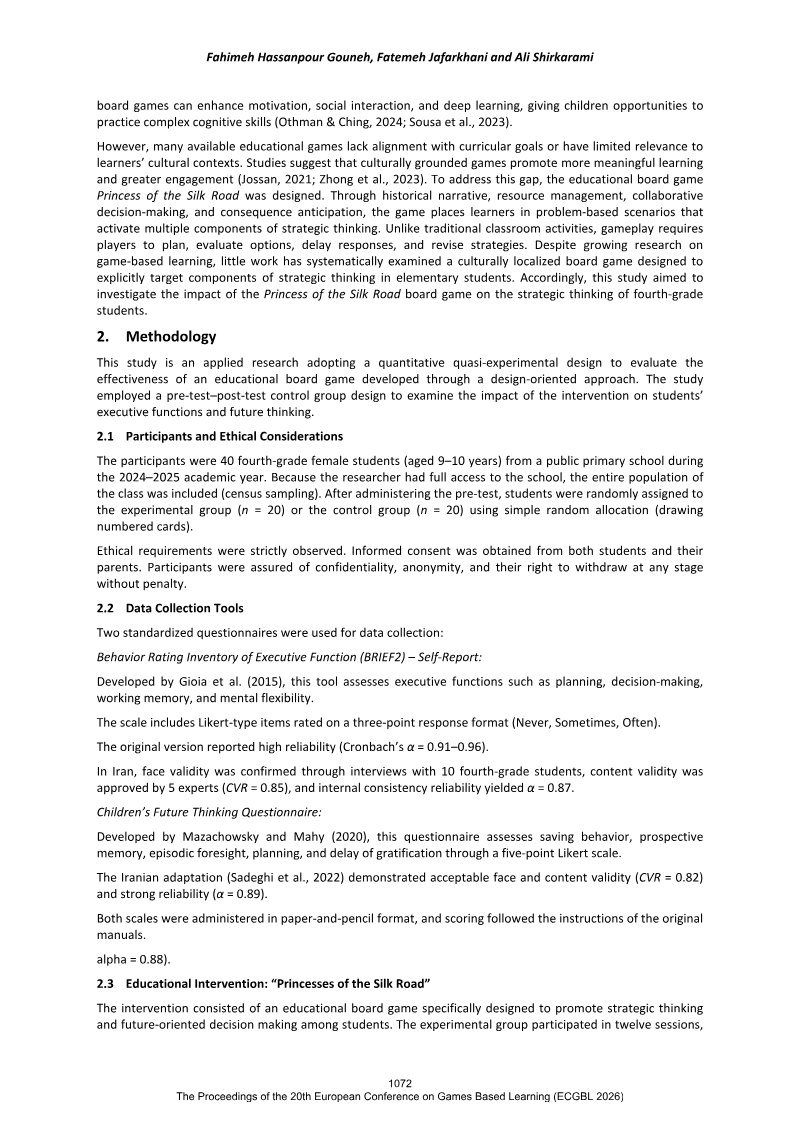
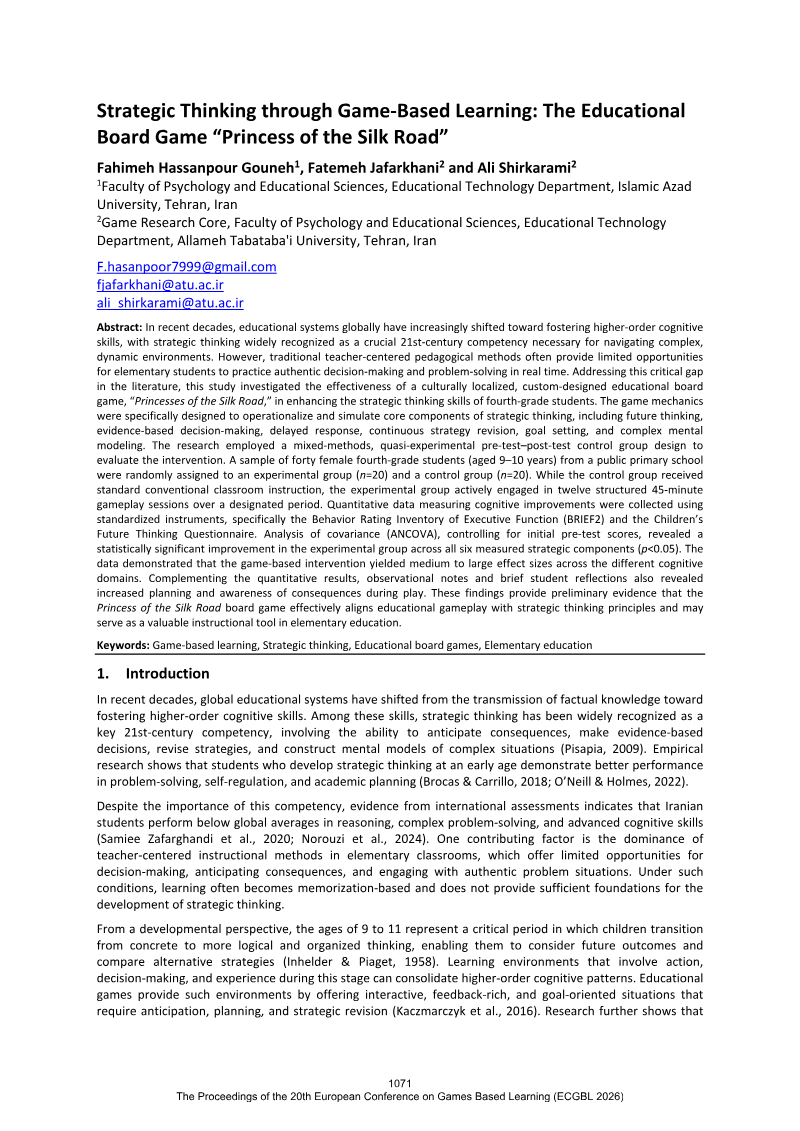
A quasi-experimental study examines whether a culturally localized educational board game, "Princesses of the Silk Road," can strengthen strategic thinking among elementary school students.
- A quasi-experimental study of 40 fourth-grade girls (aged 9–10) at a single Iranian public primary school found that twelve 45-minute sessions of the culturally localized board game "Princesses of the Silk Road" produced statistically significant gains (p < 0.05) across all six strategic-thinking components versus a control group receiving standard instruction.
- The largest effects were for goal setting and problem decomposition (partial η² = 0.42) and future thinking (partial η² = 0.40), while delayed response and reflective thinking showed a smaller but still significant effect (partial η² = 0.11).
- The six strategic-thinking components targeted by the game are future thinking, evidence-based decision making, delayed response, strategy revision, goal setting, and mental modeling, each mapped to specific game mechanics.
Sortica: A VR Serious Game to Teach Scheduling Algorithms to Undergraduate Students
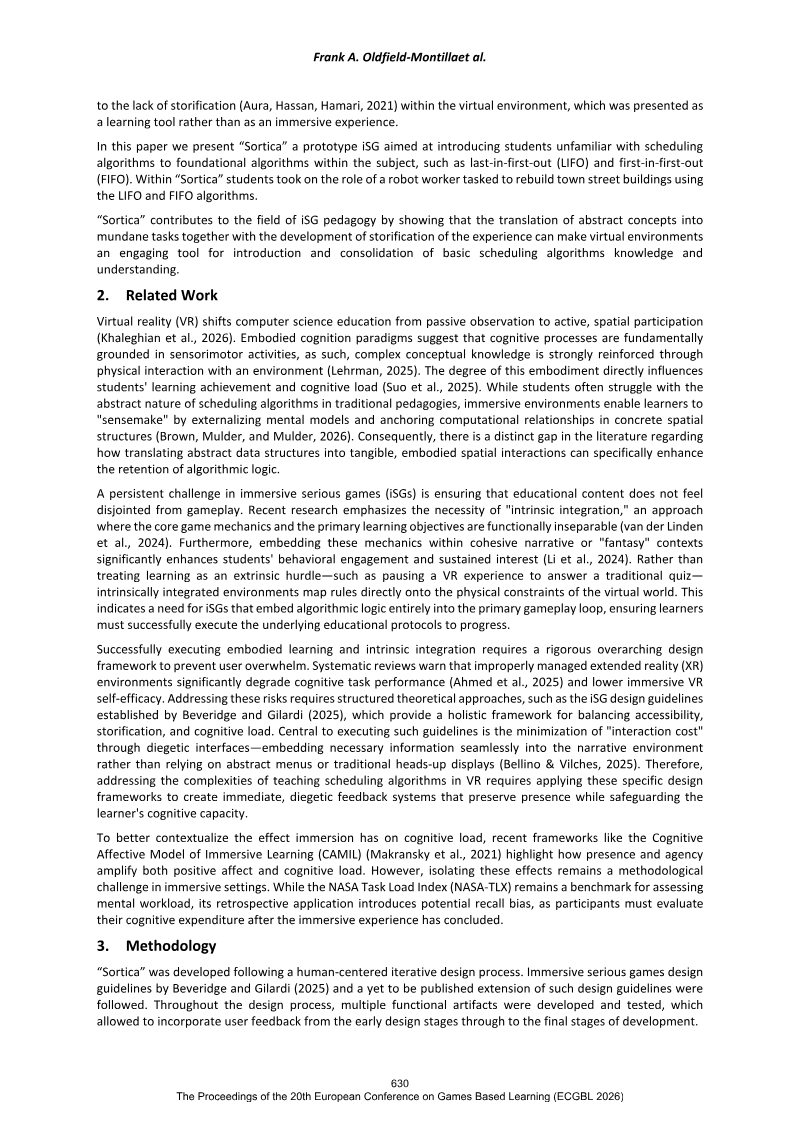
Sortica is a prototype immersive serious game designed to teach undergraduate students scheduling algorithms, specifically first-in-first-out (FIFO) and last-in-first-out (LIFO) logic.
- Sortica is a prototype VR serious game that teaches undergraduates FIFO and LIFO scheduling algorithms by having learners role-play a robot worker rebuilding town buildings, storifying abstract concepts into concrete tasks.
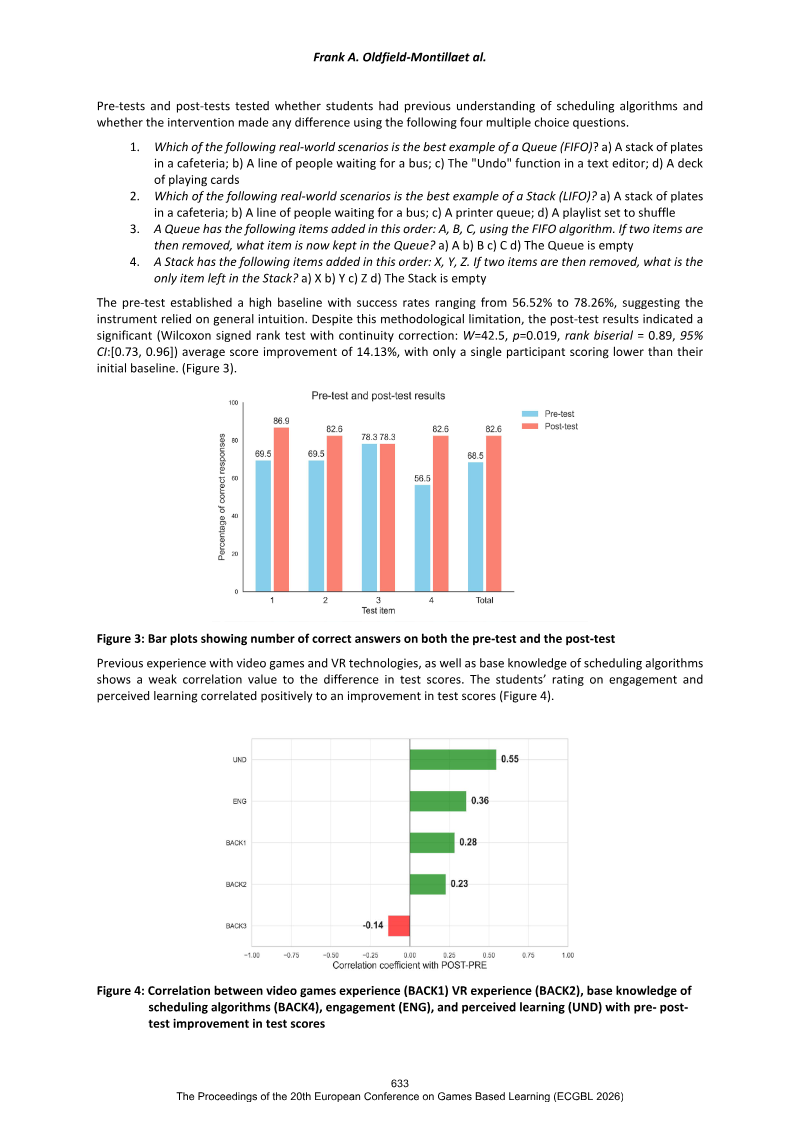
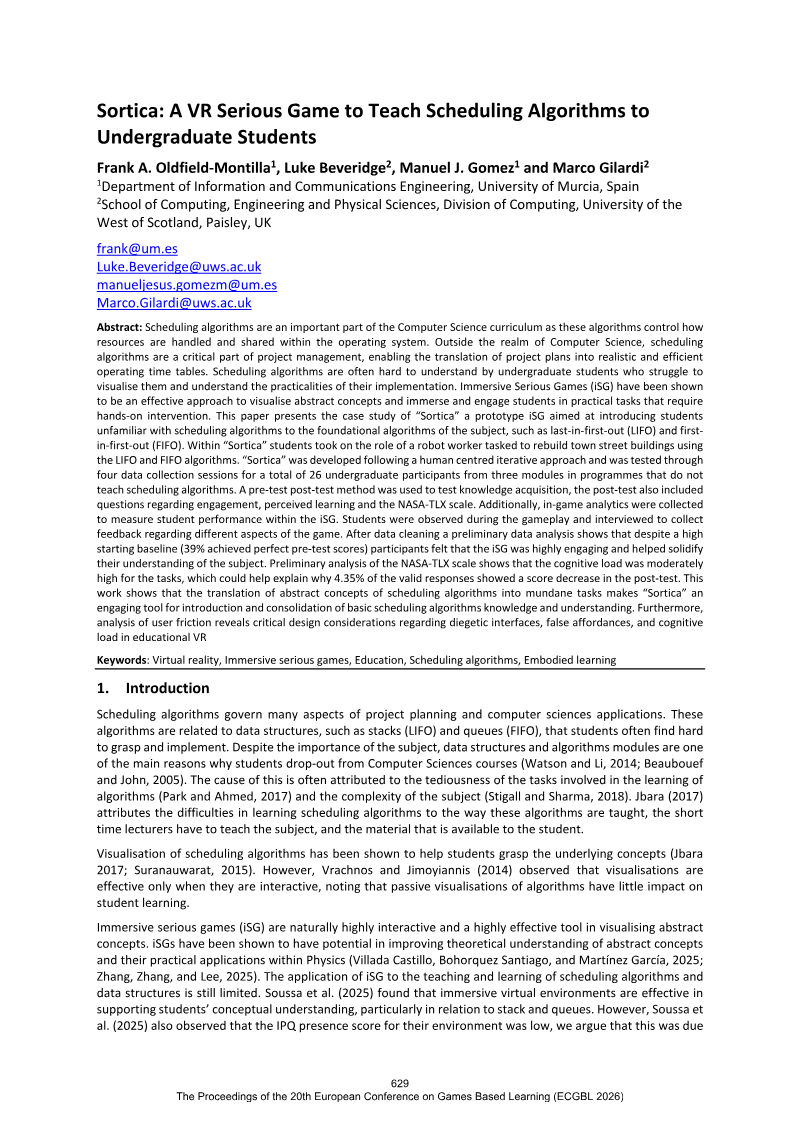
- In an evaluation with 23 valid participants across four sessions, pre-to-post test scores improved by an average of 14.13% (Wilcoxon W=42.5, p=0.019, rank biserial=0.89), a statistically significant gain.
- The result is tempered by a high pre-test baseline (scores from 56.52% to 78.26%) and the fact that 39% of participants scored perfectly before the intervention, which limits how strongly the gains can be interpreted.
Can You Even Read? Examining Literacy and AI Through Gameplay
Can You Even Read? is a research-creation paper by Nora Perry and Caighlan Smith that presents an educational simulation game examining how the contemporary attention economy erodes close reading skills and encourages reliance on generative AI.
- The paper argues that the attention economy, driven by notifications, advertising, and short-form content, conditions readers toward surface-level engagement and makes AI summarization tools an appealing way to avoid demanding close reading.
- Its central thesis is that the authors' educational game uses procedural rhetoric to make these pressures tangible, prompting players to reflect on what is lost when comprehension is outsourced to machines.
- The paper cites survey findings from Pew Research and other sources showing substantial shares of teenagers and postsecondary students using AI to summarize readings or complete assignments, with one undergraduate survey reporting over 40 percent admitting to uses explicitly prohibited by instructors.
Racing to Learn: A Formula 1-Inspired Gamification Framework that Sustains Motivation Through Repeated Competitive Cycles
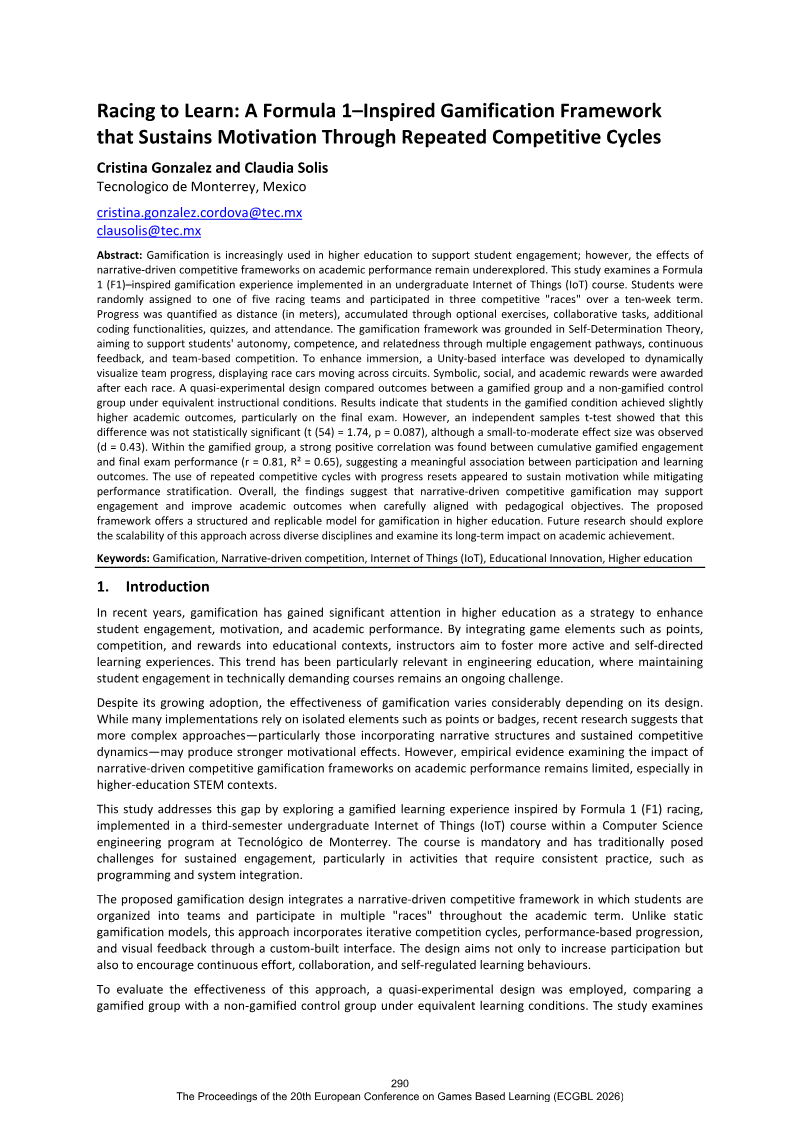
This study evaluates a Formula 1-inspired gamification framework in a third-semester undergraduate Internet of Things course at Tecnológico de Monterrey, Mexico.
- A quasi-experimental study of 56 undergraduates at Tecnológico de Monterrey found gamified students scored higher on the final exam (mean 89.56 vs. 84.97, Cohen's d = 0.46), but the difference was not statistically significant (p = 0.087), so the advantage is suggestive rather than conclusive.
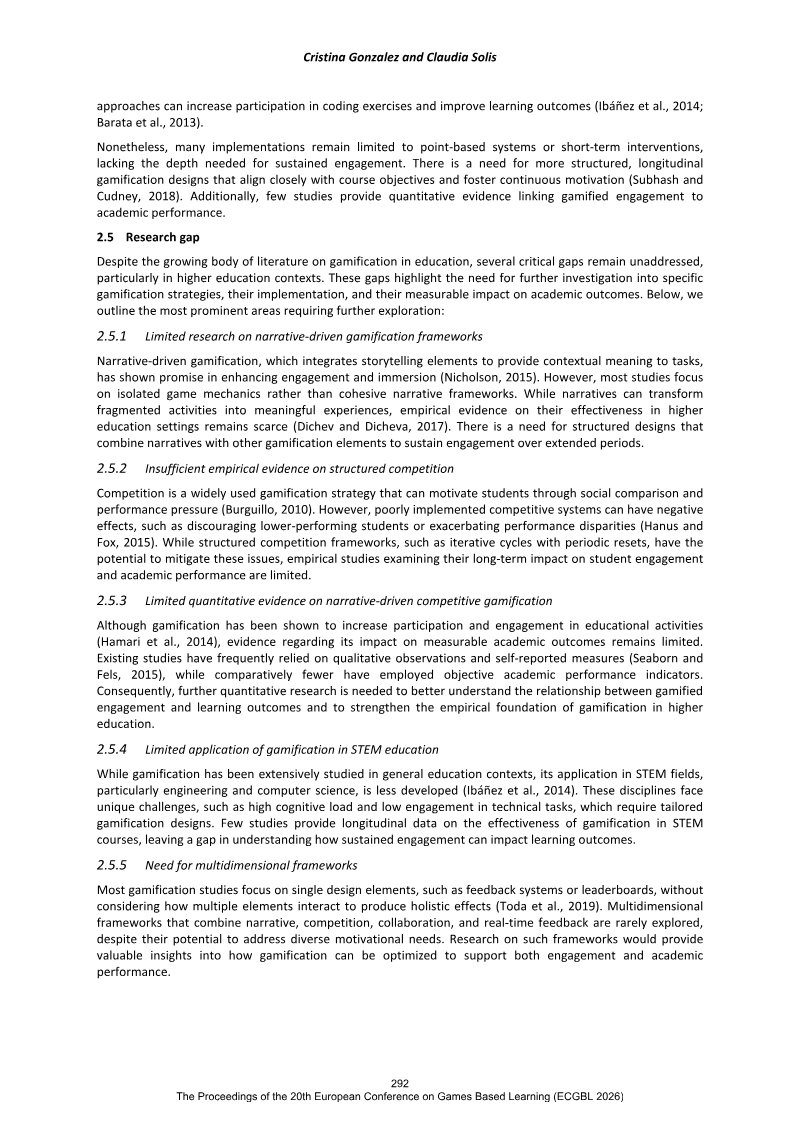
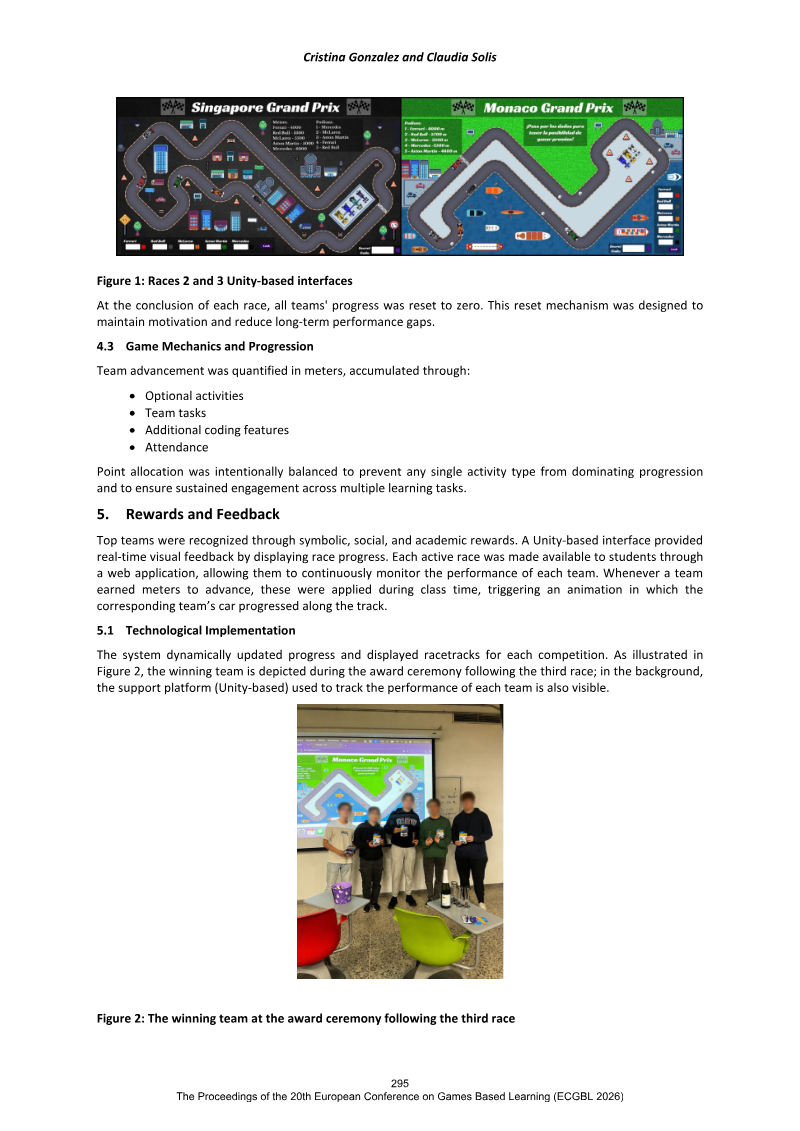
- The Formula 1-inspired framework assigned students to five racing teams who earned progress in meters through optional activities across three races over ten weeks, with periodic resets to sustain competition across repeated cycles.
- Engagement with optional activities correlated strongly with exam performance (r = 0.81), but the authors caution this does not establish causation, since motivated students may both engage more and perform better regardless of the framework.



Children in Digital Movement: Facilitating Exergame-based Learning
This study examines how teachers facilitate Exergame-Based Learning (EBL) in Danish early childhood education, using the MultiBall system in a qualitative single-case design.
- Learning in Exergame-Based Learning (EBL) emerges primarily from the facilitator rather than the technology itself, making strong pedagogical framing, classroom management, and skilled facilitation the decisive conditions for success.
- Teachers in the study shifted fluidly among instructor, coach, role model, and animator roles, using these shifts to connect physical movement, social participation, and academic goals.
- Regulating energy, intensity, and timing was central to outcomes, and open, unstructured facilitation tended to fragment children's attention.
Challenges in Implementing Game-based Learning in Accounting Education: A Scoping Review
This scoping review examines the challenges faced by accounting educators in implementing game-based learning (GBL) in higher education, along with the perceived impacts, opportunities, and instructor attitudes surrounding its use.
- Game-based learning remains underused in accounting education, partly because the difficulties of adopting it are poorly understood, which this scoping review (PRISMA framework, five databases, 2016–2026) sets out to address.
- Of 68 articles initially identified, only 11 were retained for analysis (nine on student perceptions, two on lecturer perspectives), so the evidence base on instructor experience is especially thin.
- The two principal barriers are time constraints, chiefly the labour-intensive creation and updating of game-specific content, and limited instructor knowledge combined with insufficient technical support.
Effects of Digital Escape Games on Motivation in Primary Mathematics Education
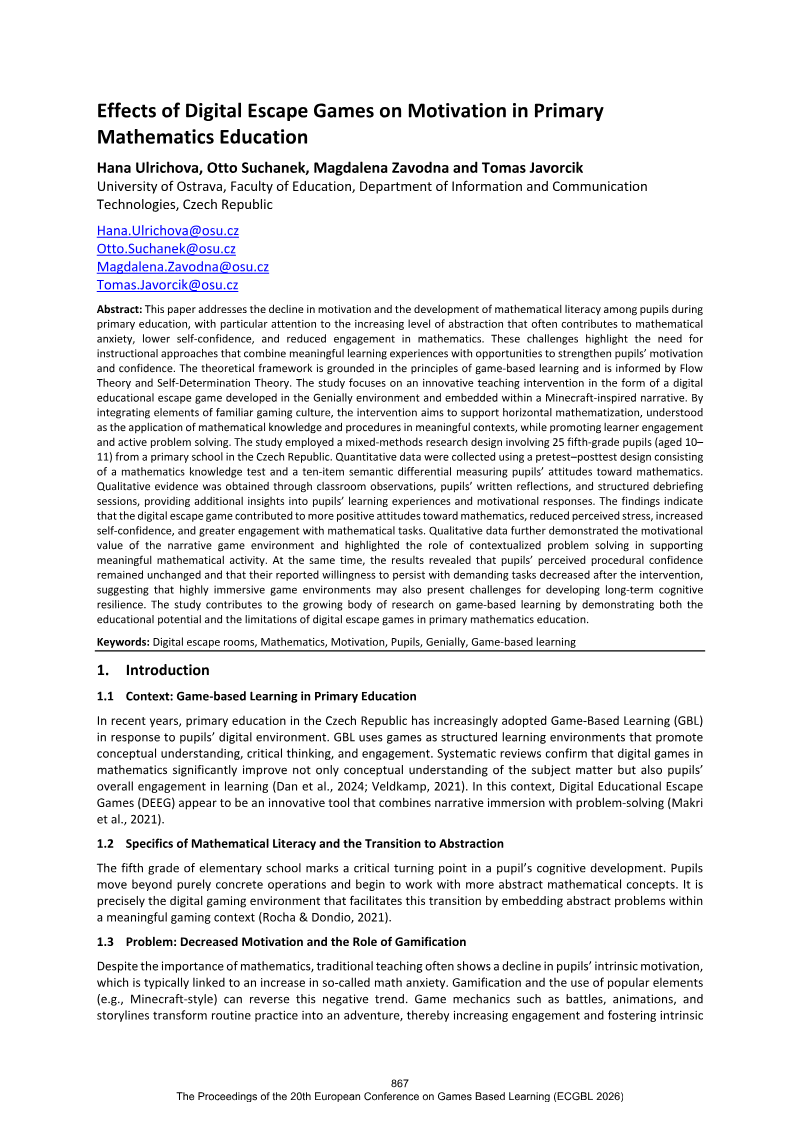
This study examines whether a digital educational escape game, built in the Genially platform and styled after Minecraft, can improve motivation and mathematical engagement among fifth-grade pupils.
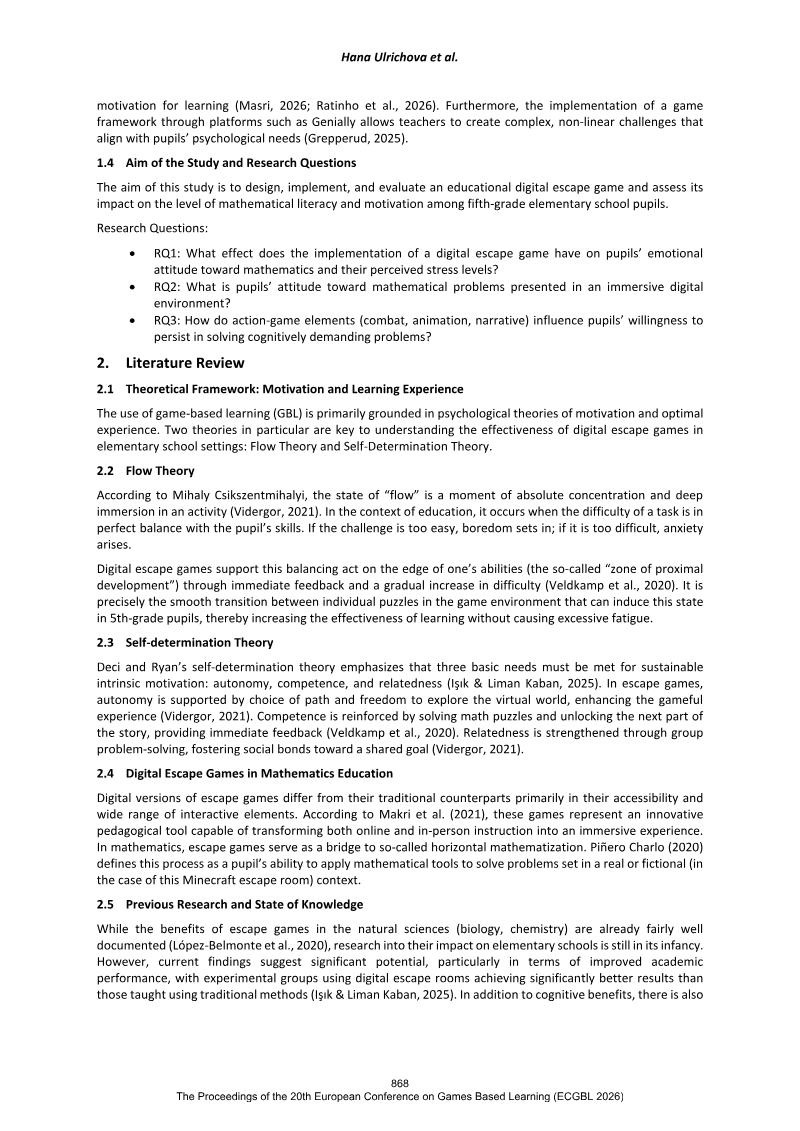
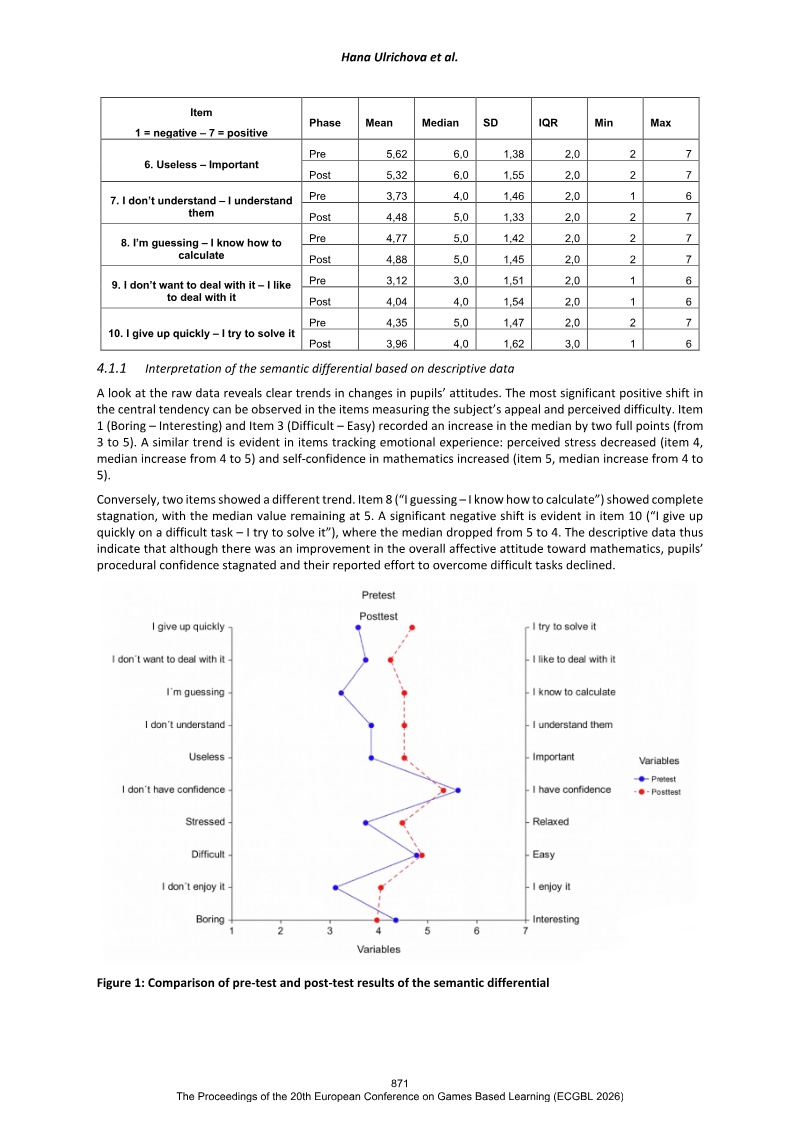
- A one-group pretest-posttest study of 25 Czech fifth-graders (18 girls, 7 boys) using a Genially-built, Minecraft-styled digital escape game across seven primary-maths topics found statistically significant positive shifts on 8 of 10 semantic differential items, with the largest, moderate-to-strong effects on perceived difficulty and appeal of mathematics.
- Pupils reported lower stress and higher self-confidence after the intervention, but perceived procedural confidence did not change.
- Willingness to persist with difficult tasks declined significantly, which the authors call a "resilience paradox" and attribute to the rapid feedback typical of escape games reducing tolerance for prolonged cognitive effort.