Entertainment Computing
Elsevier journal on games, play and entertainment technology. Only its open-access articles (CC hybrid or repository copies) are included.
Documents
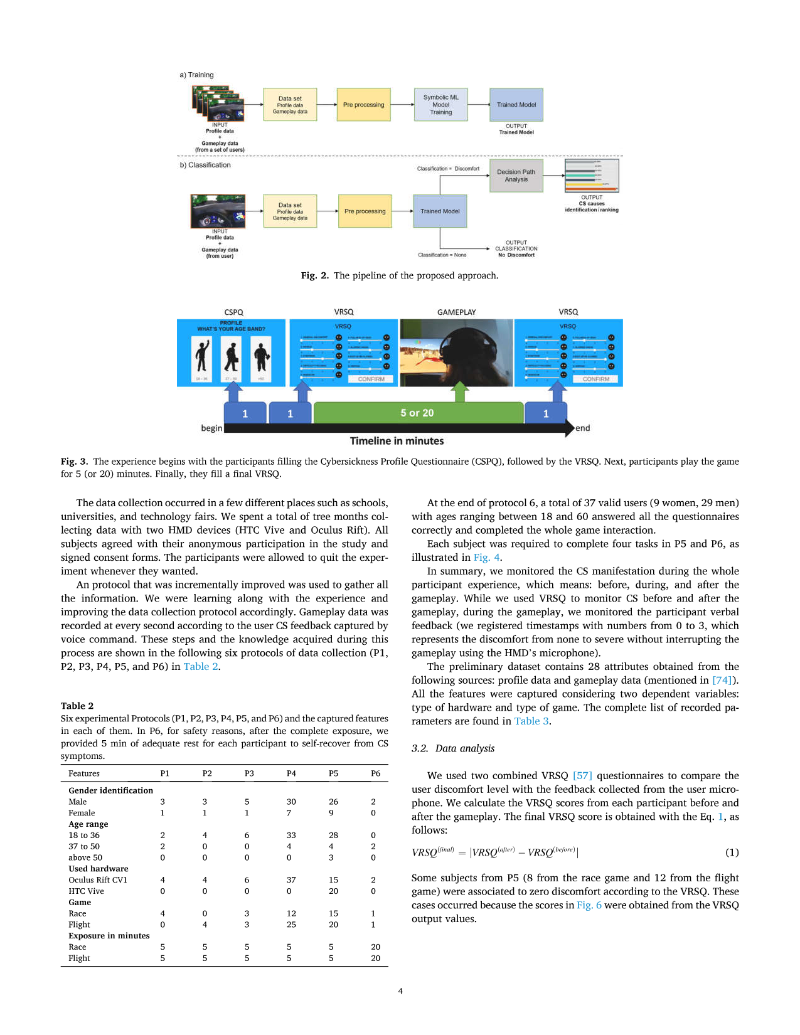

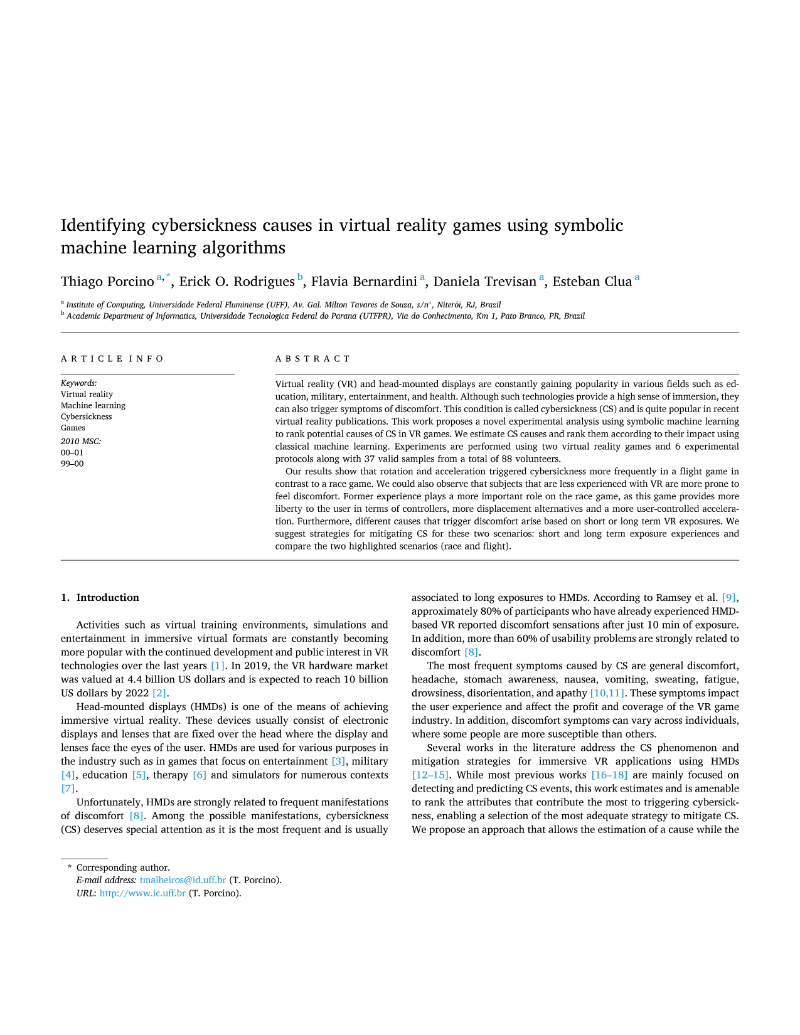
Identifying Cybersickness Causes in Virtual Reality Games Using Symbolic Machine Learning Algorithms
Virtual reality developers face a persistent challenge in mitigating cybersickness, a condition that significantly hinders user retention and accessibility.
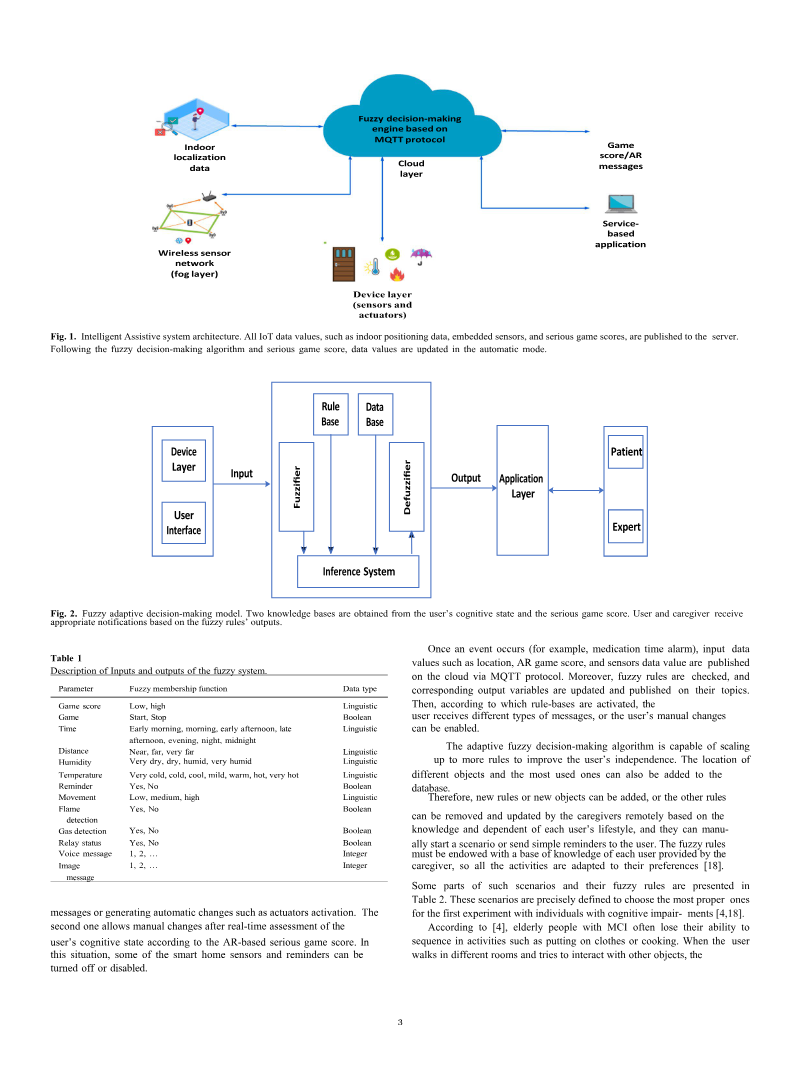
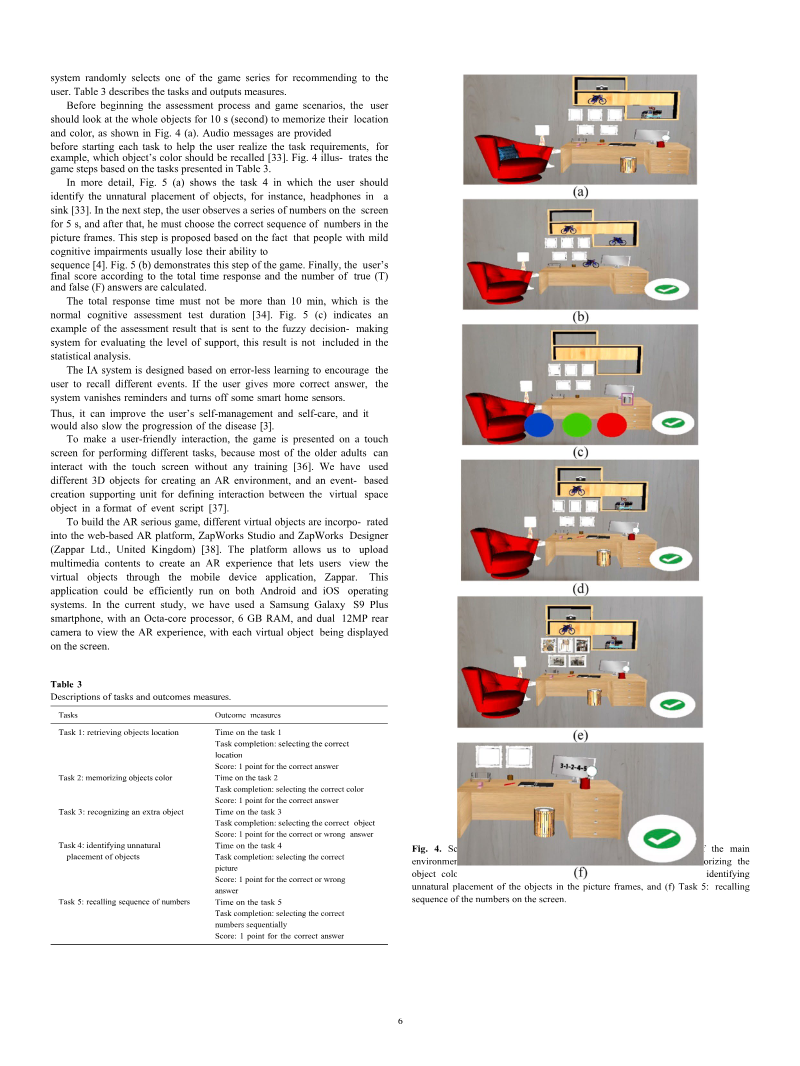
Towards an Intelligent Assistive System Based on Augmented Reality and Serious Games
The integration of augmented reality, Internet of Things architecture, and adaptive fuzzy decision-making provides a robust framework for supporting elderly individuals diagnosed with mild cognitive impairment.

From Traditional Gaming to Mobile Gaming: Video Game Players' Switching Behaviour
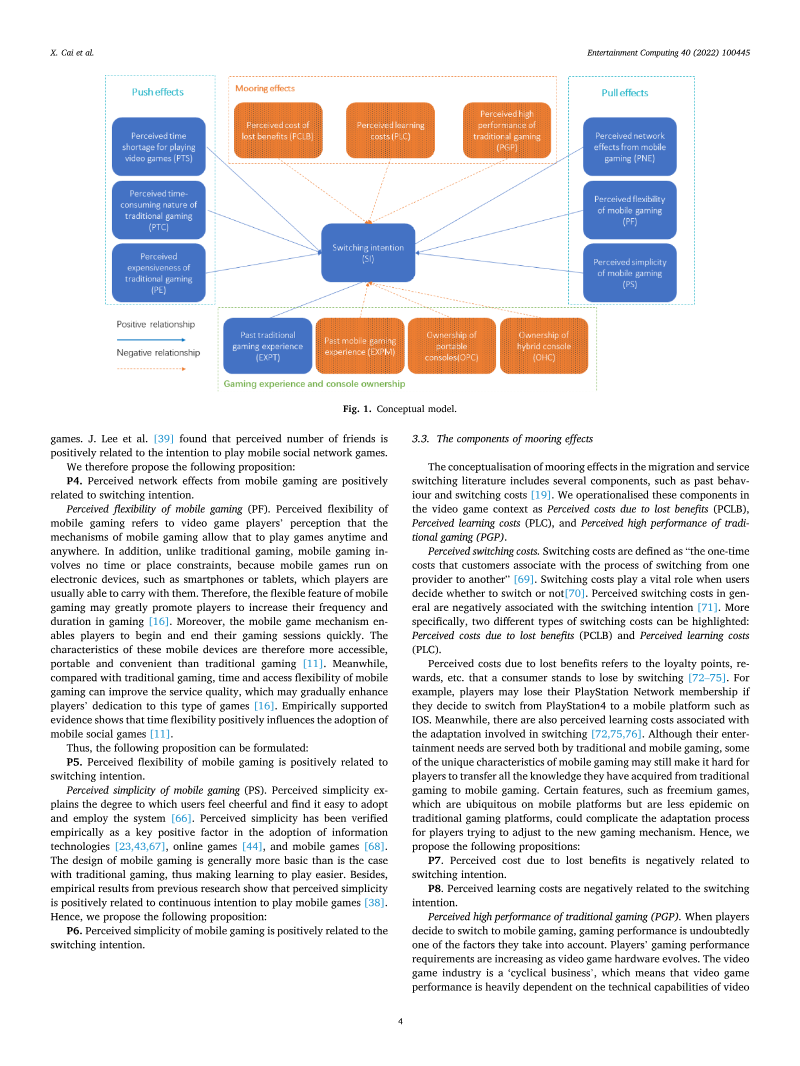
The migration of players from traditional gaming platforms to mobile environments is driven by a complex interplay of push, pull, and mooring factors.
- Mobile gaming functions as a complement to traditional platforms rather than a direct substitute, with survey data from 340 Chinese gamers showing low overall switching intention.
- Hybrid consoles like the Nintendo Switch act as significant deterrents to migration by effectively bridging the gap between traditional and portable gaming experiences.
- Key barriers to switching include the high performance of traditional hardware, the loss of accumulated in-game benefits, and the steep learning curves associated with new platforms.


A Systematic Review on the Impacts of Game-Based Learning on Argumentation Skills
Game-based learning serves as a potent pedagogical framework for cultivating argumentation skills, critical thinking, and complex reasoning among students.
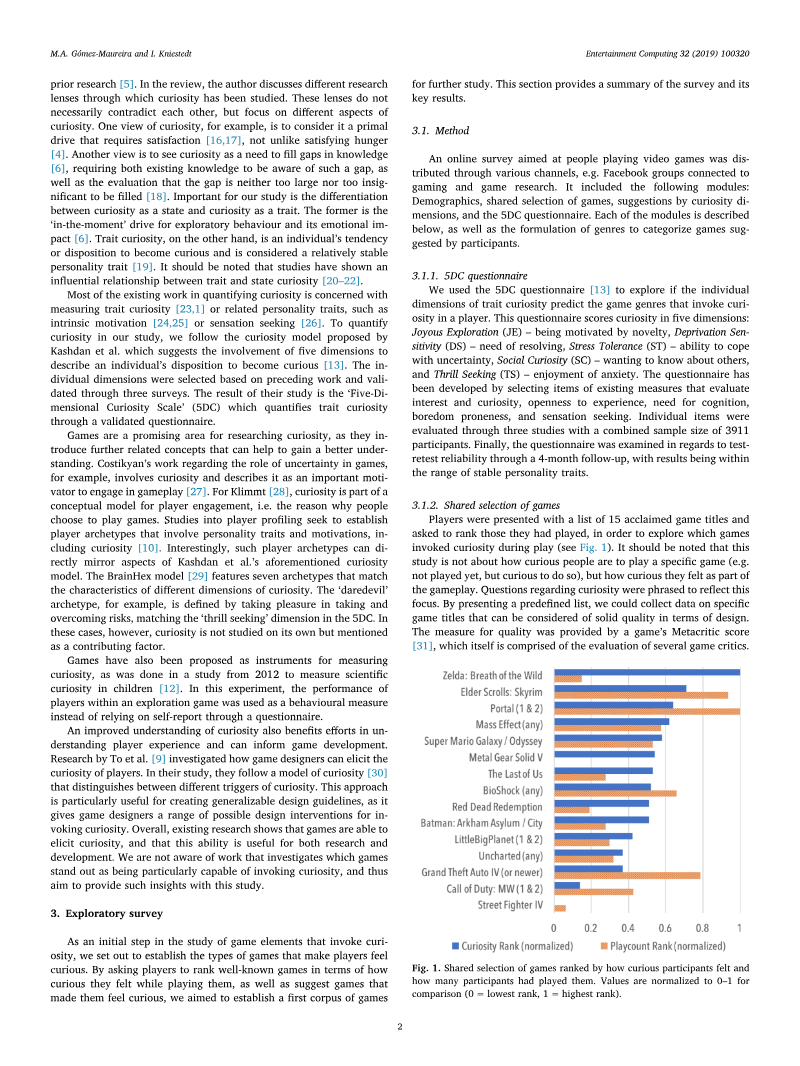
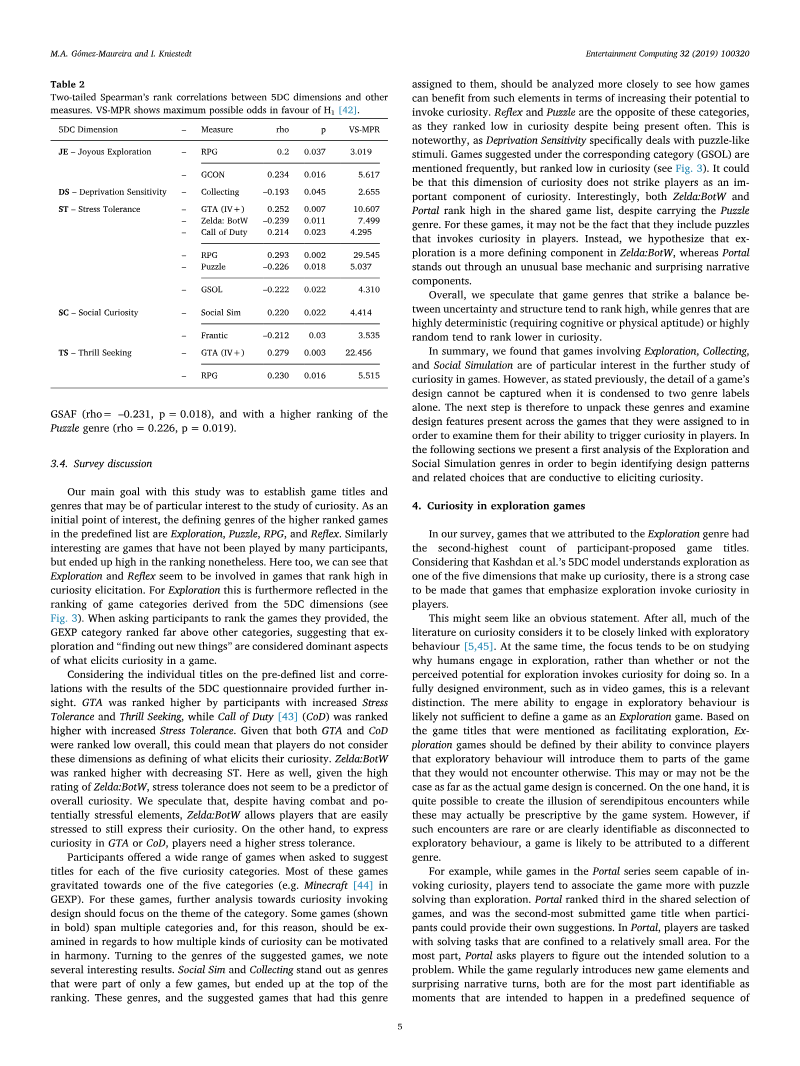

Exploring Video Games That Invoke Curiosity
Video games effectively invoke player curiosity by balancing structured gameplay with controlled uncertainty, rather than relying on specific mechanics like combat or puzzle-solving.
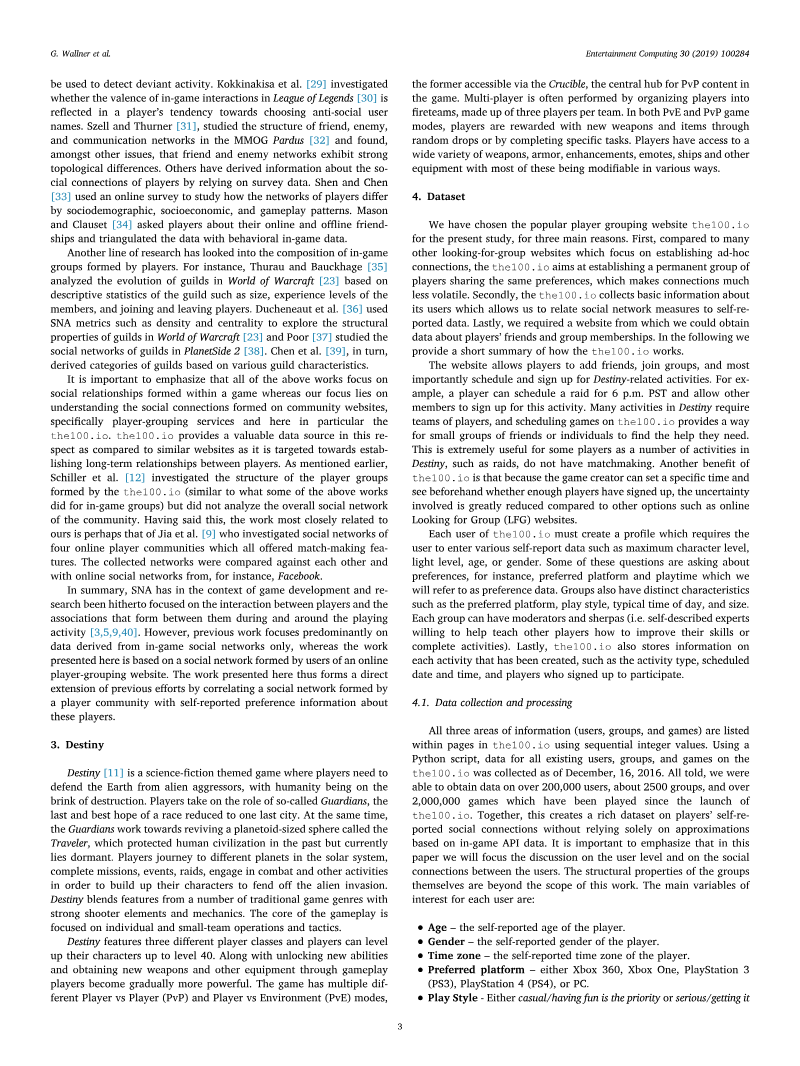


Beyond the Individual: Understanding Social Structures of an Online Player Matchmaking Website
The social architecture of online gaming extends far beyond individual performance metrics, relying heavily on the structural dynamics of player communities.
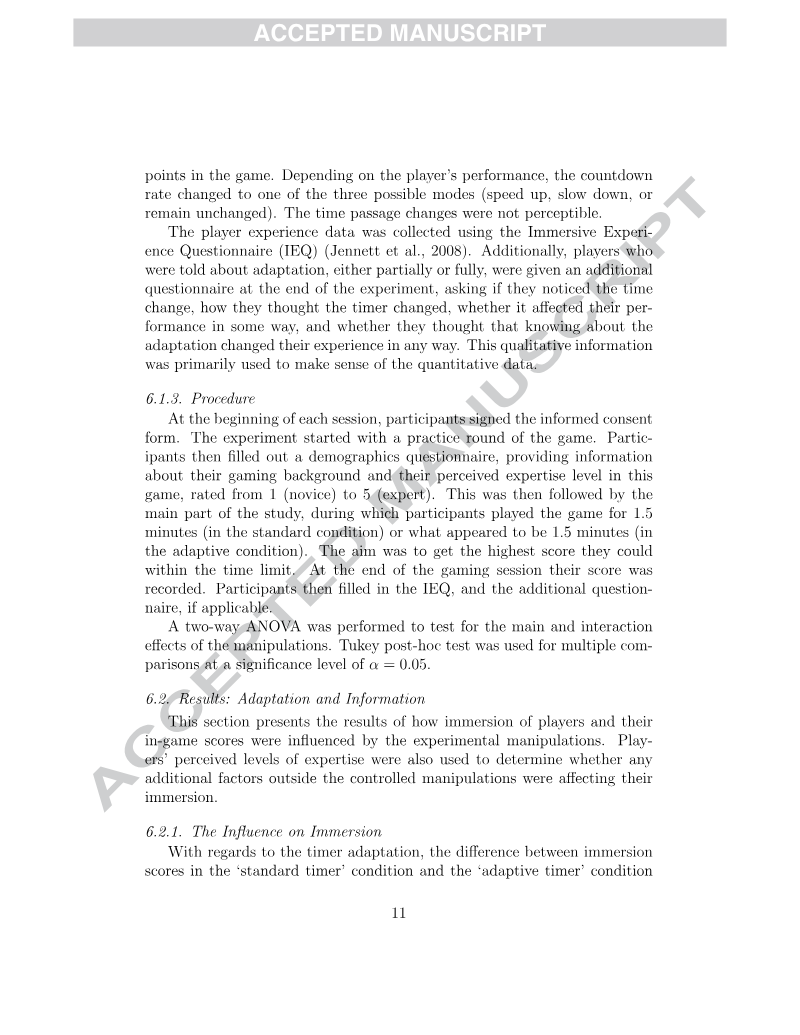

Player Experience and Deceptive Expectations of Difficulty Adaptation in Digital Games
Dynamic difficulty adjustment serves as a powerful tool for enhancing player immersion in single-player digital games, yet the psychological impact of these systems extends far beyond their technical implementation.


Deconstructing Who You Play: Character Choice in Online Gaming
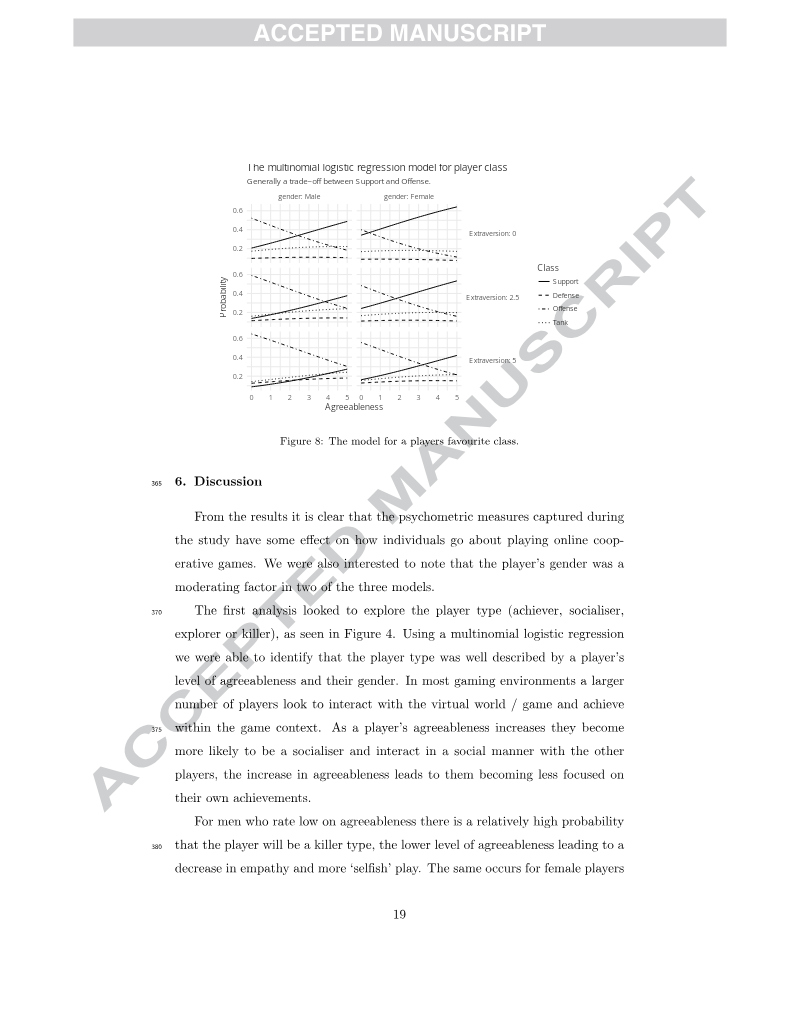
Character selection in cooperative online environments is fundamentally driven by the intersection of individual personality traits, player motivations, and gender identity.

Analyzing Player Networks in Destiny
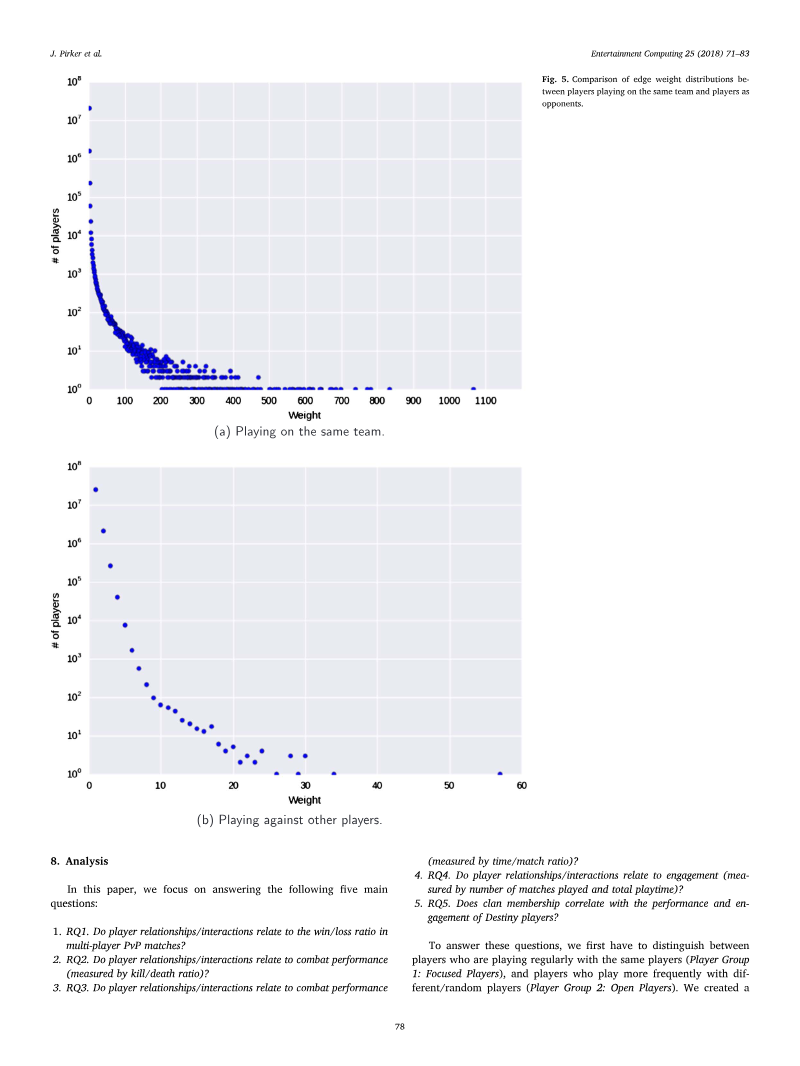
Social network analysis of the shared world shooter Destiny reveals that structured social interaction is a primary driver of both individual performance and long-term player engagement.

Behavioural Realism and the Activation of Aggressive Concepts in Violent Video Games
The relationship between behavioural realism in video games and the activation of aggressive concepts remains a subject of significant academic scrutiny, particularly regarding the assumption that increased fidelity leads to heightened antisocial effects.
An Approach to Automated Videogame Beta Testing
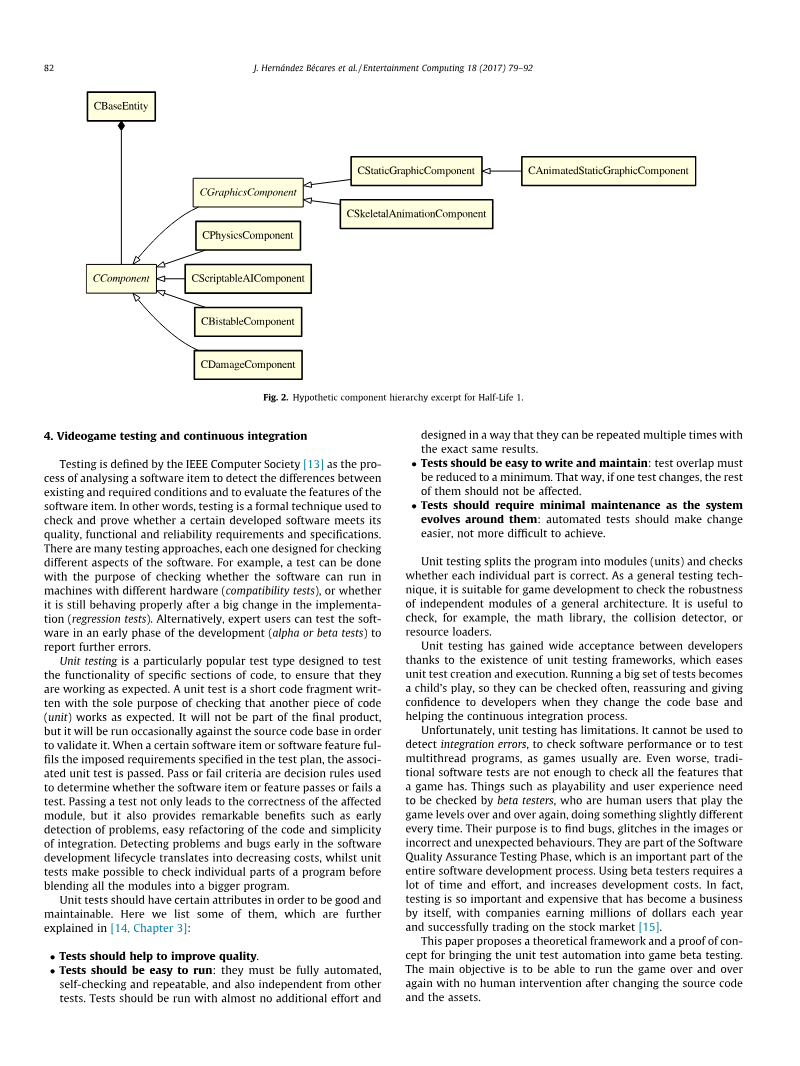
Modern AAA game development faces significant quality assurance challenges as the increasing complexity of software architectures renders traditional manual testing methods inefficient and prohibitively expensive.
- Automated beta testing frameworks can replace inefficient manual QA by utilizing component-based architectures and message-passing systems instead of static entity hierarchies.
- The methodology relies on replaying recorded gameplay input logs and internal message traces to facilitate autonomous regression and compatibility testing.
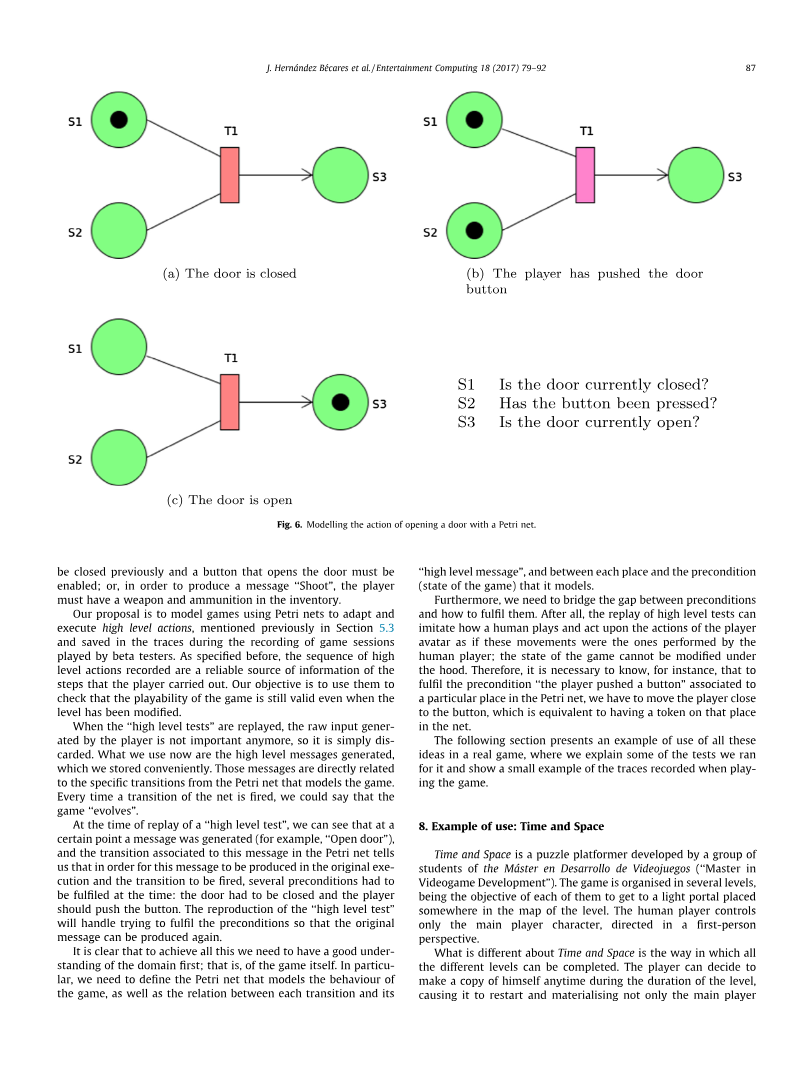
- Petri nets are used to model game behavior and map internal message sequences to state transitions, allowing for the verification of game logic despite changes to assets or level designs.
Playing Educational Math Games at Home: The Monkey Tales Case
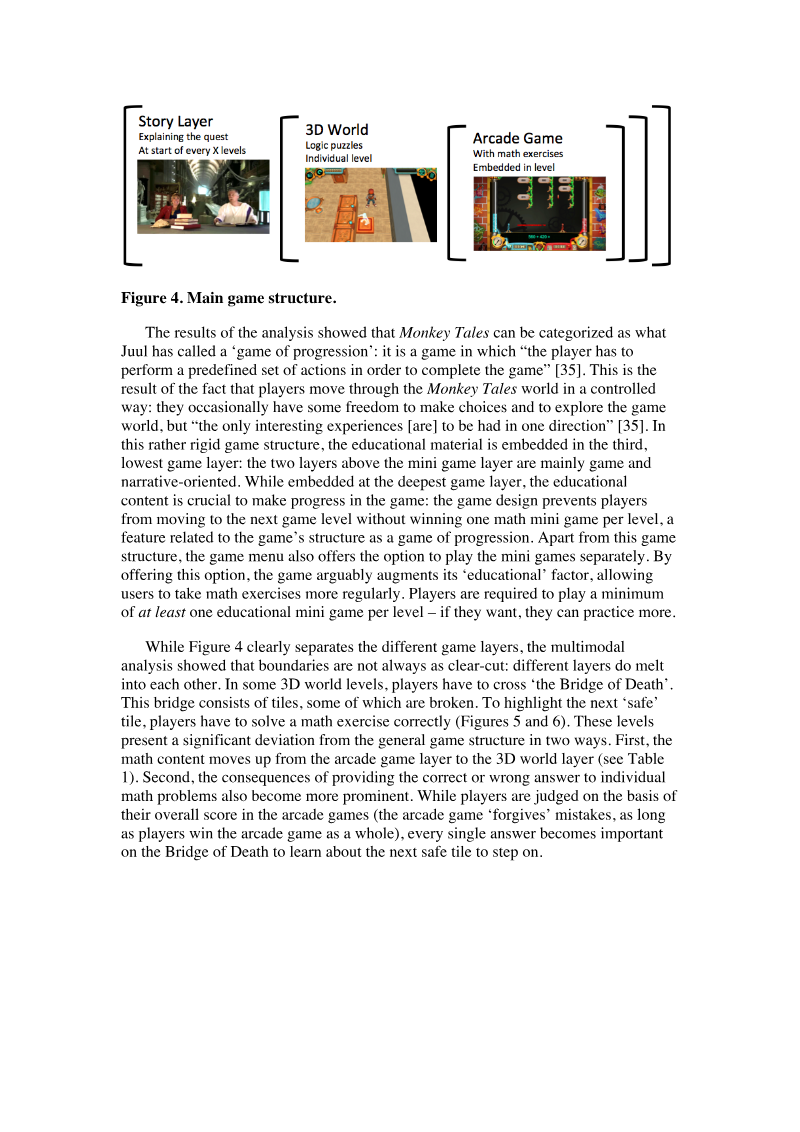
The integration of educational math games into the home environment reveals a significant tension between intended pedagogical goals and the reality of child-led play.
Do you work at Entertainment Computing? Get a free report of how these documents are read and cited here.