Loading the document
Key insights
6 slides
The rising bill
Modern AAA game development faces significant quality assurance challenges.
The increasing complexity of software architectures makes traditional manual testing methods inefficient and prohibitively expensive.
1 / 6
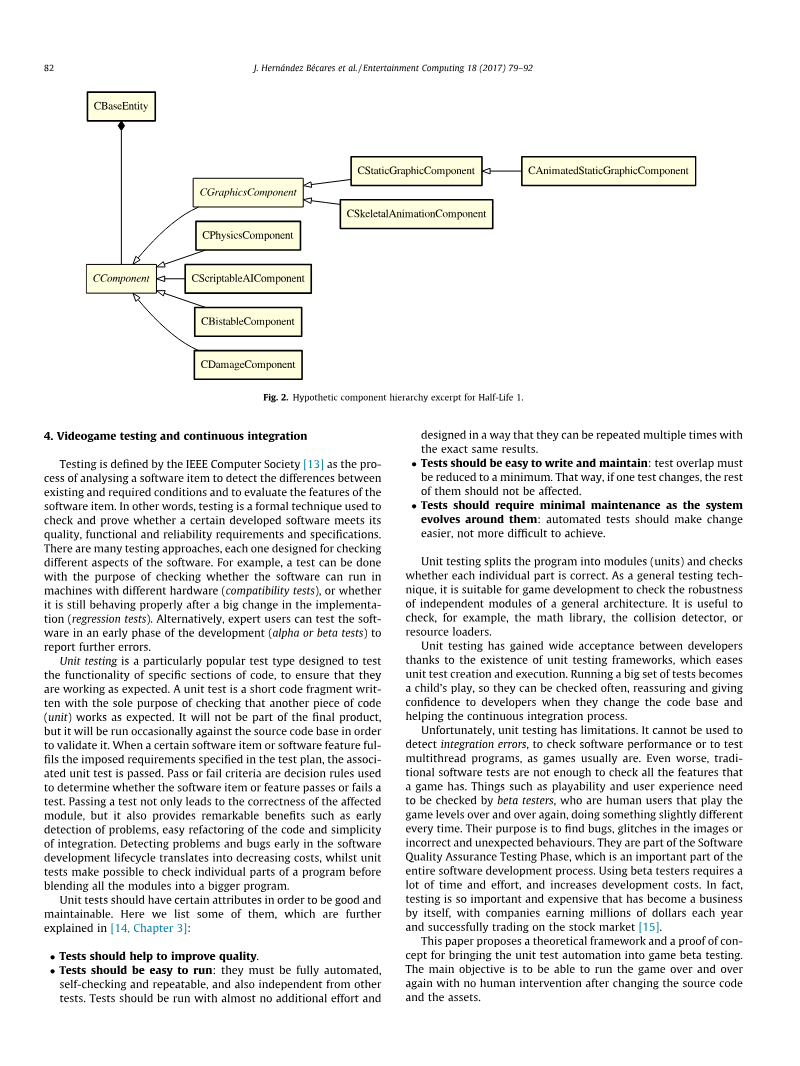
- 01Automated beta testing frameworks can replace inefficient manual QA by utilizing component-based architectures and message-passing systems instead of static entity hierarchies.See it on page 4
- 02The methodology relies on replaying recorded gameplay input logs and internal message traces to facilitate autonomous regression and compatibility testing.See it on page 6
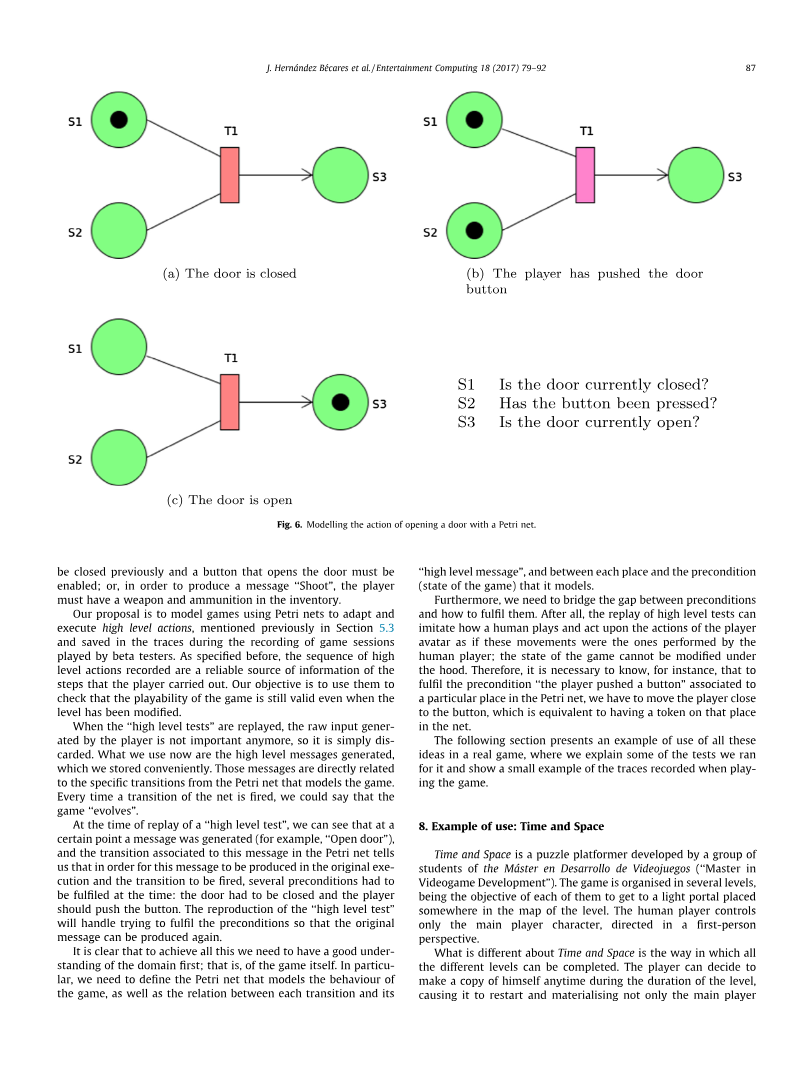
- 03Petri nets are used to model game behavior and map internal message sequences to state transitions, allowing for the verification of game logic despite changes to assets or level designs.See it on page 9
- 04The framework identifies logical failures and unmet preconditions by tracking high-level traces against defined models, providing detailed diagnostic feedback.See it on page 7
- 05Validation testing on the puzzle game 'Time and Space' confirmed that automated models can effectively track game evolution and detect failures during replay.See it on page 1
- 06Full-scale implementation currently requires further advancements in AI for player navigation and the establishment of standardized access protocols for game state data.See it on page 13
Ask AI about this report
Summary
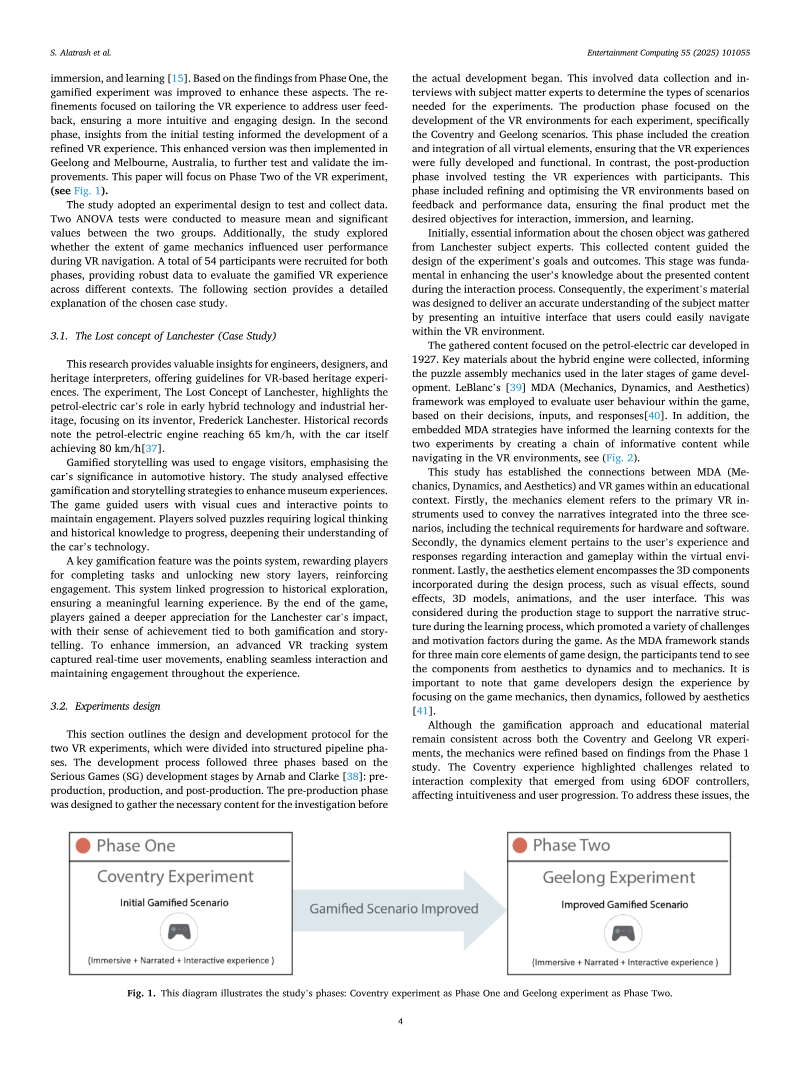
Modern AAA game development faces significant quality assurance challenges as the increasing complexity of software architectures renders traditional manual testing methods inefficient and prohibitively expensive. To address these bottlenecks, a new automated beta testing framework utilizes component-based architectures and message-passing systems to replace static entity hierarchies with flexible, data-driven designs. By shifting toward this modular structure, developers can achieve more reliable and maintainable testing throughout the entire production lifecycle.
The core of this methodology involves recording gameplay input logs and internal message traces, which are then replayed to facilitate autonomous regression and compatibility testing. To formalize this process, the framework employs Petri nets to model game behavior, mapping internal message sequences to specific state transitions. This allows the system to define precise success and failure conditions, enabling the automated verification of game logic even when underlying assets or level designs undergo significant modifications. By tracking high-level traces against these models, the system can identify unmet preconditions and provide detailed diagnostic feedback.
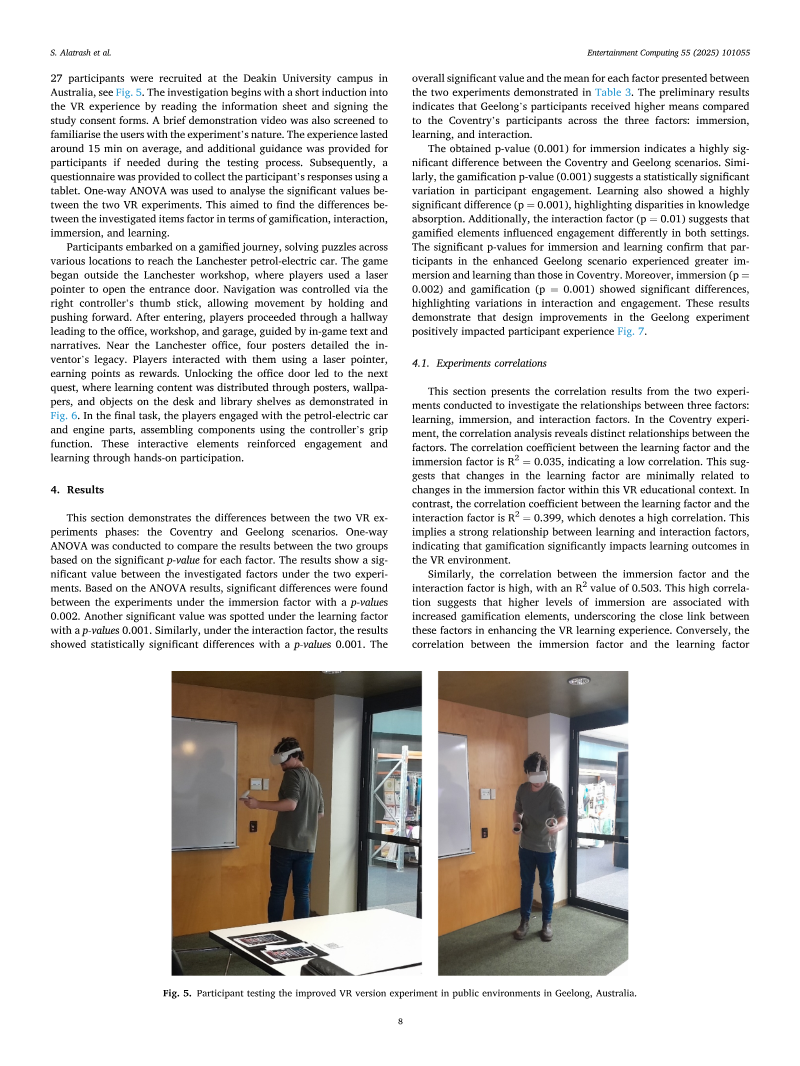
Validation of this approach through the puzzle game Time and Space demonstrates that automated models can effectively track game evolution and detect logical failures during replay. While the results confirm the viability of autonomous testing, full implementation requires further advancements in artificial intelligence for player navigation and the establishment of standardized access protocols for game state data. Ultimately, this framework provides a scalable path for reducing development costs and improving the robustness of complex interactive software by enabling repeatable, autonomous validation of gameplay sequences.