Entertainment Computing
Elsevier journal on games, play and entertainment technology. Only its open-access articles (CC hybrid or repository copies) are included.
Documents
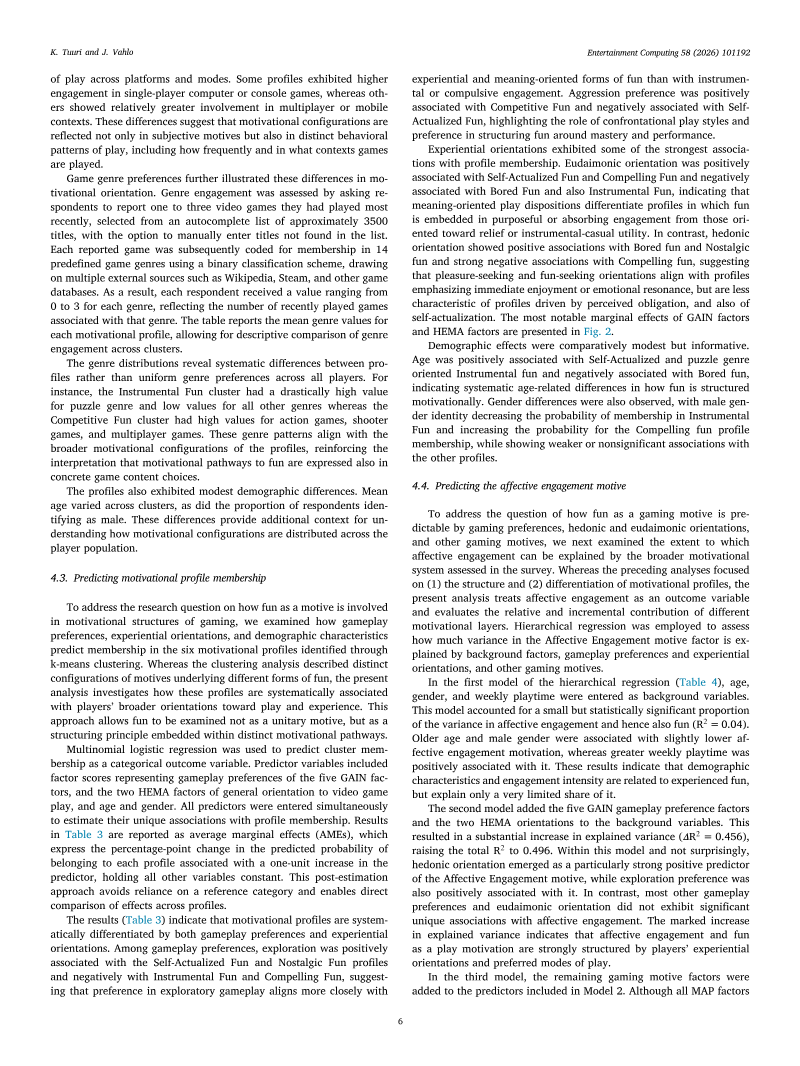
Conceptualizing Fun as Motivation to Play Video Games
Fun serves as the foundational motivational driver for video game engagement, acting as a multifaceted construct that bridges immediate hedonic pleasure with long-term eudaimonic fulfillment.
- Fun is not a singular, uniform motive but a foundational experiential principle that takes on distinct meanings depending on a player's underlying motivational profile.
- Six distinct player profiles emerge based on gaming motivations: Self-Actualized, Bored, Competitive, Instrumental, Compelling, and Nostalgic fun.
- Affective engagement (fun) is a universal driver of play, consistently high across all six identified player profiles regardless of specific motivational configurations.
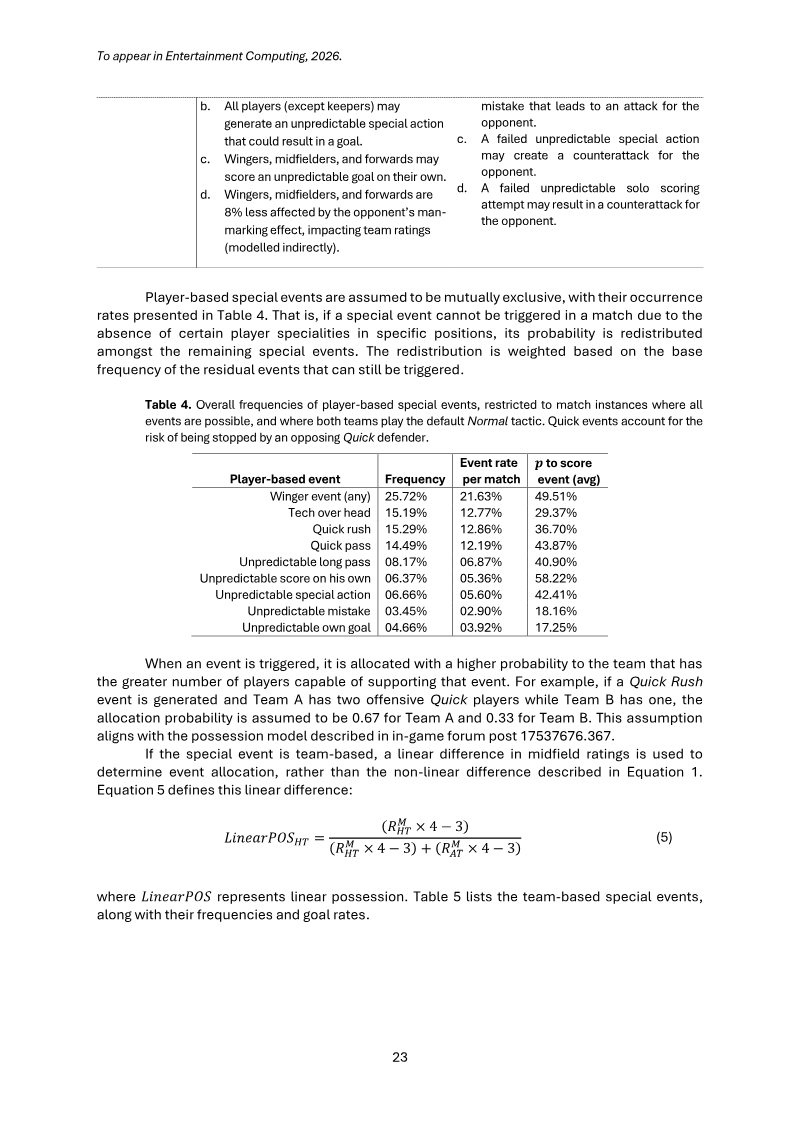
Decoding the Mechanisms of the Hattrick Football Manager Game Using Bayesian Network Structure Learning
Bayesian network structure learning provides a robust framework for reverse-engineering the complex, hidden mechanics of the long-running football management simulation Hattrick.
- Researchers developed a new Bayesian network (BN) model for the football manager game Hattrick that matches the performance of the top community-developed models, such as the Nickarana model.
- The study utilized a dataset of over 20 million matches to construct and validate a knowledge-based probabilistic model containing 363 nodes.
- The model successfully quantifies game mechanics, such as the probability of a corner-to-head event, which increases from 27% with one offensive header to 65% with more than four.

Examining the Influence of Target–Distractor Similarity on Difficulty in a Working Memory Game
Visual working memory performance in digital gaming is fundamentally shaped by the interaction between task-relevant targets and irrelevant distractors.
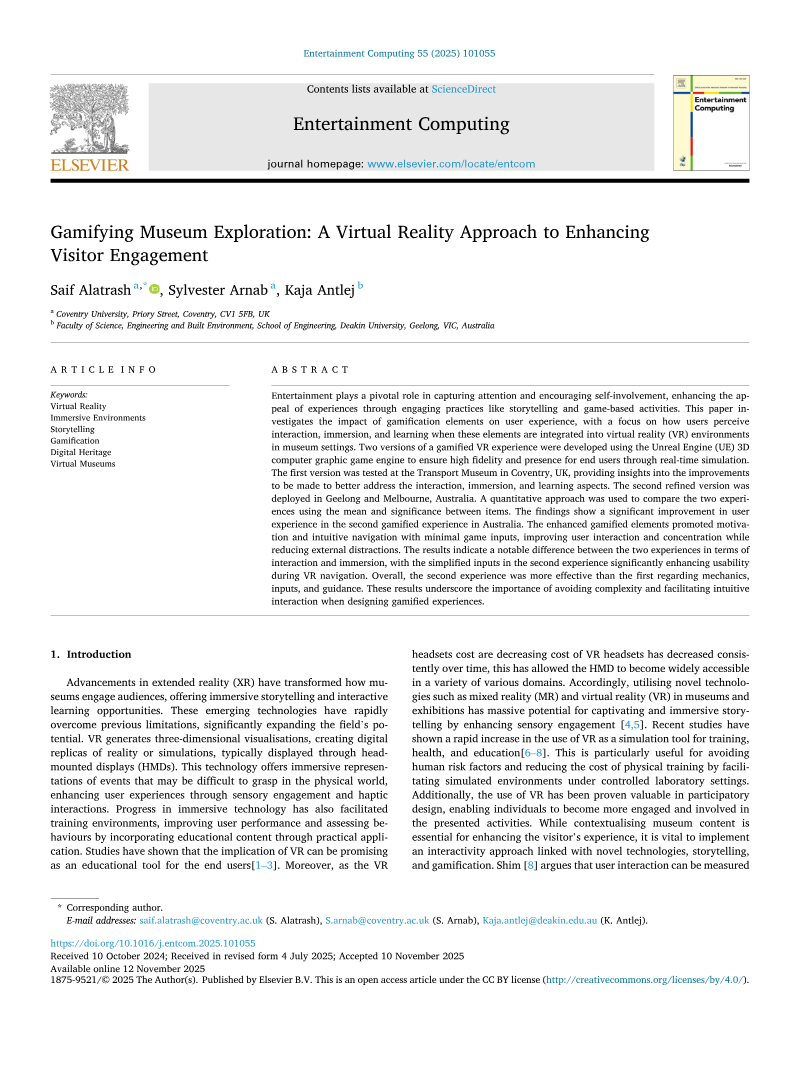
Gamifying Museum Exploration: A Virtual Reality Approach to Enhancing Visitor Engagement
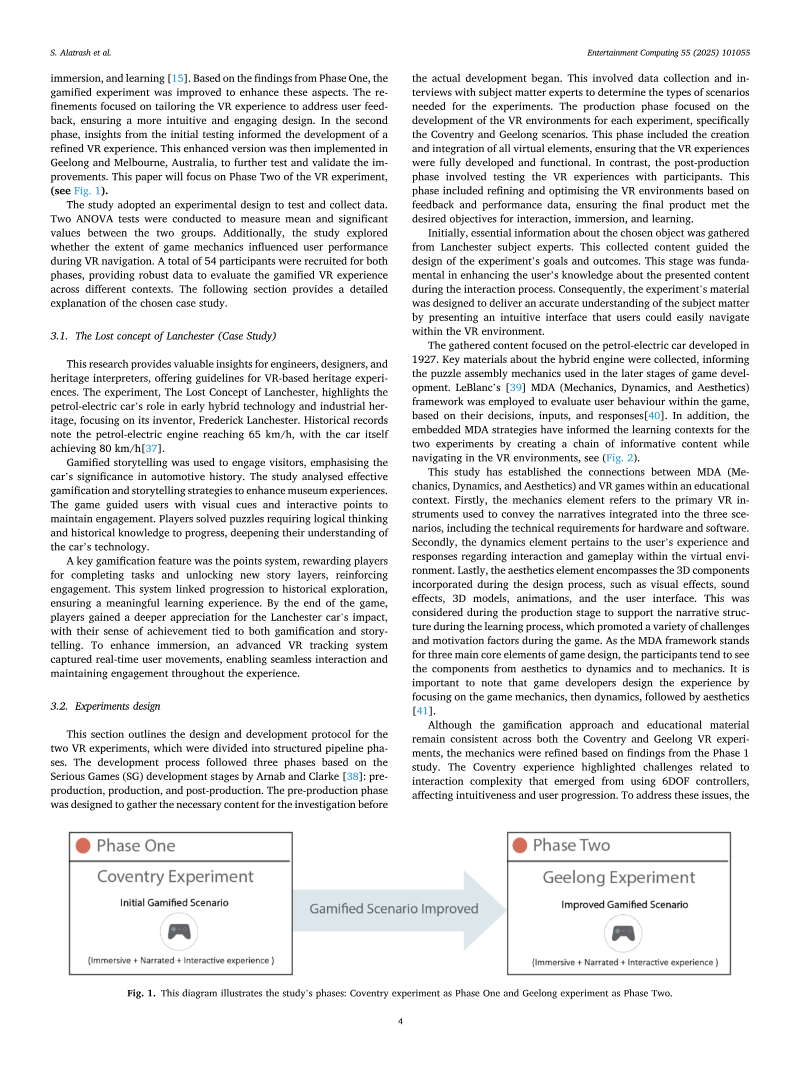
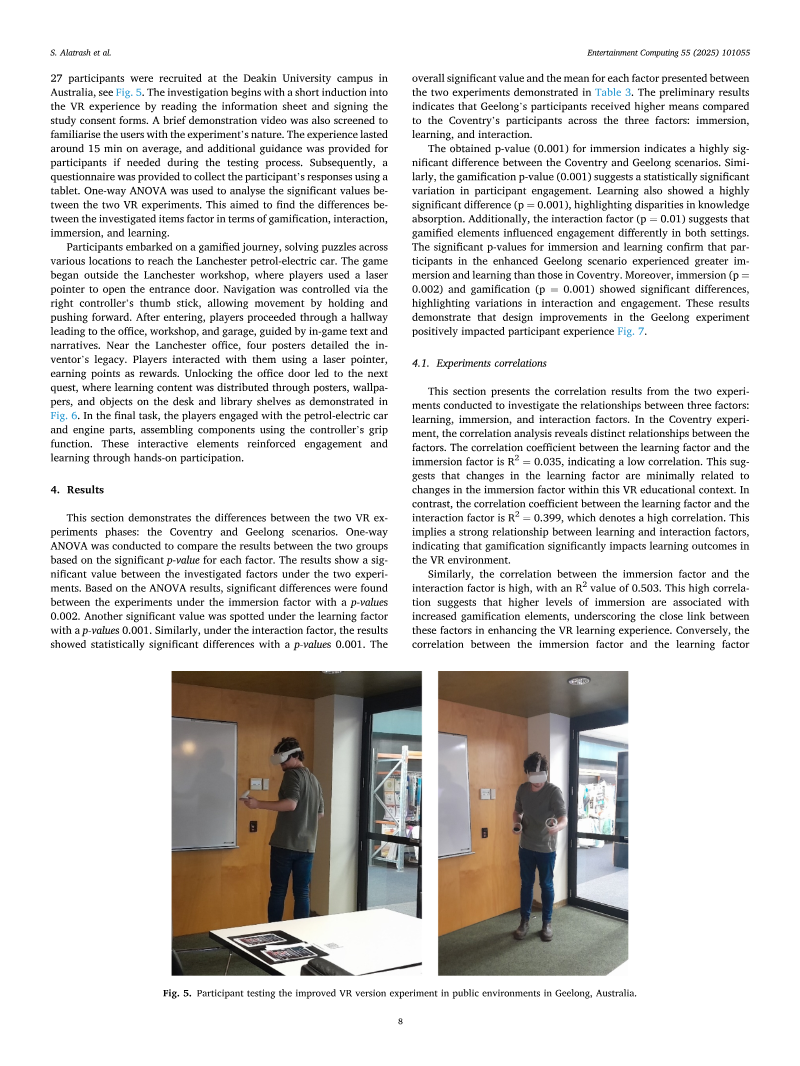
Virtual reality serves as a transformative medium for digital heritage, offering a scalable framework to enhance visitor engagement and educational outcomes through the strategic application of gamification.
- Gamification significantly enhances VR learning outcomes, as evidenced by a high correlation (R² = 0.399) between interaction and learning factors in museum-based virtual environments.
- Refining game mechanics to reduce input complexity is critical for user engagement, as initial testing in Coventry revealed that 6DOF controller demands caused distractions and hindered progression.
- There is a strong positive correlation (R² = 0.503) between immersion and interaction, confirming that well-integrated gamification elements directly increase a user's sense of presence in virtual spaces.
Game Transfer Phenomena as a Particular Form of Involuntary Cognitions: The Role of Internet Gaming Disorder and Other Predictors
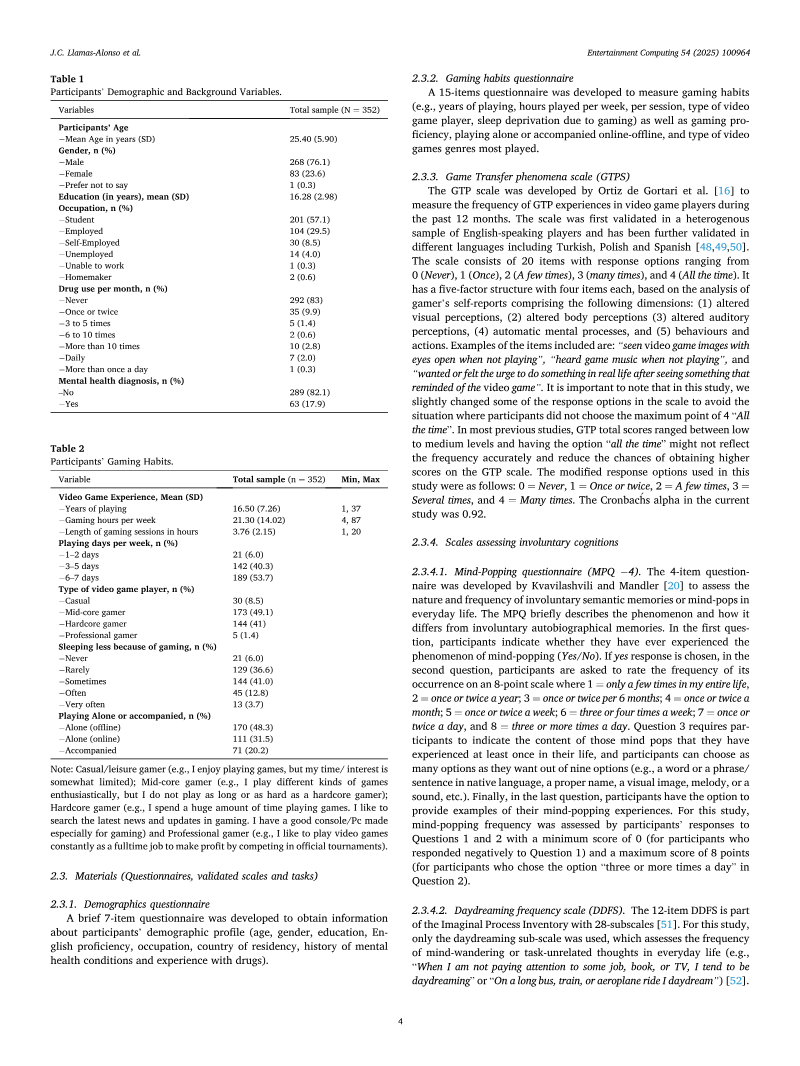
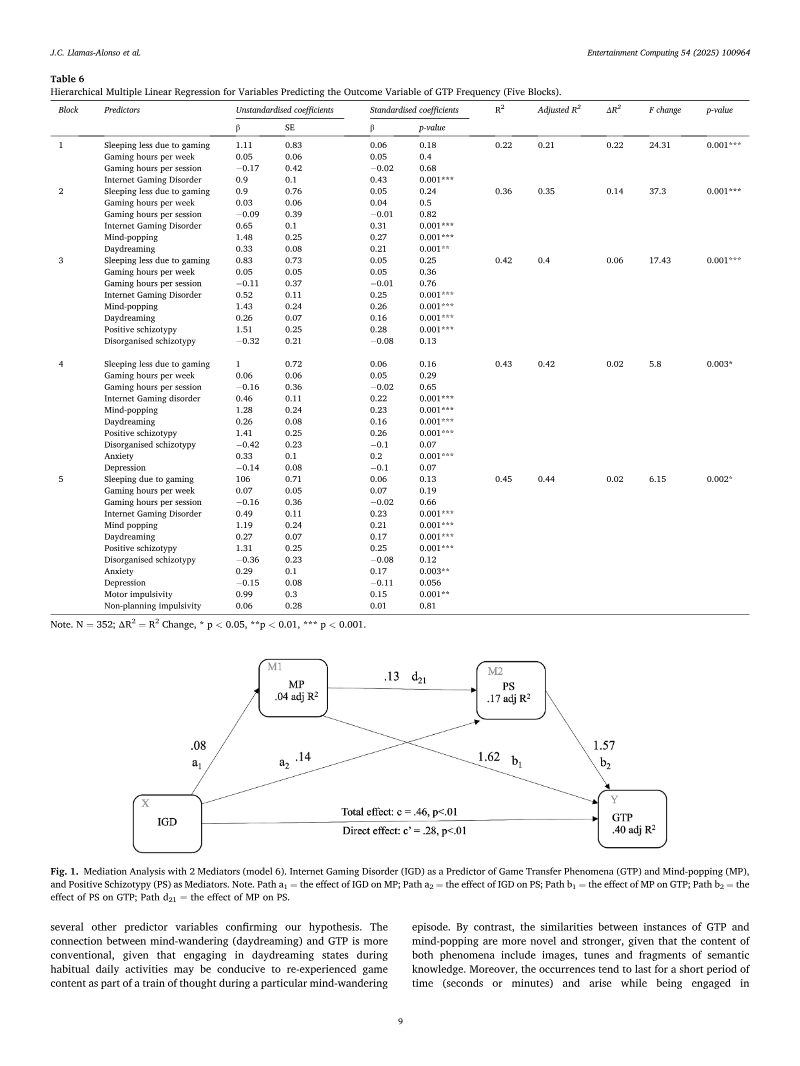
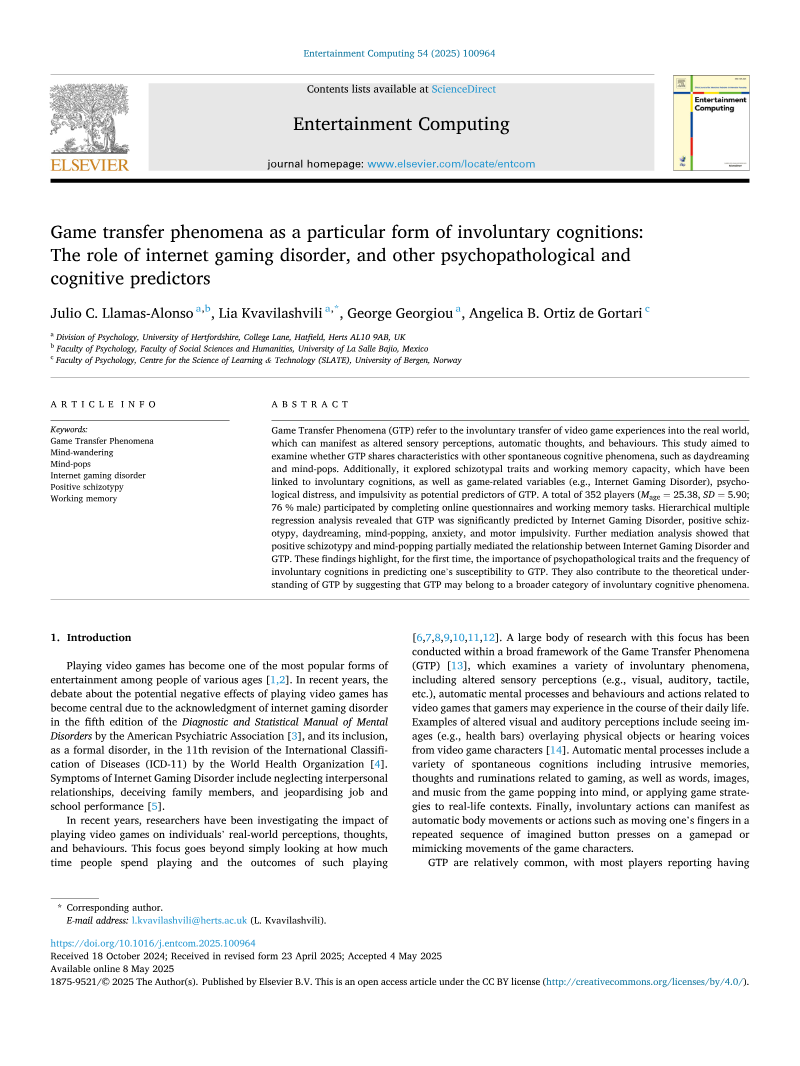
Game Transfer Phenomena represent a widespread category of involuntary cognitions where gaming experiences spontaneously intrude into real-life settings.
Purr-ogrammed Love: A Narrative Review of Virtual Pets
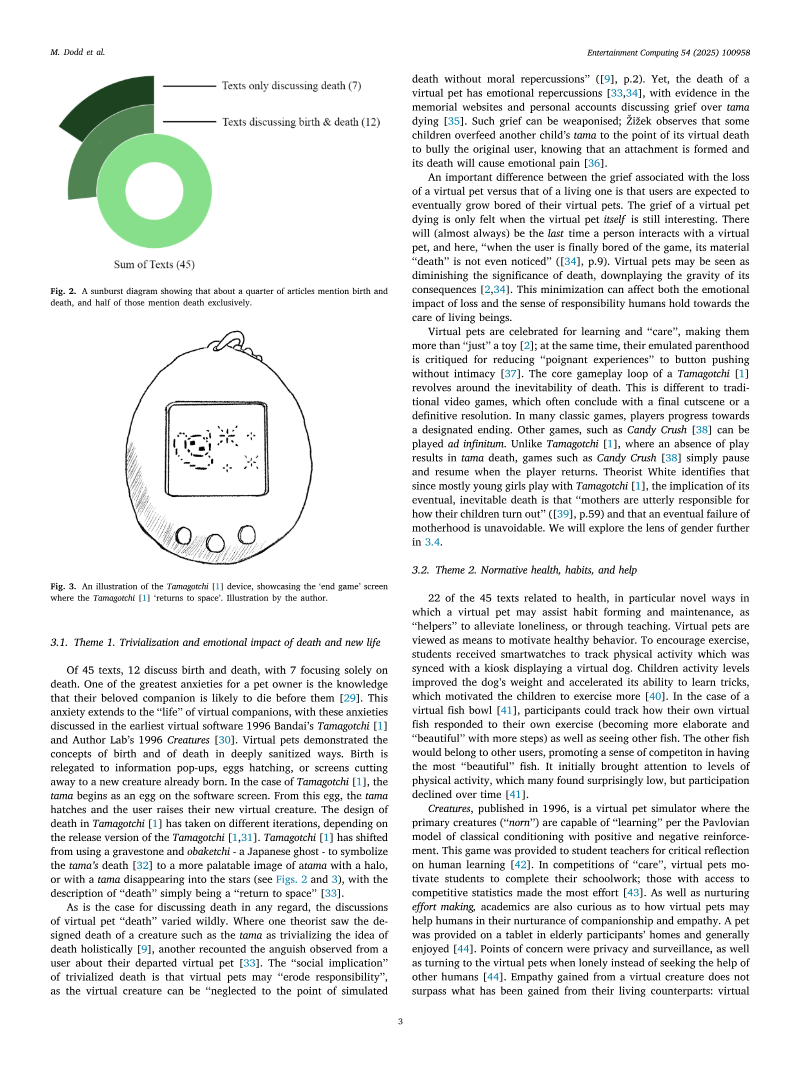
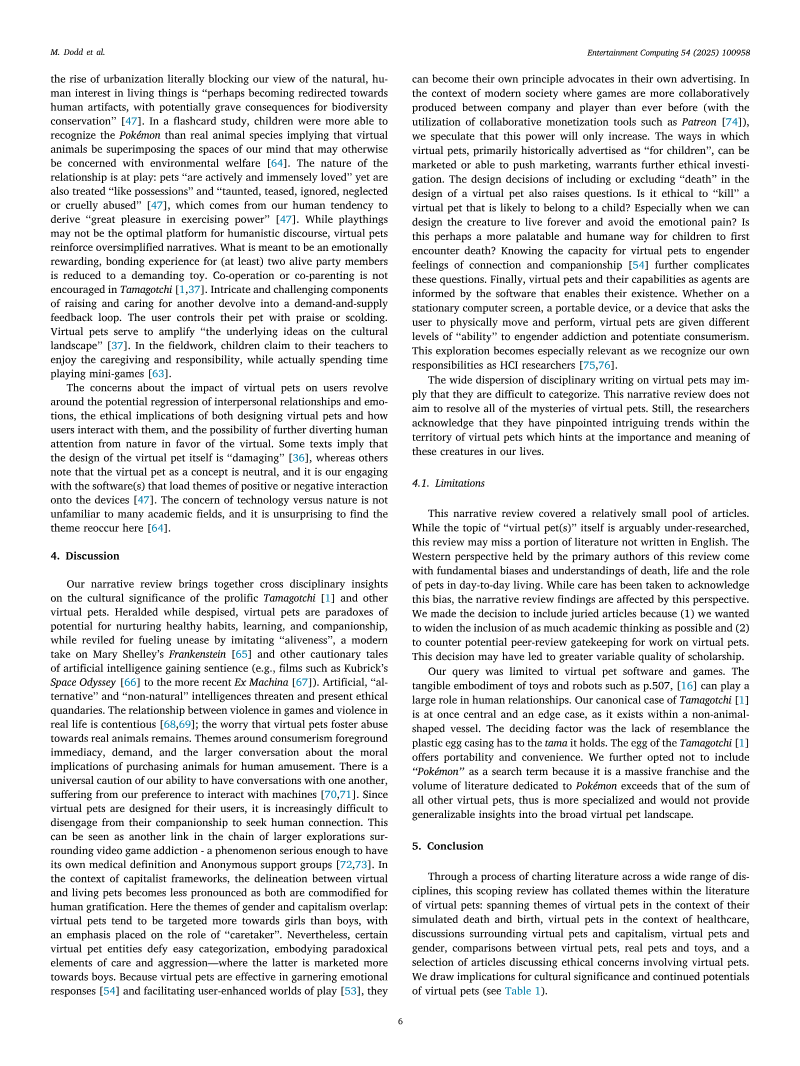
Virtual pets serve as complex, multifaceted tools that extend far beyond simple entertainment, functioning as significant instruments for managing human well-being, fostering empathy, and navigating the nuances of digital companionship.

The Revised Model for Initial and Continued Involvement in Fantasy Football
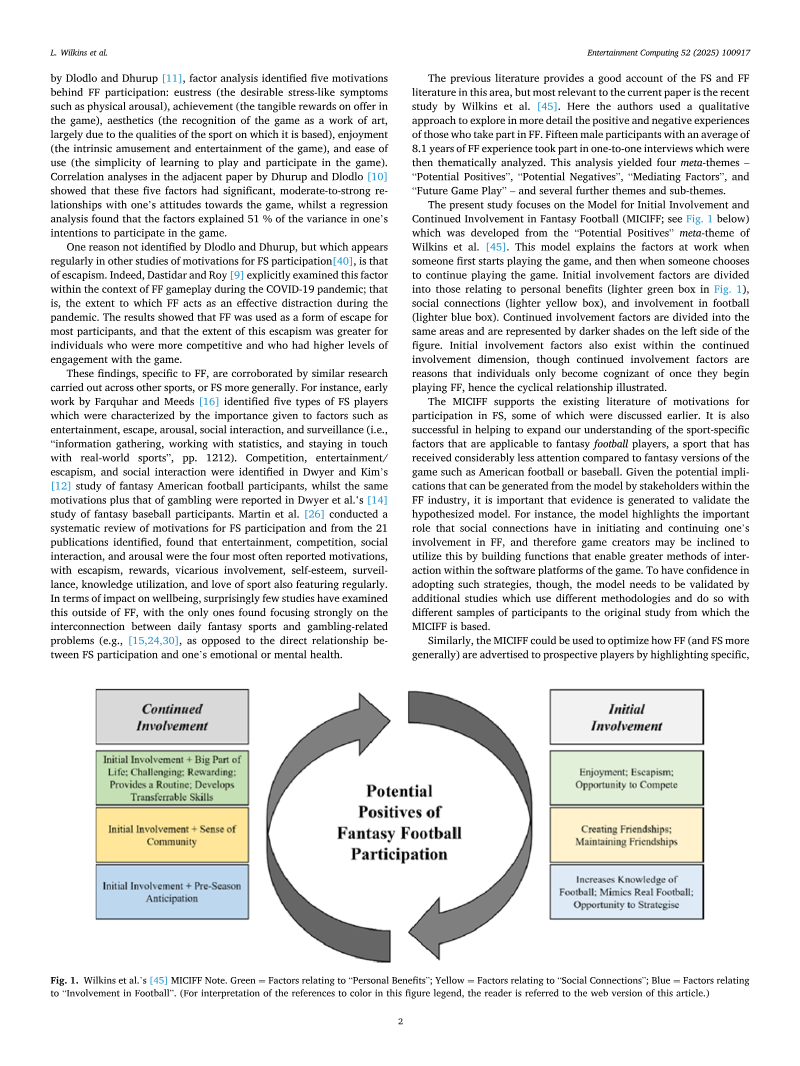
The revised Model for Initial and Continued Involvement in Fantasy Football (r-MICIFF) provides a comprehensive framework for understanding the psychological and social drivers behind player engagement.
- The Fantasy Premier League (FPL) is the most popular fantasy football game globally, reaching approximately 11 million players during the 2022-23 season.
- The revised Model for Initial and Continued Involvement in Fantasy Football (r-MICIFF) identifies 15 distinct factors driving player engagement, categorized into initial involvement and continued participation.
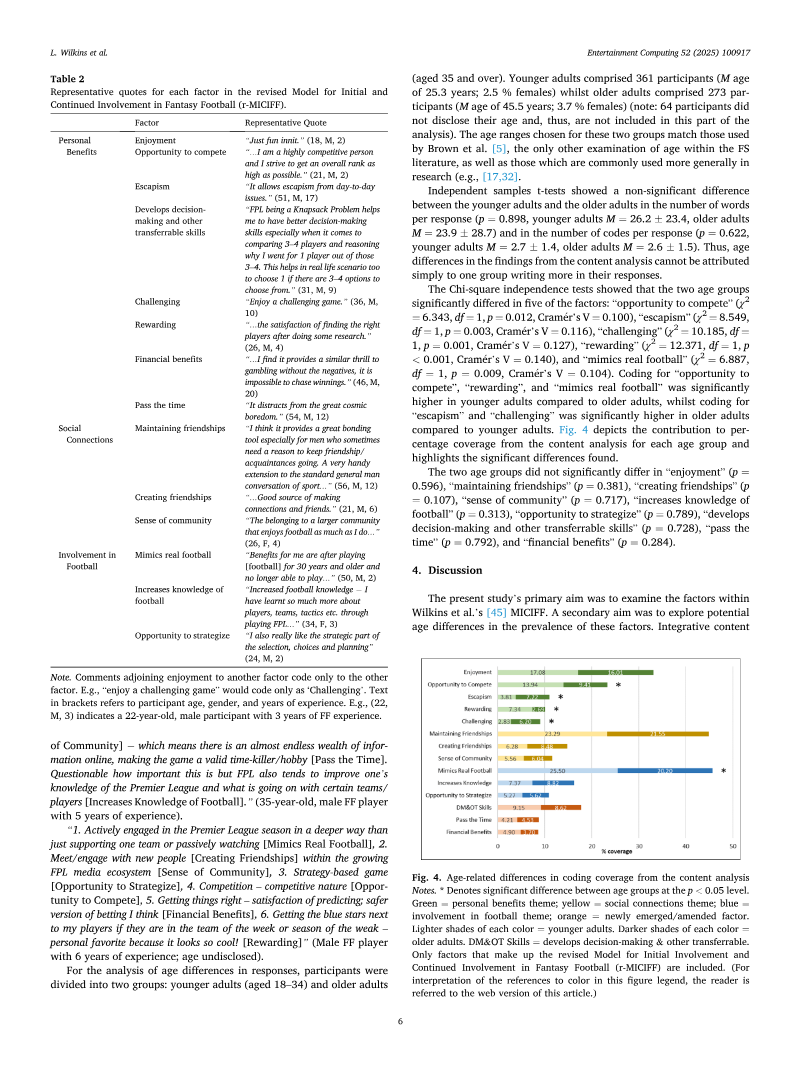
- Motivations for playing fantasy football shift with age: younger adults (18-34) are more driven by competition and the game's ability to mimic real-world football, while older adults (45+) are more motivated by the challenge the game provides.
Interactive Digital Narratives for Mental Resilience: Understanding the Player Experience of Betwixt
Interactive digital narratives serve as a potent medium for fostering mental resilience by blending immersive storytelling with therapeutic exercises.
- Interactive storytelling serves as a powerful 'attractant' for mental health applications, with users often more motivated by the narrative experience than by the therapeutic or mental resilience components alone.
- Users reported that the ability to control the pace of their engagement—specifically the option to pause or stop when content became emotionally overwhelming—was a critical factor in feeling a sense of agency and safety.
- Participants consistently favored the 'dream' story threads and information sessions over meditation sessions, suggesting that users prioritize narrative progression and psychological rationalization over guided audio exercises.
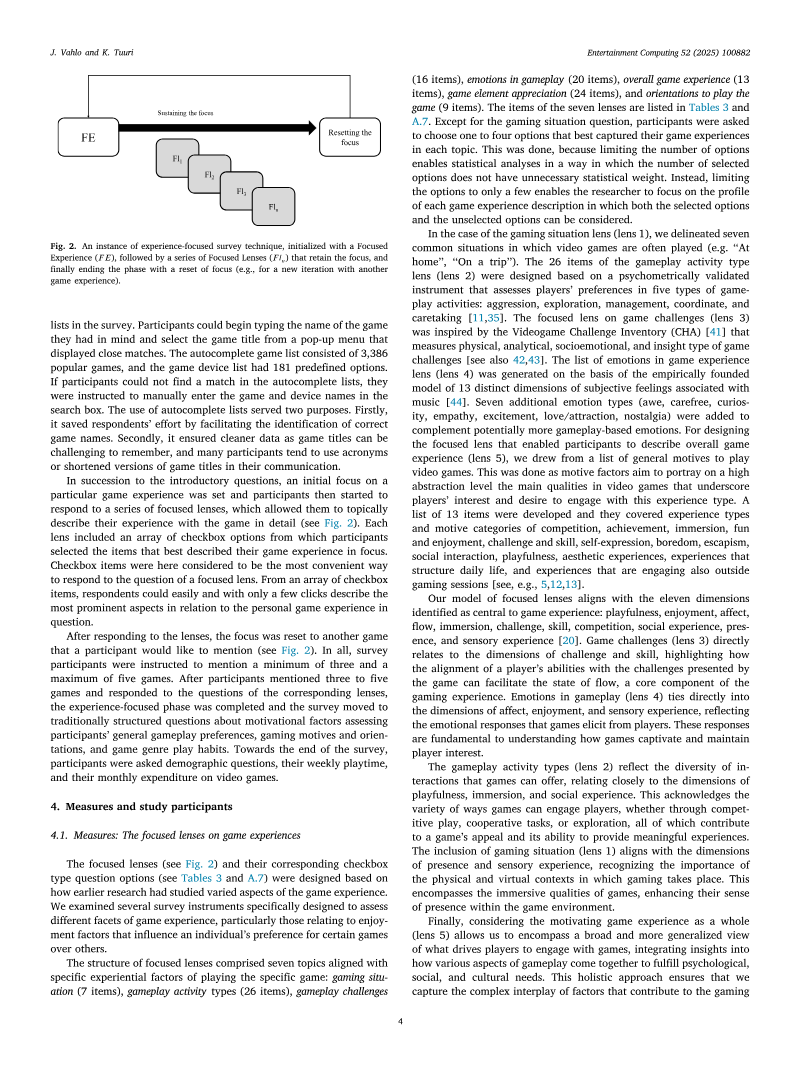
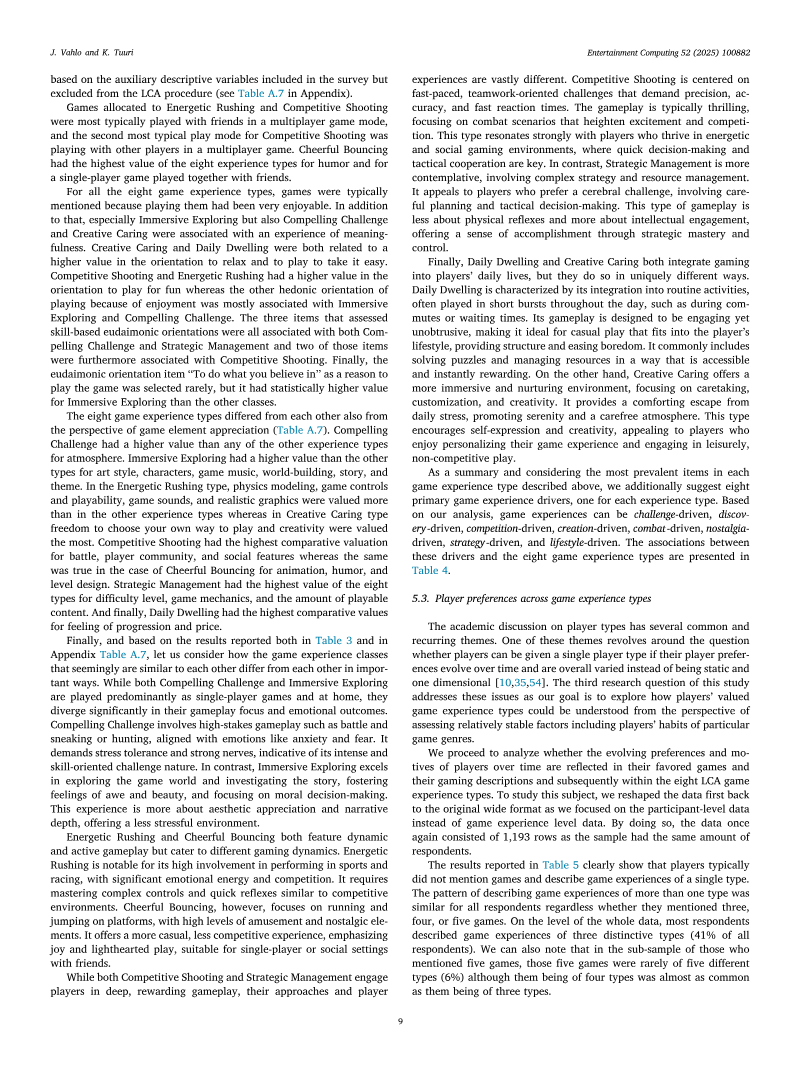
Eight Types of Video Game Experience
Video game engagement is defined by eight distinct experiential categories: Compelling Challenge, Immersive Exploring, Creative Caring, Energetic Rushing, Competitive Shooting, Cheerful Bouncing, Strategic Management, and Daily Dwelling.
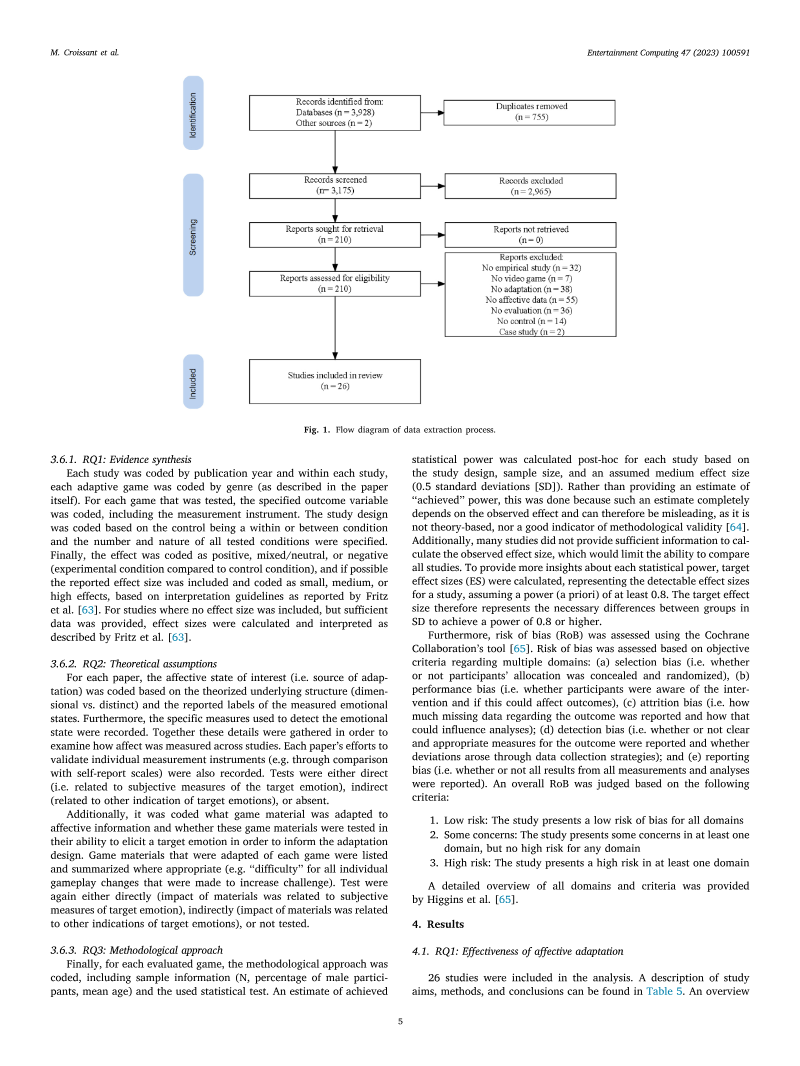
Theories, Methodologies, and Effects of Affect-Adaptive Games: A Systematic Review
Affect-adaptive gaming represents a burgeoning field focused on enhancing player experience, immersion, and performance through systems that dynamically respond to a user’s emotional state.
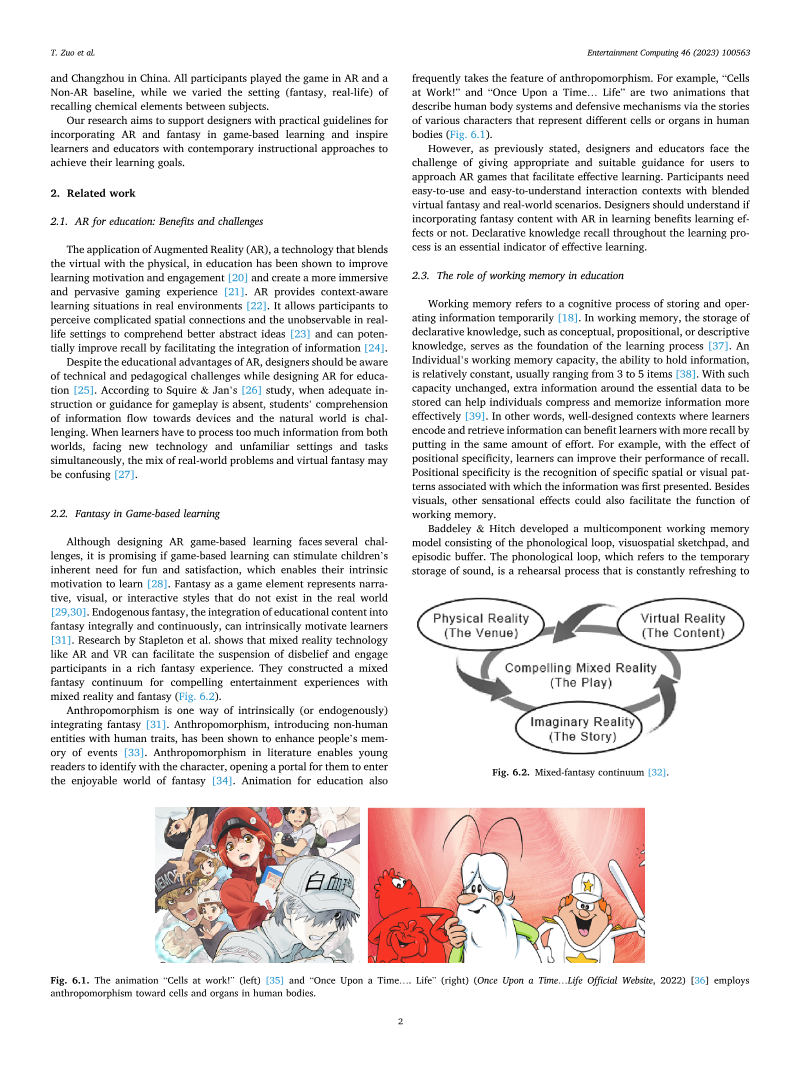
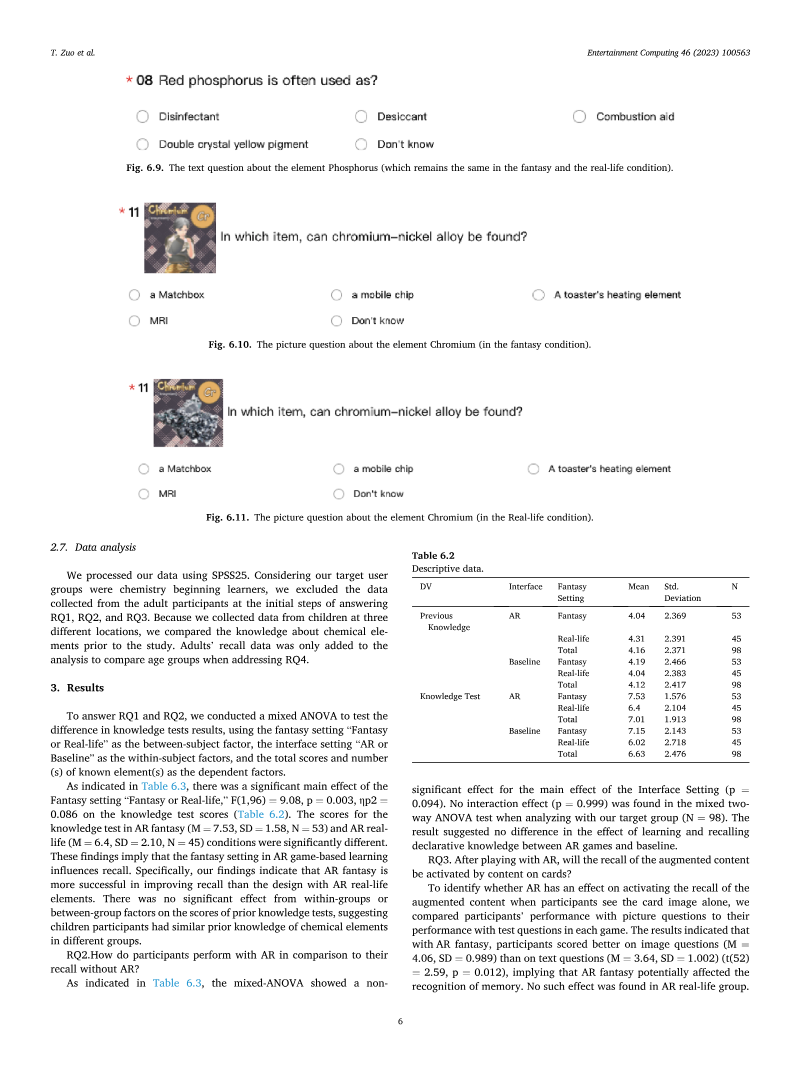
The Effect of Fantasy on Learning and Recall of Declarative Knowledge in AR Game-Based Learning
Integrating fantasy elements into augmented reality (AR) game-based learning significantly improves the acquisition and retention of declarative knowledge.
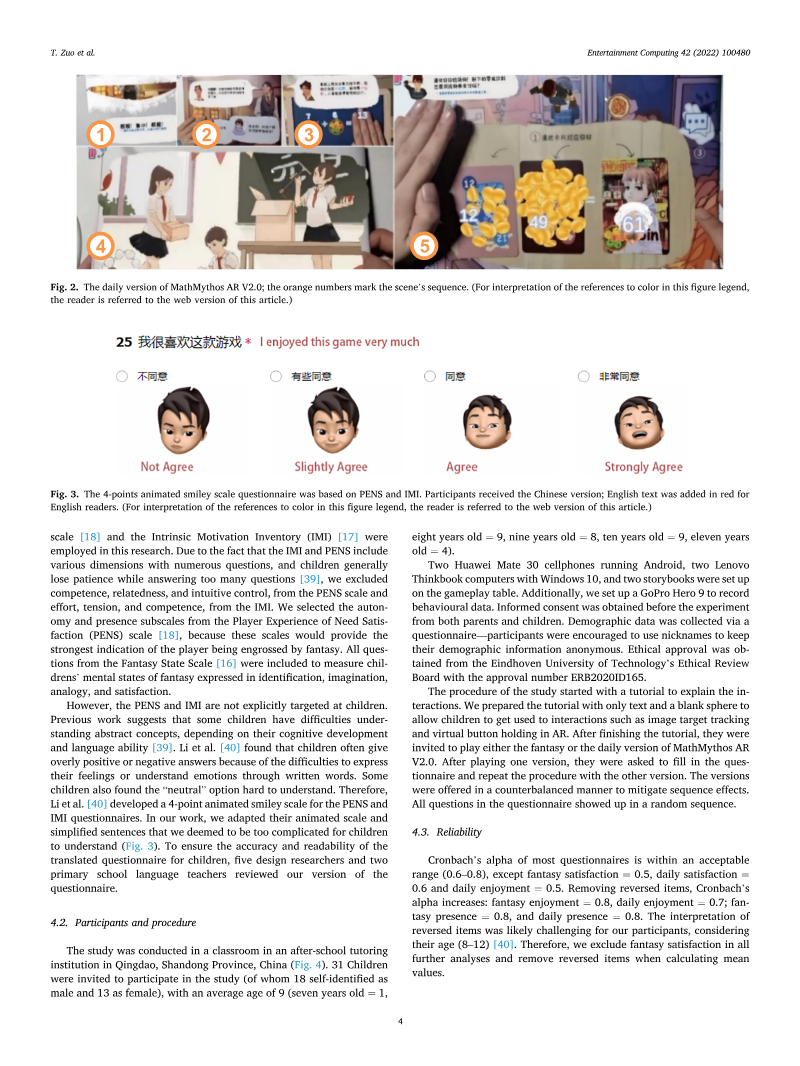
The Mediating Effect of Fantasy on Engagement in an AR Game for Learning
Fantasy elements serve as a critical catalyst for engagement in augmented reality educational games, functioning as a bridge that connects real-world environments with virtual learning experiences.
- Fantasy narratives in AR learning games significantly increase player imagination, presence, and character identification compared to daily-life settings, as evidenced by statistically significant Wilcoxon Signed-Ranks test results (p < 0.05).
- The relationship between fantasy settings and player enjoyment is fully mediated by the player's internal state of imagination, meaning fantasy is only effective if it successfully stimulates the user's imaginative capacity.
- Autonomy and presence act as critical secondary mediators that bridge the gap between stimulated imagination and actual enjoyment in AR game environments.
Do you work at Entertainment Computing? Get a free report of how these documents are read and cited here.