
1 free read left. Create a free account for unlimited reading + AI research.
Create free accountArticleEntertainment Computing
Distilling the key insights…
The relationship between behavioural realism in video games and the activation of aggressive concepts remains a subject of significant academic scrutiny, particularly regarding the assumption that increased fidelity leads to heightened antisocial effects. By examining elements such as ragdoll physics and non-player character (NPC) tactical sophistication, research indicates that these specific forms of realism do not inherently trigger aggressive cognition in players. Across large-scale experimental trials involving nearly 2,800 participants, evidence consistently fails to support the hypothesis that mimicking real-world physics or human-like combat behaviors results in increased aggressive priming.
In fact, some findings suggest that higher levels of tactical realism may even lead to a marginal decrease in the activation of aggressive concepts. While player competence serves as a minor variable in these interactions, it does not account for the observed outcomes, reinforcing the conclusion that behavioural realism operates independently of aggressive cognitive activation. These results challenge long-standing theoretical models that posit a direct causal link between the graphical or mechanical fidelity of violent media and negative psychological outcomes for the user.
This body of work contributes to a broader, decades-long discourse within the gaming industry and psychological research. By systematically testing the impact of game mechanics on player cognition, these findings provide a necessary empirical counterpoint to the assumption that greater realism necessarily correlates with increased antisocial behavior. While the scope of these studies focuses on first-person shooter mechanics, the data suggests that the psychological impact of video games is far more nuanced than simple models of realism would imply, necessitating further investigation into other dimensions of game design and their influence on player behavior.
Entertainment Computing · 2026
Entertainment Computing · 2026

Entertainment Computing · 2025
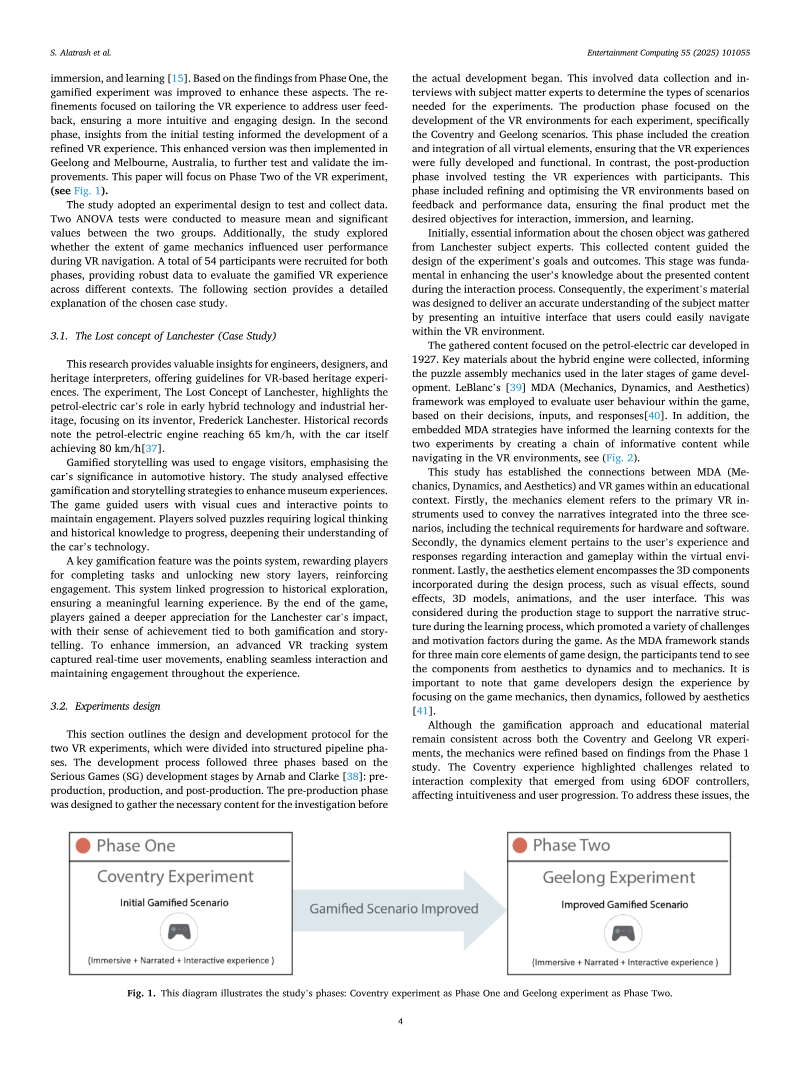
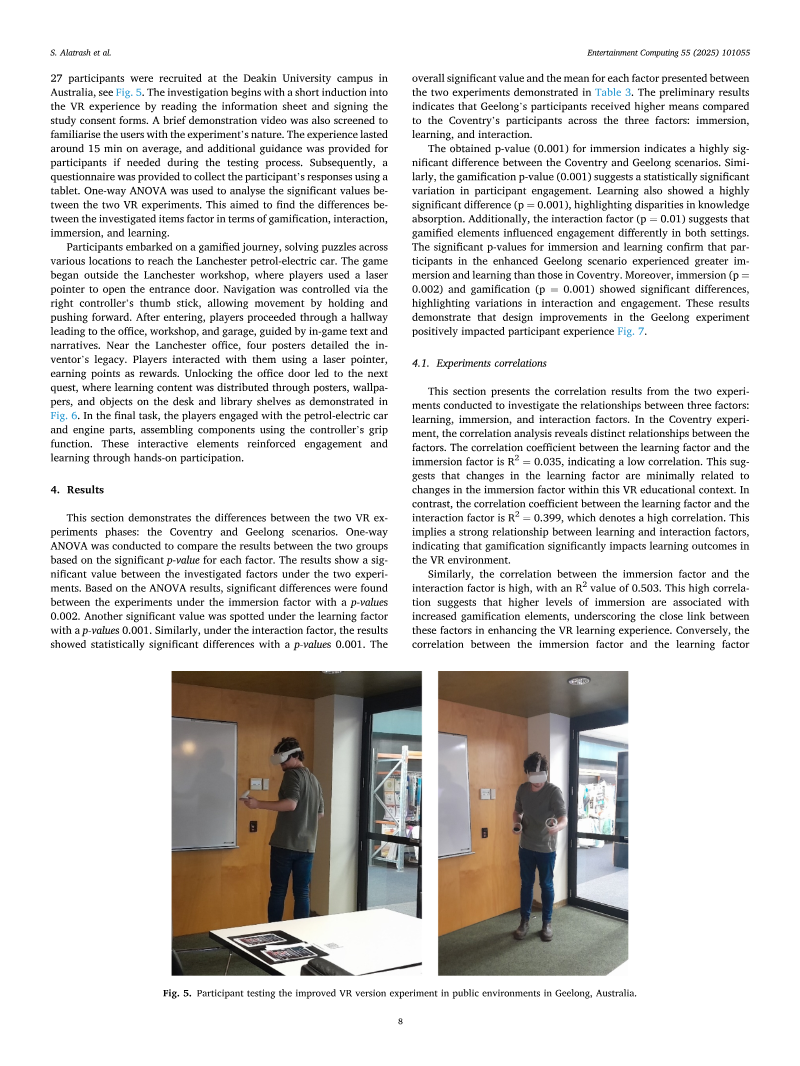
Elsevier · 2025
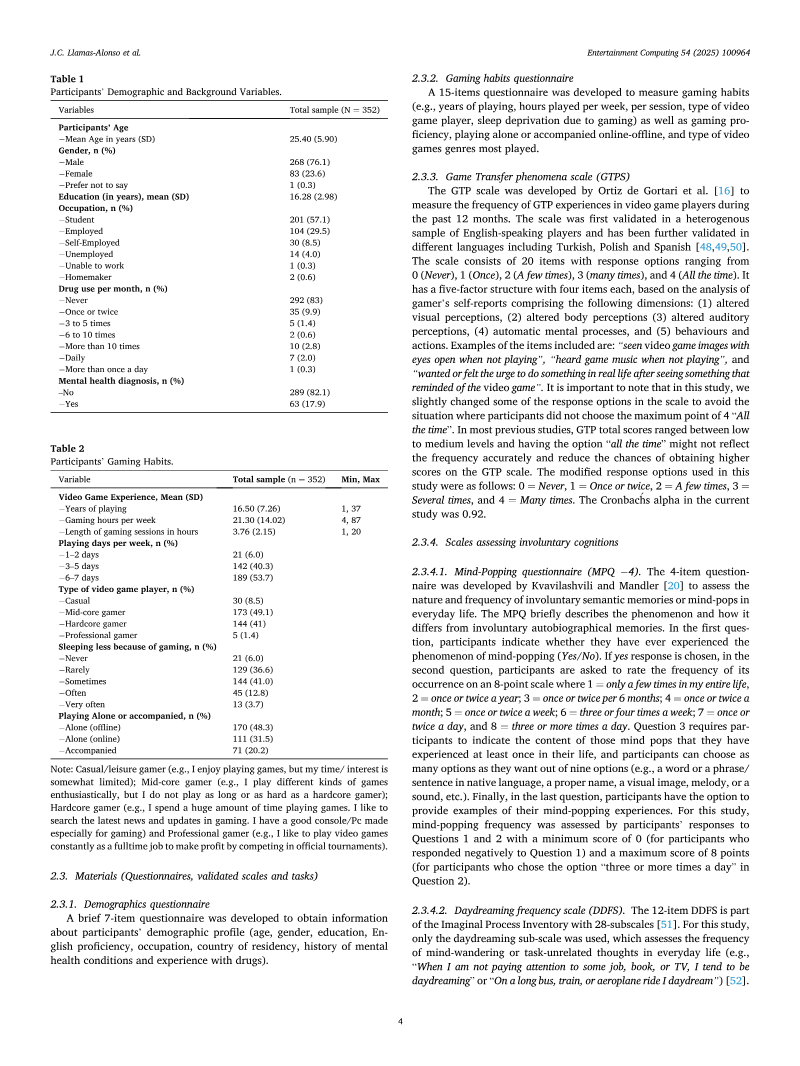
Elsevier · 2025
Elsevier · 2025

Entertainment Computing · 2024
Entertainment Computing · 2024
Entertainment Computing · 2024
Entertainment Computing · 2023
Entertainment Computing · 2023
Entertainment Computing · 2022
Kinephanos · 2026
















Comments