
Bryter
Bryter is an insights and consultancy agency that researches audiences and their motivations. It publishes games research reports on topics such as women gamers, Gen Z mobile gamers in the UK and farming sims.
Documents
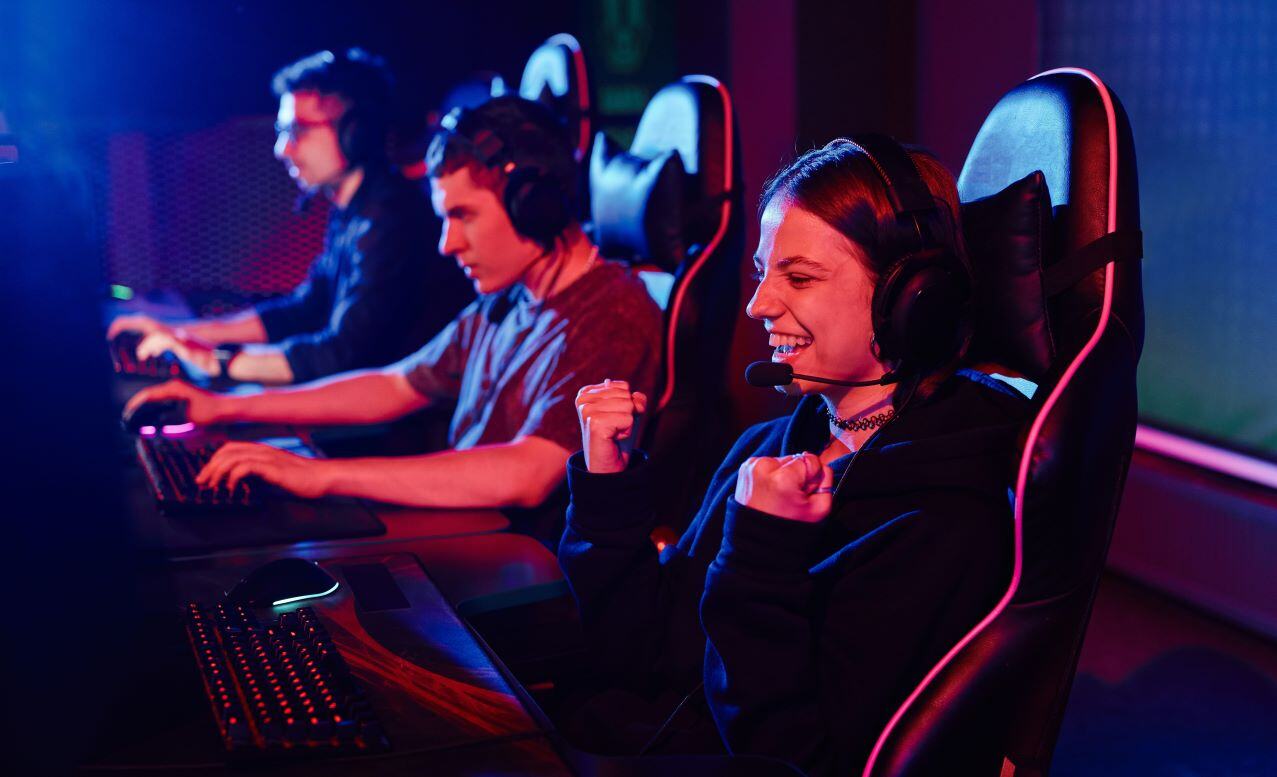
Women in Esports: What Challenges Are Women Facing?
The esports industry faces a significant gender diversity crisis, characterized by the systemic underrepresentation of women in professional gaming.
- Despite women representing approximately 48% of the total gaming population, they account for less than 5% of professional players participating in world championships.
- 72% of female gamers have experienced discrimination or abuse from male players, with 36% reporting that such harassment occurs regularly.
- The esports market is projected to grow from $1.38 billion in 2022 to $1.86 billion by 2025, yet female professional gamers face significant disparities in financial support, sponsorship, and coaching compared to their male counterparts.

Mobile Gaming Trends: Looking Back at 2022 and Forward to 2023
The mobile gaming industry experienced significant growth throughout 2022, solidifying its position as the largest revenue-generating segment within the broader gaming market.
- Mobile gaming has become the largest revenue-generating sector in the gaming industry, with consumer spending reaching $116 billion in 2021 and projected to hit $138 billion by 2025.
- The market is highly saturated with over 1 million available games, forcing developers to prioritize audience targeting and the conversion of existing players into high spenders over simple user acquisition.
- Social gaming is a primary driver of engagement and retention, as evidenced by the fact that nearly all top-grossing titles in 2022—including Honor of Kings, Genshin Impact, and PUBG Mobile—feature social or multiplayer components.

Mobile Gamers in Lockdown Report
The Mobile Gamers in Lockdown report examines how the COVID-19 pandemic influenced the habits and spending behaviors of mobile gamers.
- Mobile gaming accounts for 48% of global gaming revenue, significantly outpacing the 23% share held by PC gaming.
- Mobile gaming remains a predominantly solitary experience, with 73% of UK mobile gamers playing alone and only 7% engaging exclusively in multiplayer modes.
- Approximately 23% of mobile gamers reported increased spending on in-app purchases during the pandemic compared to pre-lockdown levels.

Older Gamers Are Investing More in DLC to Enhance Their Overall Gaming Experience
The gaming industry has increasingly shifted toward a games-as-a-service model, utilizing downloadable content (DLC) to maintain player engagement and drive revenue.
- Nearly two-thirds of gamers aged 40 and older regularly purchase DLC, compared to only 18% of gamers aged 18–24.
- Over one-third of the 40+ demographic spends more than $20 per month on DLC, whereas only 13% of the 18–24 age group reaches that spending level.
- Younger gamers (18–24) primarily purchase DLC to extend gameplay and replayability, reflecting a value-centric approach driven by lower disposable income.

Older Gamers Turn to More Social Gaming Experiences During Lockdown
The gaming industry experienced a significant surge in engagement and revenue during the COVID-19 lockdown, as consumers sought virtual alternatives to in-person social interaction.
- During the COVID-19 lockdown, over 80% of surveyed US PC gamers reported an increase in total time spent gaming, with a similar proportion noting longer individual gaming sessions.
- The 35–40 age demographic showed a significant increase in new social gaming behaviors, as older players turned to virtual interaction to compensate for the lack of in-person socializing.
- Gaming investment rose during the lockdown, with over 50% of respondents purchasing new PC games, 45% spending on in-game content, and one-third signing up for new gaming subscriptions like Microsoft Game Pass or EA Origin Access.

Female Gamers Survey 2020
The 2020 Female Gamers Survey examines the gaming habits, perceptions, and experiences of 2,006 gamers aged 16 and older across the United Kingdom and the United States.
- Approximately 60% of both male and female gamers report experiencing abuse or toxicity, but the nature of this abuse differs significantly by gender.
- While verbal abuse is the most common form of toxicity for both genders, 35% of female gamers report receiving sexually inappropriate content and 28% report sexual harassment, compared to male experiences primarily focused on performance-based verbal abuse.
- The impact of toxicity is more severe for women, with 24% of female gamers stating that abuse discourages them from playing again and 14% avoiding online multiplayer modes entirely due to fear of harassment.

Will Midcore Mobile Games Be Squeezed Out of the Market?
The mobile gaming industry is currently experiencing a shift in market dynamics that threatens the traditional dominance of midcore titles.
- Midcore mobile games face significant market pressure from the growth of hyper-casual titles, which offer lower development barriers and instant playability, and hardcore titles, which are increasingly dominated by high-profile ports like Fortnite and PUBG.
- Fortnite mobile demonstrated massive market demand by surpassing 100 million downloads in just 138 days following its 2018 release.
- PUBG Mobile achieved top-ranking status on free app charts in 17 countries within 24 hours of its launch, signaling the strong commercial viability of hardcore titles on mobile devices.

Gaming Bots: A Force for Good or Evil in the Gaming Industry?
The integration of artificial intelligence bots into the gaming industry presents a dual-natured impact, functioning as both a tool for player retention and a mechanism for exploitation.
- Game developers like Epic Games and the creators of PUBG use AI bots to bridge the skill gap for new players, helping to improve retention by providing a more accessible entry point into competitive environments.
- The use of bots in titles like Fortnite is a strategic response to massive player bases—such as Fortnite's 78.3 million monthly active users as of 2019—which inherently create a wide skill distribution that can frustrate beginners.
- While bots can enhance the onboarding experience, they are also used exploitatively in MMOs like World of Warcraft and Diablo to automate resource farming, which can devalue in-game economies and diminish the value of human progression.

Online Abuse Still Hindering Female Gamers
Persistent online abuse remains a significant barrier for female gamers, undermining both the inclusivity of the gaming community and the industry’s commercial potential.
- One in three female gamers experiences abuse from male counterparts, a statistic that remained stagnant between the 2018 and 2019 Bryter studies.
- Online abuse is prevalent, with 31% of affected female gamers reporting verbal abuse, 33% receiving inappropriate content or messages, and 14% receiving threats of rape.
- Toxic behavior directly impacts engagement, as many female gamers avoid revealing their gender or opt out of online multiplayer gaming entirely due to fear of harassment.

Gender Diversity in Games: Improving but Still a Way to Go
The gaming industry is experiencing a gradual shift toward improved gender diversity, yet significant barriers to authentic representation remain.
- Only 14% of the UK games industry workforce are women, reflecting a significant gender gap in professional representation.
- A study of 1,151 female gamers revealed that 71% feel female characters in games are over-sexualized, and 60% believe there is a lack of strong female representation.
- Despite the industry's focus on diversity, only 30% of female gamers feel they can relate to the female characters currently featured in games.