Metaverse reports and market data
Documents

The Metaverse Haters Ball
The discourse surrounding the metaverse reflects a significant divide between industry analysts who maintain a utopian vision of a ubiquitous, next-generation internet and those who argue that such projections are fundamentally flawed.
- The metaverse is better understood as a collection of distinct, niche gaming ecosystems like Roblox, Epic Games, and World of Warcraft rather than a singular, monolithic evolution of the internet.
- Industry analysts are increasingly criticized for pushing corporate strategies based on false equivalencies and unrealistic market expectations regarding a unified metaverse infrastructure.
- There is significant skepticism toward claims that AAA mobile gaming and specialized handheld hardware, such as the PlayStation Portal or Steam Deck, are the primary drivers of future industry expansion.

TWIG #316 Metaverse Myths, Ubisoft’s Struggles and the Stance for Marketing
The metaverse is increasingly viewed as a hollow, financially incentivized trend rather than a viable technological evolution.
- The metaverse vision of an interoperable digital landscape has failed to materialize, leading major players like Meta and Epic Games to prioritize closed ecosystems and pivot resources toward artificial intelligence.
- Ubisoft is currently experiencing significant internal instability due to the underperformance of major titles and a lack of mobile-specific expertise.
- Marketing budgets should follow an 80/20 split, with 80% dedicated to measurable performance channels and 20% allocated to creative brand stunts to drive organic awareness.
Animoca Brands and the Motorverse
Animoca Brands is actively shaping the future of digital entertainment by fostering an open metaverse centered on consumer property rights and blockchain integration.
- Animoca Brands is leveraging a portfolio of over 450 investments to transition the gaming industry from speculative Web3 models toward high-quality, product-first entertainment.
- The Motorverse initiative establishes standardized data models for vehicles to enable true interoperability, allowing digital assets to function seamlessly across multiple racing titles.
- The platform aims to function as a 'Netflix for automotive gaming,' creating a centralized digital hub that facilitates persistent ownership and cross-platform engagement.
TWIG #292 Matthew Ball’s Metaverse 2.0 / Top Game License IPs Unveiled
The gaming industry is currently navigating a period of significant structural transition, characterized by a pivot toward profitability over aggressive user acquisition.
- The gaming industry is shifting from aggressive user acquisition to a focus on profitability, evidenced by Microsoft restructuring Xbox Game Pass to increase prices and remove day-one releases from entry-level tiers.
- The metaverse concept has pivoted from decentralized blockchain visions to pragmatic, walled-garden social experiences that prioritize immersive engagement within existing digital platforms.
- Traditional toy companies are adopting 'shelf-to-screen' strategies, integrating physical products into digital ecosystems like Roblox and Brawl Stars to capture younger demographics.
How to Master Europe’s Digital Infrastructure Needs?
Video Games Europe argues that Europe’s digital infrastructure policy should reinforce, rather than reshape, the existing market dynamics that underpin the continent’s thriving video-game ecosystem.
- Video Games Europe opposes new network fees or expanded regulation of cloud services, arguing these measures would threaten net neutrality, increase consumer costs, and damage European digital competitiveness.
- The European video game industry generates €24.5 billion in annual revenue and employs approximately 110,000 people, with 53 percent of the European population participating in gaming.
- Gaming traffic is significantly lower than video streaming, with typical online gameplay consuming 60–80 megabytes per hour and high-intensity titles rarely exceeding 300 megabytes per hour.
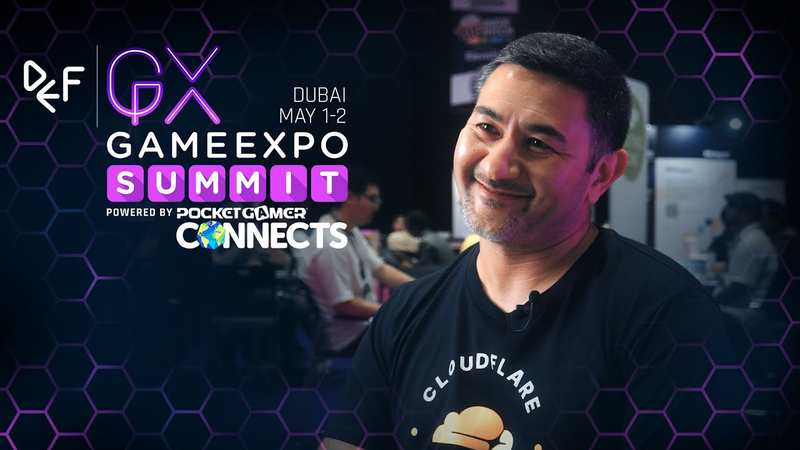
How do you build a safer internet? | Botir Bayzakov from Cloudflare
Cloudflare operates as a global connectivity cloud, functioning as a critical intermediary for approximately 20% of global internet traffic.
- Cloudflare manages approximately 20% of global internet traffic, acting as a critical intermediary for performance optimization and security.
- The platform blocks over 13 million cyber threats daily, focusing primarily on DDoS attacks, phishing, and malware.
- Clients can implement custom security rules based on over 150 tracked request attributes, with deployment times under ten seconds.
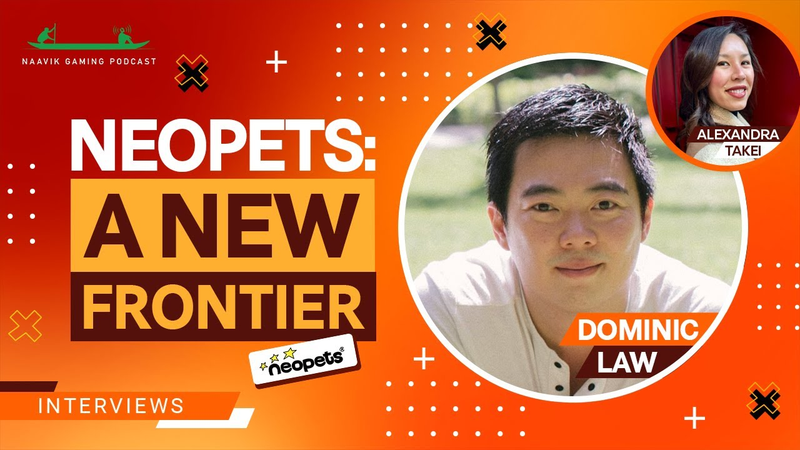
Neopets: A New Frontier
Neopets stands as a foundational pillar of early digital social gaming, having pioneered free-to-play mechanics and immersive advertising during its peak in 2011, when it commanded 35 million unique users and one trillion page views.
- Neopets is targeting the re-engagement of 30 to 50 million lapsed users as its primary growth strategy, leveraging a core demographic of 25- to 35-year-olds who remain emotionally invested in the brand.
- The World of Neopia is executing a stabilization strategy that abandons previous Web3 and NFT pivots in favor of a 'business 101' approach focused on infrastructure repair and the Neopass unified ecosystem.
- The franchise is pursuing long-term sustainability through a dual-track strategy of brand modernization and cross-platform expansion, including a new trading card game partnership with Upper Deck.
Call for Contributions - Competition in ‘Virtual Worlds’ and Generative Artificial Intelligence
Video Games Europe submits a focused perspective on competition in virtual worlds and generative artificial intelligence, emphasizing that both technologies are central to the European video-games sector’s ongoing innovation and consumer value.
- The EU video game sector remains highly competitive and dynamic, evidenced by over 5,500 active companies in 2021 and the entry of approximately 500 new developers in that year alone.
- Regulatory policy for virtual worlds and generative AI should rely on existing frameworks like the Digital Markets Act (DMA) and the AI Act, avoiding new, overly prescriptive legislation that could stifle innovation.
- While the industry is trending toward open standards and interoperability, mandatory interoperability requirements are discouraged as they risk impeding the development of diverse business models.
BITKRAFT Summit 2023: Scaling Portable Identity&Ownership in Web3 Games and Social Networks
The digital landscape is undergoing a fundamental shift toward user-owned, portable identity, moving away from the restrictive, siloed platforms that have historically dominated the gaming and social media sectors.
- The digital landscape is shifting from siloed, platform-specific accounts to decentralized, user-owned identities that allow for the seamless portability of assets and digital history across different environments.
- By utilizing blockchain technology and verifiable credentials, developers are replacing closed API models with decentralized ecosystems that eliminate administrative redundancy and onboarding friction.
- Treating data as a portable asset enables personalized user interactions while bypassing Big Tech intermediaries, facilitating a transition from a limited creator economy to a broader digital nation model.

XR: X-plore, X-plain, X-amine
The extended reality (XR) sector is currently defined by a massive influx of capital from major technology firms, most notably Meta’s forty-billion-dollar investment in Reality Labs and Apple’s entry into the premium spatial computing market.
- The XR sector is currently defined by massive capital investment, highlighted by Meta’s $40 billion commitment to Reality Labs and Apple’s entry into the premium spatial computing market.
- The industry is shifting its strategic focus from gaming-centric hardware toward general-purpose, productivity-focused computing to mirror the adoption patterns of PCs and smartphones.
- The market is bifurcating into two distinct segments: Apple is targeting the high-fidelity premium space, while Meta is prioritizing mass-market volume.

Disney x Fortnite / Heroes of Mavia Launch / WB Live Service Stumbles
The gaming industry is currently undergoing a structural transformation characterized by a move away from traditional standalone development toward interconnected digital ecosystems and community-driven engagement.
- Disney is investing $1.5 billion into Epic Games to integrate its intellectual property into Fortnite, shifting away from internal development to leverage an existing, persistent cross-platform ecosystem.
- The gaming industry is moving toward interconnected digital ecosystems, prioritizing organic player retention and high-quality gameplay over aggressive, top-down monetization strategies.
- Forced live-service mechanics are alienating core audiences, as evidenced by the poor reception of Warner Bros. titles like Suicide Squad: Kill the Justice League and Mortal Kombat 1.

Forever Digital Pets in the Petaverse
The Petaverse initiative seeks to redefine the digital pet genre by transitioning from hardware-confined, disposable game objects to persistent, autonomous companions.
- The Petaverse initiative aims to transition digital pets from disposable game objects into persistent, autonomous companions that retain unique personalities and memories across different environments.
- The platform utilizes a hybrid architecture that mirrors data across multiple blockchains to enable interoperability between diverse game engines and platforms, including Minecraft and Roblox.
- The project prioritizes a user-friendly experience over blockchain-first mechanics, positioning digital ownership as a tool for asset longevity rather than a barrier to entry.