Mergers & Acquisitions reports and market data
Documents

TWIG #382: Merge Mansion Falls, Xbox Fires the Wrong People, and the Math That Killed Gaming VC
The gaming industry is undergoing a fundamental structural transition, moving away from the high-growth, venture-backed models of the past decade toward a landscape defined by operational efficiency, asset-focused management, and lean production cycles.
- The gaming industry is shifting from high-growth, venture-backed models to a focus on operational efficiency, fiscal discipline, and long-term cash flow optimization.
- Venture capital investment in gaming has plummeted due to compressed valuation multiples and a shrinking pool of potential acquirers, signaling the end of the mobile free-to-play era's explosive growth.
- Studios are increasingly adopting a 'band model' that utilizes small core teams supplemented by freelancers, outsourcing, and AI to mitigate the rising costs of traditional development.
Supercell buys Metacore amid brutal layoffs, Second Dinner cuts, inside Scopely x Niantic, more
The mobile games industry is currently navigating a period of significant restructuring and strategic consolidation.
- Supercell has acquired Metacore in a deal involving a €180 million investment, resulting in the layoff of 160 staff members—over half the company—as the studio pivots to focus exclusively on Merge Mansion.
- Marvel Snap developer Second Dinner has laid off 16 employees, though the company confirmed that development on its current roadmap and an unannounced second game remain unaffected.
- Scopely and Niantic executives revealed that their partnership, which has significantly improved revenue performance for titles like Pikmin Bloom, involved intense integration efforts and complex technical collaboration.
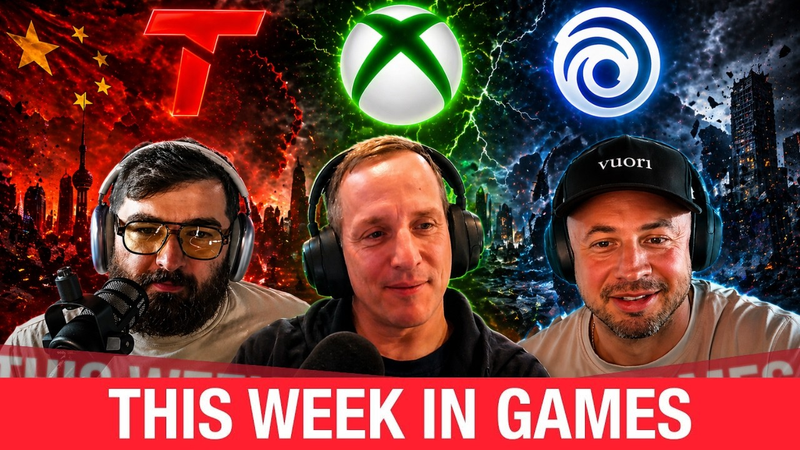
TWIG #381: Xbox Loses the Plot, Ubisoft on Life Support & Western Gaming's Darkest Take
The gaming industry is currently navigating a period of profound structural instability, characterized by a shift in strategic priorities and a widening performance gap between Western and Chinese developers.
- Western developers are losing significant market share to Chinese competitors, who benefit from lower labor costs, larger talent pools, and a higher capacity for rapid organizational restructuring.
- Xbox has shifted its primary performance metric to Daily Active Users, a strategy criticized for prioritizing vanity metrics over the development of high-quality exclusive content.
- Ubisoft is facing severe instability due to leadership turnover and aging franchises, leading to speculation that a Tencent acquisition may be necessary for the company's survival.
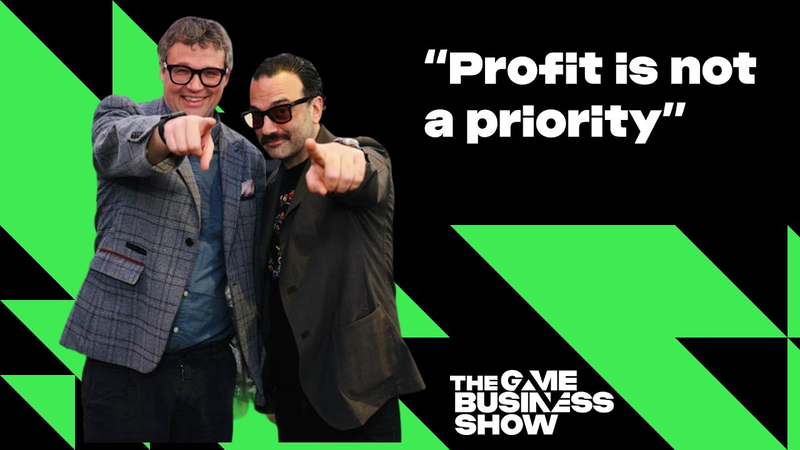
The Vampire Survivors developer is opening studios and making over 15 projects
Poncle, the developer behind the hit title Vampire Survivors, is currently undergoing a significant strategic expansion.
- Poncle is scaling from a solo-developer origin into a decentralized federation of small, agile teams currently managing over 15 active development projects.
- The studio is expanding its physical footprint beyond the United Kingdom by establishing new offices in Italy and Japan to facilitate better collaboration with local stakeholders.
- Vampire Survivors has reached a global player base of over 27 million, providing the resources to fund a diverse portfolio of new genre experiments, including card games.
🚨📢 BREAKING NEWS: Chinese domination, M&A boom, Freecash controversy
The mobile gaming industry is currently undergoing significant structural shifts characterized by the dominance of Chinese developers, a resurgence in merger and acquisition activity, and regulatory scrutiny of rewarded user acquisition platforms.
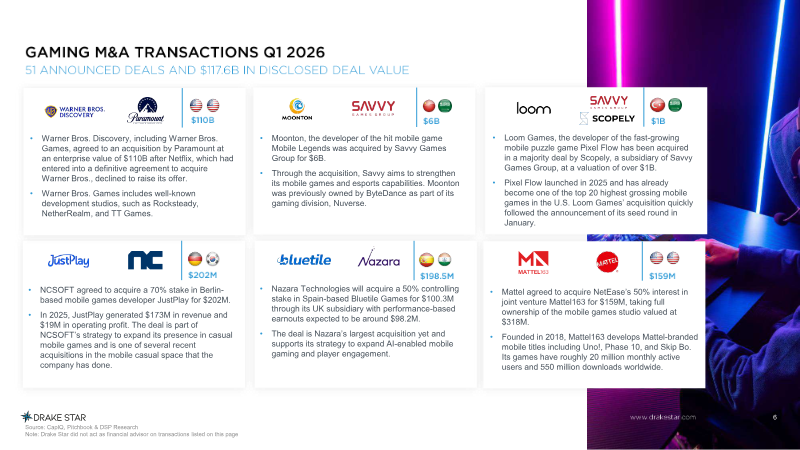
- M&A activity in the mobile gaming sector reached $7.7 billion in Q1 2026, representing a threefold increase compared to the same period in 2025.
- Chinese-developed titles such as Last War, Honor of Kings, Whiteout Survival, and Gossip Harbor are increasingly displacing long-standing market leaders like Candy Crush on global top-grossing charts.
- The removal of the rewarded user acquisition platform Freecash from major app stores has triggered industry-wide scrutiny regarding the future viability of rewarded advertising models.
Global Gaming Report Q1 2026
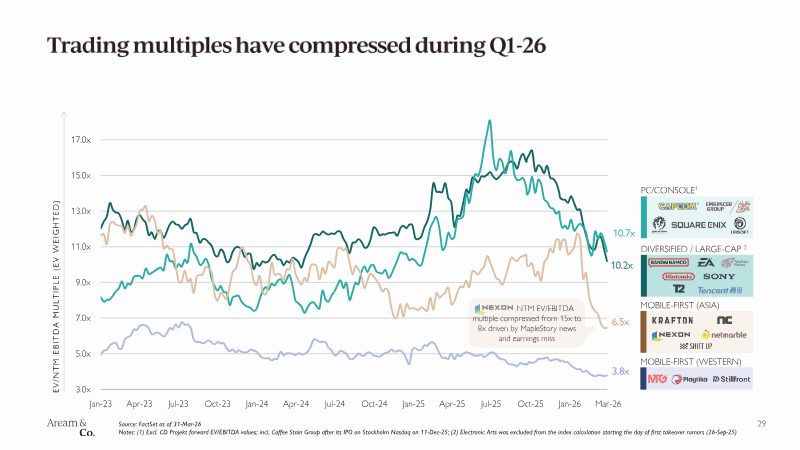
The global gaming industry experienced a period of significant structural realignment during the first quarter of 2026, characterized by a surge in high-value consolidation alongside a cooling of public market sentiment.
- Q1 2026 saw 106 private placement deals totaling $785 million, a significant decrease from Q1 2025's $5.0 billion across 149 deals, indicating a cooling investment landscape.
- Project financing is now the primary funding path for studios due to headwinds in studio equity, with dedicated User Acquisition (UA) funds emerging as a new lifeline for mid-stage mobile studios.
- Key strategics to watch include PIF/Scopely, KRAFTON, NCSoft, Tencent, MTG, Take-Two, Netflix, everplay, and Keywords Studios, while Private Equity is expected to drive take-private transactions of publicly listed gaming firms.

Video Game Market Update: Q1 2026
The global video game industry experienced a period of significant divergence during the first quarter of 2026, characterized by record-breaking consumer engagement alongside a tightening capital environment.
- The console market reached a record $21.7 billion in Q1 2026, primarily driven by the Nintendo Switch 2's first holiday season, while Sony and Microsoft experienced year-over-year revenue declines.
- Mobile gaming's in-app purchase (IAP) revenue has plateaued, with Q1 2026 gross IAP revenue at $20.6 billion, while install volumes hit multi-year lows, indicating a shift towards monetization efficiency.
- Mergers and Acquisitions (M&A) activity in Q1 2026 saw a high quarterly deal value of $7.7 billion across 52 deals, with mobile studios accounting for the majority of headline acquisitions.

Ilkka's BAFTA Fellowship, record D2C revenue & the Super Mario Galaxy Movie | Week in Mobile Games
The mobile gaming industry is currently undergoing a structural transformation characterized by a pivot toward direct-to-consumer sales models and a move away from Western-centric market dominance.
- Major publishers like Playtika and Take-Two are increasingly bypassing traditional platform fees through direct-to-consumer models to capture higher margins, though these gains are often offset by rising user acquisition costs.
- The global mobile gaming market is decentralizing into specialized regional hubs, with Asian markets leading in live operations and innovation while Western firms rely on established console intellectual property.
- Industry leadership is shifting toward a focus on creative autonomy and long-term cultural health, exemplified by Supercell’s Ilkka Paananen, as a counter-strategy to short-term monetization pressures.
🚨📢 BREAKING NEWS: Unity kills ironSource, Meta lawsuits, AppLovin moves
The mobile gaming and ad tech sectors are currently undergoing a significant transition characterized by market stabilization, consolidation, and a shift toward operational efficiency.
- The mobile gaming market is stagnating, with in-app purchase revenues plateauing at $20 billion for three consecutive quarters and download volumes hitting multi-year lows as of Q1 2026.
- Unity is restructuring its ad business by sunsetting the ironSource network and divesting its Supersonic publishing arm to prioritize its Unity Vector ad stack, which has achieved 15% sequential growth.
- Meta is moving toward a fully autonomous AI-driven advertising model by 2026 via its Advantage Plus and Andromeda systems, shifting the focus from manual campaign management to creative diversity and first-party data.
Why Disney Wants To Buy Epic | Design Club
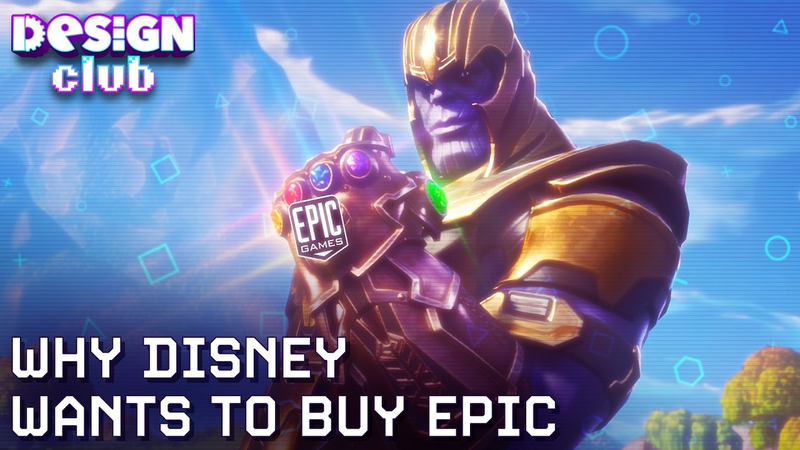
Disney is actively pursuing a strategic acquisition of Epic Games to address a critical deficiency in its corporate portfolio: the lack of a robust, internal first-party gaming infrastructure.
- Disney lacks strong internal game development capabilities, making the acquisition of Epic Games a strategic move to gain control over high-value gaming assets and infrastructure.
- Epic Games provides three critical pillars for Disney: the Unreal Engine for content creation, the Fortnite platform for user engagement, and the Epic Games Store as a distribution channel.
- Integrating Epic into Disney's ecosystem would allow for massive content bundling, such as offering legacy Disney, Marvel, and Star Wars game titles as part of a Disney+ subscription.
Playtika for sale, data nuggets, Ilkka's BAFTA, Netflix Playground, game writers on mobile, more
The mobile games industry is currently navigating a period of significant strategic shifts and market stabilization.
- Playtika has initiated a strategic review to explore a potential sale, with an estimated enterprise value of $2.7 billion to $2.9 billion, following a 91% decline in market capitalization since January 2021.
- Global mobile in-app purchase (IAP) earnings remained flat in Q1 2026 at approximately $20.5 billion, with China-based publishers leading the market while US-based publisher revenue declined 14% year-on-year.
- Regional market performance in Q1 2026 showed significant growth in Singapore (up 22%) and Turkey (up 28%), while Japan’s market remained flat.
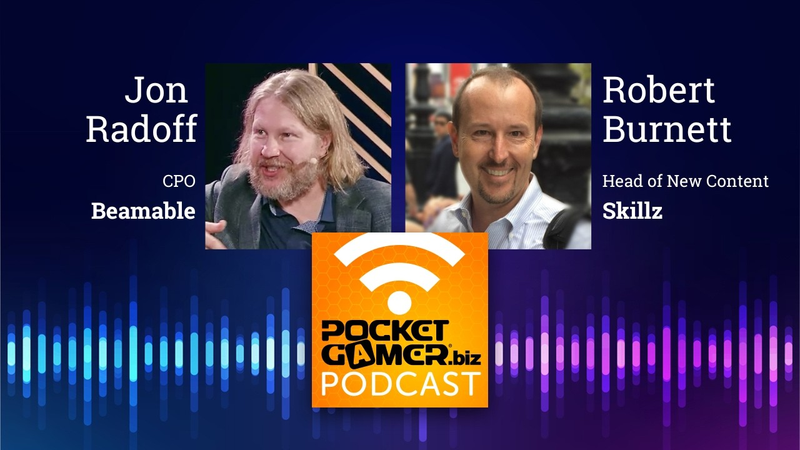
Skillz, Beamable and The LiveOps Shift
The integration of Skillz and Beamable represents a strategic shift toward providing developers with a comprehensive business operating system designed to democratize access to high-end infrastructure.
- Skillz has acquired Beamable to provide developers with a comprehensive 'business operating system' that handles backend infrastructure, allowing studios to focus resources on gameplay rather than technical debt.
- The new Skillz Pro SDK enables developers to maintain 100% control over their game's front-end user experience while integrating advanced live-service layers, virtual economies, and flexible monetization models.
- Beamable’s platform supports over 100 publishers and thousands of developers, maintaining a 99.99% service level agreement (SLA) to ensure the reliability and scalability required for competitive mobile games.