IPO reports and market data
Documents
Lessons from Duolingo: From Startup to IPO
Duolingo’s trajectory from a small startup to a publicly traded company demonstrates the efficacy of a disciplined, data-centric approach to scaling.
- Duolingo maintains a high-frequency experimentation cycle by conducting approximately 300 A/B tests per month to drive rapid, evidence-based product iteration.
- The company scaled by sequencing business objectives, focusing exclusively on user acquisition before introducing monetization and pedagogical efficacy layers.
- Organizational structure evolved from a flat hierarchy into cross-functional, metric-oriented teams that utilize OKRs for planning alignment rather than individual performance evaluation.

TWIG 148: China curbs playtime + Nexters SPACs at $1.9B + Playtika acquires Reworks for $400M cash
The gaming industry is currently navigating significant regulatory shifts in China, where new government mandates restrict individuals under the age of 18 to three hours of video game playtime per week.
- New Chinese regulations restrict minors to three hours of gaming per week, limited to one hour daily between 8:00 p.m. and 9:00 p.m. on Fridays, weekends, and holidays, forcing Chinese developers to pivot toward Western markets.
- Playtika acquired an 80% stake in Reworks for $400 million in cash, with an option to purchase the remainder for up to $200 million to compete in the design entertainment app market.
- Mobile developer Nexters went public via SPAC at a $1.9 billion valuation, aiming to consolidate the Eastern European and Russian markets despite concerns over its reliance on the $20 million monthly revenue generated by Hero Wars.
ROBLOX's $30 Billion Dollar Bet! - Why You Should Care About ROBLOX Going Public - Extra Credits
Roblox has emerged as a dominant force in the gaming industry, particularly among the youth demographic in the United States, where it captures approximately 75% of children aged 9 to 12.
- Roblox captures approximately 75% of children aged 9 to 12 in the United States, cementing its status as a dominant social ecosystem with over 12 million user-generated experiences.
- The company reached a valuation of roughly $29.5 billion upon going public, shifting its strategic priority from rapid user acquisition to meeting shareholder expectations for profitability.
- In 2020, Roblox's revenue-sharing model incentivized developers to earn approximately $250 million, fueling a platform that grew to 36 million daily active users by the end of that year.
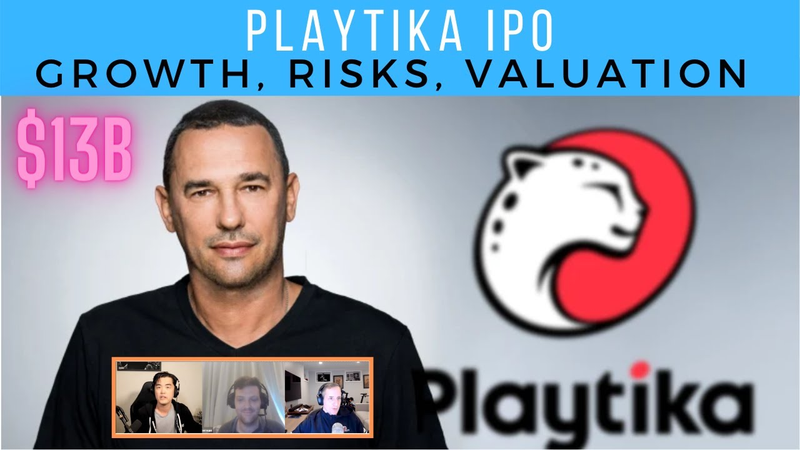
Playtika IPO | Future for The Leader in Mobile Social Casino
Playtika’s initial public offering, which established an $11 billion valuation, reflects investor confidence in the company’s sophisticated, data-driven approach to the social casino market.
- Playtika achieved an $11 billion valuation by applying a software-as-a-service (SaaS) model to the social casino market, prioritizing operational optimization over new title development.
- The company’s growth is heavily dependent on mergers and acquisitions due to stalled organic growth and a lack of a proven track record for internal game development.
- Recent financial performance shows signs of stagnation, characterized by sequential revenue declines and challenging year-over-year comparisons.
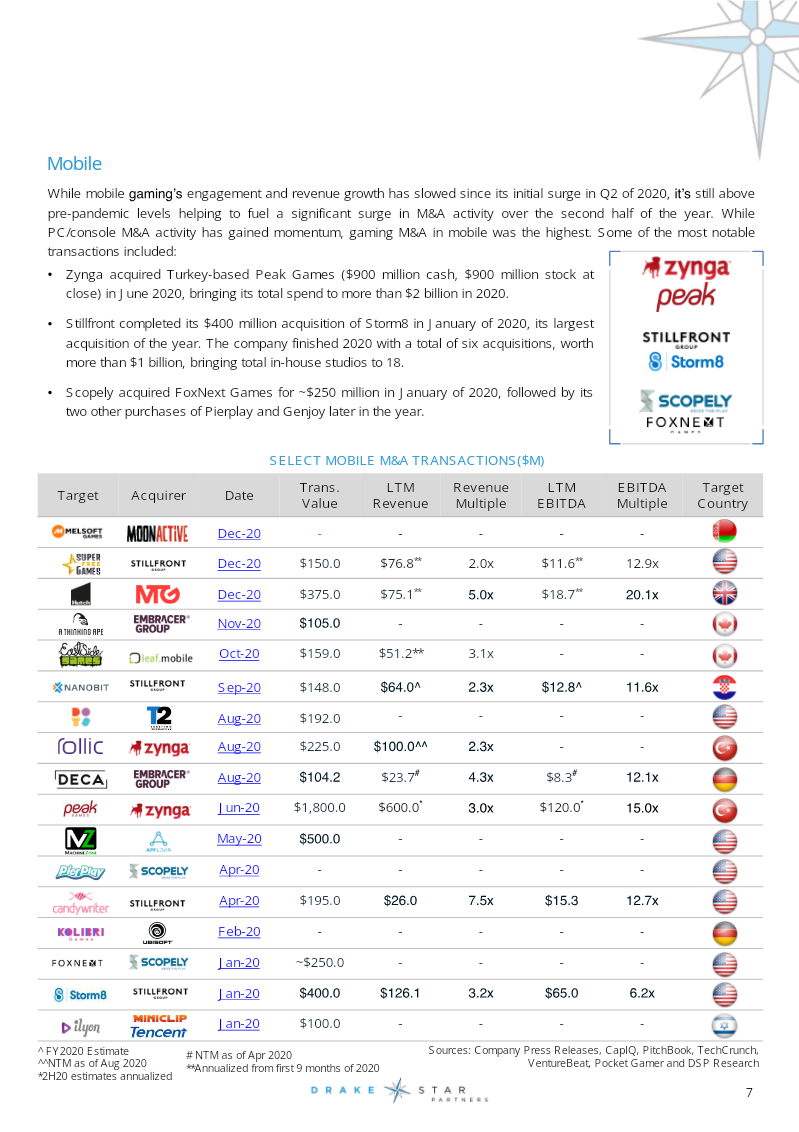
Global Gaming 2020: Sector Report
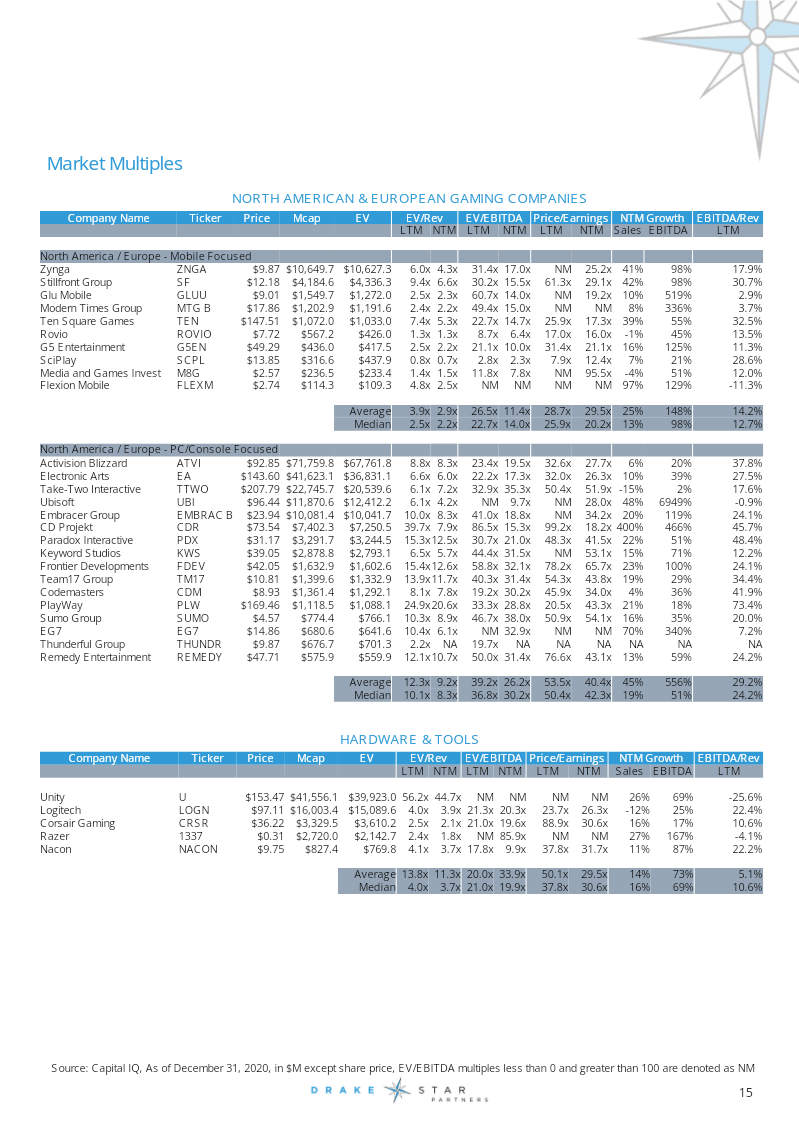
The global gaming industry experienced a transformative period in 2020, characterized by unprecedented growth in consumer engagement and financial performance.
- The global gaming industry outperformed the S&P 500 by a factor of four in 2020, driven by pandemic-induced surges in mobile, PC, and console engagement.
- Total deal volume in the gaming sector increased by 25 percent in 2020, highlighted by major transactions such as Microsoft’s acquisition of ZeniMax and significant funding rounds for Epic Games.
- The industry leveraged diverse financial vehicles for expansion, including a surge in initial public offerings and the strategic use of special purpose acquisition companies to access public markets.
Gaming Deals Activity 2021: Smashing Previous Records
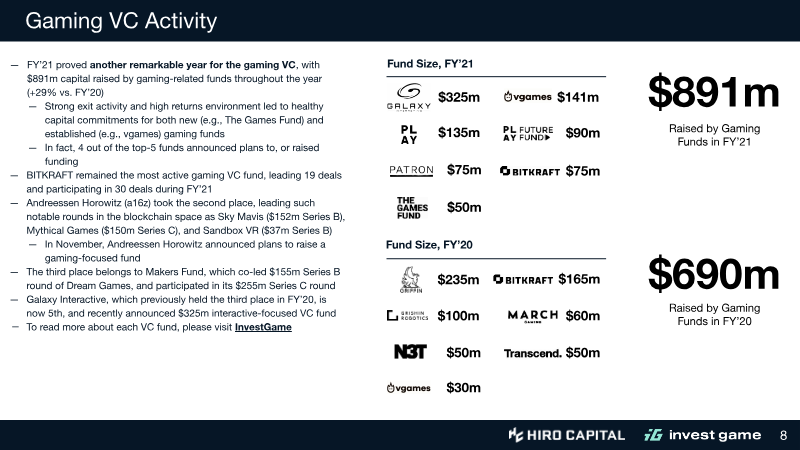
The global video game industry achieved unprecedented financial expansion in 2021, characterized by a surge in capital deployment that solidified the sector as a primary target for institutional and strategic investors.
- The global video game industry reached a record $80.4 billion in total deal value across 967 transactions in 2021, a 2.5-fold increase over the previous year.
- Mergers and acquisitions accounted for nearly half of the total transaction volume, reflecting a significant consolidation trend within the sector.
- Blockchain-integrated gaming experienced explosive growth, with deal value increasing 68-fold year-over-year.
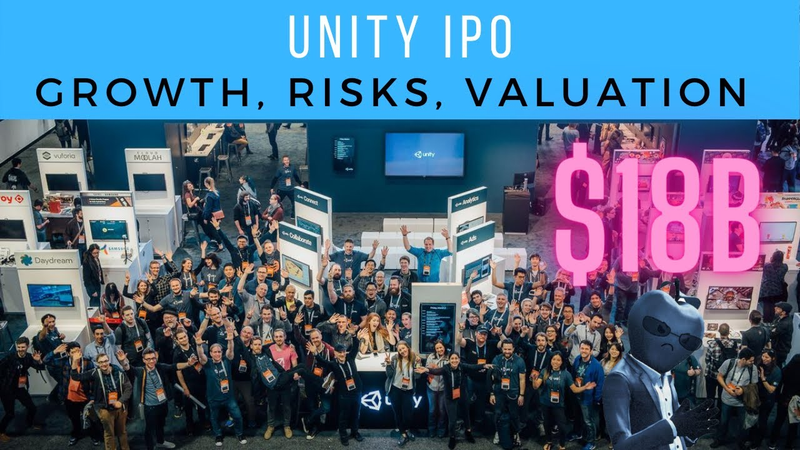
Unity Software IPO Analysis: Growth, Risks, & Stock Valuation
Unity occupies a central position in the gaming ecosystem, functioning as a dual-revenue engine that combines a foundational software development platform with a robust suite of monetization and analytics tools.
- Unity operates a dual-revenue model combining a software development platform with monetization tools, maintaining high gross margins of 80 percent despite current operating losses.
- The company faces significant concentration risk in its advertising segment due to its heavy reliance on mobile platform gatekeepers like Apple and Google and the deprecation of mobile identifiers.
- Unity’s valuation trades at a premium compared to established software peers, reflecting venture capital-style multiples that require near-perfect execution to justify.
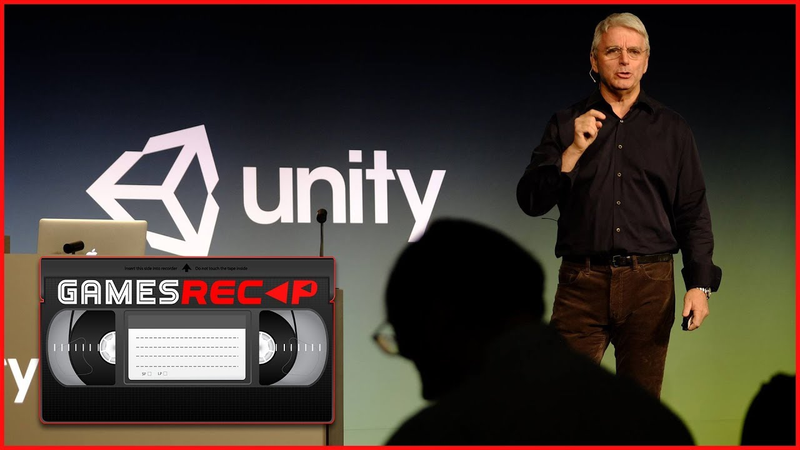
Unity IPO | Games ReCAP Episode 028
Unity has achieved a $6 billion valuation following a $525 million investment round, positioning the company for a potential public offering in early 2020.
- Unity has secured a $525 million investment round, resulting in a $6 billion valuation and setting the stage for a potential IPO in early 2020.
- The transition to a public company will likely force a shift toward aggressive monetization strategies, specifically targeting revenue growth through the Asset Store and adjustments to licensing fee structures.
- Unity must expand beyond its core mobile and indie gaming markets by positioning its engine as a foundational platform for real-time simulations in industries like aerospace and smart technology.
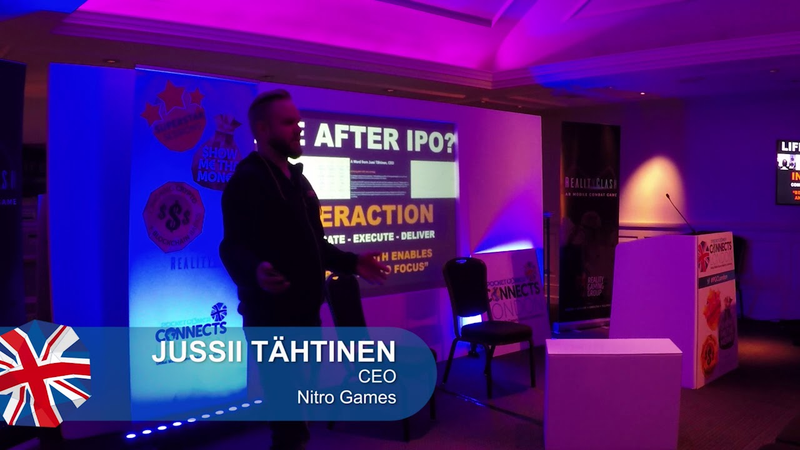
Life as a public indie developer
Nitro Games, a Finland-based mobile gaming studio with a decade of experience and a team of 40, views an initial public offering (IPO) not as an exit strategy, but as a strategic platform for growth.
- Nitro Games, a 40-person studio based in Finland, utilized an IPO on the Stockholm First North market as a growth platform rather than an exit strategy.
- Public listing streamlines business negotiations by providing partners with immediate access to financial and legal documentation, effectively bypassing lengthy due diligence processes.
- The transition to a public entity requires a rigorous operational loop of quarterly reporting and regulatory disclosures, necessitating a balance between administrative transparency and game development.
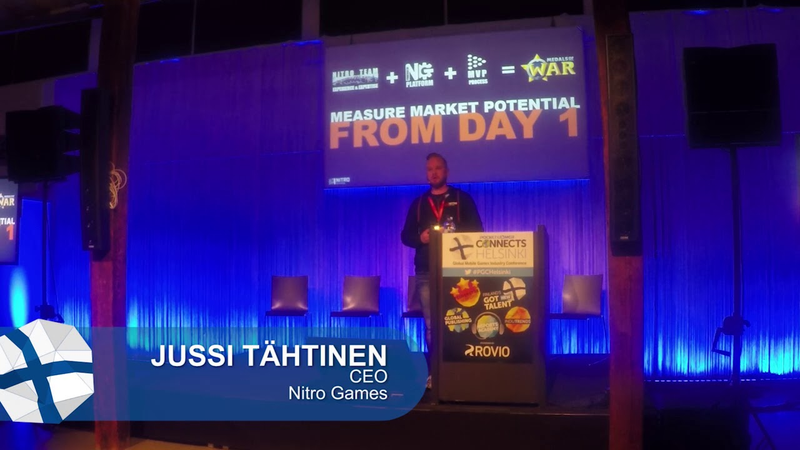
Turning a mobile game from Highway To Hell into Stairway To Heaven
The development of competitive mobile games requires a lean, iterative approach that prioritizes market validation from the first day of production.
- Prioritize market validation from day one by integrating user acquisition and discoverability strategies into the initial project inception rather than treating them as post-development tasks.
- Utilize rapid prototyping and continuous market testing to iterate on visual styles, UI, and core mechanics simultaneously, allowing for real-time performance measurement.
- Measure project viability through key performance metrics, specifically day-one and day-seven retention rates, to determine whether to pivot or refine concepts early.
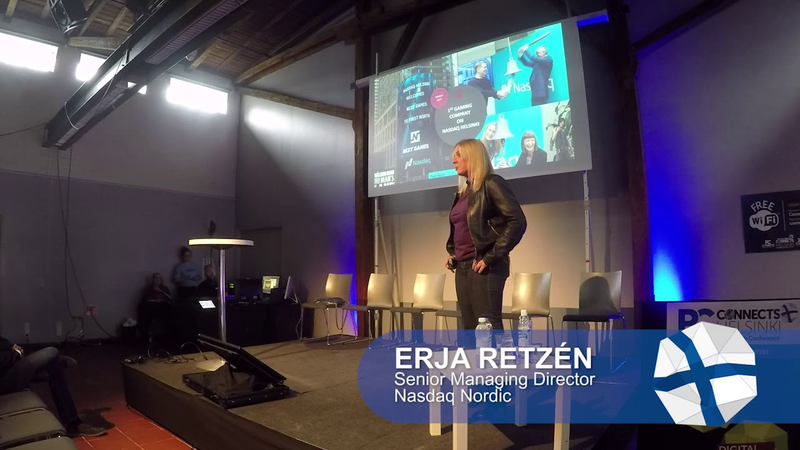
Nasdaq Nordic on access to capital and visibility for games companies
Nasdaq Nordic serves as a primary hub for gaming companies seeking capital, visibility, and international growth through public listings.
- Nasdaq Nordic has surpassed London as the leading European venue for IPOs, with companies raising nearly 8 billion euros through the exchange in the previous year.
- Gaming companies like Paradox Interactive, Remedy, and Nitro Games have successfully utilized the exchange to secure capital, with Remedy’s offering notably oversubscribed by a factor of 8.5.
- Public listing on Nasdaq Nordic provides gaming firms with a 'quality stamp' that enhances international negotiation leverage and facilitates future acquisitions.

Biz Daily: Why Chinese publishers are delisting from NASDAQ
A growing trend of Chinese gaming companies, including KongZhong, iDreamSky, Perfect World, and Shanda Games, are moving to delist from the NASDAQ to transition into privately held entities.
- Chinese gaming companies including KongZhong, iDreamSky, Perfect World, and Shanda Games are delisting from the NASDAQ to transition into privately held entities.
- The primary driver for these management buyouts (MBOs) is a perceived undervaluation of gaming stocks by Western investors, who have historically remained skeptical of the sector.
- Management teams are seeking to escape the burden of rigorous US quarterly reporting and transparency requirements to regain operational flexibility and avoid public market volatility.