1 free read left. Create a free account for unlimited reading + AI research.
Create free account
Unity Software IPO Analysis: Growth, Risks, & Stock Valuation
Key insights
6 takeaways- 01Unity operates a dual-revenue model combining a software development platform with monetization tools, maintaining high gross margins of 80 percent despite current operating losses.
- 02The company prioritizes aggressive top-line growth through sustained R&D investment, positioning itself as critical infrastructure within the gaming ecosystem.
- 03Unity lacks a proven track record outside of the interactive entertainment sector, creating uncertainty regarding its ability to successfully diversify its business model.
- 04Strategic growth depends on expanding into non-gaming verticals like healthcare and construction, where the company faces intense competition from entrenched incumbents such as Autodesk.
- 05The company faces significant concentration risk in its advertising segment due to its heavy reliance on mobile platform gatekeepers like Apple and Google and the deprecation of mobile identifiers.
- 06Unity’s valuation trades at a premium compared to established software peers, reflecting venture capital-style multiples that require near-perfect execution to justify.
Ask AI about this video
Transcript
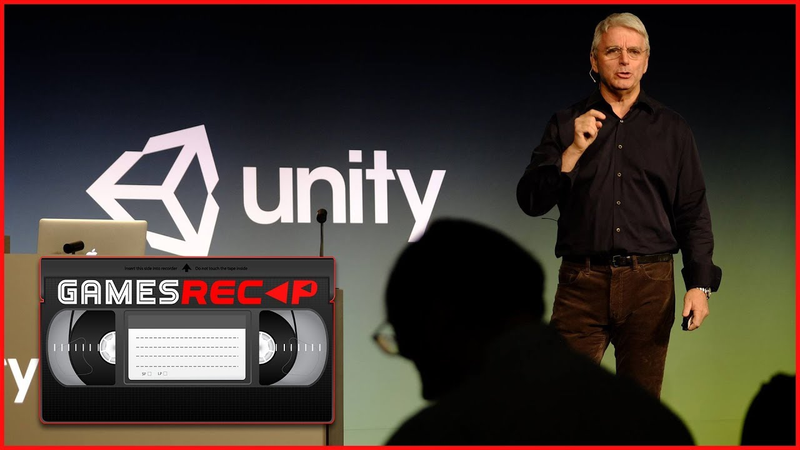
welcome everybody today we are going to be discussing unity's ipo i think we all know unity's business is a cross-platform game development engine but in particular we will discuss one current business and sources of revenue two growth prospects three key risks for competition and five valuation and with us to speak to all these issues and more our first uh matthew conteman from bloomberg intelligence second jason chapman from convoy ventures and third aaron bush from master of the meta and i know both matthew you i actually i think all three of you have written about unity so i'll put links in the show notes to all the things that you have written about them but just to give people a little bit more background uh more context into your backgrounds maybe we could start with just quick introductions starting with you matthew
sure i'm matthew cantorman i'm an equity research analyst bloomberg intelligence i'm based in hong kong so it's dark outside here where it's not for everyone else on the zoom i cover the gaming sector globally so so unity is is a nice hybrid between you know traditional enterprise software but it's still heavily leveraged to gaming uh so you know i've been doing equity research for almost seven years now jason yeah so uh i run an early stage venture fund alongside my two other gps that's dedicated to gaming um so we invest at the early stage so i think seed and series a on top of that i actually have built games on unity so i'm very excited to talk about this from the user perspective because it is the engine of choice for myself so aaron yeah so my day job actually i'm an investor at the motley fool i manage a couple of portfolios there also oversee part of our product suite but i i started master the meta maybe about a year ago which is really just like a newsletter blog about the the gaming industry so
dig into all the different facets of what's going on which is fun to do digging right in i thought we could start with the current business and sources of revenue and maybe we could start with that just how does unity make money and maybe starting with you matthew if you can give us your take in terms of the current business and their prospects sure so i mean for those that don't know unity's core business their core product is a game engine if you don't know what a game engine is i like to use an example if you think about you know you have a pc it runs windows and then on top of that you have the application so the good analogy is the game engines like the operating system like windows and the application is like microsoft word or the game so unity is basically making the operating system that helps drive all the physics and all the 3d image rendering that helps create the video games that we all love to play um so that's about 40 of their revenue and that and that but without that they don't have the rest of their business
and what's the rest of their 60 revenue well most of it comes from revenue they generate you know largely alongside the people that use their engine software a lot of it's through advertising revenue so they run an ad marketplace to help mobile game developers make money with ads they also help their mobile game developers um you know optimize their their purchases within their games they have analytics software there's lots of add-on things they sell to their customers but it all starts with the core engine and today unity itself is not profitable so i assume investors are believe that there's going to be continued growth or scale effects that take place could what do you guys talk about maybe the the current like growth prospects or the way that the business is currently trending yeah i can hit on that really quickly so i think what we see with unity right now is actually pretty typical for what you see with most enterprise related software companies that tend to go public most of them are losing money but the reason for that is because their unit economics are generally
pretty positive so they're reinvesting pretty pretty heavily both into r d in order to boost their capabilities and be usable for a larger audience and also to you know add more sales reps and build out their sales functionality so that they can capture that larger audience so it's actually probably a good thing that the business is unprofitable it means that one day probably hopefully they'll be able to generate even larger profits if they weren't doing that reinvesting and you know right now what we see just in terms of growth um and and margins it's it's pretty pretty decent i think um on the margin side they generate 80 gross margins um which is you know which is solid and is you know i don't want to say like absolute best in class from across like a software industry but it's it's good um and then yeah they're they're a pretty swiftly growing business when it comes to the top line i think um maybe on like a typical year obviously
the covet bump has has influenced this a decent amount but it's probably like a a 30 plus ish growing revenue business what we see with covid though is that the business is growing a little bit faster which which in my opinion probably actually has less to do with like what the company is doing to upsell and crossover more to do with like how like just how more people are playing games and therefore more more ads are being shown through unity's platforms and more people so they're benefiting from that but but from a a high level this is a good business that is losing money that's setting the foundation for what hopefully is going to be something even bigger and more profitable in the future right and then in terms of like the specific areas that you guys see would improve is it cost of sales or is it r d or is there anything specifically that you think will improve on the margin side they're going to continue to invest pretty heavily in r d um their r d intensity will just fall because of you know economies of scale that's just what happens with these early stage companies but
you know but but so really the leverage comes from the optics right i mean gross margin plus or minus 80 like uh like aaron just said you know that's roughly where it probably will stay the leverage really just comes from scaling revenue and scaling gross profit on top of you know their r d will grow but their other fixed costs will largely grow a lot slower than revenue and over time you know in their ipo prospectuses you know in the roadshow they're targeting a 20 long-term operating margin that's well within reach within a longer term maybe seven to ten years but that's well within reach longer term from a top line perspective you know i kind of think this is a business that can do roughly 750 million dollars of revenue in 2020 and they can probably double that by 2023 so you know you're looking at very strong top line growth the margins will come over time no i was just going to ask i mean from that revenue growth right a lot is you know in s1 they talk a lot about how they need to expand into other verticals right and that's really what we're hinging on if we believe that unity owns
about 50 of the games you know engine market you know we have to buy into the fact and i always like to kind of do this for myself even at early stage and also late stage what is this company asking me to believe and they're asking us to believe that they can dominate a lot of other sectors that is still very much unproven to me um you know i'm a big believer in unity in the game space but 92 percent of their clients that are kind of what i call their whale clients you know 100k plus in revenue a year are in games so they only have eight percent and so really what we're seeing with that that r d budget i think is fascinating i think the master of meta guys did a good job highlighting this in their report is you know a lot of that is going towards those other verticals right and that's what we're betting on i still haven't seen it yet and so i don't know how long they've been spending on rd in the in those in those verticals i don't know if you guys you know for me that's the big question mark on this ipo is can these guys do it they haven't really proven it yet um i hope they do but i think it's it's pretty you know it's crucial because i don't think they're going to get above a much higher than 50 percent of the game's
engine market within video games right like that's that's i'm pretty much you know a duopoly at the very least right so i don't know i just open that up to you guys to to comment on to your point we can shift to growth prospects but yeah that's one of the things that was curious for me because my understanding was that there was like almost like a complete rewrite i'm not sure if you guys are familiar with like the the dots ecs based architecture and so it does seem to your point jason that maybe they are investing to go after those additional verticals so if you guys could let me know more about where your thoughts are with respect to whether it's specific verticals or growth on the advertising side or where are we going to see that additional kind of growth for unity yeah well i guess first of all i'll jump i'll answer that question in a sec but the first yellow flag that i sort of picked up on when looking at this business is that yeah they have what they call the you know 50 market share of the game engine business but their sales are really only 500 550 million dollars which typically when you see a company that has that large of market share
you would expect that the like they would they would be able to capture more value from that market so they haven't been able to do that super well which which is part of why their market share has been so high because they're pretty generous to creators in my opinion so so i think i mean one there still is opportunity on the gaming side like i don't think we should overlook that there's there's a ton of value being created that they probably can help serve in other ways but yeah when it comes to the the non-gaming side the vast majority of their product suite has is still dedicated to gaming so it will take really heavy reinvestment into r d and like like expanding the sales team for many years in order for them to to capture that upside and when i when i look across you know the other verticals that they hit i can't personally i can't really pinpoint and say yes that like that is the next vertical it seems pretty scatter shot at this point like yeah we can serve like the film and animation
industry yeah we can serve automotive yeah we can serve manufacturing but i haven't like really seen like that one specific area that is similar to gaming that they can go all in on so that scattershot effort kind of that shotgun approach kind of means that they will also have a shotgun approach to r d and sales and like that could drag on for a little bit also lastly part of what's really great about their gaming business model is that advertising piece which most of what they sell is a pr is like flat fee like like the companies will pay a flat fee for the creator tools or a flat fee for servers or certain live ops functionality but the advertising functionality they make revenue share so as all of the companies succeed on the unity platform they're able to grow with them and as i think about the other industries yes they can sell like flat fee based products that like serve certain tech solutions but can they unlock like anything close to the revenue share
upside that unity gets in gaming and i personally don't see i don't see that yet maybe the thing is something like if you look at unreal they have like the royalty rate so their business model is more like prone to getting that upside in a way that unity's business model isn't so not only do they have to reinvest in a lot of ways across their technology and sales but they gotta if they really want to beat what it's going to be really high expectations from investors on the stock i think they probably need to to unlock something else on the business model side too for sure and i mean it's also important to point out that as they expand beyond gaming right within gaming they have to operate it's them and then real and then it's all the first party engines and throw crytek in there a few others right smaller ones but you know when you go beyond gaming you're running into ansys who's twice as big from a revenue perspective autodesk who's five times as big adobe even in some cases the sso systems right so you've got much larger entrenched competitors and when you're talking about vertical
software because that's what this is at that point you need vertical expertise to be to be very good i mean you look at any leading vertical software company they have very strong vertical expertise if you look at ssnc in financial software or ansys and and autodesk the ones i just mentioned you know they have very strong vertical expertise and unity doesn't have that yet and so can they develop that vertical expertise and differentiate themselves from those entrenched competitors it's it's to be seen i you know jury is still out because the business is basically negligible at this point revenue perspective it's you know 95 plus revenue right now is still from gaming the best thing that that unity could have done if it really wanted to serve a larger market in other verticals would have been to get acquired by someone like autodesk or someone that like has those other capabilities that like can be paired really well with that unity does obviously they go in public that's not happening they're going to trade at like a pretty lofty premium so so those streams are probably mostly dead unless you know like a tech titan comes in they
just really want something but i guess the flip side of that is like it's not necessarily game over like the the flip side of having like a really you know lofty share price and premium is that then you can use your shares as currency they've already made a lot of acquisitions to tap into like new capabilities new services within gaming outside of gaming i would expect that to become a bigger part of what they do especially when they have the shares to afford more of those types of transactions but that's that's a big tbd but something i'm i'm pretty intrigued by and optimistic about do you guys think that they kind of led us into kind of you know aaron you were talking about they haven't picked the next industry they're gonna try to own i mean on the leadership team uh i think that the only the best indicator we have is autodesk right like so i think we're talking about that they brought on two people that did come from autodesk before that to me is the best indication that they're going after construction and so if i was autodesk i'd be very concerned personally i think that they're trying to eat their lunch and then on top of
that just kind of going back to the the business model i absolutely agree i think we're gonna see potentially and there's a bold bold prediction so you know whatever i think we're gonna see in the games market them move towards a royalty model with their developers and then outside of games they will continue going a per seat fee which is more standard right because they have to get the upside especially with the changes in the idfa which you know we're going to talk about later which is kind of their exposure to upside in games and so anyways those are my my thoughts of kind of where unity has to go if they're gonna try to dramatically expand their tam which they just they have to joe how crazy is that do you think for them to change to a royalty based model like from like you're the one here who actually makes games like how how how crazy is a of a bet is that i mean i i think the the tricky part with that is that you have you you mentioned the percy uh monthly licensing fee that unity has relative to the royalty model that unreal and epic have but also
epics kind of crazy right and so like the royalty only kicks in after you make a ton of revenue so you're basically saying for a certain category of your user base you're just going to zero out your evidence yeah so it's it's both like it's so it's i would say it's a high risk model right it's it's basically right now because they're pricing so low on a per seat licensing model to your point aaron you can actually monetize that that lower end user base so i would say the only risk json if they switch is sure if if one of those small some of those small developers are going to become the next fortnight and the next this and that and they're going to make a ton of revenue but then that's going to be offset by a lot of people that get zeroed out if they want to you know compete absolutely and i think they would only do this once they've identified that next industry that they've got a foothold in whether that's construction going after autodesk if they've like established the land grab there you know then i think they would say okay we're going to meet you head-on
epic we're going to get these super favorable pricing for our developers as well which they haven't done today because they honestly they can't in my opinion i just don't think they can do that and they don't have fortnite sitting there in their back corner producing just insane monthly revenue for them right that's kind of where i i think it's going to be interesting to watch and i'm going to be curious to flip back to yours this this uh this podcast and be like was i just a total idiot or was i right um so we'll see we'll see well but to your point let's talk about more risk then so one you know there's this risk in terms of the the business model but in terms of other risks what do you guys see as some of the big big issues uh you mentioned idfa maybe we can talk about idfa and what the potential impact of idfa deprecation might be on their business yeah i guess i'll say at a high level i mean i'm probably not the best person to speak to like the nitty-gritty details of the idfa but at a high level advertising is a double-edged sword for the business potentially you can't say it's a bad thing because
this business would be a lot smaller if they didn't have you know their ad network essentially that they've been building out and again like a big reason why they've been able to accelerate their dollar based net expansion rate uh to 142 which just means that like they're making 42 more dollars off of the same customers that they had a year ago the primary reason for that is advertising so when advertising works it can work really well and provide a lot of upside but yeah the idfa and i'll let someone else chime in on specifically how the idfa could affect this if anyone has thoughts but i think the bigger point is that you know if it's not the idfa that affects unity it could be something else and what the idfa really signals to me about unity is just how fragile they are when you don't really own or have control over the platforms that you rely on and so when you have platform concentration risk through google but especially apple you're sort of just asking for trouble
and maybe like you'll you'll find solutions and like like you know wiggle your way out of tough spots and adapt and i think you know they have done that and i expect that they will continue to but it could put bumps in the road for sure and it could it could maybe lead to even bigger problems down the line i'm i'm not ready to to say that their ad business is doomed by any means i don't i don't think that's true but but yeah when when you're stuck relying on apple for a big chunk of your business like much of the gaming industry is um it does put you in in a difficult spot there there is a caveat to that though right it's not they're not like facebook you know just throwing ads inside of your news feed or in your instagram stories it's it's a lot more targeted than that already right you know they know who play their games they know a lot about you because of how much you know if you take words with friends which is a very popular game that has a lot of advertising in it right they know how much you play they know who you play with without apple or google right and and on top of
that all the ads inside the game are kind of the user accepts to see the ad it's not those ads aren't being inserted into something whether they want it or not right you want an extra life to finish the daily challenge in words with friends you watch an ad or you know you know so so it you know or you want to do the weekly challenge faster you watch an ad to accelerate the reset clock so you're choosing to see that ad from that perspective i think the type of business that this is supporting in-game advertising um is going to be a lot more resilient you know with changes to idfa versus a traditional social network like facebook twitter etc you know who who are more reliant on banner in placement and sort of inside of some sort of you know social network joe i want to hear your thoughts on this because uh i feel like you know of the group here you might be the most i don't want to discredit aaron or matthew here but i think you might be the most qualified to comment on that yeah and i mean i think that the thing about idfa is is nobody really knows what's going to happen
right so while i would say most of the experts in terms of the space and that know what the best believe that cpms will drop in advertising revenue will drop we don't 100 no i i think when i think about unity though the thing about the advertising side of the business so i mean i do fully expect their advertising revenue to at least level off or potentially decline but one of the things that you mentioned matthew at the beginning was how unity is actually leveraging their developer base to get that advertising revenue and so one thing that i think about is like is this modeled into the growth of the advertising so in other words when we think about the business as they go into construction or healthcare those you know those developers aren't going to have we're not going to leverage those types of the user base into an advertising network so to that extent as well i think that there might not be as much growth on the advertising
side so i do worry a little bit in terms of the overall growth there i think you're absolutely right yeah i think you're absolutely we're not going to see advertising growth in a lot of these other verticals are targeting like you know of the other target industries i think you know animation maybe i don't see it it's not like games where you know ad ad spend does dominate the industry right and i think an interesting thing also on this is what only half of their whale clients both use the create and also the operate and i believe that kind of extends their ads those who deploy ads as well so only half of them are doing this which is interesting to me too so maybe there's growth there for them that's a kind of a bright spot of a an opportunity zone for them to kind of go the harpoon model of expanding and upselling your clients which is kind of one of the big problems as we keep highlighting here with their model they're perceived charging but yeah there's also opportunity for them they actually sell all their operate suite they also sell it if you're not a unity customer so if we take apex legends which
everyone's a gamer knows it's on unreal engine but they it was in their s1 you know they use the multiplayer the you know the multiplayer matchmaking software that unity sells so you know they're not just completely confined to their own unity game engine so from that perspective you know they they can get a bit broader in terms of the other industries i you know i think of a large portion and i'm just checking the number but they're gonna have a well over two billion dollars of cash after the ipo now with the money they're raising you know they've been a very acquisitive company if you look you know just in the last couple years they've done a dozen deals or so and i honestly think that you know they're gonna have to go out and acquire lots of little startups to to build and operate business for these other verticals like they've done in gaming i mean they didn't do all that organically a lot of it was through acquisitions and you know i think that's going to be part of the strategy you know once you get through the ipo here you know with the i with the equity currency and the cash i you know i do think they're going to continue to be acquisitive and build out more value-add services you know for those other industries that'll help them
um with the vertical specific nature of those businesses in terms of like that categorization build and operate there there's a little bit of a conspiracy theory among some people that says that they're that that the way that they've broken it out because there's so many other businesses like you know the analytics the multiplayer all that other stuff if they're trying to obfuscate that revenue you guys what do you guys think about that conspiracy theory out there i don't personally buy it that much um i mean they're definitely choosing to be opaque in some way but you also have to realize like it wasn't until like this past year that alphabet split apart like google and youtube revenue uber like it's still really muddled like what is like ride sharing versus their like uber eats revenue so this is this is pretty standard i think everyone wishes that they would break it out a bit more but but i mean i think we were still able to sort of like like like connect the dots a little bit just from looking at the s1 and i would expect that especially as like earnings
reports roll around and management starts talking more about the business like we'll still have a pretty good sense of what's going on even if we don't know the specific numbers but yeah so i don't really buy into the conspiracy theory uh but but it's it's definitely something that i mean they chose to do but i don't think it's a huge deal i got it yeah and maybe not talking about competition now i think it's really interesting because you know a lot most people talk about epic when it comes to competition yet the majority of their revenue is advertising it's also very interesting in the sense that they're so different from their competition when we look at epic you know they're not only going after they're not only they not only have an engine business but they've got their they do self-publishing they've got their own games they have their own app store both on for pc and they tried to build one for mobile and they're doing all this other stuff and so when you guys think about competition what's the kind of how do you kind of frame that in your minds as far as
you know who they're competing against and who should be the most relevant competitor for them in the future i would say on the game side i i think you know obviously we talked about it on this you know the duopoly that exists like you know typically it's unity or unreal those are kind of usually the choices or it's a first party engine if you're at a triple a but looking at you know i've talked to a lot of developers recently with all this drama with apple and google and you know with epic and a couple of them have told me that they've pivoted their plans to use unity based off of the fact that they're like hey we don't know what is to come of this we don't know it's kind of un we don't know we don't know what's going to happen with apple we don't really want to be caught in the middle of a fight that has nothing to do with us we just want our content to have the best shot and so i think in the in the near term i'm in gaming i think unity has a lot of benefits to it specifically on the mobile side but secondly they also have the benefit of the fact that they haven't pissed off the two some two of the largest tech giants in the world
right and so i think that that is something that you can't really totally overlook how that plays out like is it 10 of the developers that we're going to use unreal that shift over to unity is it 50 is it 5 i don't know what it is but it is a percentage so that is one thing i would highlight on the competition side when it comes to kind of targeting those new industries i mean autodesk i think that is definitely their number one competitor that i see personally outside of gaming and i think they've kind of put a mark on autodesk uh personally so that's those are the two that i would i would highlight i think i might be wrong i think they might actually have a partnership with autodesk i don't know how extensive it is maybe that that would change what you think a little bit or maybe they're just biting their time in the shadows before so so it's interesting you bring that up so i tried to find more out about this autodesk partnership as well for the call and i admit i couldn't find it that much and so i couldn't be wrong but generally speaking it wouldn't be the first time that a company partnered with somebody and then eventually sort of ate their
lunch and so that would be my thought they could have a totally different vision for how that works whether it's a merger an acquisition or just a really healthy partnership for the long haul but my guess is that that's not what will happen that's fair i mean i still i mean like we have to look at epic and unreal still as like a number one competitor here and and the reality is that there can be multiple winners and i think you know how you even compare these two businesses is just gonna change over time like they're on two different trajectories they have two different missions unity like obviously is game engine first but building up an ad network kind of wants to extend the capabilities that they have into other industries and epic you know is pursuing probably like one of the loftiest like missions and visions in the world was just like their whole metaverse ambition and like how multi-pronged their ecosystem is so how we talk about these two businesses is going to be very very different over time but still you know for just for like from a land
and expand strategy on the land standpoint you know like epic and unreal is still like the number one competitor and beyond that obviously like there are a lot of players who work in ad tech they're they're just a lot um my my hypothesis and this is maybe more my my bold bet is that i actually think maybe apple will turn more into a competitor over time which which is interesting you you sort of kind of see like their tendency is to just sort of encroach on all of like like certain companies have certain capabilities like across their platform um and their app store and like even specific apps and we sort of see like writing on the wall a little bit like even with the idfa like how they're making it harder for other companies to get to get the like you would level information that they want while at the same time retaining a lot of that information for themselves kind of pairing that with some of their ambitions that they laid out earlier in the year that wasn't very noisy but like how they're building their own ad network which you know i think most
people assume that a lot of that is more like search like on their platform but i could totally see how over time that ad network that they're building extends beyond just search on their app store and starts plugging more into like games and apps that people are developing and given how apple approaches like how they just want firm control of everything and how they approach their rules on on their app store i could totally see over time them trying to wiggle their way into more of the ad network market or at least making it harder for people who want to compete with apple in any way at all so so that's my my my bold bet did uh talk about conspiracy theories i don't know if this counts but i don't know if you guys saw there was a lot of speculation about apple potentially buying unity ahead of the ipo and everyone was talking about this and obviously i think there's a thousand and a half antitrust issues which would probably prevent that from happening but i i was wanting to see you know just
personally for interesting drama's sake uh you know apple buys unity if you use unity we're gonna charge you 20 versus 30 um in the app store give you a massive ua spend advantage but i don't know if you guys read into that just throwing it out there any chance this happens in the future or is that ship sale i think to your point it's a it's a anti-trust headache just because the market share and then you know you're hurting so many indie developers because you're basically going to take away android right because apple's going to make it exclusive to ios and android is the master user base and for the advertising sensitive you know indie mobile game developers that that's a huge loss of revenue for them so it probably doesn't even make sense for for the you know for the customers from that perspective and they would probably end up switching anyways so that's that's that's i mean it makes it makes sense from a strategic it's a lot no i mean there's there is good sound strategic rationale to it but then there's a lot of caveats that make you kind of second guess and say maybe not
i think it's the anti-trust that's just there's no chance it would go through personally i think i think that's fun it's a fun conspiracy um yeah i i agree i think that's not going to be very doable like with the current state of the app store and the rules around it but you know if epic or whoever is successful and sort of changing the rules a little bit or changing like even how app stores get structured a little bit i could see opportunities opening up but that's a it's a big f right big if they have been successful in epic game store though with offering lower commissions to get exclusives and and and you know and because it helps the indies because you know they get to keep a larger share of net revenue so they make profit faster and it helps the big developers because they don't need the marketing support division two is marketing itself so ubisoft's gonna say sure we'll put your game on epic games instead of steam because we make more money there i mean that makes sense um and actually it was funny because i mentioned that when ubisoft went from steam to to epic game store they actually saw their sales on you play rise like triple so it actually just drove people back to buying games directly from them
and not even from a third party so it's it's it's something to watch out for but i the 30 commission rate probably doesn't change when this is all said and done what's to be seen and this probably gets driven more from the antitrust case in europe than anywhere else and i'm completely quoting or any trust analysts on this so this is not i'm not the lawyer here but you know you know what they think is that the behavioral remedies might force apple to budge on distribution of apps outside the app store so so they can still charge 30 for sales within the app store but they have to be able to give a means for people to distribute apps beyond the app store like google like android does and in that case then epic can distribute an epic game store mobile to ios and android and then they can you know have their own competitive platform on those platforms that would also enable all the cloud gaming systems right now that are tied up in legal fights with apple as well to proliferate because they can do the same thing wow yeah that's a great point so when i hear you guys talk it sounds a little
bearish right like what you guys are saying is going into other verticals may be challenged advertising may be challenged and just for the audience they're going to start trading today and it seems like the valuation on the flip side is going through the roof and in fact matthew before the call i think you were mentioning some of the potential pricing which might actually make unity more valuable than epic so i was hoping we could talk about valuation i think that uh and matthew maybe you can give us a quick update in terms of where they are where where they're going to price when they start we're funny today now on their their valuation yeah so now it's indicated 25 above the ipo price so we're looking at 65 to 67 and it's 10 42 a.m new york time so we'll see by the time trading day is closed but you know that's going to put it at a premium to adobe at this point you know we're talking close to 20 time sales at this point i i'm not i'm having to run the numbers precisely you know based on the price here but you know it's a big number premium to
adobe adobe is like the best in class you know example of sas software basically out there for creative software so that's a tough ask you know we've seen ipos bit up in general so it's it's not surprising from that perspective but you know i think a good healthy dose of bearishness is is necessary when you've got things that are basically priced to perfection because that's what's you know effectively being reflected in the valuation when you're trading at a significant premium to the best-in-class company and you know a massive premium to you know the other companies in the sector like autodesk who's one of your biggest competitors so you know i think a healthy dose of bearishness and realism is never a bad thing when you know when you're talking about those circumstances in a vacuum i i would say i'm bullish about unity right like this is going to be a bigger business it's going to become a better business but yeah once you start stacking on like the expectation layer that the market will put on this business it's harder to be bullish especially kind of once you dig through and think about hey like how are they
going to grow in other industries like hey they have like these business model limitations etc so yeah i i'm i'm not buying this ipo i'm probably not going to buy after the ipo the difference like like matthew mentioned adobe like the huge difference between these two companies is that adobe makes a ton of money and unity is still still earning money and adobe is still growing like they're in different stages as a business to me like this valuation it says less about unity actually and it actually just says more about like a sign of the times like how how like what markets like investors are interested in like people can't get enough of enterprise software but yeah as i as i look out i it's going to be really hard for unity to top the expectations that are going to come once they actually go public and you know once people listen to this they'll actually see but i bet we see a decent decent pop so i would also caveat that by just saying i'm saying it's like 20 times or
whatever this year sales but a lot of people that are buying enterprise software companies today aren't saying 20 times this year's sales they're looking at this business 10 years from now and they're taking more of a venture capital like jason knows a lot about or you know even like a private equity view five to ten years from now what's this business worth you know what's my entry versus exit multiple and when you think about it from that perspective you can still make a good roi on it that's a lot of the math that's being done also but that's all sensitive to your entry and exit multiple at the end of the day and you're buying it at peak valuations in the market and so that's that's always a risk as well yeah i think generally speaking what i am bullish on unity is their approach which is client driven development versus their own internal content driven development which is you know unreal's approach right like generally speaking that engine was tailored towards building fortnite right like that's where a lot of their development efforts went unity doesn't have that problem which i do like you know it's unbiased it's kind of best in class when it comes to anyone who's been a developer
or in product knows that you know you shouldn't go into a hole and build what's good for you you should go build what your clients want you to do and so for that reason i am bullish in the long haul you know i personally was trying to buy it at the original ipo price just to be supportive of the industry to see this thing launch um but i i kind of agree with the consensus here that i think we're getting into a realm of insanity and you know we should wait and see and they have a lot of hurdles right i mean we've identified them on this call you know the ad hurdle the the competitors that are in the other industries that they're trying to tackle into to get that growth it's going to be tough i think for the next couple years but long haul i do believe in unity i do believe in the team behind unity and they're going to do really well and i think they've been a fantastic group for the industry and they've done a lot of good for developers and so generally speaking i think that's short term a little bearish long term very optimistic what about on a relative basis matthew i'm not sure if you can comment on this but what what company should be
more valuable unity or epic well i mean i mean that that's a loaded question and largely because you you basically you're looking at some of the parts analysis on both of them right and if you're looking at just the engine business you're probably i mean we don't really know how big unreal engine is from a revenue perspective unless you're in the round and you had the financials but plus or minus they're probably roughly the same size maybe unreal makes some more money because they get the scale revenue but unity has far more users and they get subscription revenue so and they're probably in the same ballpark of revenue plus or minus right but then obviously epic has fortnight and so that's gonna be valued like a video game because it's a video game so whatever five to seven times revenue which is where the peers are you know 25 times earnings however you want to slice and dice it and that's gonna be like a video game business right because and then you know so you know they're not they're not they're not apples to apples when it comes down to it at the end of the day because the bulk of their revenue is not their core business if you will
yeah yeah i think the more interesting question is like what will be worth more and and i kind of like alluding to what i was saying earlier just about like how the companies and their missions and visions are diverging like i would say epic like epic is on the track to become a much larger business than unity is if they're able to succeed on on their mission and obviously like they have their own risk too so i think it's probably fair to like price them similarly-ish just based on how you know market multiples and like how people are perceiving things right now but when we when we're really looking out over the next decade plus and kind of playing out what these companies can become i think it's i don't want to say it's night and day because unity can still become a much bigger business but epic if they're successful is doing something else entirely yeah which could you say that there's more risk with the revenue that epic has given that it's tied to one title right and so the popularity of title can
can evaporate you know quickly seeing that happen time and time again in games right you know i don't believe that we've everyone's talked about what's the fortnite killer what's the cs go killer what is it going to be like i think fortnite has proven they're here to stay but that is more risky in the sense to me because you know if you look at unity their revenue is diversified across their client base right if you think about you know from unreal's perspective they've got one really big client if you want to view it that way right and if that client doesn't do well then the whole business would suffer and i'm speaking of unreal as though it was the core business looking at epic's revenue as a whole so that's what's one thing i would flag um and so i think i agree they should be valued pretty similarly today long term aaron you're absolutely right like epics on a trajectory to be worth you know four to five times i think what unity is going to be worth but unity's a safer horse in my opinion um just just given the risks but and it seems like to your point matthew before about you know how unity is being valued to some degree
it's not really about necessarily their existing business and kind of doing a discounted cash flow model against the current business but it's more about the optionality right like what do these what do these companies actually build in the future it's kind of like how tesla's got this new thing this new thing this new thing and they build incredible value so i guess that might be the the tricky part in terms of how we value these kinds of companies but yeah i mean in terms of other questions that's basically it i think it's going to be really interesting to see where unity gets to as we see how their their price and how they trade uh later on and and to to your point aaron like over the longer term uh where uni gets to with respect to epic but with that uh those are all my questions do you guys have any final messages words of wisdom or caution for the audience and maybe starting with you matthew this is a fantastic business and i you know i think we've all laid out risks and some cautiousness and i
don't want to underscore that this is not a fantastic business because it is and i mean you know but at the end of the day investing is all about pricing risk and when you're talking about inflated multiples and you're talking about severely elevated investor expectations you know how do you price that and i think that's where a good healthy degree of caution comes in maybe i spent too much time with the credit guys you know in my group but we don't want to get lost in some of the cautiousness that we've said because this is a fantastic business jason yeah i would say uh i agree it's a fantastic business just i i am always wary when i see people start to apply venture capital multiples in the public markets and that is a co occur you know it's it's uh for concern it causes me to think about you know hey where where where are we basing this off of what's the risk and i think a lot of times there's a lot of momentum trading and i think that's going to happen here and so generally speaking i think i believe in a long term here but we're pushing this beyond where it should be
today and i guess that's not uncommon with ipos as everyone just races to get public quicker and quicker something we didn't talk about on this podcast but it's facts that's something we should talk about and how that's playing playing out in video games with skills but generally speaking uh just be careful when you see public companies trading at venture capital multiples that's just generally speaking my word of wisdom all right take a aaron yeah i mean i think it's important for people to remember in general that most ipos underperform in their first year which sort of makes sense like when they go public the company goes on a road show to hype up the business so on average companies underperform and then when you pair that with the multiples of the marketer at today i don't have some grand estimate of what multiples will be in the market a year from now but it is important to recognize that it is much higher than it usually is and things can change so if you're interested in riding this horse so to speak probably just take your time and do some due diligence yourself before you just jump onto the wave but
in general you know as someone who pays close attention to the stock market every day i'm really excited to see more types of gaming related businesses go public seeing you know more developers and more publishers go public is great but seeing more platforms and tech providers you know other companies with large addressable markets with potentially high margin recurring revenues like like that's really exciting to me it's like a new way the new corner of the gaming industry is starting to become unlocked for more people and i'm a big fan of that and i feel like we're sort of at a new stage of that unfolding all right great and so with that i want to thank you guys so much for your time this is going to be super exciting to see how the story unfolds but uh thanks again and that's that's it for for talking about unity thanks guys everybody hope you enjoyed the video if you did please give the video a like for more videos about game development the free to play games industry and the business side of games feel free to subscribe click on
the bell notification so you don't miss a new video and otherwise hope you have a good day check out the next video bye
Summary
Unity occupies a central position in the gaming ecosystem, functioning as a dual-revenue engine that combines a foundational software development platform with a robust suite of monetization and analytics tools. While the company currently operates at a loss, it maintains impressive 80 percent gross margins and prioritizes aggressive top-line growth through sustained investment in research and development. This business model has successfully captured a significant share of the gaming market, positioning the company as a critical infrastructure provider within an increasingly mature and investable industry.
Strategic expansion into non-gaming verticals, such as healthcare and construction, represents the next phase of growth, though this transition faces substantial hurdles. Competition from entrenched incumbents like Autodesk remains fierce, and the company lacks a proven track record outside of interactive entertainment. Furthermore, the advertising segment, which serves as a primary growth engine, faces volatility due to the deprecation of mobile identifiers and heavy reliance on major platform gatekeepers like Apple and Google. These dependencies create significant concentration risks that could impact long-term stability.
Market valuation remains a point of contention, as the company currently trades at a premium compared to established software peers. While the business model is viewed as high-quality, current pricing reflects venture capital-style multiples that demand near-perfect execution to justify. Investors must weigh the potential for long-term scalability against the risks of high-multiple IPOs and the challenges of diversifying beyond the core gaming market. Ultimately, while the company represents a significant shift in how public markets value gaming infrastructure, success depends on the effective deployment of capital and the ability to navigate a complex, competitive landscape.