Investment reports and market data
Documents

Panel: CFO Confidential: Best Practice Tips & Tricks
Financial literacy and strategic fiscal management serve as the foundational pillars for long-term viability in the volatile mobile gaming industry.
- Studios must prioritize granular, game-level profit and loss tracking and rigorous cash flow forecasting to navigate rising user acquisition costs and the impact of IDFA deprecation.
- Early-stage companies should utilize fractional or contract financial support to establish fiscal discipline if a full-time executive is not yet feasible.
- Financial leadership must integrate deeply with product development to translate complex data into strategic narratives for internal teams, boards, and investors.
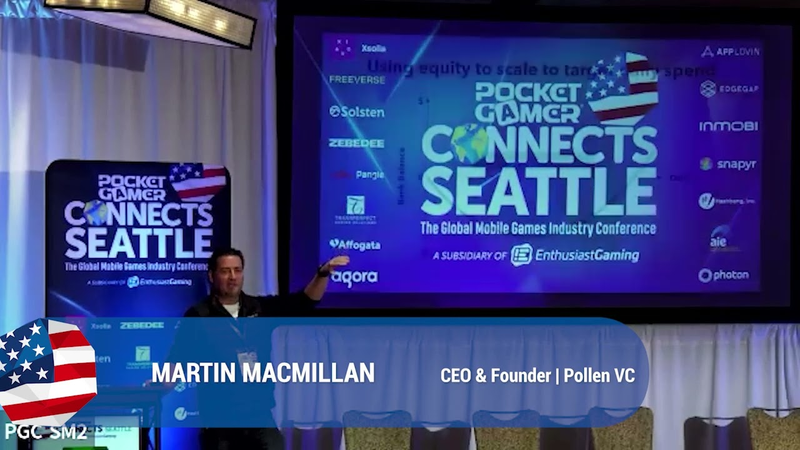
Keynote: Financing LTV Cycles
The financing of mobile game user acquisition (UA) requires a sophisticated understanding of the lifetime value (LTV) cycle, moving beyond simple equity-based funding toward a strategic, multi-layered capital approach.
- Developers should adopt a 'capital stack' hierarchy, prioritizing non-dilutive funding like ad network credit lines and existing cash flow before considering revenue-based loans or equity.
- Financing strategies must be aligned with specific game genres, as breakeven timelines vary significantly from rapid returns in hyper-casual titles to 90-day or longer delays in mid-core and social casino games.
- Self-published studios are significantly more likely to be acquired than those relying on third-party publishers, making mastery of internal UA and financial modeling a strategic priority.
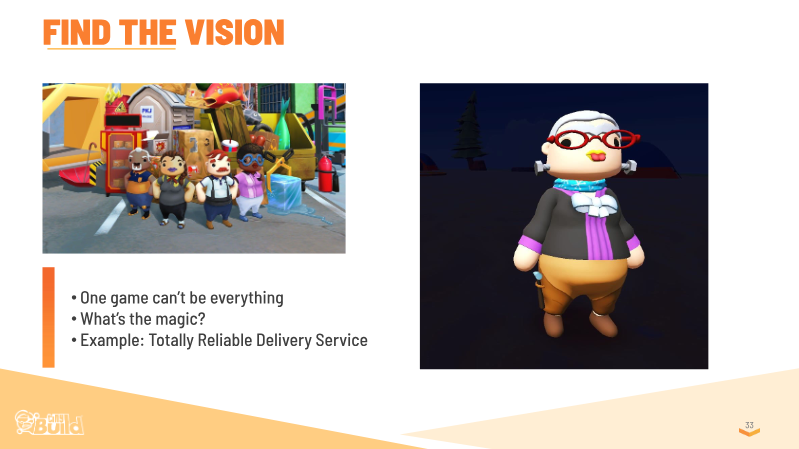
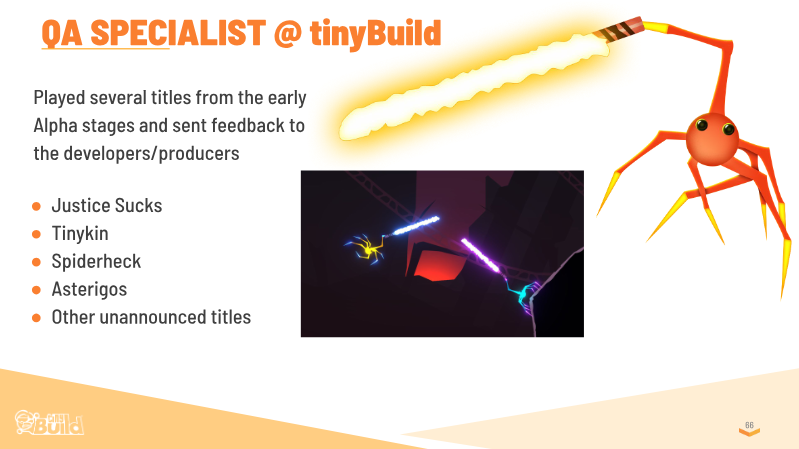
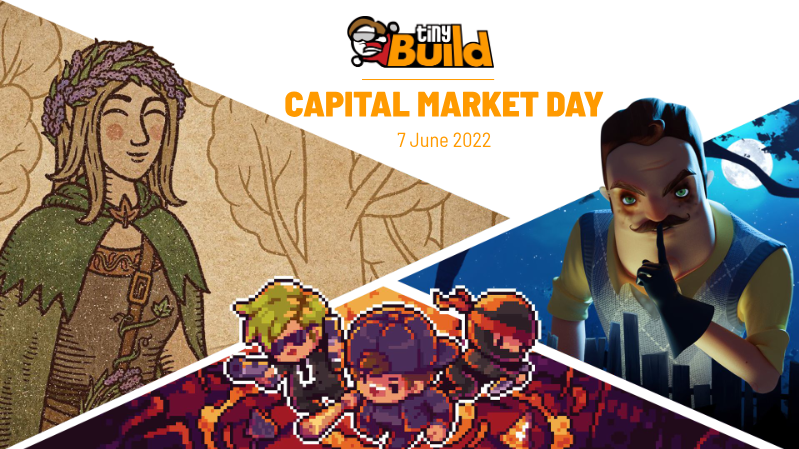
tinyBuild Capital Market Day 2022
tinyBuild operates as a vertically integrated publisher and developer with a strategic focus on building long-term, transmedia franchises.
- Owned intellectual property accounted for 81% of tinyBuild’s total gaming revenue in 2021, signaling a strategic shift away from third-party publishing reliance.
- The company utilizes a vertically integrated model that combines internal development with a partnership-first publishing strategy to mitigate developer risk through centralized marketing, porting, and platform relations.
- Growth is driven by a transmedia strategy that expands core gaming franchises into secondary media, exemplified by the Hello Neighbor brand’s transition into literature and animated series.
Value Creation in the Metaverse: The Real Business of the Virtual World
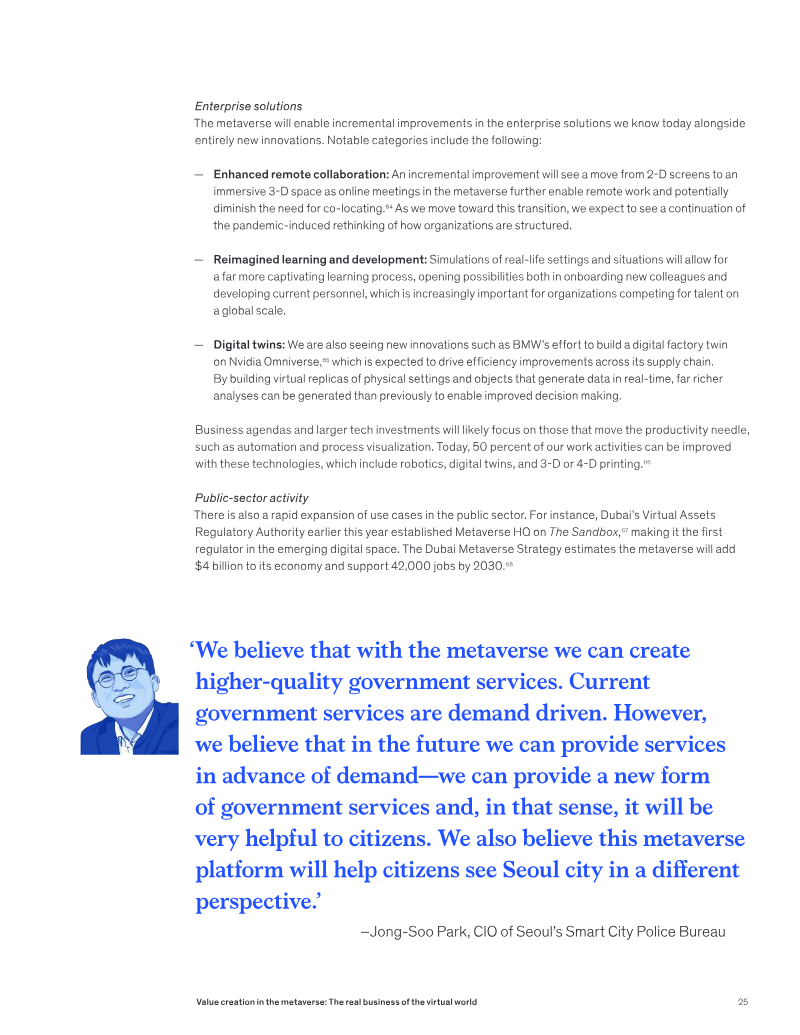
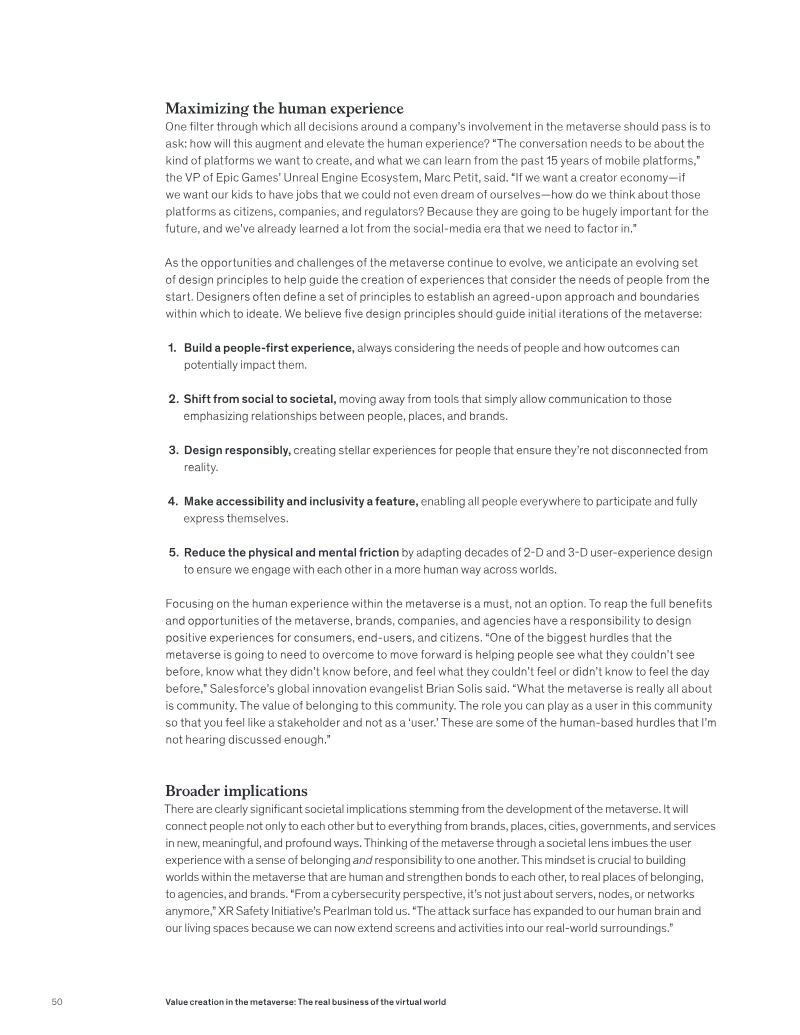
The analysis evaluates the emerging economic significance of immersive digital environments, arguing that the metaverse will become a major engine of growth and societal transformation by 2030.
- Senior leaders project the metaverse will generate up to $5 trillion in economic value by 2030, a scale comparable to the economy of Japan.
- Investment in the metaverse ecosystem reached over $120 billion in early 2022, bolstered by major corporate commitments like Microsoft’s $69 billion acquisition of Activision and Meta’s $10 billion annual budget.
- Gaming serves as the primary market catalyst with three billion users and a $200 billion valuation, while virtual goods sales have already reached approximately $40 billion.
Game Design Innovation Requires Growing Pains - The Metacast by Naavik
Electronic Arts is actively pursuing strategic partnerships or acquisition opportunities to maintain its competitive standing amidst a wave of industry consolidation.
- Electronic Arts is actively pursuing potential mergers or strategic partnerships with major media entities like Apple, Disney, or Amazon to maintain competitiveness against rivals such as Microsoft and Take-Two.
- EA’s decision to terminate its FIFA licensing agreement signals a strategic pivot toward prioritizing proprietary intellectual property and operational autonomy over third-party brand reliance.
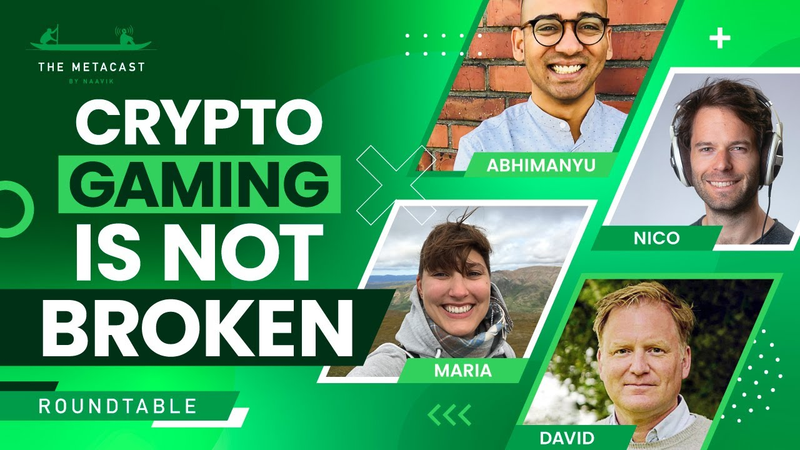
- The crypto gaming industry is moving away from speculative NFT scarcity and DeFi mechanics, shifting focus toward integrating blockchain primitives as foundational tools for genuine in-game utility.
Blockchain Gaming in a Crypto Bear Market - The Metacast by Naavik
The blockchain gaming industry is currently undergoing a necessary correction, transitioning away from unsustainable, yield-driven models toward a focus on high-quality product development.
- The blockchain gaming industry is shifting away from speculative, yield-driven 'ponzinomics' toward a focus on high-quality product development and core gameplay.
- Developers are abandoning the unrealistic goal of simultaneously achieving mass accessibility, technical innovation, and high financial returns in favor of specialization.
- The current market downturn is being utilized as a strategic period for teams to iterate on products and experiment without the pressure of immediate, speculative growth.
Deep Dive into A16Z's GAMES FUND ONE
GAMES FUND ONE represents a $600 million strategic commitment to the gaming sector, designed to foster the development of generational companies through a specialized, long-term investment model.
- A16Z's GAMES FUND ONE is a $600 million strategic fund designed to support gaming companies from seed stage through to IPO.
- The investment strategy treats gaming entities as full-stack consumer technology companies rather than content producers, prioritizing founding team caliber over individual hit titles.
- The fund provides dedicated operational support in recruitment, go-to-market strategy, and growth to help founders bypass traditional publishing constraints.

Luna Crashed and the Bear Woke Up - The Metacast by Naavik
The collapse of the Terra blockchain and its associated UST stablecoin serves as a definitive turning point for the Web3 gaming sector, exposing the systemic vulnerabilities inherent in algorithmic tokenomics.
- The collapse of the Terra blockchain and UST stablecoin has forced a pivot away from unsustainable algorithmic tokenomics toward stable, EVM-compatible ecosystems and controlled in-game economies.
- Public deal volume in the gaming sector plummeted from $8.7 billion in Q1 2021 to $0.5 billion in Q1 2022, signaling a sharp decline in aggressive expansion and speculative investment.
- The gaming industry is transitioning from a period of hyper-growth to one of fiscal conservatism, driven by rising inflation, interest rate hikes, and recessionary pressures.
The Collapse of the Terra Ecosystem Explained
The collapse of the Terra ecosystem serves as a definitive case study on the systemic risks inherent in algorithmic stablecoins.
- The Terra ecosystem collapsed because its algorithmic stablecoin, UST, relied on the market value of the LUNA token rather than fiat reserves, creating a fatal hyper-inflationary death spiral.
- Web3 gaming studios should mitigate systemic risk by migrating infrastructure away from experimental protocols toward established layer-one blockchains like Ethereum, Polygon, and Avalanche.
- Many current blockchain gaming staking programs function as marketing-driven lock-up mechanisms rather than legitimate network validation tools, necessitating a shift toward more robust infrastructure.
TWIG #180 Why Ubisoft became a target of a hostile takeover
Ubisoft has emerged as a potential target for private equity firms, including Blackstone and KKR, as the company faces significant operational challenges and declining market performance.
- Ubisoft is a target for private equity firms like Blackstone and KKR due to significant operational inefficiencies and declining market performance.
- A major inefficiency is the revenue-to-headcount ratio: Ubisoft generates 2.3 billion dollars in annual revenue with 22,000 employees, compared to Electronic Arts, which generates 7.5 billion dollars with only 11,000 employees.
- Private equity firms view the company as mismanaged, citing a lack of focus on core franchises and an unsustainable organizational structure.
TWIG #180 Ex-Blizzard / Riot executives as founders. Opportunity or threat?
The studio One More Game (OMG) recently secured $22 million in funding to develop its debut title, Spellcraft, a PC-focused competitive strategy game.
- One More Game (OMG) secured $22 million in funding from Lightspeed Venture Partners and Griffin Gaming Partners to develop its debut PC strategy title, Spellcraft.
- OMG founders Pat Wyatt and James Windsor are viewed as credible exceptions to industry skepticism because they previously co-founded ArenaNet and successfully launched the Guild Wars franchise.
- The industry is seeing a trend of venture capital firms aggressively backing startups led by veterans from major studios like Blizzard and Riot Games, despite many of these ventures having yet to ship a commercial product.

Square Enix’s Western Studios ‘Only’ Cost $300M? - The Metacast by Naavik
The gaming industry is currently navigating a period of significant structural realignment, characterized by both the volatile emergence of Web3 projects and the strategic consolidation of established intellectual property.
- Embracer Group acquired Square Enix’s Western studios for $300 million, taking control of major franchises like Tomb Raider and Deus Ex to bet on the long-term value of single-player narrative IP.
- Square Enix divested its Western studios to reduce operational costs and refocus resources on its core Japanese development strengths.
- Yuga Labs’ Otherside metaverse project generated $300 million in revenue but suffered from significant technical failure due to an Ethereum gas war, highlighting the risks of poor infrastructure planning.