Europe reports and market data
Documents


2023 European Video Games Industry Insight Report
The European video games industry demonstrated remarkable resilience throughout 2023, maintaining a robust ecosystem despite a broader global market downturn.
- In 2023, the EU was home to 5,900 game developer studios.
- Public funding plays a crucial role in financing new game studios and supporting research and development across Europe.
- Each European country exhibits unique platform preferences for game development.


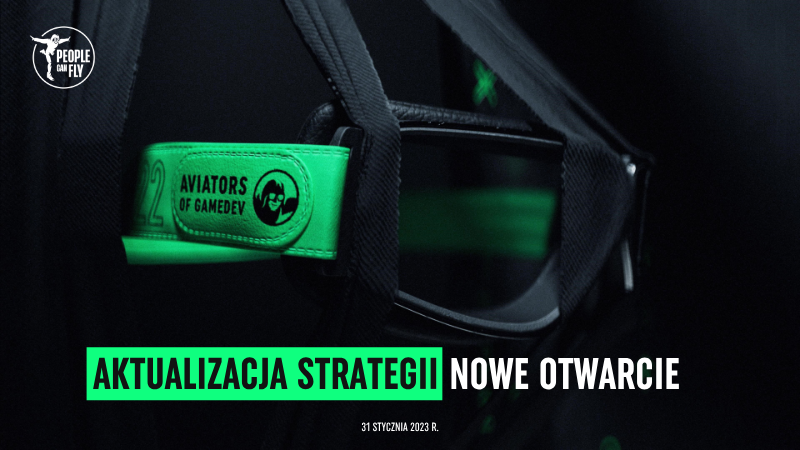
Aktualizacja Strategii Nowe Otwarcie 2023
The strategy overview presents PCF Group S.A. as a leading Polish producer of AAA-level shooter games built on Unreal Engine, emphasizing its extensive experience, proprietary technology, and international development network.
- PCF Group targets a revenue multiplier for 2023–2027 comparable to the 4.9-fold growth seen between 2018 and 2022, when cumulative revenue reached 608 million złoty.
- The company is shifting to a self-publishing model to support the launch of four core AAA projects and three supplementary titles, including two VR games scheduled for 2025–2026.
- Strategic monetization will pivot toward a 'games-as-a-service' model, incorporating micro-transactions and seasonal passes to scale independent AAA publishing.
European Key Facts 2023
This analysis provides a comprehensive overview of the European video game sector in 2023, detailing market health, player demographics, and regulatory priorities.
- The European video game sector generated €25.7 billion in 2023, marking a 5% year-on-year revenue increase.
- Industry employment grew by nearly 7% in 2023, reaching a total workforce of approximately 115,000 people across Europe.
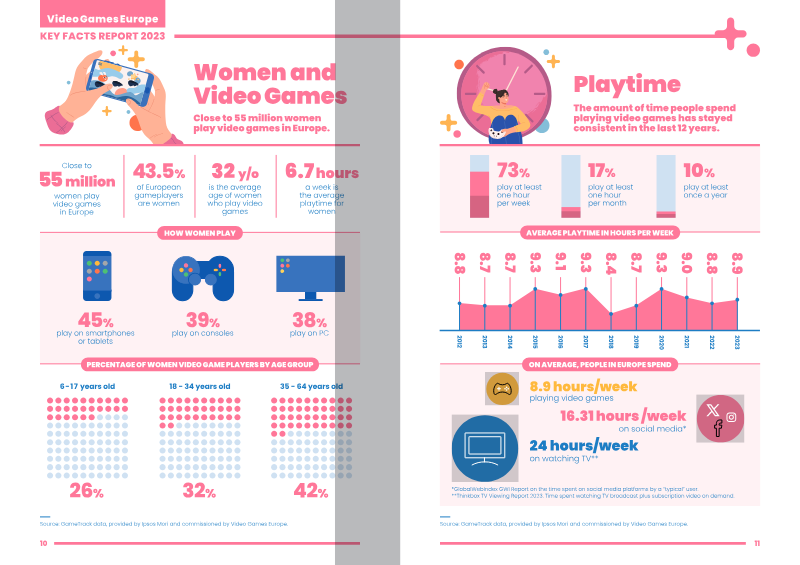
- Video games are a mainstream fixture with 53% of the population aged 6–64 identifying as players, maintaining a stable average of 8.9 hours of gameplay per week.


Video Games Europe: Position on the Green Transition Consumer Directive
The text articulates Video Games Europe’s response to the European Commission’s proposal for a Directive that would empower consumers in the green transition, emphasizing the sector’s commitment to sustainability while seeking regulatory clarity.
- The European video games sector, representing a €23.3 billion industry with 90,000 employees and 250 million players, is actively lobbying to shape the EU's Green Transition Consumer Directive.
- Video Games Europe supports the two-year commercial guarantee benchmark and the EU 2019/771 definition of 'durability,' which protects manufacturers from liability regarding piracy-related damage.
- The industry opposes a blanket ban on software updates that reduce functionality, arguing that such restrictions could hinder legitimate service termination and inadvertently increase energy consumption.


European Commission Study About Business-to-Consumer Contractual Arrangements in the Data Economy
The statement submitted by Video Games Europe and the European Games Developer Federation (EGDF) seeks to clarify the interpretation of “data contracts” within the European Commission’s study on Business-to-Consumer (B2C) contractual arrangements in the data economy.
- Video Games Europe and the EGDF argue that the European Commission’s survey incorrectly classifies routine data processing—such as account registration and technical device information—as a 'data contract' exchange.
- The industry groups contend that most video game data processing is driven by contractual necessity, legal obligations, or legitimate interests, rather than consumer consent.
- The European video game sector generated €23.3 billion in 2021, positioning it as the third-largest global market for the industry.
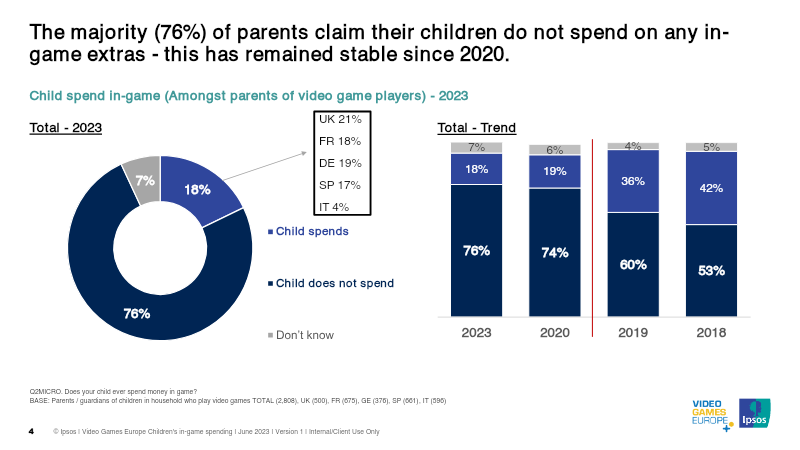
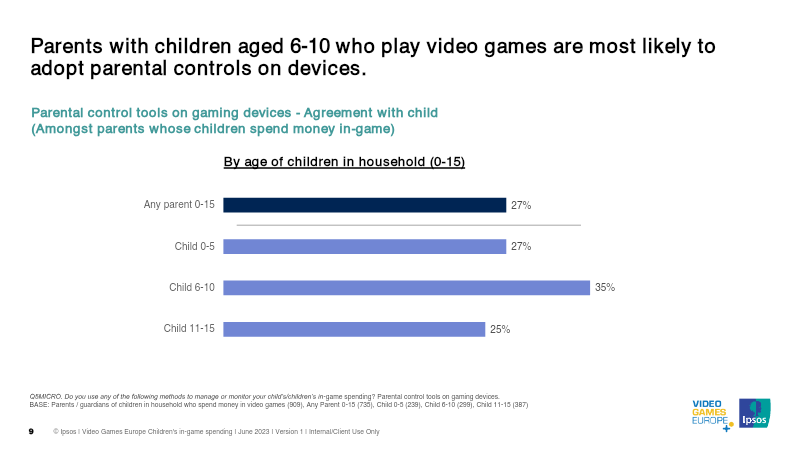
In-Game Spending: Parents' Supervision of In-Game Spending 2023
The research investigates how parents supervise and manage their children’s in-game purchases, tracking trends across five European markets—United Kingdom, France, Germany, Spain and Italy—over four survey waves (2018, 2019, 2020 and 2023).
- Three-quarters of children do not engage in in-game spending, a figure that has remained stable since 2020.
- Average monthly in-game spending among children who do spend increased from €33 in 2020 to €39 in 2023, a rise consistent with inflation.
- The majority of in-game spending (64%) is concentrated in the €1–20 monthly range, with gameplay-impacting content (34%) and cosmetic items (33%) being the most popular purchases.
Video Games in Romania 2023
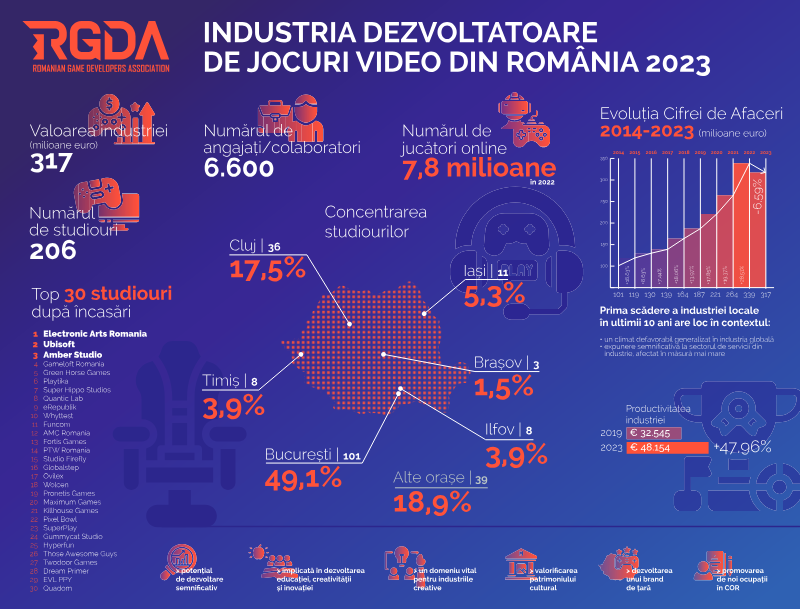
The 2023 analysis of Romania’s video-game sector presents a comprehensive overview of its economic evolution, workforce expansion, and market concentration over the past decade.
- The Romanian video game industry reached a turnover of approximately €6.6 billion in 2023, supported by 350 active studios and a workforce of 6,600 employees.
- The sector experienced a 6.6% contraction in 2022, marking the first decline in a decade due to an unfavorable global economic climate and service-sector volatility.
- Industry activity is highly concentrated in key urban hubs, led by Cluj with 36 studios and Iași, which accounts for 17.5% of the total studio count.


Digital Games' Impact in Denmark
The study evaluates how digital games shape everyday life in Denmark, measuring participation rates, motivations, and social outcomes among a representative sample of gamers.
- Digital gaming is a mainstream activity in Denmark, with 79% of the population having played a game in the past year.
- Engagement is high across all age groups, ranging from 62% of those aged 55–79 to 74% of those aged 16–24 playing on a weekly basis.
- Puzzle games are the most popular genre, preferred by 65% of respondents and yielding the highest relaxation scores among all game types.

White Paper Catalan Video Game Industry 2023
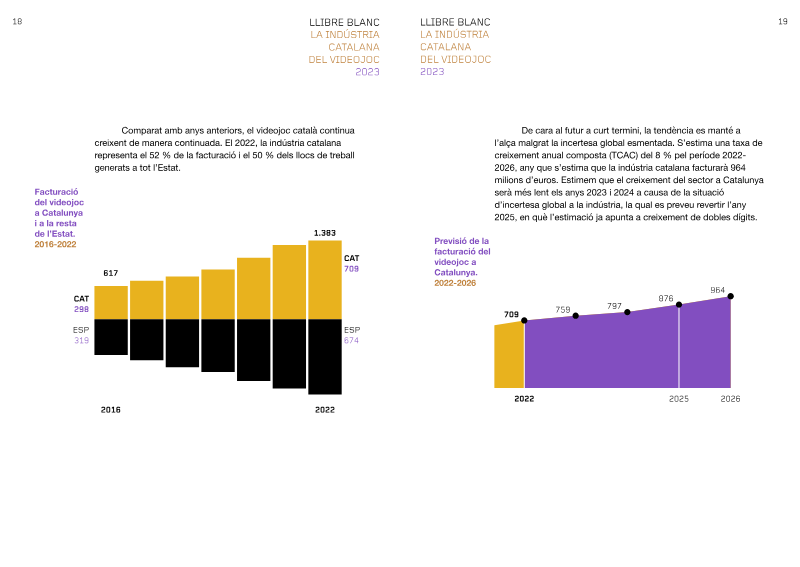
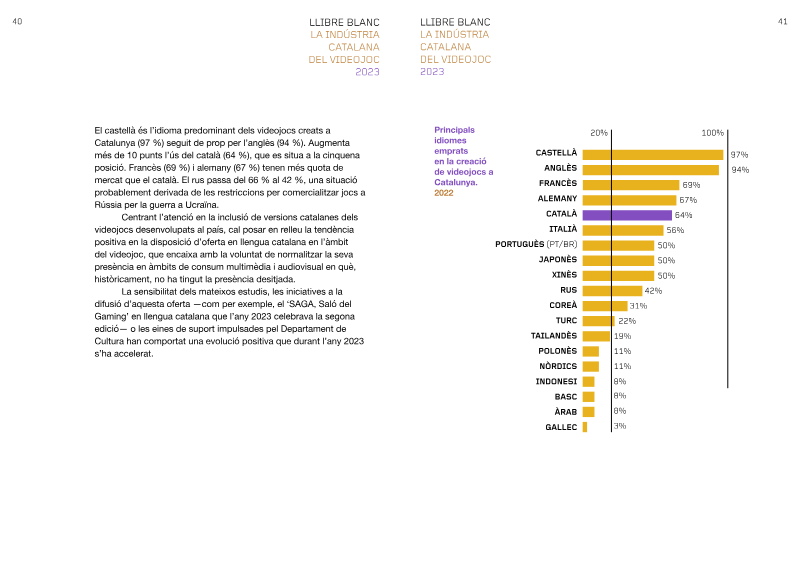
The 2023 white paper on Catalonia’s video-game industry presents a detailed assessment of the sector’s economic performance and labour dynamics for the year 2022.
- Catalonia’s video game industry generated €709 million in revenue during 2022, representing a 7.5 percent decline from the previous year.
- Total employment in the sector grew by 8.7 percent in 2022, reaching a workforce of 4,619 people.
- The simultaneous decrease in revenue and increase in headcount indicates a strategic shift toward more labor-intensive development and ancillary service activities.


Llibre Blanc d’Accessibilitat per al Desenvolupament de Videojocs
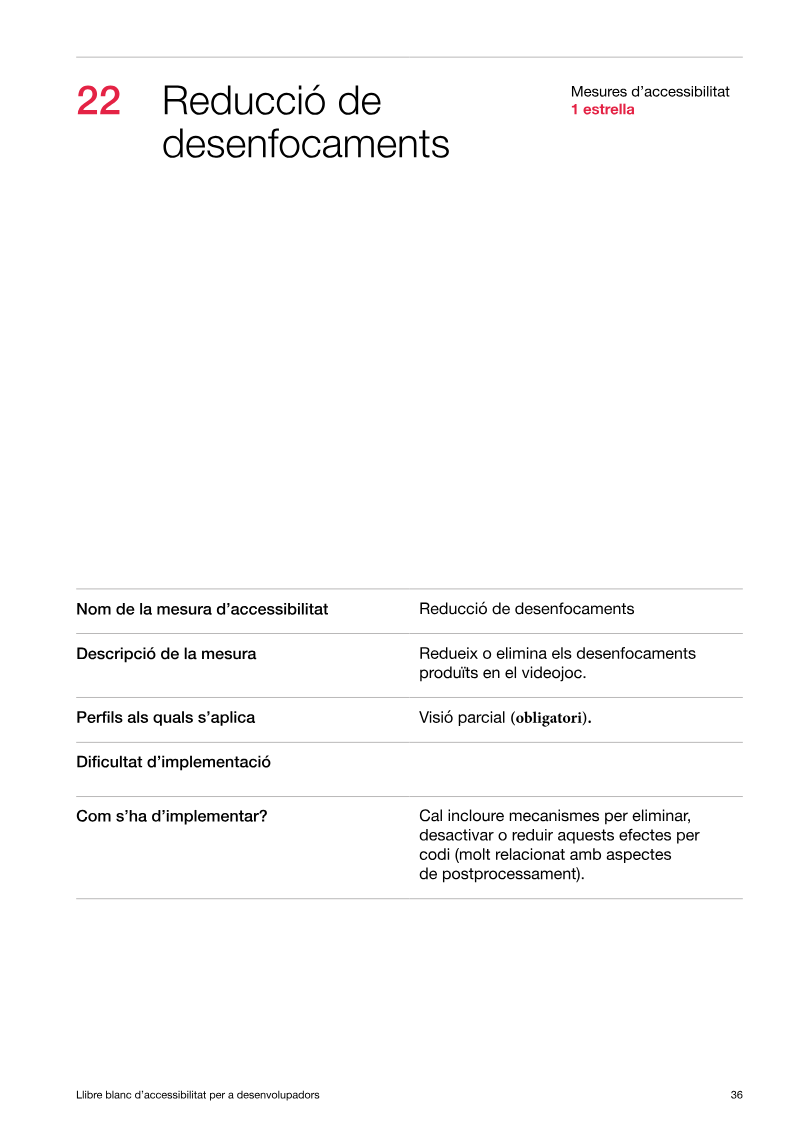
The central thesis is that video-game accessibility must be embedded from the earliest design stages, using a standardized, non-subjective evaluation framework, to achieve universal inclusion while avoiding the steep costs of retro-fitting.
- Accessibility must be integrated during early design phases to avoid the high costs of retrofitting, utilizing the European EN 301 549 ICT-accessibility standard as a foundational framework.
- The global gaming market includes over three billion players, with approximately 400 million individuals living with a disability and 18 million regular players in Spain.
- The Ga11y portal, launched in July 2022, provides a catalogue of 28 star-rated accessibility guidelines that map specific technical solutions to visual, auditory, motor, speech, and cognitive impairments.
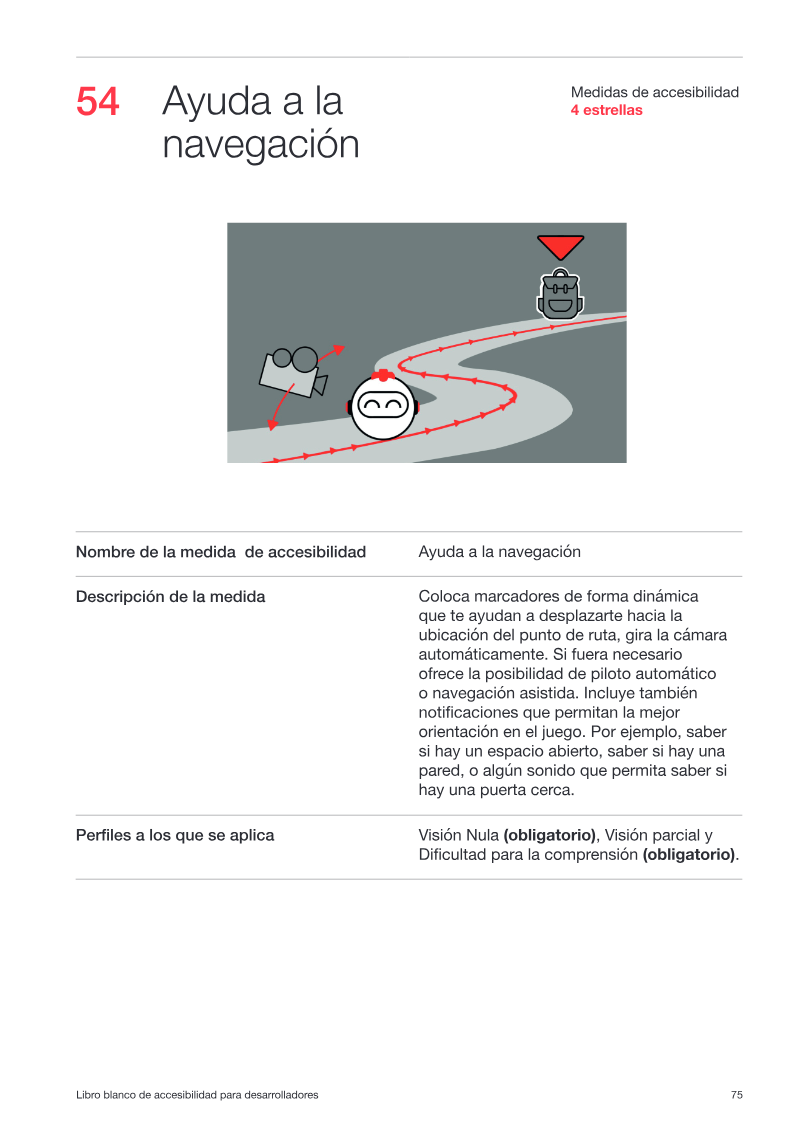

Libro Blanco de Accesibilidad para Desarrolladores
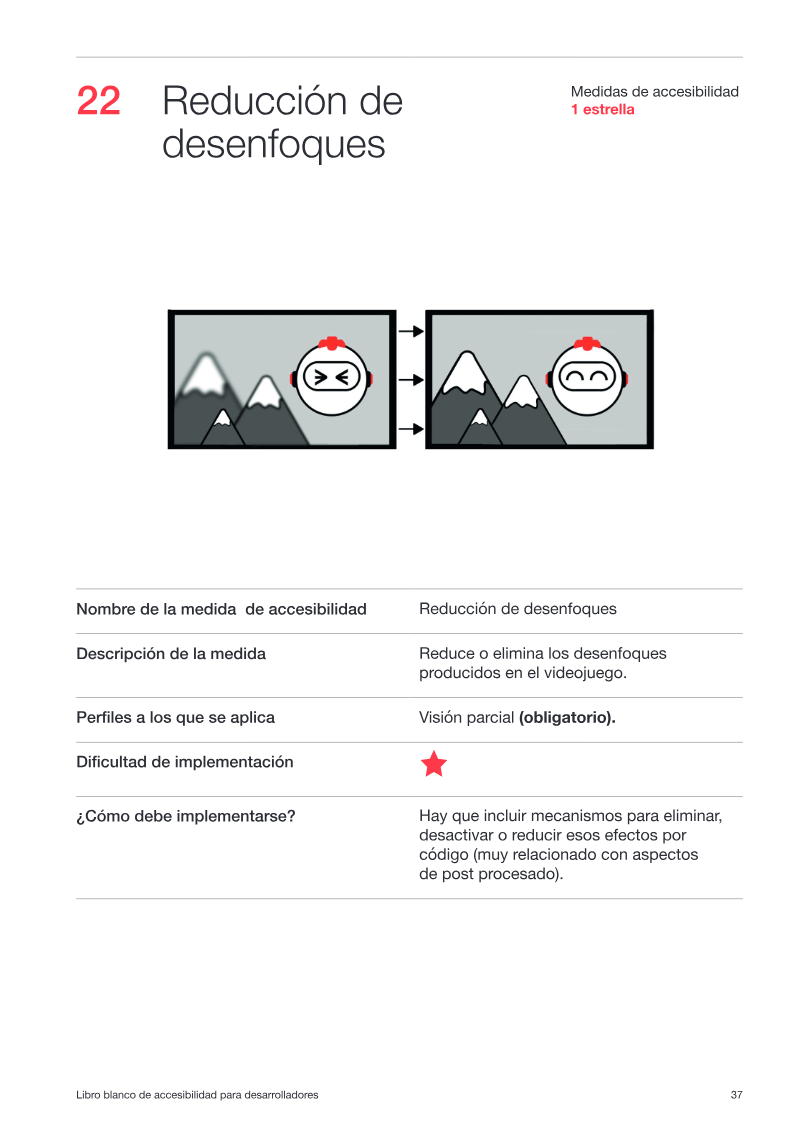
The core thesis emphasizes that video-game accessibility must be embedded from the earliest design stages, rather than added later, because retro-fitting dramatically inflates development time and cost.
- Accessibility must be integrated during the earliest design stages to avoid the significant cost and time inflation associated with retrofitting features.
- Approximately 400 million of the 3 billion global gamers live with some form of disability, making inclusive design a critical market consideration.
- The framework categorizes over 30 accessibility measures into a 5-star system, ranging from basic joystick swapping and puzzle-skipping to advanced sign-language interpretation and text-to-voice features.

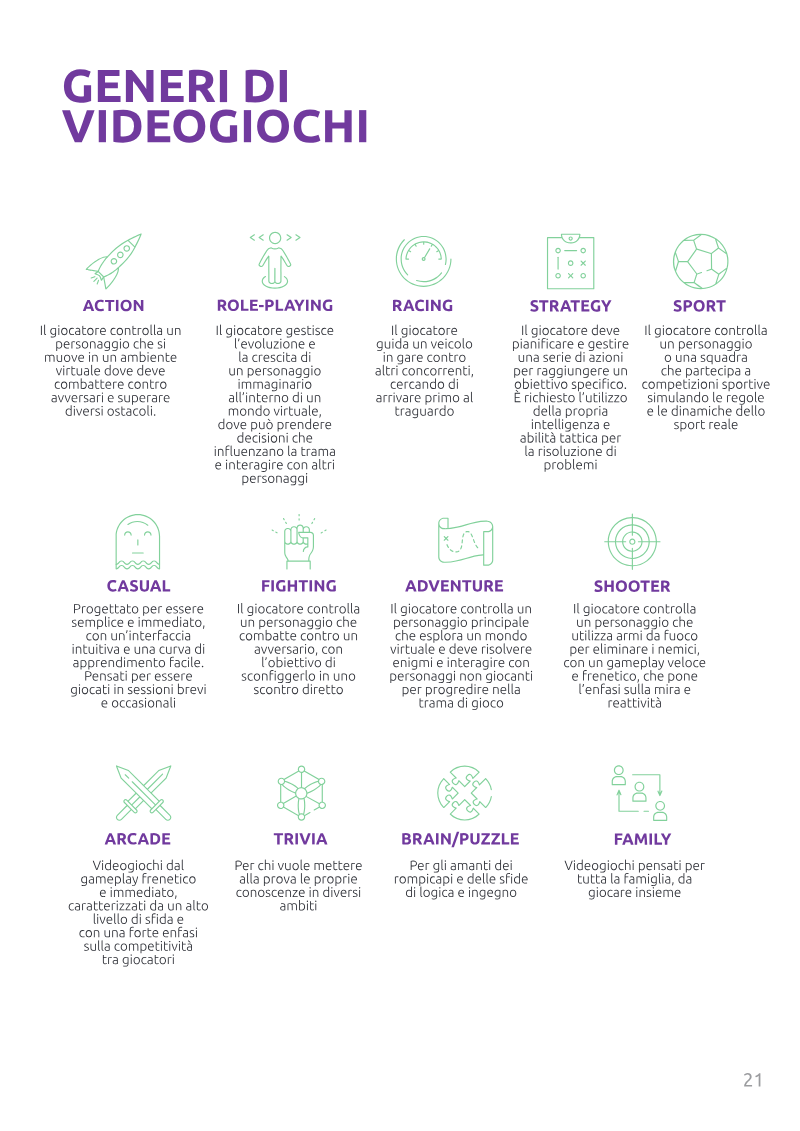
I Videogiochi in Italia nel 2023
The Italian video game market demonstrated significant resilience in 2023, achieving a total valuation of €2.3 billion.
- The Italian video game market generated €2.3 billion in 2023, representing a 5% increase over 2022 and a 28% growth since 2019.
- Italy ranks among the top five largest video game markets in Europe, with 13 million players aged 6 to 64, representing 31% of the population.
- The average age of the Italian gamer is 30 years old, reflecting the sector's broad cultural and demographic penetration.