Blockchain reports and market data
Documents
Web3 Gaming: Insights from the Ronin Ecosystem
The Ronin blockchain serves as a specialized infrastructure designed to overcome the scaling and transaction cost limitations inherent in the Ethereum network.
- The Ronin blockchain is transitioning from a curated, permissioned model to a permissionless ecosystem, allowing any developer to build on the network while maintaining Sky Mavis's role in providing strategic publishing support and grants.
- The 'Ronin effect'—the ability to drive significant user acquisition and liquidity for new projects—was validated by the game Pixels, which grew from 5,000 to millions of users in a few months and reached a multi-billion dollar market valuation.
- Sky Mavis has launched the Ronin Developer Console, a suite of tools designed to lower barriers to entry by providing features such as sponsored transactions, marketplace integration, and access to core network APIs.
Can Play-to-Earn Ever Be Sustainable?
The play-to-earn gaming sector is undergoing a critical evolution, shifting away from volatile, speculative mechanics toward sustainable, data-driven economic models.
- Pixels.xyz has achieved 10 million registered users and $20 million in annual revenue by shifting from speculative mechanics to Web2-style free-to-play economic models.
- Sustainable Web3 gaming models now treat token emissions as a precise user acquisition tool rather than a speculative incentive to ensure long-term stability.
- Long-term viability is being pursued through advanced user segmentation and internal ad-tech to optimize average revenue per user while balancing token incentives with traditional monetization.
Web3 Gaming: What Will 2025 Bring?
The web3 gaming industry enters 2025 transitioning from a period of speculative volatility toward a focus on sustainable development and product quality.
- The web3 gaming funding landscape remains cautious, with 2024 seeing a 17% increase in investment rounds compared to 2023, though total capital remains significantly lower than the 2021-2022 peaks and is characterized by smaller, more conservative bets.
- AAA studios are currently prioritizing risk mitigation by focusing on established IP and smaller, internal studio experiments rather than large-scale web3 integration, waiting for a proven, scalable business model to emerge from smaller developers.
- Off the Grid has emerged as a critical industry benchmark for quality in web3 gaming, though its long-term success remains tied to whether its optional, tokenized economy features actually improve the core gameplay experience.
Gaming, Music, & Tipping: A New Era for Creator Payments
The integration of the Bitcoin Lightning Network into the creator economy marks a fundamental shift toward decentralized, direct monetization for artists and developers.
- The Bitcoin Lightning Network enables decentralized, near-instant, and low-fee micro-payments, allowing creators to bypass traditional high-friction royalty systems and intermediaries.
- Platforms such as Wavlake and ZBD are utilizing the Nostr protocol to facilitate global, interoperable value exchange between fans and creators.
- Developers can now embed music and content directly into gaming environments with automated, transparent revenue splits that function with the simplicity of email.
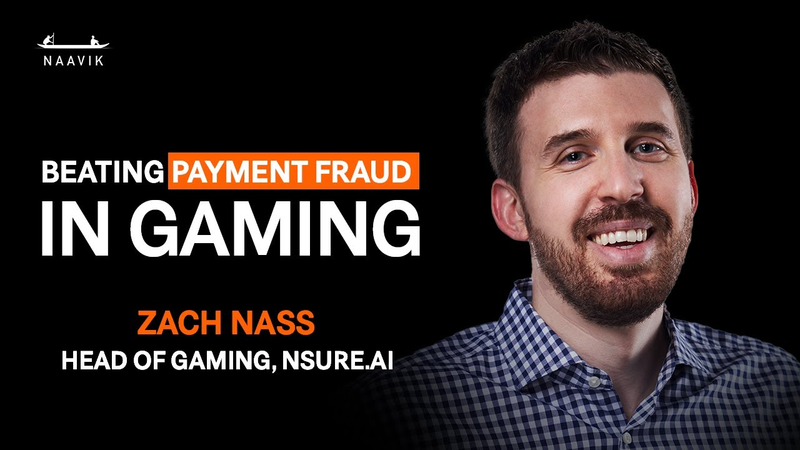
Cheating Payments: The Hidden World of Game Fraud
Payment fraud represents a critical financial threat to the modern gaming industry, particularly as developers transition toward direct-to-consumer models that prioritize high-velocity digital transactions.
- Payment fraud poses a critical financial threat to gaming companies, as chargeback abuse and stolen credit card usage often result in losses significantly higher than the original transaction value due to penalty fees.
- Traditional, static rules-based security systems are no longer sufficient to combat sophisticated, automated fraud rings targeting high-velocity digital transactions.
- The industry is shifting toward machine learning and behavioral analysis, which evaluate user interactions like typing speed and navigation patterns to distinguish between legitimate players and malicious actors.
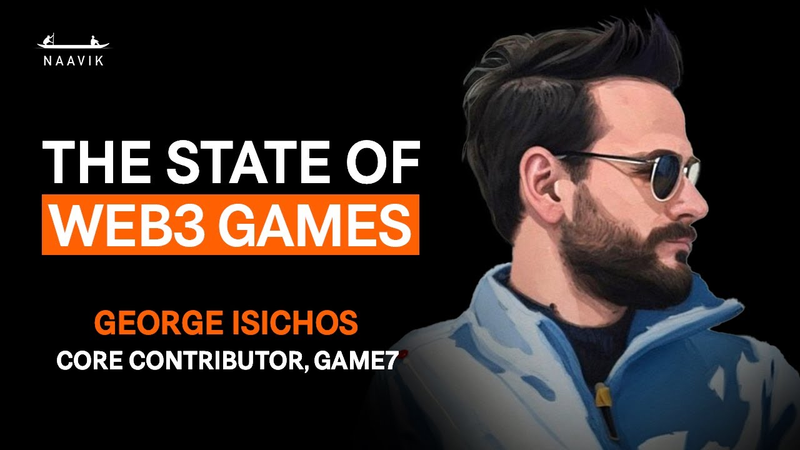
The State of Web3 Gaming with Game7
The Web3 gaming sector is undergoing a significant maturation process, transitioning from speculative, infrastructure-heavy development toward a focus on playable, high-quality experiences.
- Web3 gaming is shifting from speculative, infrastructure-heavy models toward high-quality, 'Web2-first' experiences that prioritize entertainment value over blockchain-native mechanics.
- Venture capital funding for the sector increased by 17% in 2024, with investors now favoring smaller, milestone-driven investments over speculative, large-scale rounds.
- The industry is moving away from inflationary 'play-to-earn' structures in favor of 'play-to-airdrop' campaigns, which are currently used as temporary engagement tools.
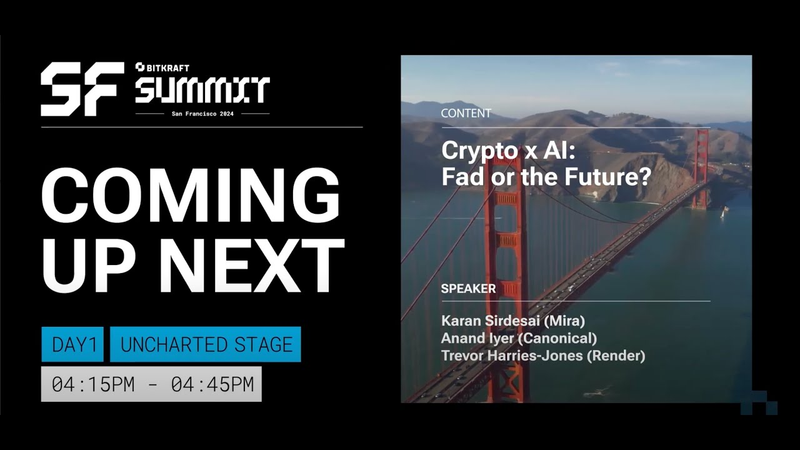
Crypto X AI: Fad or the Future | BITKRAFT Summit 2024
The convergence of cryptocurrency and artificial intelligence represents a strategic effort to decentralize infrastructure and address the systemic risks inherent in centralized AI development.
- There are approximately 1.5 billion GPUs worldwide outside of the major hyperscalers, representing a massive, underutilized resource pool that could be harnessed for AI and rendering tasks to supplement the 6 million GPUs currently held by public cloud providers.
- Blockchain primitives offer a solution to the 'black box' problem in AI by enabling trustless, transparent evaluation systems that can verify model performance and data integrity, which is critical as AI agents gain the autonomy to act on behalf of users.
- Centralized AI models face significant security and bias risks, as evidenced by instances where companies like Scale AI used GPT-4 to annotate data for Meta's Llama models, inadvertently creating feedback loops of model-generated bias.
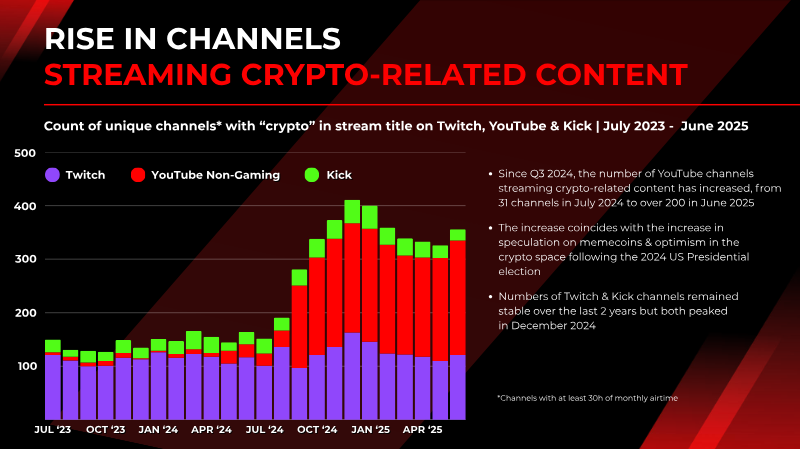
Crypto on Live Streaming Mini‑Report
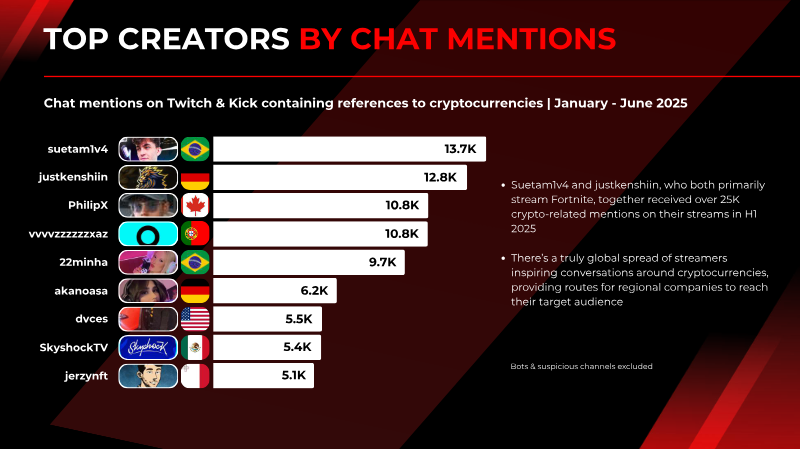
This analysis examines the intersection of cryptocurrency and live streaming, tracking the rapid growth of digital asset content across Twitch, YouTube, and Kick.
- The number of unique crypto-focused streaming channels doubled in the six months leading to late 2024, with YouTube channels surging from 31 in July 2024 to over 200 by June 2025.
- India has become a primary hub for crypto content, hosting four of the top ten global creators who stream primarily on YouTube.
- Bitcoin remains the most discussed asset with over 500,000 chat mentions in the first half of 2025, while Solana has emerged as the dominant secondary interest with 171,000 mentions.

Private and Public Crypto Market Update 2024 | BITKRAFT Summit 2024
The cryptocurrency market is currently navigating a period of significant volatility, characterized by a disconnect between aggressive investor positioning and the reality of retail-led ETF inflows.
- Crypto market performance is currently driven more by macro factors and beta than by individual sector performance, with spot volumes increasing 2.8x since the mid-2023 market lows.
- Bitcoin ETF inflows have been dominated by retail investors (approx. 80%), highlighting a mismatch between market expectations of institutional adoption and the reality of current capital flows.
- Crypto gaming is not uniquely underperforming compared to other sectors like RWA or SocialFi; it remains tethered to broader market cycles where token performance is heavily influenced by timing and liquidity.
TWIG #304 Supercell's Marketing Shakes Up while Web3 Shoots Back!
The gaming industry is currently undergoing a period of strategic recalibration characterized by platform diversification, technical transitions, and a cautious re-evaluation of blockchain integration.
- Stillfront Group has experienced a 96% decline in stock value since 2021, highlighting the severe financial volatility currently affecting established gaming companies.
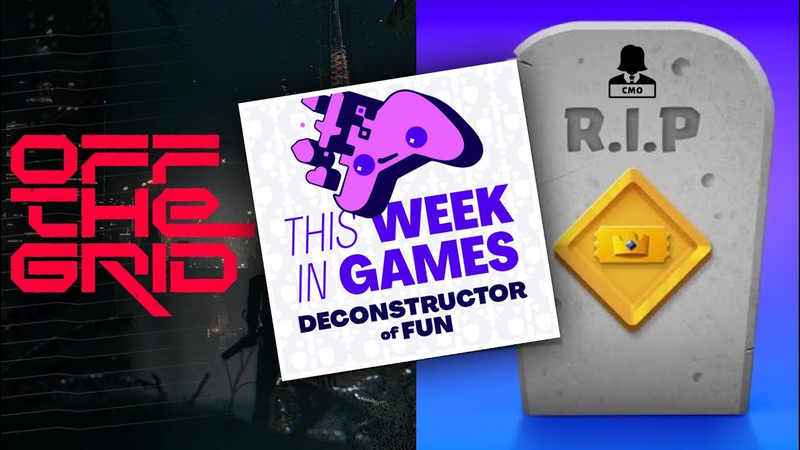
- Supercell is undergoing significant leadership changes, including the departure of its CMO, following the underwhelming market performance of Squad Busters.
- The industry is shifting toward platform diversification, evidenced by Halo Studios moving to Unreal Engine and Xbox enabling direct game purchases on Android devices.

Emergency Pod: SEC vs OpenSea
The Securities and Exchange Commission’s issuance of a Wells Notice to OpenSea marks a significant escalation in the regulatory oversight of digital assets, signaling a potential shift toward classifying various non-fungible tokens as unlicensed securities.
- The SEC has issued a Wells Notice to OpenSea, signaling a potential regulatory shift toward classifying various NFTs as unlicensed securities under the Howey Test.
- OpenSea plans to contest the SEC's classification by arguing that NFTs function primarily as creative goods, such as art, collectibles, and gaming items, rather than investment contracts.
- Regulatory scrutiny is specifically targeting projects that promise financial returns, utilize staking mechanisms, or market assets as speculative investments rather than functional utilities.

Animoca Brands and the Motorverse
Animoca Brands is actively shaping the future of digital entertainment by fostering an open metaverse centered on consumer property rights and blockchain integration.
- Animoca Brands is leveraging a portfolio of over 450 investments to transition the gaming industry from speculative Web3 models toward high-quality, product-first entertainment.
- The Motorverse initiative establishes standardized data models for vehicles to enable true interoperability, allowing digital assets to function seamlessly across multiple racing titles.
- The platform aims to function as a 'Netflix for automotive gaming,' creating a centralized digital hub that facilitates persistent ownership and cross-platform engagement.