
Triple Town
GameBy Spry Fox · Released Dec 6, 2012
Triple Town is an original puzzle game in which you try to grow the greatest possible city. The larger the city you build, the more points you score.
Connections
Each row is a game or company named alongside Triple Town, each column a document, oldest first. A mark means that document names it. Select a row to see those documents.
About the game
- Released
- Dec 6, 2012
- Developer
- Spry Fox
- Genres
- Puzzle, Strategy, Turn-based strategy (TBS), Indie
- Platforms
- Android, PC (Microsoft Windows), iOS, Mac
Game data from IGDB.com
On Steam
Steam estimates as of 9 Oct 2026. Revenue is premium revenue on Steam only: game sales, without DLC.
- Revenue to date
- $409K
- Units sold
- 68K
- Last 12 months
- $6K
- 776 units
- Price
- $9.99
- Positive reviews
- 92%
- of 827 reviews
- Peak players
- 373
- at the same time
- Followers
- 1,174
- Average playtime
- 26 h
| Year | Share of the best year | Revenue | Units |
|---|---|---|---|
| 2019 | $17K | 2,528 | |
| 2020 | $11K | 1,516 | |
| 2021 | $8K | 1,258 | |
| 2022 | $6K | 776 | |
| 2023 | $7K | 960 | |
| 2024 | $4K | 592 | |
| 2025 | $4K | 554 | |
| 2026 so far | $4K | 628 |
On Steam since Dec 6, 2012 · Developer Spry FoxSteam store page
Documents about Triple Town
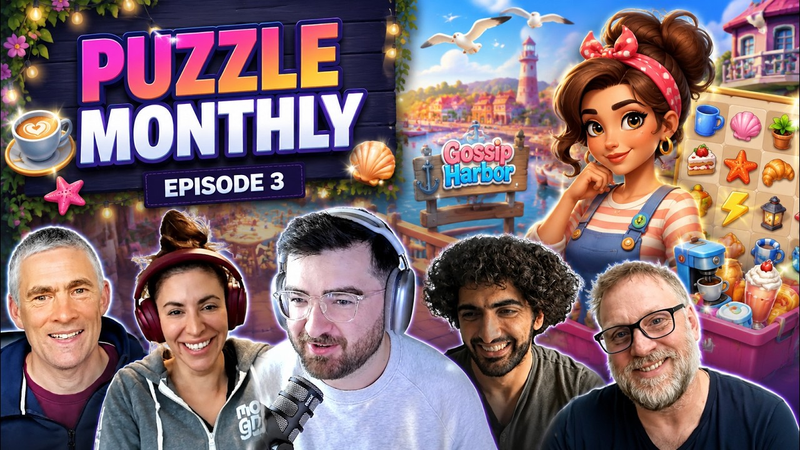
Puzzle Monthly #3: the Merge 2 Secret Tell-All Episode
The merge genre has reached a critical inflection point, transitioning from simple board-based mechanics to complex, live-ops-driven ecosystems.
- The merge genre is shifting from simple board mechanics to complex, live-ops-driven ecosystems, with titles like Gossip Harbor successfully challenging legacy giants like Candy Crush.
- Commercial success in the genre is now driven by aggressive, event-based monetization strategies rather than the foundational merge gameplay itself.
- To combat the friction of board clutter and tedious inventory management, developers are increasingly adopting temporary event boards, generator constraints, and multi-board systems.
Journey Through Game Design with Spry Fox’s Daniel Cook
Game design functions as an unpredictable, iterative process that requires a synthesis of creative vision and business acumen.
- Sustainable game development relies on small, surgical iterations that amplify promising prototype elements rather than relying on high-cost, dramatic pivots.
- Designers should prioritize intrinsic human motivations—such as autonomy, mastery, and social connection—over extrinsic, stress-inducing engagement mechanics like daily login bonuses.
- Long-term market viability is best achieved by cultivating an authentic creative voice and focusing on specialized skills rather than chasing ephemeral industry trends.
Games You Might Not Have Tried - ep 3 - Find New Games - Extra Credits
This overview highlights a curated selection of diverse video games, emphasizing titles that offer unique mechanics, experimental narratives, or unconventional genre blends.
- Game design innovation often occurs through unconventional genre blending, such as the fusion of physics-based action with historical humor in Rock of Ages or the integration of grand strategy with RPG elements in King Arthur II.
- Meta-narrative and subversion of traditional tropes can redefine established genres, exemplified by Recettear’s approach to RPGs and the fast-paced, top-down shooter mechanics used to disrupt traditional MMO structures in Realm of the Mad God.
- Mobile platforms are capable of hosting high-quality, immersive experiences, as demonstrated by the horror title The Dark Meadow.