Ticket to Ride
Game
2 documents in the library are about Ticket to Ride, from writers such as DiGRA and Game Discovery Now. Each has a summary and key insights with the page they come from.
Connections
Each row is a game or company named alongside Ticket to Ride, each column a document, oldest first. A mark means that document names it. Select a row to see those documents.
Documents about Ticket to Ride
Article
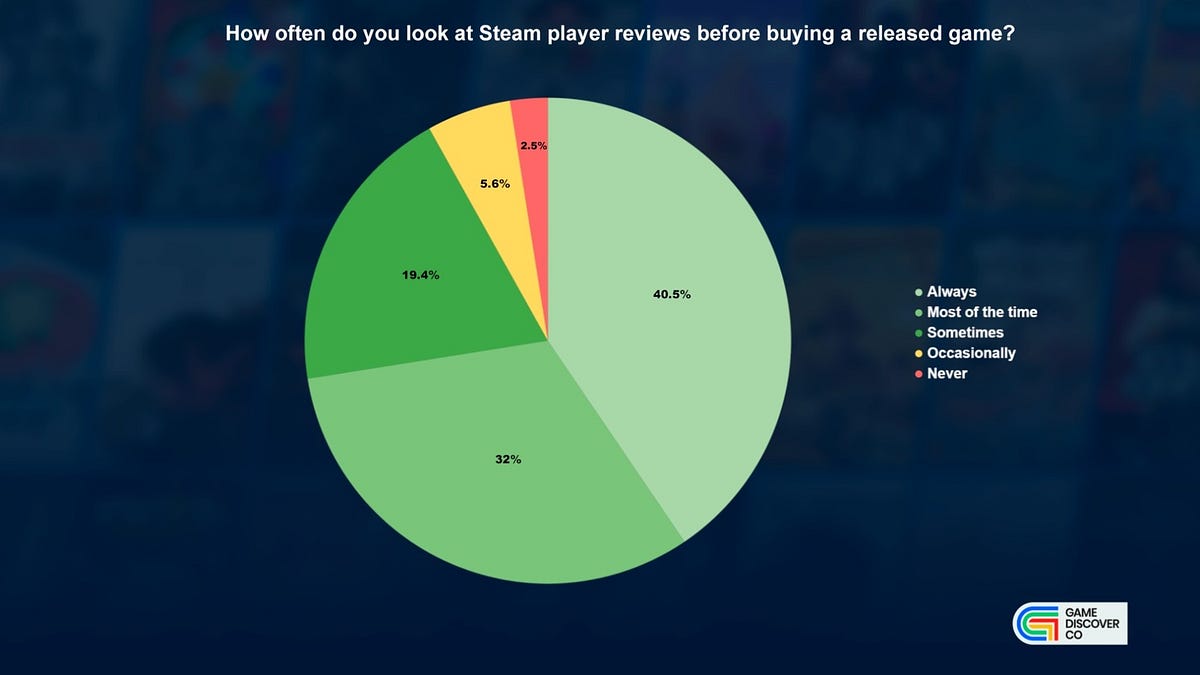
Will Fewer People Buy Your Steam Game Due to Player Reviews?
Steam player reviews strongly influence purchase decisions, but the threshold at which a rating deters buyers is lower than many developers fear.
- A significant portion of Steam players are deterred by lower review scores: 20.3% are less likely to buy a game with 'Mostly Positive' or lower reviews, and 30.8% are less likely to buy a game with 'Mixed' or lower reviews.
- Only 9.7% of surveyed players stated that no review rating would significantly impact their purchasing decision, indicating the strong influence of Steam reviews.
- Players highly value recent reviews; 38.1% will 'look very carefully' at recent reviews if they are worse than all-time reviews, and an additional 47.4% will check them while understanding potential short-term complaints.
Game Discovery NowJul 2026
Whitepaper7 pages
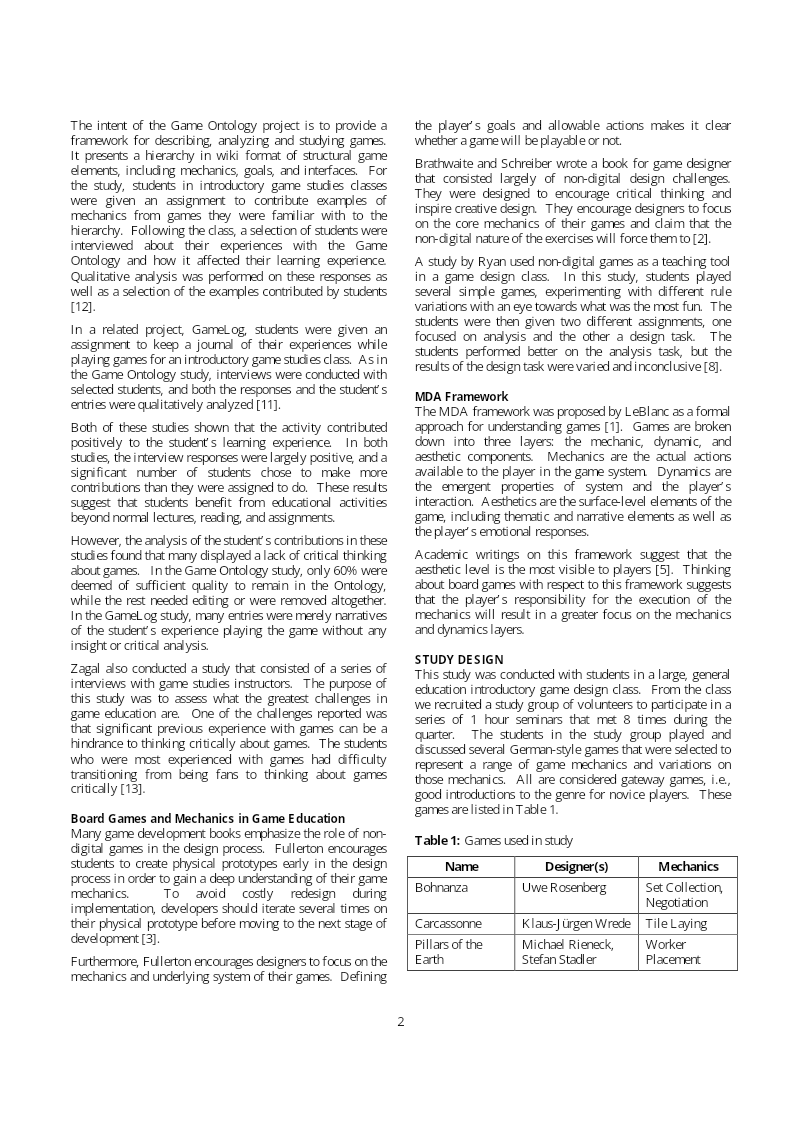
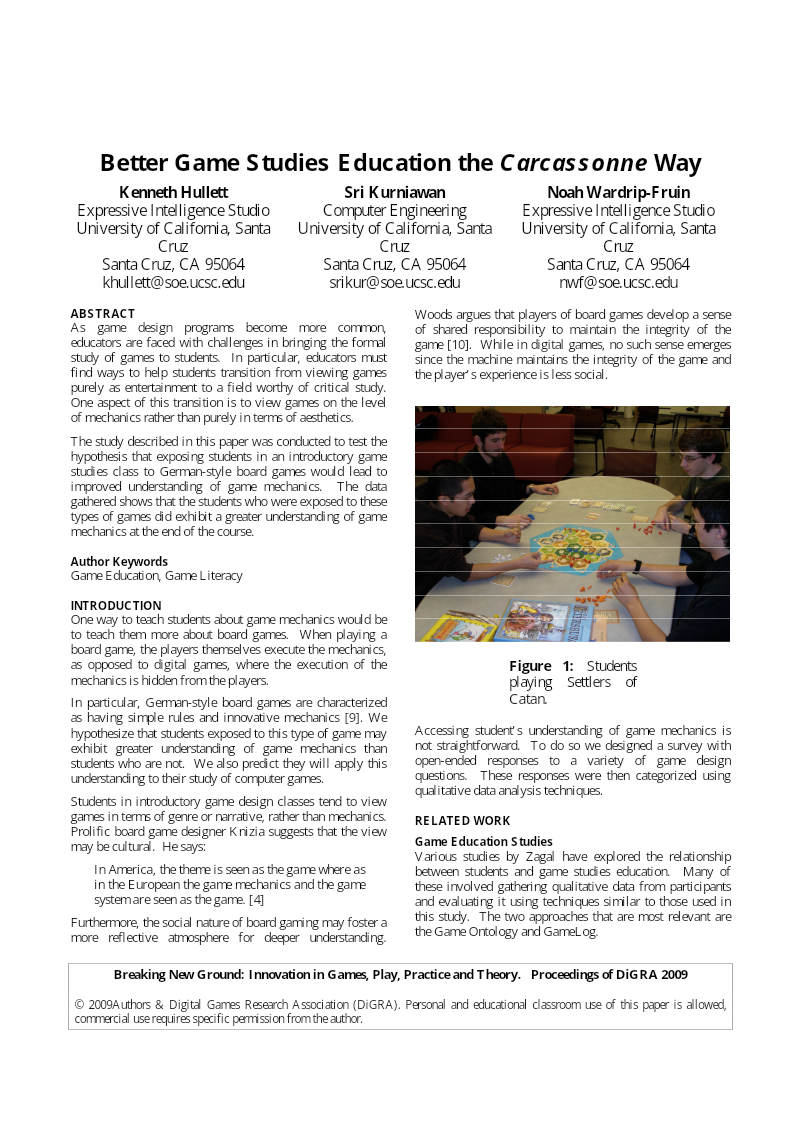
Better Game Studies Education the Carcassonne Way
This study examines whether exposing students in an introductory game studies course to German-style board games improves their understanding of game mechanics.
- A study of 68 introductory game studies students tested whether eight one-hour seminars playing German-style board games (Carcassonne, Settlers of Catan, Ticket to Ride) would shift students from genre, narrative, or aesthetic framings toward mechanics-centered analysis.
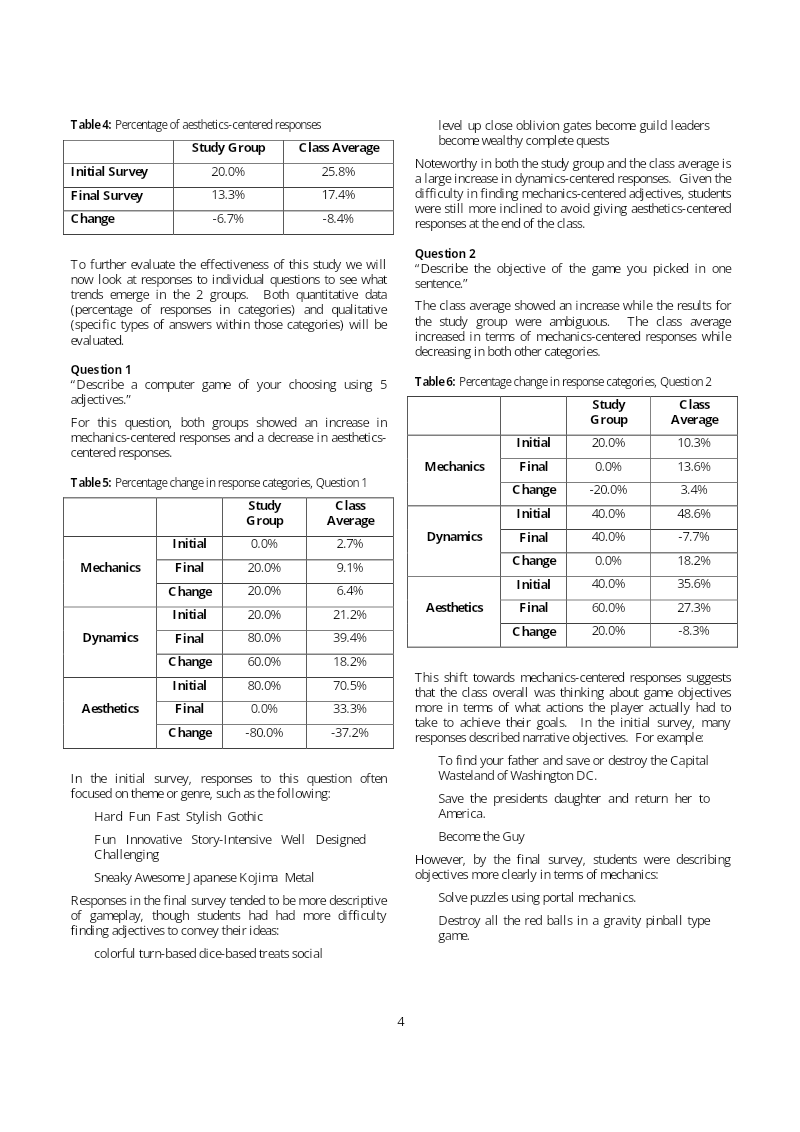
- The study group's share of mechanics-centered answers rose only modestly, from 40.0% to 43.3%, while the full class was nearly flat, moving from 30.6% to 31.1%.
- Question-level results were mixed, with some items shifting toward mechanics-centered responses and others moving the opposite way, and students often struggled with concepts such as player aids and abstracting a first-person shooter into a board game.
DiGRAJan 2009