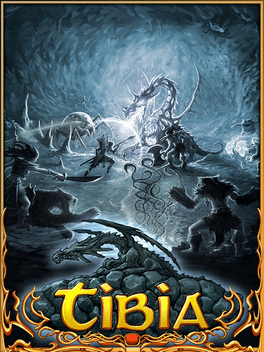
Tibia
GameBy CipSoft · Released Jan 9, 1997
Documents about Tibia

Naavik79 min
Hilmar Petursson on Building Games That Last Forever
The longevity of EVE Online, which has generated over $1 billion in revenue over 22 years, serves as a blueprint for creating persistent, player-driven digital universes.
- EVE Online has maintained a single, persistent universe for 22 years, generating over $1 billion in lifetime revenue and attracting 25 million players since its 2003 launch.
- CCP Games operates with a total staff of 400, with approximately 100 employees dedicated to EVE Online and a lean team of 50 focused on the new blockchain-powered spin-off, EVE Frontier.
- The studio utilizes unique operational KPIs to monitor game health, including tracking transactions per second on Microsoft SQL Server and real-time data on player deaths within the game's solar systems.
NaavikNov 2025
Jonas Tyroller9 min
Game Dev Recap: Should You Make an MMO?
Developing a Massively Multiplayer Online (MMO) game as an independent developer is a high-risk, high-reward endeavor that requires a fundamental shift in design philosophy.
- MMOs offer a path to consistent, predictable cash flow that breaks the cycle of constant funding rounds, as evidenced by CipSoft’s 'Tibia,' which has been operating since 1997 and currently generates $25 million in revenue with $10 million in profit.
- Persistent worlds are more resilient than session-based multiplayer games because they do not suffer from a 'death spiral' when player counts drop; the game remains playable for individuals even with a smaller active population.
- Developing an MMO requires a 'funnel-based' design mindset, where developers continuously test and optimize user acquisition, retention, and progression metrics—often through early advertising—long before the game is fully released.
Jonas TyrollerSep 2025
Jonas Tyroller145 min
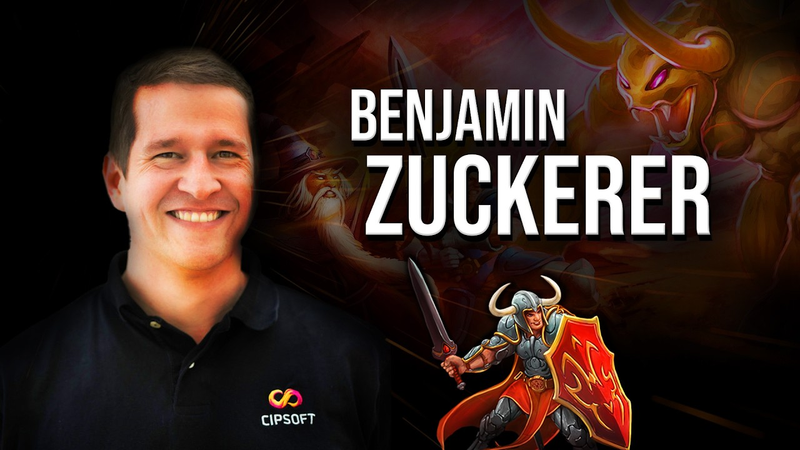
Make An Online Game That Lasts 30 Years
The longevity of online gaming services depends on a disciplined transition from hobbyist development to professional business operations, prioritizing long-term sustainability over short-term gains.
- Online service games offer superior long-term revenue stability compared to single-player titles, which typically experience a sharp decline in sales after the initial launch week.
- The free-to-play model allows developers to capture a wider range of player value by enabling high-engagement users to spend more than a fixed purchase price while still allowing lower-budget players to participate.
- Rigorous stage-gate processes, which require ideas to be evaluated and validated against defined criteria before proceeding, are essential to avoid wasting resources on features that lack player appeal.
Jonas TyrollerJul 2025