The Journey
Game
Documents about The Journey
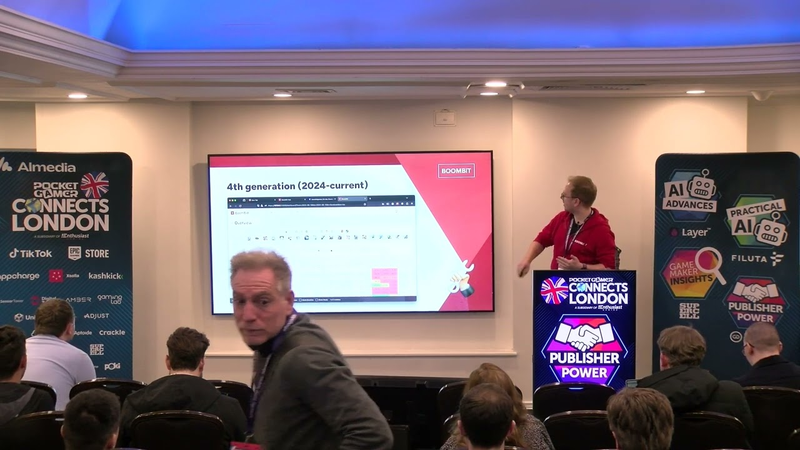
Session: From Chaos to Clarity: The Journey to Building a Money-Saving BI Tool - Kamil Kufel.
The development of internal business intelligence (BI) tools at Boombit serves as a strategic response to the fragmentation of revenue data across multiple advertising networks, mobile measurement partners (MMPs), and app stores.
- Boombit developed a proprietary BI platform to centralize fragmented data from over 50 advertising networks, MMPs, and app stores, establishing a single source of truth for net revenue.
- The custom BI solution reduced revenue discrepancies to approximately 1% by standardizing cohort calculations and accounting for taxes, store commissions, and network fees.
- The technical stack leverages Python (FastAPI/Celery), React, and Google Cloud Run to enable near-instantaneous data refreshes and automated anomaly detection.
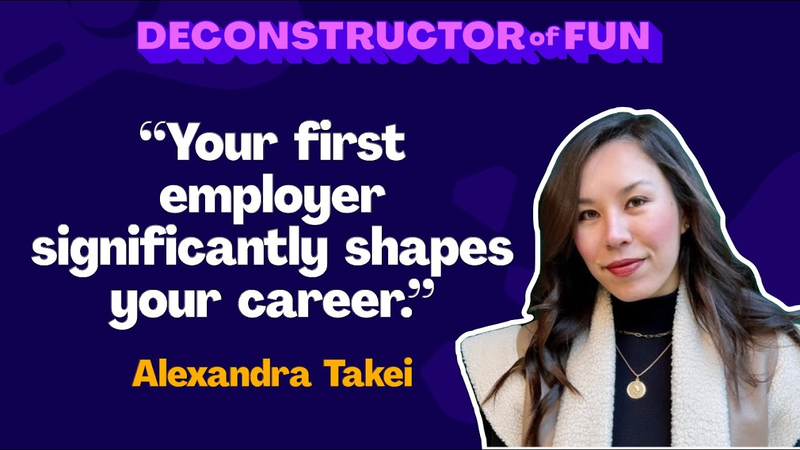
Breaking Barriers: The Journey of a Next-Gen Game Developer Alexandra Takei
Success in the modern gaming industry requires a synthesis of technical operational knowledge, proactive networking, and a willingness to embrace non-traditional career trajectories.
- Success in the modern gaming industry requires bridging the communication gap between creative teams and business stakeholders through shared analytical frameworks and mutual empathy.
- Career advancement is best achieved by prioritizing hands-on experience and 'effective labor hours' over conventional tenure, as demonstrated by Alexandra Takei’s diverse background in film, venture capital, and startup operations.
- Operational excellence in gaming necessitates a deep understanding of financial forensics and project lifecycles to manage the constraints that dictate project sustainability.
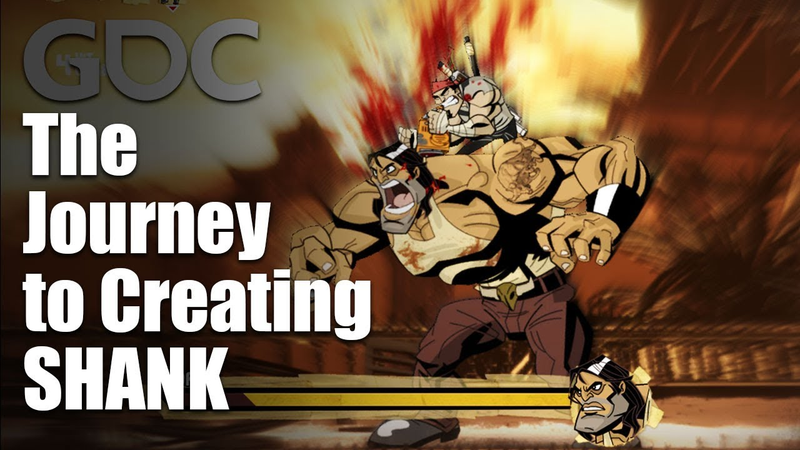
The Journey to Creating SHANK
The development of the action game Shank by Klei Entertainment serves as a case study in independent game production, navigating publisher relationships, and the transition to multi-platform releases.
- Klei Entertainment maintained creative control over Shank by self-funding the initial development, allowing them to present a nearly finished prototype to EA that was visually and mechanically identical to the final product.
- The studio rejected a previous publishing deal to maintain independence and protect the industry's ethical standards, opting instead for a more equitable partnership with EA.
- Development efficiency was high, with the core game concept prototyped in two months and the team working only three weekends throughout the nine-month production cycle due to robust internal tool development.

Primal Rage II from Heartbreak to Resurrection: The Journey After Cancellation
Primal Rage II represents a significant, albeit ill-fated, attempt by Atari Games to evolve the fighting game genre during the mid-1990s.
- Primal Rage II was a $2.3 million arcade project initiated on March 1, 1995, featuring a team of 20 developers and specialized stop-motion animation that ultimately led to its cancellation on December 5, 1996.
- The game's development was hindered by the high cost and time-intensive nature of stop-motion animation, which made character pre-visualization impossible and prevented the creation of a polished vertical slice.
- The project was effectively lost for nearly two decades due to the use of custom hardware and unorthodox graphics delivery methods that made standard emulation impossible until the game was discovered and leaked by fans.

The Journey to Becoming a Game Developer Begins!
The pursuit of solo game development and entrepreneurship serves as the primary focus for this initiative, which aims to document the transition from an aspiring creator to a professional developer.
- Solo game development requires a comprehensive lifecycle approach that integrates technical game design with the operational complexities of running a small business.
- The development process is best approached through iterative, real-time learning rather than relying solely on pre-existing industry expertise.
- Documenting failures and setbacks transparently serves as a practical tool for other developers to identify and bypass common professional pitfalls.
Companies behind it

As the documents state it.