
Strange Horticulture
GameBy Bad Viking · Released Jan 21, 2022
An occult puzzle game in which you play as the proprietor of a local plant store. Find and identify new plants, pet your cat, speak to a coven, or join a cult. Use your collection of powerful plants to influence the story and unravel Undermere’s dark mysteries.
Connections
Each row is a game or company named alongside Strange Horticulture, each column a document, oldest first. A mark means that document names it. Select a row to see those documents.
About the game
- Released
- Jan 21, 2022
- Developer
- Bad Viking
- Publisher
- Iceberg Interactive
- Genres
- Puzzle, Role-playing (RPG), Simulator, Adventure, Indie
- Platforms
- Xbox Series X|S, PlayStation 4, Android, PC (Microsoft Windows), iOS, Mac, Xbox One, Nintendo Switch
- Links
- Official site
Game data from IGDB.com
Strange Horticulture sales and key figures
Strange Antiquities achieved over 100,000 units sold by converting 68% of its player base from the predecessor, Strange Horticulture.
GameDiscoverCo, 2025 · When Sequels Work: How Strange Antiquities Hit 100k Sales
Strange Horticulture outperformed the industry median by 500% in its first week despite a modest pre-launch wishlist count of only 20,000.
GameDiscoverCo, 2024 · Deep Dive: Inside Strange Horticulture's Delightful Steam Success
Documents about Strange Horticulture
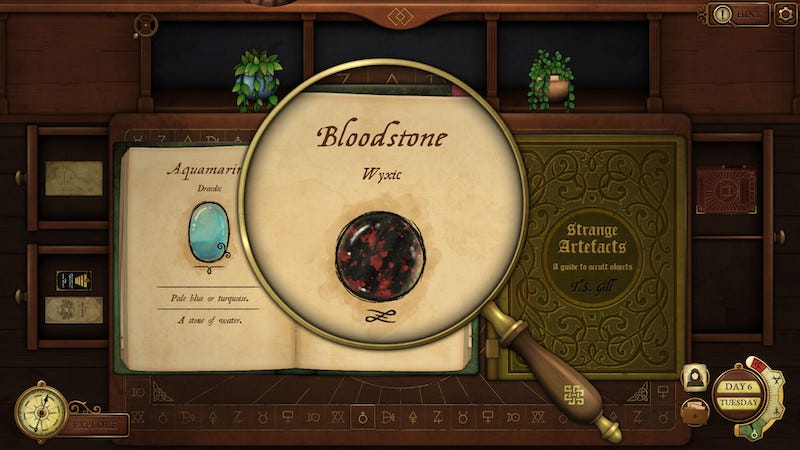
When Sequels Work: How Strange Antiquities Hit 100k Sales
The success of the occult puzzle game Strange Antiquities, which achieved over 100,000 units sold across Steam and Switch shortly after launch, serves as a case study for effective sequel development and franchise management.
- Strange Antiquities achieved over 100,000 units sold by converting 68% of its player base from the predecessor, Strange Horticulture.
- The title maintained high product quality with a 96% positive review rating on Steam, a 1.9% refund rate, and a median playtime exceeding seven hours.
- Platform performance skewed heavily toward PC, which accounted for 83% of total sales compared to 17% on the Nintendo Switch.
Deep Dive: Inside Strange Horticulture's Delightful Steam Success
The commercial success of the indie title Strange Horticulture serves as a primary case study for effective niche marketing and community engagement on Steam.
- Strange Horticulture outperformed the industry median by 500% in its first week despite a modest pre-launch wishlist count of only 20,000.
- The game maintains long-term commercial viability with a consistent sales floor of at least 300 units per day.
- Targeted community engagement in niche subreddits for houseplants and cartography proved more effective than broad-spectrum developer forum promotion.
Plus: Zenith's Surprising VR Steam Hit, Dying Light 2's Debut & More
This analysis examines the performance of PC and console titles during late January 2022, focusing on sales trends across Steam, Epic Games Store, Nintendo Switch, and Xbox.
- The VR MMO Zenith: The Last City achieved top-grossing status on Steam, highlighting a significant commercial breakout for the VR sector.
- Meta Quest 2 headsets account for 40% of the Steam VR user base, serving as a primary driver for VR platform engagement.
- Dying Light 2 entered its launch window with over two million Steam wishlists, cementing its position as a dominant AAA performer alongside Elden Ring and Total War: Warhammer III.
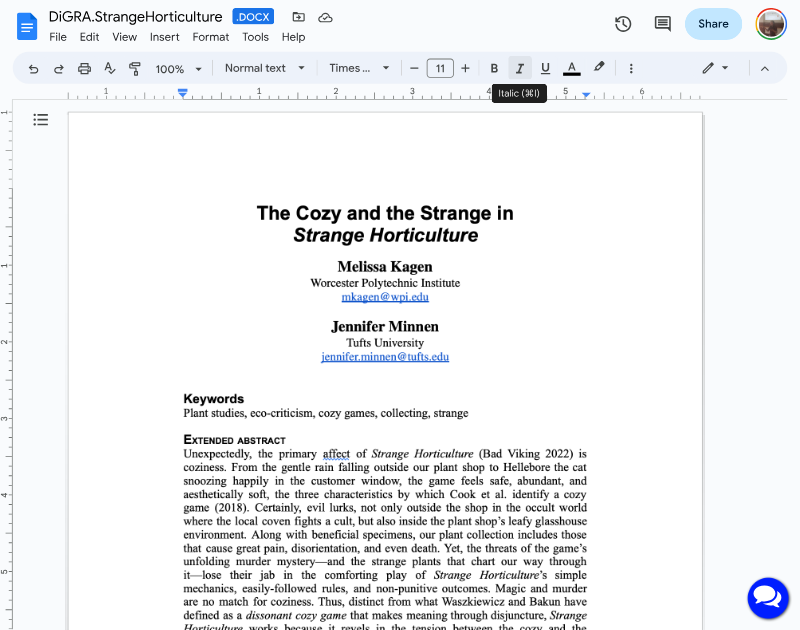
The Cozy and the Strange in Strange Horticulture
The document is an analytical paper by Melissa Kagen and Jennifer Minnen examining Strange Horticulture (Bad Viking, 2022), a plant-shop management game, and its unexpected combination of coziness and unsettling content.
- The paper's central thesis is that Strange Horticulture (Bad Viking, 2022) has coziness as its primary affect, even though it contains a murder mystery, occult cults, and plants that cause pain, disorientation, and death.
- The authors argue that simple mechanics, easily followed rules, and non-punitive outcomes blunt the menace of the game's unsettling elements, letting the strange be domesticated into comfortable play.
- The analysis situates the game within plant studies, eco-criticism, and cozy game scholarship, using the framework Cook et al. (2018) proposed for identifying cozy games.