ArticleGameDiscoverCo
When Sequels Work: How Strange Antiquities Hit 100k Sales
12 Dec 20251 page~8 min full read
Key insights
5 slides
Key number
Strange Antiquities achieved over 100,000 units sold shortly after launch.
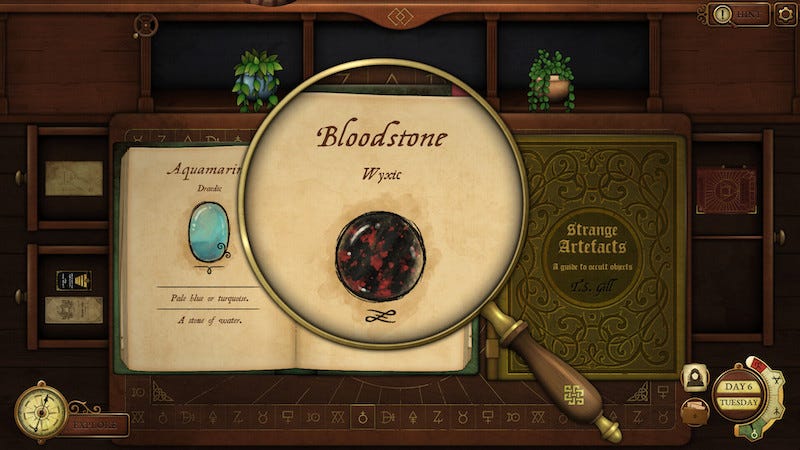
The occult puzzle game sold over 100,000 units across Steam and Switch. Approximately 68% of its owners previously played its predecessor, Strange Horticulture.
Platform split
Platform performance skewed heavily toward PC with an 83% to 17% sales ratio.
PC accounted for 83% of total sales compared to 17% on the Nintendo Switch. The original game saw a more balanced platform split.
Sequel design
The sequel retained the core gameplay loop while deepening atmospheric themes.
Developers maintained the core 'find 'em up' gameplay loop. They expanded upon the atmospheric 'dark academia' and occult themes that resonated with a gender-diverse player base.
Marketing mix
Marketing effectiveness was driven by influencer outreach and short-form video content.
Strategic influencer outreach and short-form video content bolstered marketing efforts.
Marketing drivers. Marketing effectiveness was driven by strategic influencer outreach, short-form video content, and post-launch franchise bundles.
Market gap
Niche, atmospheric genres remain under-served, offering growth potential for developers.
The broader industry context suggests that niche, atmospheric genres remain under-served. This provides significant opportunities for developers who can cultivate organic interest through community-driven platforms.
1 / 5
Ask AI about this report