
Monster Train
GameBy Shiny Shoe · Released May 21, 2020
Documents about Monster Train

Design Club: Shroom and Gloom!
Shroom and Gloom represents a significant evolution in the roguelike deckbuilder genre by subverting established conventions popularized by titles like Slay the Spire.
- Shroom and Gloom utilizes a dual-deck system that separates combat cards from exploration and survival cards, creating a strategic interplay between the two mechanics.
- The game replaces traditional block mechanics with a health-management system where healing is tied to specific kill conditions, such as 'if fatal' effects, forcing players to plan turns around securing specific eliminations.
- The game features 'evolving' cards that become more powerful after being lodged in an enemy and returned to the player's hand upon the enemy's death.
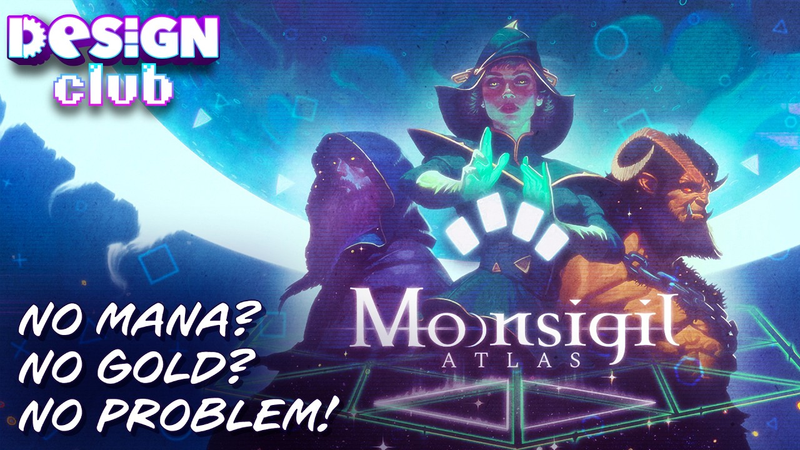
Exploring A New Kind of Roguelite: Moonsigil Atlas | Design Club
The roguelite deckbuilder genre has reached a point of saturation following the success of titles like Slay the Spire, leading developers to seek innovation by moving away from traditional mana-based economies and linear resource management.
- Moonsigil Atlas differentiates itself from the saturated roguelite deckbuilder market by replacing traditional mana-based economies with a spatial, grid-based combat system.
- The core gameplay requires players to physically place and rotate cards on a board, shifting the strategic focus from damage output to geometry and tactical positioning.
- Players manage board presence through unique mechanics like sigils for ongoing effects, defensive wards for damage mitigation, and Eternal cards that remain on the board.
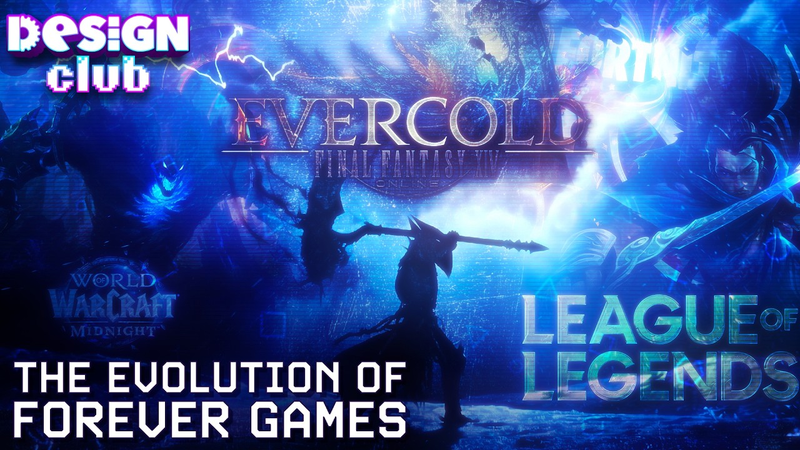
The Evolution of Forever Games | Design Club
Lifestyle games, often categorized as forever games, function as a player’s primary hobby by providing effectively unlimited, repeatable content that transcends the finite nature of traditional narrative-driven titles.
- Long-term viability for 'forever games' requires prioritizing technical debt, such as engine modernization and server architecture upgrades, over purely cosmetic content updates.
- To prevent player burnout and accommodate aging demographics, developers must transition from rigid daily requirements to flexible weekly progression systems.
- Successful live-service titles mitigate onboarding barriers for new players by implementing level-syncing and accelerated progression paths that allow them to integrate with veteran communities.
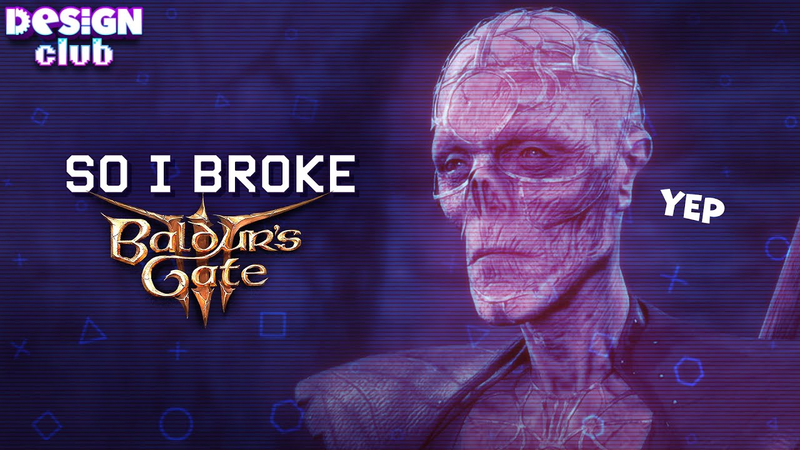
Difficulty, Complexity, and the Single Player Experience | Design Club
The design of modern single-player role-playing games, particularly those rooted in complex tabletop systems like Dungeons & Dragons, centers on the tension between mechanical balance and player agency.
- Modern RPGs like Baldur’s Gate 3 treat complexity as a player-controlled lever rather than a rigid difficulty curve, allowing users to master systems to create overpowered builds.
- Developers prioritize player agency by accepting that allowing users to 'break' the game through deep engagement and optimization is a deliberate trade-off that enhances the sense of discovery.
- Balancing complex systems requires careful management of the action economy, resource expenditure, and recovery mechanics to maintain combat pacing without relying on artificial gating like boss armor.
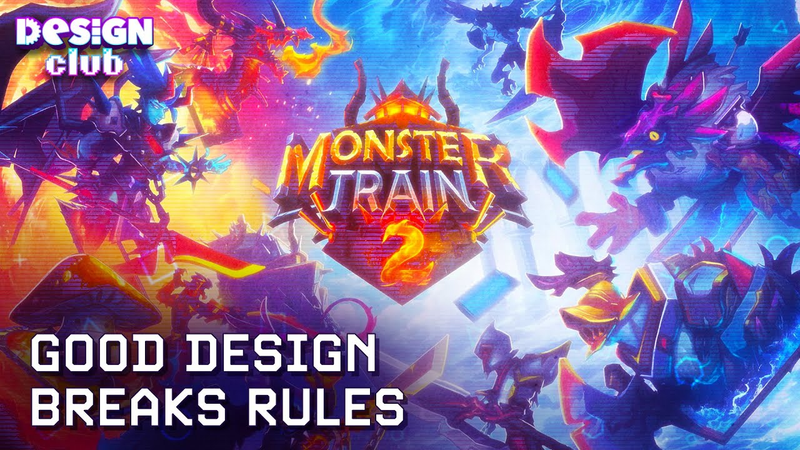
Why Breaking Conventions Makes Better Games | Design Club Live
Intentional subversion of established design conventions serves as a critical catalyst for innovation, allowing developers to differentiate their titles and deepen player engagement.
- Breaking established game conventions is a powerful design tool to prevent repetition, particularly in roguelikes where players must engage with the same core loop over many runs.
- Effective rule-breaking often involves creating specialized mechanics for specific character classes or factions, such as Monster Train's 'Luna' clan which uniquely manipulates even and odd turn cycles.
- Designers must distinguish between 'specialization' (e.g., a specific character having unique movement abilities) and true 'rule-breaking' (e.g., fundamentally altering game-wide resource or turn-order mechanics).