Missile Command
Game
3 documents in the library are about Missile Command, from writers such as DiGRA, Extra Credits and Game File. Each has a summary and key insights with the page they come from.
Connections
Each row is a game or company named alongside Missile Command, each column a document, oldest first. A mark means that document names it. Select a row to see those documents.
Documents about Missile Command
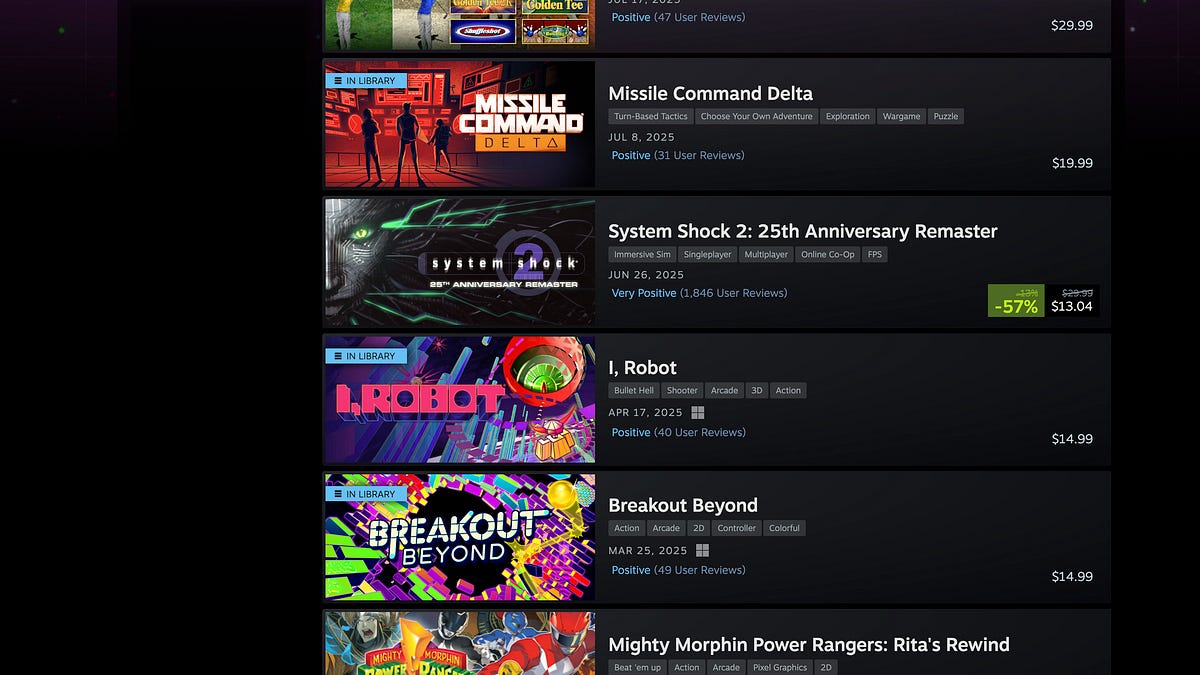
“That Was a Very Frank Interview.” A 61-Game Chat With the CEO of Atari
Telling the story of the last five years of Atari, one game at a time.
- Since taking charge in 2021, CEO Wade Rosen has overseen a prolific output at Atari, publishing 61 games at a cadence of nearly one release per month.
- Atari’s recent portfolio strategy has been characterized by a mix of high-performing titles, such as the 'Atari 50' retro collection, and underperforming projects like 'Atari Mania'.
- The company maintains a pragmatic approach to development, occasionally allowing teams to proceed with projects that are not expected to be significant commercial successes.
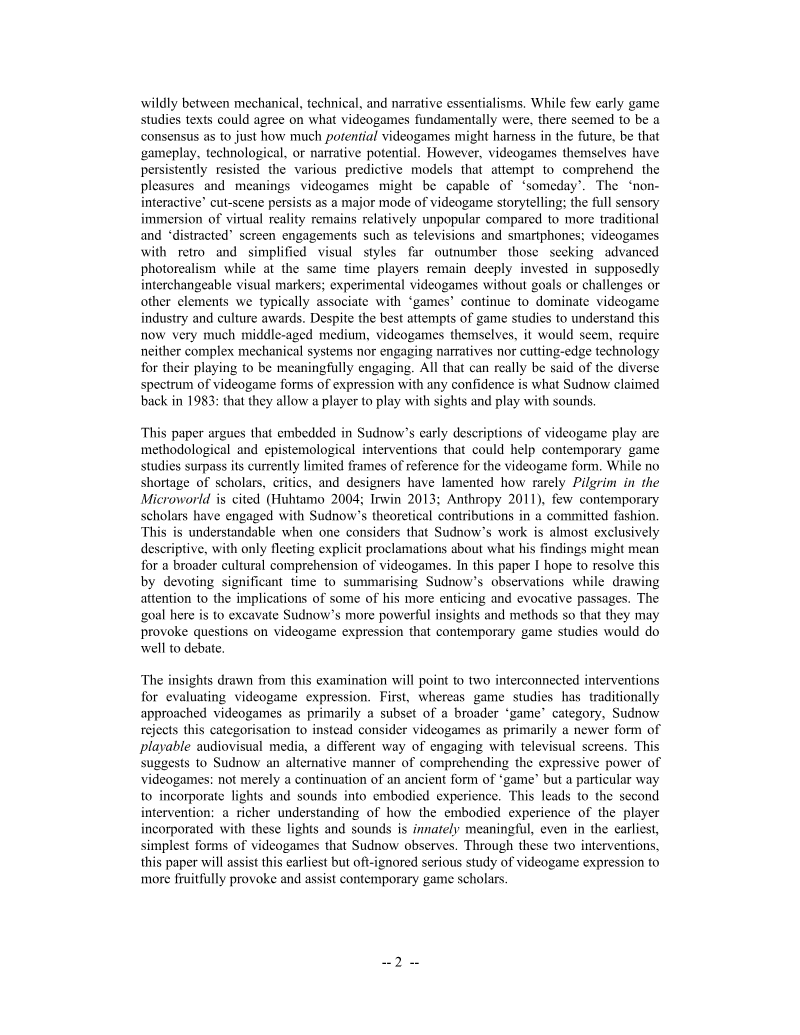
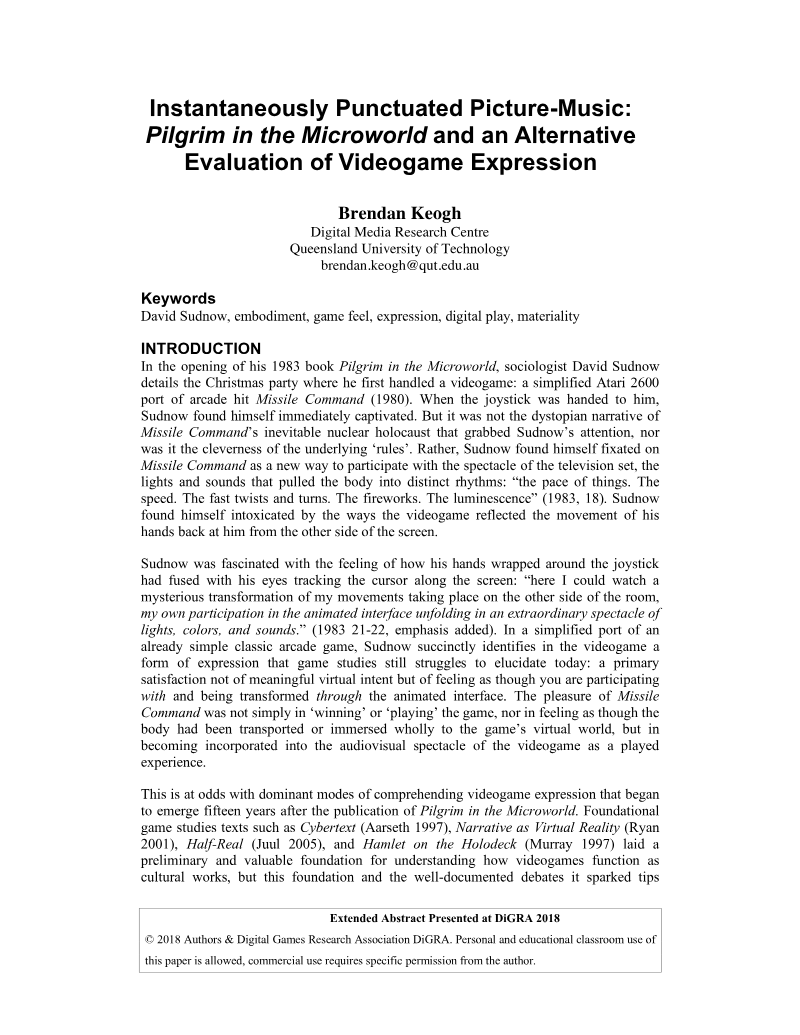
Instantaneously Punctuated Picture-Music: Pilgrim in the Microworld and an Alternative Evaluation of Videogame Expression
The document, an extended abstract presented at DiGRA 2018, proposes an alternative framework for evaluating videogame expression, drawing primarily from David Sudnow's 1983 book, Pilgrim in the Microworld.
- The paper argues David Sudnow's 1983 book Pilgrim in the Microworld, about playing a simplified Atari 2600 port of Missile Command, offers a better framework for evaluating videogame expression than the dominant game studies models that emerged about fifteen years later.
- Sudnow located the core pleasure of videogames not in winning, narrative immersion, or sophisticated rules, but in becoming incorporated into an audiovisual spectacle where the player's bodily movements are reflected back as rhythmic lights and sounds.
- The author identifies a persistent tension in early game studies between mechanical, technical, and narrative essentialisms, and notes that videogames have repeatedly resisted the predictive models scholars built around them.
Narrative Mechanics - How Missile Command Tells a Story - Extra Credits
The arcade game Missile Command serves as a primary case study for how game mechanics can function as a sophisticated narrative tool, moving beyond traditional storytelling to evoke complex moral and emotional responses.
- Game mechanics can function as a primary narrative tool to evoke complex moral and emotional responses, proving that play itself can serve as an independent art form.
- Missile Command forces players into a reactionary role, shifting the focus from traditional gaming tropes of power and conquest to themes of vulnerability and duty.
- The game’s design uses resource scarcity to compel players to make high-stakes, real-time moral calculations, such as choosing which of the six cities to protect.