
Into the Breach
GameBy Subset Games · Released Feb 27, 2018
Documents about Into the Breach

Extra Credits55 min
The Discovery Problem | Design Club
The primary challenge for independent game developers in the current digital landscape is navigating the discovery problem, which remains a manageable hurdle for those targeting the dedicated Steam audience.
- The primary driver of game discovery is the ability for players to immediately identify a game's genre and hook from its store page, as shoppers make rapid decisions based on visual clarity.
- Steam's algorithm prioritizes games based on opportunity cost, meaning even highly-rated games may struggle for visibility if they fail to convert impressions into sales compared to other available titles.
- Steam's discovery queue is effective because it targets 'tastemakers'—highly engaged players who act as gatekeepers; if these users engage with a title, they often drive organic growth through word-of-mouth recommendations.
Extra CreditsMay 2026
Game Developers Conference60 min
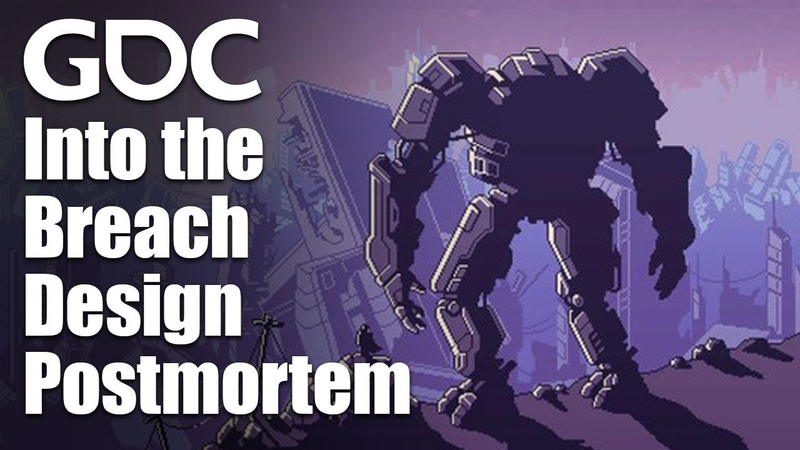
Into the Breach Design Postmortem
The development of Into the Breach demonstrates the efficacy of a minimalist design philosophy, where the prioritization of core gameplay mechanics over technical or narrative complexity leads to a more cohesive experience.
- The core design philosophy of Into the Breach centered on 'telegraphed attacks,' where all enemy intentions are visible to the player, removing hit/miss chance to create a deterministic, puzzle-like combat experience.
- Subset Games prioritized 'collateral damage' as a central theme, shifting the player's focus from unit survival to defending immovable buildings, which serve as the primary fail-state condition.
- To maintain player hope in a deterministic system, the developers included a 'grid defense' mechanic—a low-percentage chance for buildings to resist damage—which acts as a necessary 'ugly pillar' to prevent the game from feeling unsolvable.
Game Developers ConferenceApr 2019