
FTL: Faster Than Light
GameBy Subset Games · Released Sep 14, 2012
FTL: Faster Than Light is a single-player strategy game with roguelike design. The player commands a spaceship from a top-down view, managing systems such as weapons, engines, shields, and life support while recruiting crew and upgrading the vessel.
Connections
Each row is a game or company named alongside FTL: Faster Than Light, each column a document, oldest first. A mark means that document names it. Select a row to see those documents.
About the game
- Released
- Sep 14, 2012
- Developer
- Subset Games
- Genres
- Role-playing (RPG), Simulator, Strategy, Indie
- Platforms
- Linux, PC (Microsoft Windows), iOS, Mac
- Links
- Official site, Wikipedia
Game data from IGDB.com
Documents about FTL: Faster Than Light
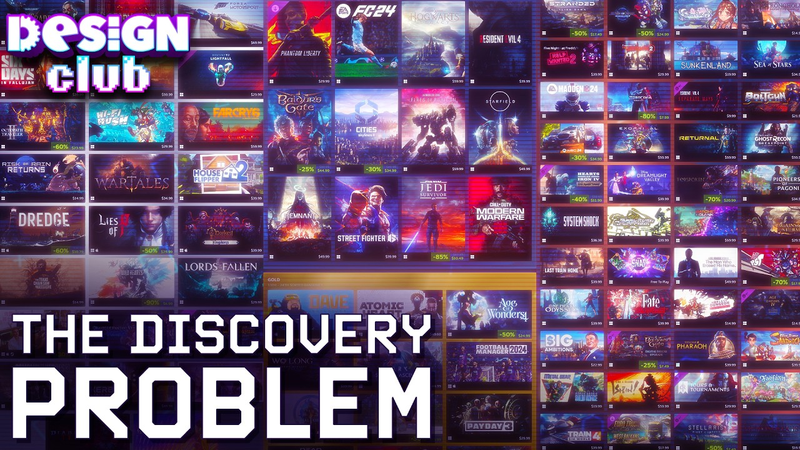
The Discovery Problem | Design Club
The primary challenge for independent game developers in the current digital landscape is navigating the discovery problem, which remains a manageable hurdle for those targeting the dedicated Steam audience.
- The primary driver of game discovery is the ability for players to immediately identify a game's genre and hook from its store page, as shoppers make rapid decisions based on visual clarity.
- Steam's algorithm prioritizes games based on opportunity cost, meaning even highly-rated games may struggle for visibility if they fail to convert impressions into sales compared to other available titles.
- Steam's discovery queue is effective because it targets 'tastemakers'—highly engaged players who act as gatekeepers; if these users engage with a title, they often drive organic growth through word-of-mouth recommendations.
Roguelike Genre Exploration, Run 2!
The roguelike genre has evolved from a niche, punishing category into a pervasive design framework that influences modern gaming across diverse segments, including card games, shooters, and MMOs.
- The primary distinction between 'roguelikes' and 'roguelites' is meta-progression: roguelites feature persistent character upgrades or starting-state power increases across runs, whereas roguelikes require players to improve solely through increased game knowledge and skill.
- Core elements of the roguelike genre include short run durations (typically 30 minutes to two hours) and an expectation of frequent, repeated loss conditions that force the player to restart.
- Roguelike mechanics are increasingly viewed as a 'tag' or feature set—similar to RPG progression—rather than a rigid genre, as they are now applied across diverse formats including brawlers, shooters, and card games.
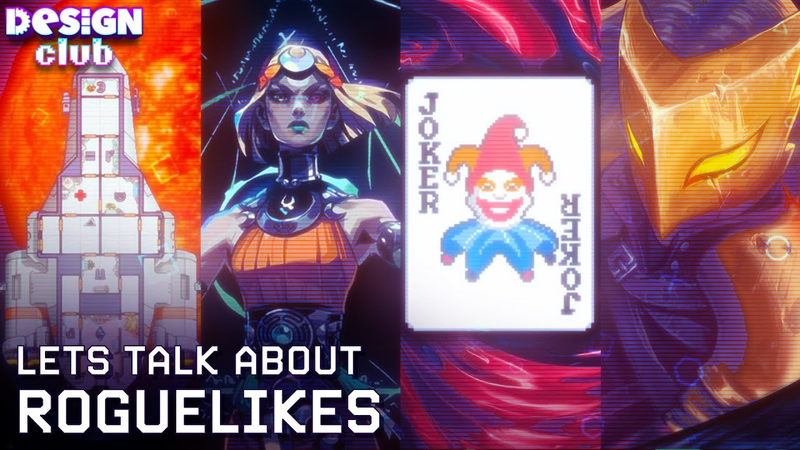
Roguelike Genre Exploration | Design Club
The roguelike genre has evolved from its rigid, turn-based origins into a versatile design framework that now permeates the broader gaming landscape.
- The roguelike label functions more as a set of design tags than a rigid genre, encompassing diverse titles ranging from deck-builders like Slay the Spire to action games like Hades.
- A core defining element of the roguelike experience is procedural alteration, ensuring that every individual run is unique through randomized seeds and encounters.
- Player loadouts—the tools, decks, or characters available at the start of a run—are essential to the roguelike structure, often allowing for strategic variety without necessarily increasing raw character power.
How Much Game Can You Fit in 2.7 Inches?
The Playdate handheld console serves as a case study for the creative potential of hardware limitations in an industry otherwise dominated by trends toward larger budgets and expansive scale.
- The Playdate ecosystem has reached over 70,000 units sold with more than 250 software releases, resulting in over $1 million in total payouts to developers.
- Hardware constraints, specifically the 2.7-inch 400x240 black-and-white screen and unique crank input, force developers to prioritize design focus and technical optimization over expansive scale.
- Developers from studios like Subset Games and Scenic Route Software report that the platform's niche user base simplifies testing and enables a more intimate, efficient development process compared to multi-platform projects.
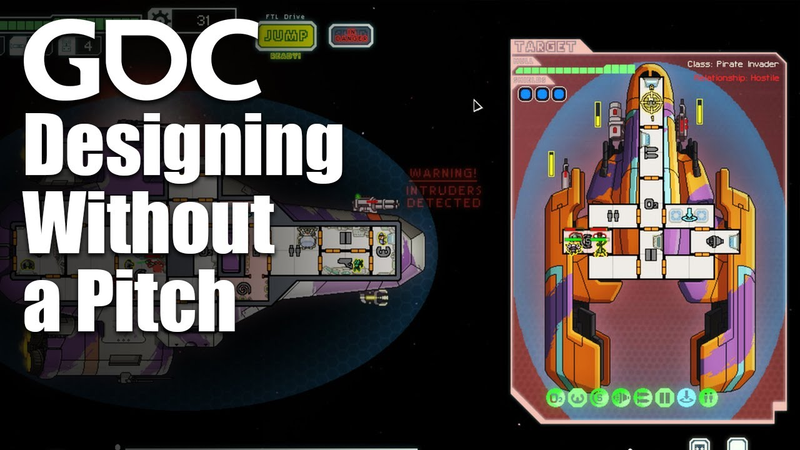
'FTL: Faster Than Light' Postmortem: Designing Without a Pitch
The development of FTL: Faster Than Light demonstrates the efficacy of prioritizing a singular, cohesive player experience over rigid design documentation or feature-heavy pitches.
- Prioritize a singular, cohesive gameplay loop—such as the tactical ship management in FTL—over rigid documentation or feature-heavy pitches to ensure a focused player experience.
- Maintain design integrity by selectively rejecting popular community feature requests that threaten gameplay balance, as demonstrated by the team's resistance to feature bloat despite pressure from 10,000 Kickstarter backers.
- Utilize large-scale beta testing to validate design direction; a 3,000-player beta confirmed that users prioritized tactical depth and difficulty over visual polish or extraneous content.