
FTL: Faster Than Light
GameBy Subset Games · Released Sep 14, 2012
Documents about FTL: Faster Than Light
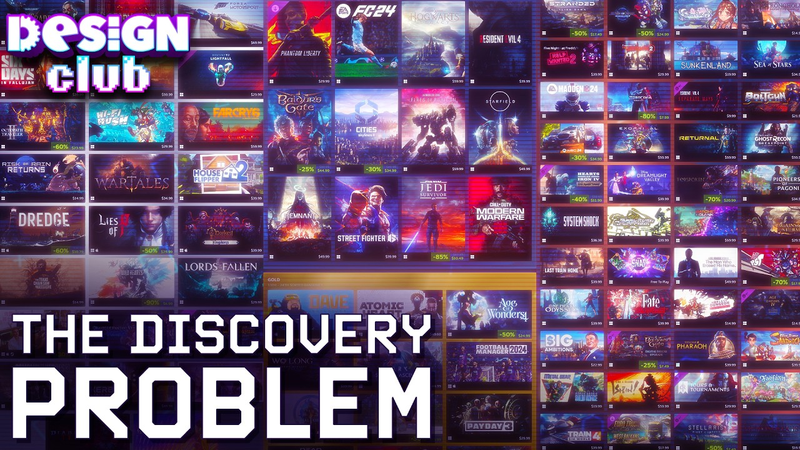
The Discovery Problem | Design Club
The primary challenge for independent game developers in the current digital landscape is navigating the discovery problem, which remains a manageable hurdle for those targeting the dedicated Steam audience.
- The primary driver of game discovery is the ability for players to immediately identify a game's genre and hook from its store page, as shoppers make rapid decisions based on visual clarity.
- Steam's algorithm prioritizes games based on opportunity cost, meaning even highly-rated games may struggle for visibility if they fail to convert impressions into sales compared to other available titles.
- Steam's discovery queue is effective because it targets 'tastemakers'—highly engaged players who act as gatekeepers; if these users engage with a title, they often drive organic growth through word-of-mouth recommendations.
Roguelike Genre Exploration, Run 2!
The roguelike genre has evolved from a niche, punishing category into a pervasive design framework that influences modern gaming across diverse segments, including card games, shooters, and MMOs.
- The primary distinction between 'roguelikes' and 'roguelites' is meta-progression: roguelites feature persistent character upgrades or starting-state power increases across runs, whereas roguelikes require players to improve solely through increased game knowledge and skill.
- Core elements of the roguelike genre include short run durations (typically 30 minutes to two hours) and an expectation of frequent, repeated loss conditions that force the player to restart.
- Roguelike mechanics are increasingly viewed as a 'tag' or feature set—similar to RPG progression—rather than a rigid genre, as they are now applied across diverse formats including brawlers, shooters, and card games.
Roguelike Genre Exploration | Design Club
The roguelike genre has evolved from its rigid, turn-based origins into a versatile design framework that now permeates the broader gaming landscape.
- The roguelike label functions more as a set of design tags than a rigid genre, encompassing diverse titles ranging from deck-builders like Slay the Spire to action games like Hades.
- A core defining element of the roguelike experience is procedural alteration, ensuring that every individual run is unique through randomized seeds and encounters.
- Player loadouts—the tools, decks, or characters available at the start of a run—are essential to the roguelike structure, often allowing for strategic variety without necessarily increasing raw character power.
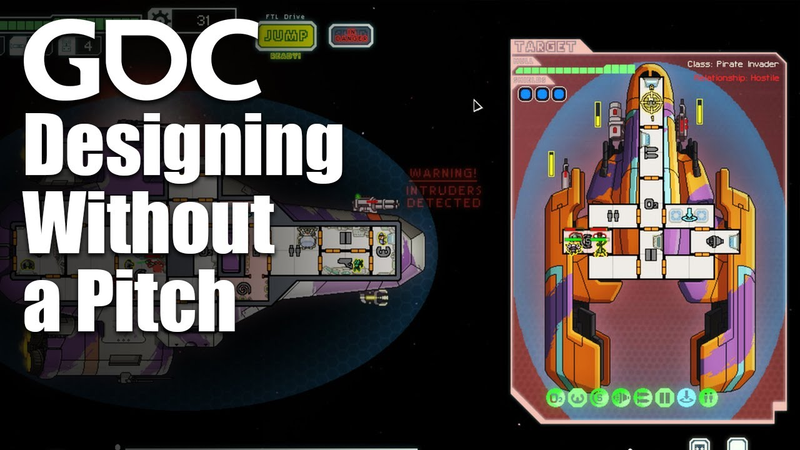
'FTL: Faster Than Light' Postmortem: Designing Without a Pitch
The development of FTL: Faster Than Light demonstrates the efficacy of prioritizing a singular, cohesive player experience over rigid design documentation or feature-heavy pitches.
- Prioritize a singular, cohesive gameplay loop—such as the tactical ship management in FTL—over rigid documentation or feature-heavy pitches to ensure a focused player experience.
- Maintain design integrity by selectively rejecting popular community feature requests that threaten gameplay balance, as demonstrated by the team's resistance to feature bloat despite pressure from 10,000 Kickstarter backers.
- Utilize large-scale beta testing to validate design direction; a 3,000-player beta confirmed that users prioritized tactical depth and difficulty over visual polish or extraneous content.