
Cookie Run
GameBy Devsisters · Released Apr 2, 2013
Documents about Cookie Run

Deconstructor of Fun72 min
TWIG #377: Epic for Sale, Unity Cuts Deep, and Merge Keeps Printing
The video game industry currently faces a period of intense structural realignment, characterized by a shift away from speculative hardware and niche genres toward proven, high-margin monetization models.
- The gaming industry is shifting from speculative hardware and niche genres toward high-margin, data-driven monetization models as companies prioritize risk mitigation.
- Mobile gaming success is increasingly dominated by the 'merge-two' genre, with titles like Gossip Harbor leveraging slot-style economics and card-collection mechanics to monetize player impatience.
- Unity is undergoing a strategic retrenchment, divesting from underperforming ad networks to focus on its core engine business, though analysts remain skeptical of its ability to compete with market leaders.
Deconstructor of FunApr 2026
PocketGamer.biz21 min
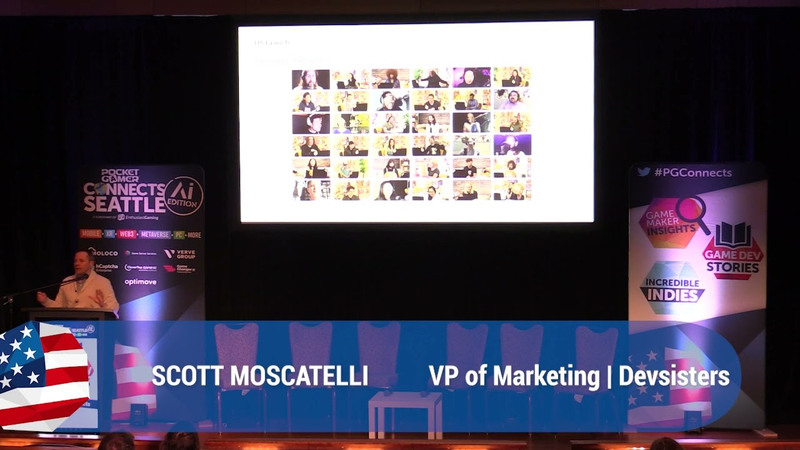
Session: 'Crossing the Pacific' Lessons Learned - Scott Moscatelli, Devsisters
The presentation examines the strategic challenges and successes associated with launching the mobile game Cookie Run: Kingdom in the United States, contrasting this effort with its initial release in the South Korean market.
- Launching a game in a new international market requires a shift from efficient user acquisition (UA) to brand-building when the IP lacks existing local awareness, as evidenced by the initial failure of UA-only campaigns for Cookie Run Kingdom in the US.
- Successful market entry depends on deep localization and community listening; Devsisters achieved this in the US by aligning their voiceover casting with Gen Z values regarding diversity, inclusion, and representation.
- Strategic partnerships with established brands, such as the collaboration with Sonic and Sega, can provide immediate legitimacy and signal strong investment to new audiences in competitive markets.
PocketGamer.bizJun 2023