Back to the Future
Game
2 documents in the library are about Back to the Future, from writers such as G|A|M|E – The Italian Journal of Game Studies and The Game Business. Each has a summary and key insights with the page they come from.
Connections
Each row is a game or company named alongside Back to the Future, each column a document, oldest first. A mark means that document names it. Select a row to see those documents.
Documents about Back to the Future
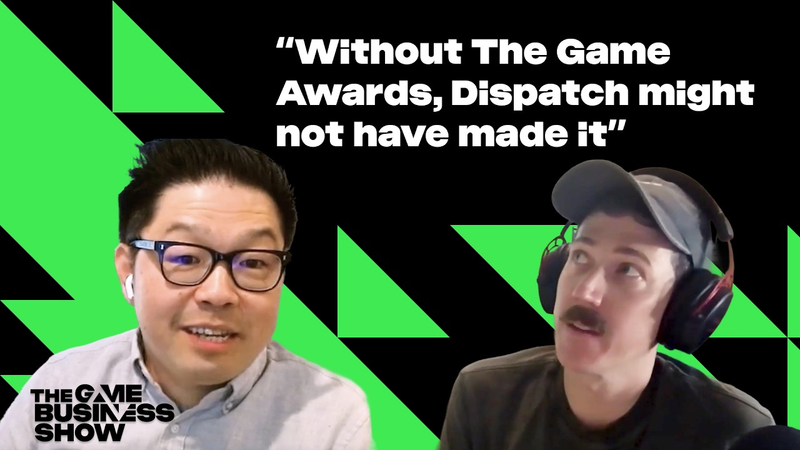
Interview with Dispatch developer: We were told comedy games don't sell
The interactive narrative game Dispatch serves as a compelling case study in challenging industry orthodoxy regarding the commercial viability of comedy and narrative-driven titles.
- Dispatch achieved commercial and critical success with over four million sales and nine BAFTA nominations, despite industry skepticism regarding the viability of comedy-focused narrative games.
- The studio successfully utilized an episodic release model to maintain high player engagement and completion rates throughout the product's lifecycle.
- After losing an initial publishing partner, the studio pivoted to self-publishing, using a high-impact trailer at The Game Awards to secure investor confidence and retain creative control.
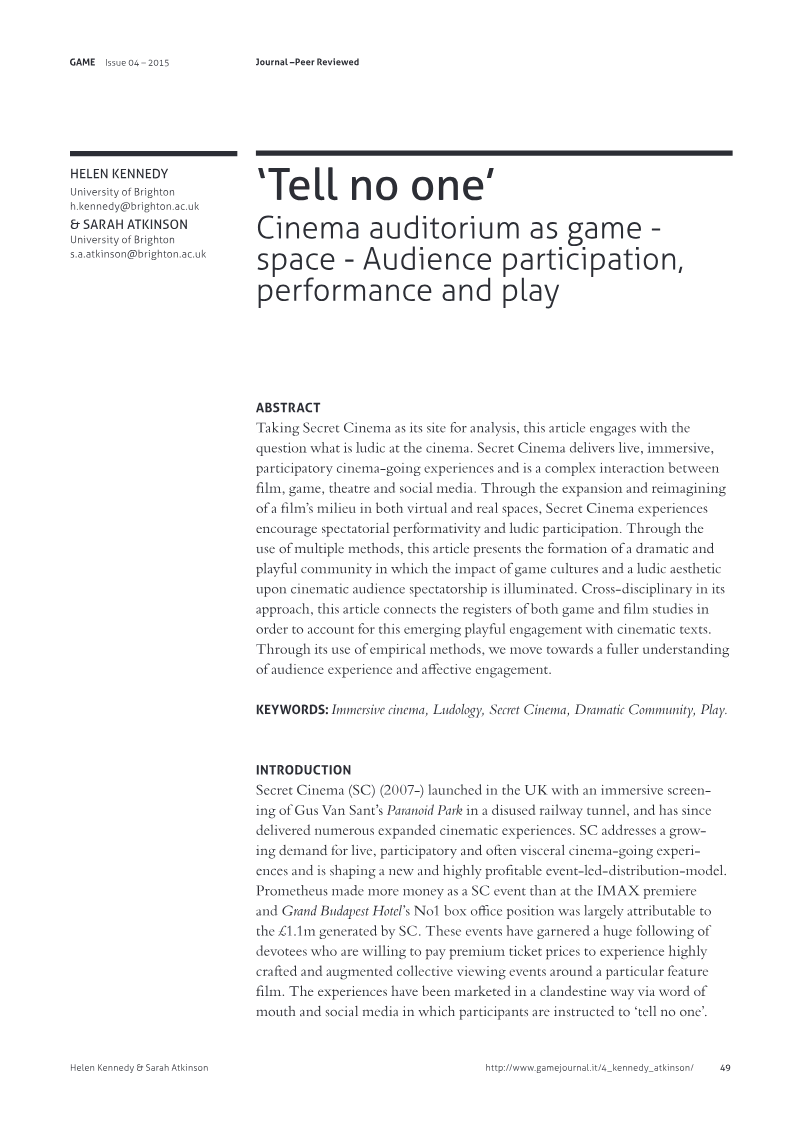
'Tell No One': Cinema Auditorium as Game-Space: Audience Participation, Performance and Play
Kennedy and Atkinson's 2015 study examines Secret Cinema's immersive staging of Back to the Future as a hybrid form that combines film, game, and theatre.
- The study frames Secret Cinema's immersive staging of Back to the Future as a hybrid of film, game, and theatre in which audiences actively perform within the film rather than simply watch it.
- Based on participant observation and pre- and post-event questionnaires with 70 participants, the authors find the experience is shaped as much by play as by viewing.
- Pre-event in-fiction websites, assigned identities, and costume instructions, combined with on-site navigation of a recreated Hill Valley, encouraged roleplay and cosplay-like behaviour, with participants describing the experience as "live" and "in character."
Companies behind it

As the documents state it.