
Azur Lane
GameBy Xiamen Yongshi · Released May 25, 2017
Azur Lane is a side-scrolling shoot 'em up video game created by Chinese developers Shanghai Manjuu and Xiamen Yongshi, released in 2017 for the iOS and Android operating systems.
Connections
Each row is a game or company named alongside Azur Lane, each column a document, oldest first. A mark means that document names it. Select a row to see those documents.
About the game
- Released
- May 25, 2017
- Developers
- Xiamen Yongshi, Shanghai Manjuu
- Publisher
- Yostar Games
- Genres
- Shooter, Role-playing (RPG), Simulator, Strategy, Tactical, Adventure, Visual Novel
- Platforms
- Android, iOS
- Links
- Official site, Wikipedia
Game data from IGDB.com
Documents about Azur Lane



No Room in the Infinite for the Masculine and Queer: How Do Dress-Up Pleasures in Infinity Nikki Collide with Player Desire and Queer/Masculine Fashion?
Infinity Nikki, a Chinese-developed open-world action game with extensive dress-up customisation and gacha monetisation, is examined here as a case study in how its fashion systems shape player pleasure and gender representation.
- The paper's central finding is that Infinity Nikki's fashion pleasures are aesthetically limited, skewing overwhelmingly toward cute, comfort-focused, and ballgown-style feminine outfits, while masculine and queer styles are largely absent.
- The authors describe the absence of butch, tomboy, androgynous, ouji, drag king, Takarazuka, and British pantomime styles as a "misappearance" of masculine and queer expression, with the developer providing little explicit support for them.
- Players improvise masculine and boyish looks with available tools and read queer themes into the narrative, but the game itself offers limited structural support for these identities.
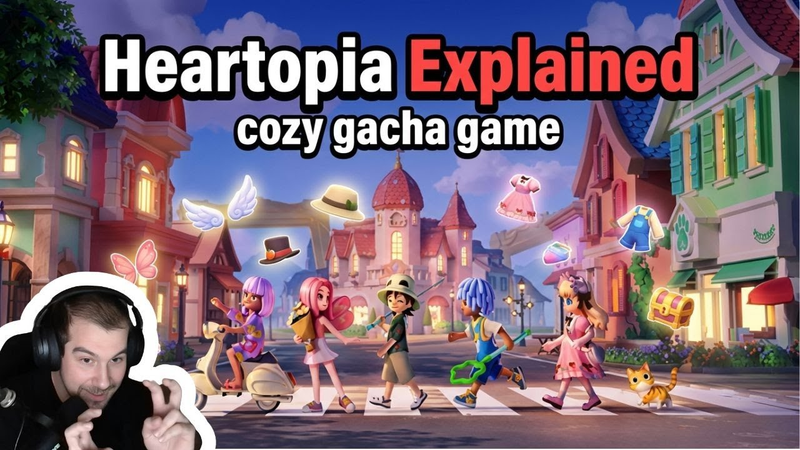
New genre leader in cozy games by Jakub Remiar
Heartopia has emerged as a significant leader in the cozy, avatar-life simulation genre, demonstrating strong market performance shortly after its January launch.
- Heartopia, a mobile avatar-life simulation game launched in January, currently generates over $200,000 in daily revenue with hundreds of thousands of daily downloads.
- The game’s monetization is driven entirely by cosmetic-only gacha systems for clothing and furniture, avoiding gameplay-affecting mechanics or competitive stats.
- Market success is heavily concentrated in Asia, led by Japan, followed by the United States, Taiwan, South Korea, and Thailand.
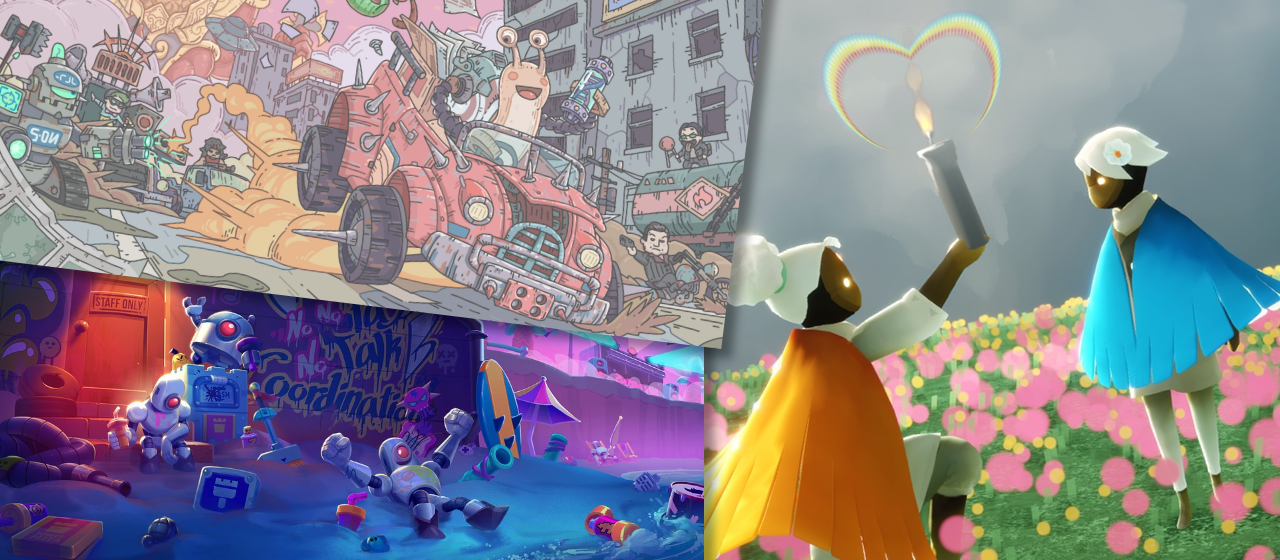
Charity Effort Through Mobile Gaming: 5 Examples of Games Giving Back
Mobile game developers are increasingly integrating charitable initiatives into their live operations to engage players and support global causes.
- Mobile game developers are increasingly using limited-time in-app purchase (IAP) offers for cosmetic items to raise funds and awareness for charitable causes.
- Sky: Children of the Light raised over $1 million for Doctors Without Borders in May 2020 and helped plant 40,000 trees through a reforestation partnership with One Tree Planted.
- Supercell supported Australian wildfire relief efforts by donating 100% of the net proceeds from 'Koala Nita' skin sales in Brawl Stars through March 2020.