Astro Bot
Game
Documents about Astro Bot

Marathon, Mayhem, and the State of AAA | 363
The contemporary AAA gaming landscape is undergoing a profound crisis characterized by bloated budgets, protracted development cycles, and a systemic loss of institutional knowledge.
- The AAA gaming sector is suffering from a systemic crisis defined by bloated budgets, protracted development cycles, and a loss of institutional knowledge that results in generic, risk-averse titles.
- Investor confidence in traditional high-budget, long-term development is waning, forcing a structural shift toward smaller, more agile teams and iterative, fun-focused projects like Astro Bot.
- A clear geographic divide has emerged, with studios in Japan, China, and Eastern Europe increasingly outperforming legacy Western publishers in creative cohesion and quality standards.

Ubisoft's Ownership Lawsuit, No More Switch 2 News, and Doom Runs On Doom! | Games For Breakfast
The current landscape of the video game industry is defined by a growing friction between consumer expectations of ownership and the reality of service-based licensing models.
- The legal challenge against Ubisoft regarding the shutdown of 'The Crew' is forcing a critical re-examination of whether digital and physical software purchases constitute permanent ownership or merely revocable access.
- Ongoing litigation may force industry-wide shifts, potentially compelling publishers to implement mandatory offline modes or escrow requirements for long-term software accessibility.
- The industry is currently defined by a tension between service-based licensing models and consumer demand for transparency regarding the lifecycle of digital products.
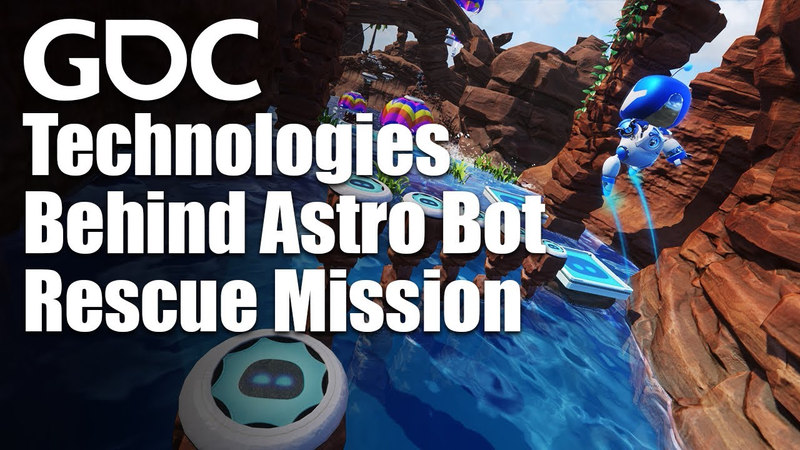
Taming Technologies Behind Astro Bot Rescue Mission
The technical development of the virtual reality platformer Astro Bot Rescue Mission focused on maintaining high performance and user comfort within the constraints of the PlayStation VR hardware.
- To prevent motion sickness on PlayStation VR, the team maintained a constant 60 FPS, scaled to 120Hz via reprojection, throughout the 18-month development cycle.
- Performance was optimized by manually segmenting levels into 30-meter sections to manage visibility and draw calls effectively.
- The rendering pipeline utilized a forward approach with MSAA and a dynamic resolution system that adjusted based on previous frame GPU times to ensure stability on PS4 Pro.

Making of ASTRO BOT Rescue Mission: Reinventing Platformers for VR
Astro Bot Rescue Mission represents a fundamental shift in platformer design, moving away from traditional camera-controlled gameplay toward a philosophy centered on physical player presence within virtual reality.
- The development team utilized a 'gameplay-first' prototyping methodology where programmers built functional mechanics in isolation before involving artists, a process that prevented design complications and kept the project focused.
- To ensure a balanced player experience, the team used a design checklist to track the inclusion of key VR elements—such as physical play, gadget mechanics, and 3D audio—across levels to avoid overstimulation.
- The game features 220 collectible robots, which are integrated into the environment using 3D audio cues to help players locate them, requiring manual volume balancing to account for distance from the player.
Companies behind it


As the documents state it.