
Alice: Madness Returns
GameBy Spicy Horse Games · Released Jun 14, 2011
Documents about Alice: Madness Returns
Whitepaper16 pages
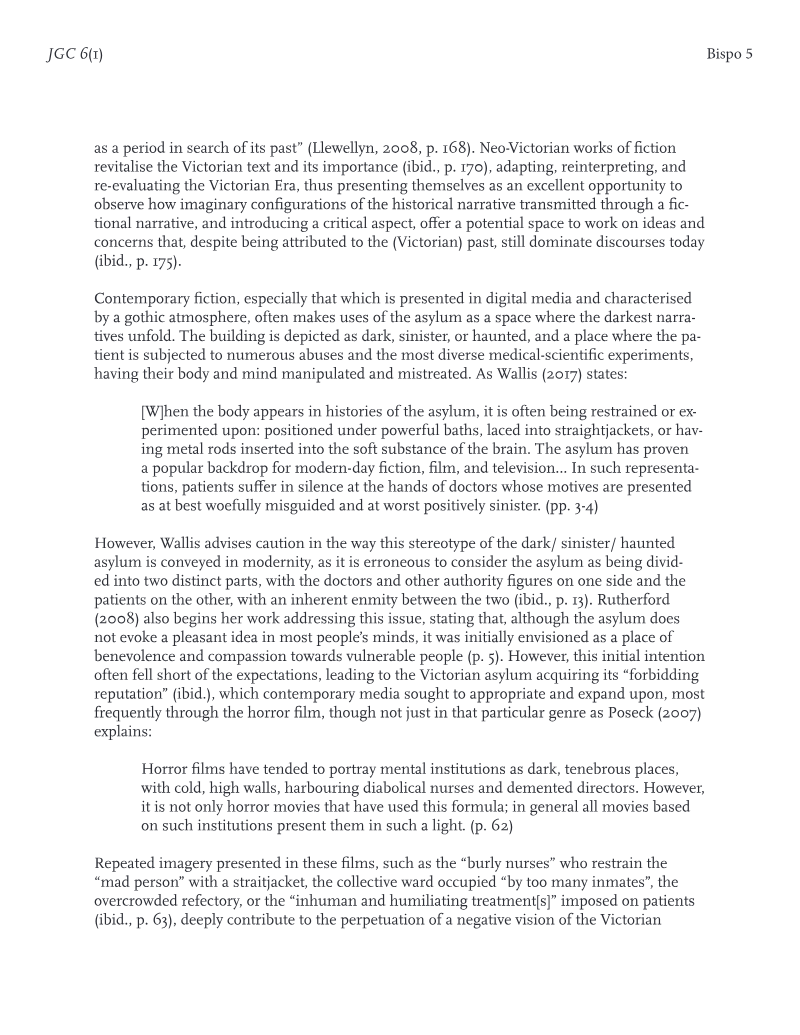
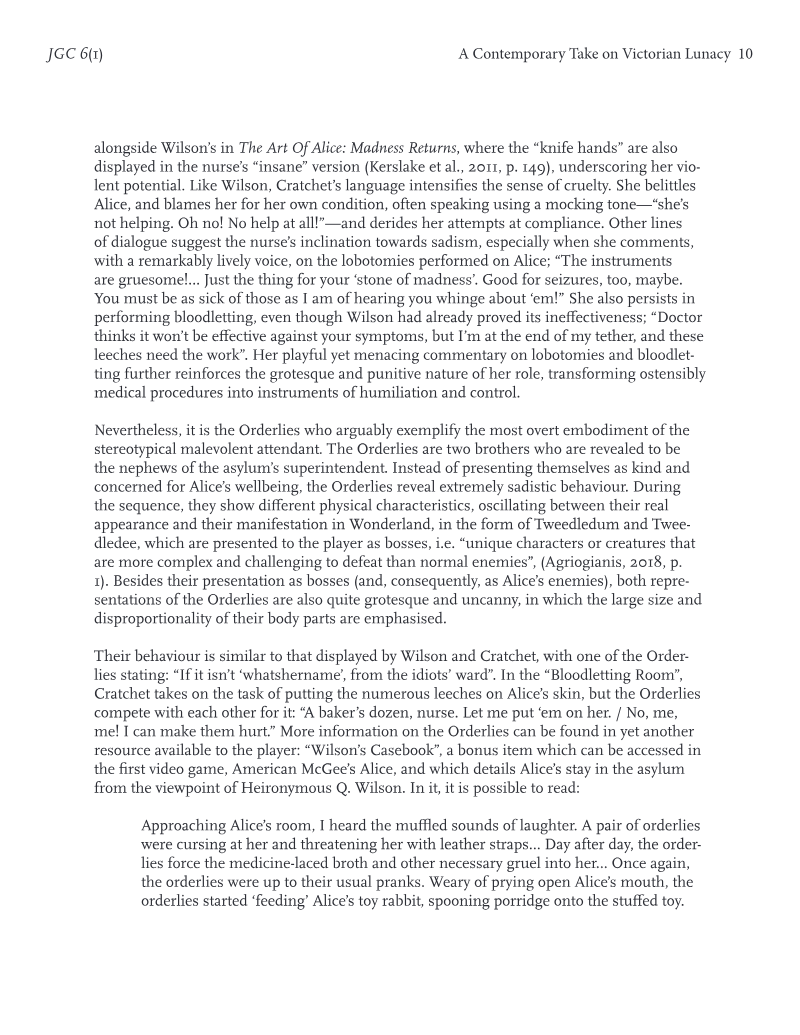
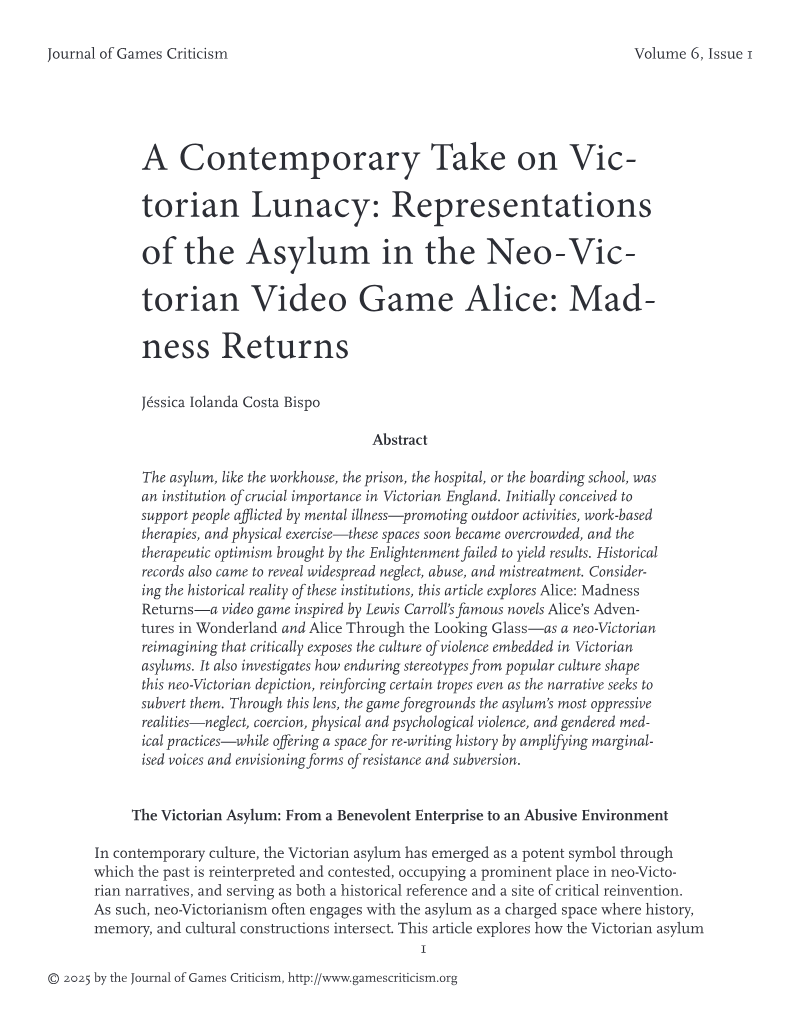
A Contemporary Take on Victorian Lunacy: Representations of the Asylum in the Neo-Victorian Video Game Alice: Madness Returns
Alice: Madness Returns serves as a critical exploration of the intersection between neo-Victorian aesthetics and the historical realities of nineteenth-century psychiatric institutions.
- Alice: Madness Returns critiques nineteenth-century psychiatric institutions by framing the asylum as a site of systemic abuse and patriarchal control rather than medical healing.
- The game depicts archaic procedures like bloodletting and trepanning as tools of humiliation used by Dr. Heironymous Q. Wilson and his staff to exert power over the female body.
- Gameplay mechanics and cut-scenes intentionally restrict player agency to mirror the protagonist’s psychological fragmentation and foster empathy for her institutional confinement.
Journal of Games CriticismNov 2025
Whitepaper4 pages
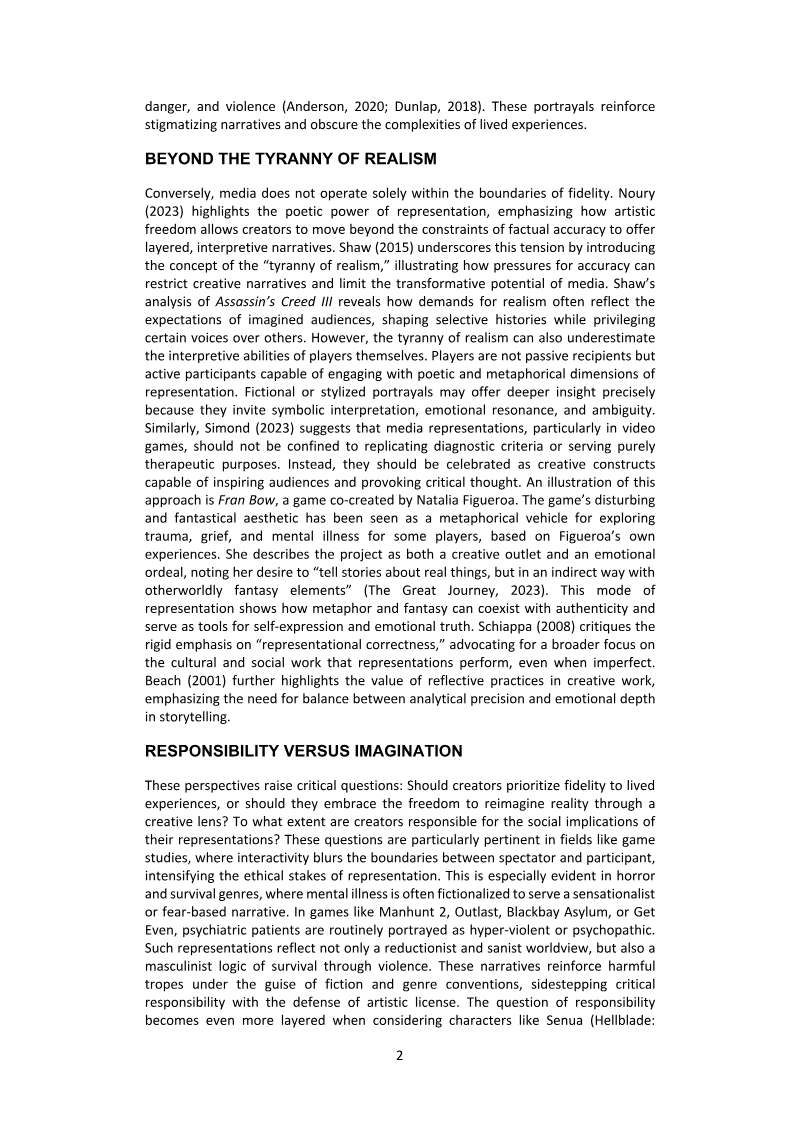
Representations in Video Games: The Tension Between Accuracy and Creativity
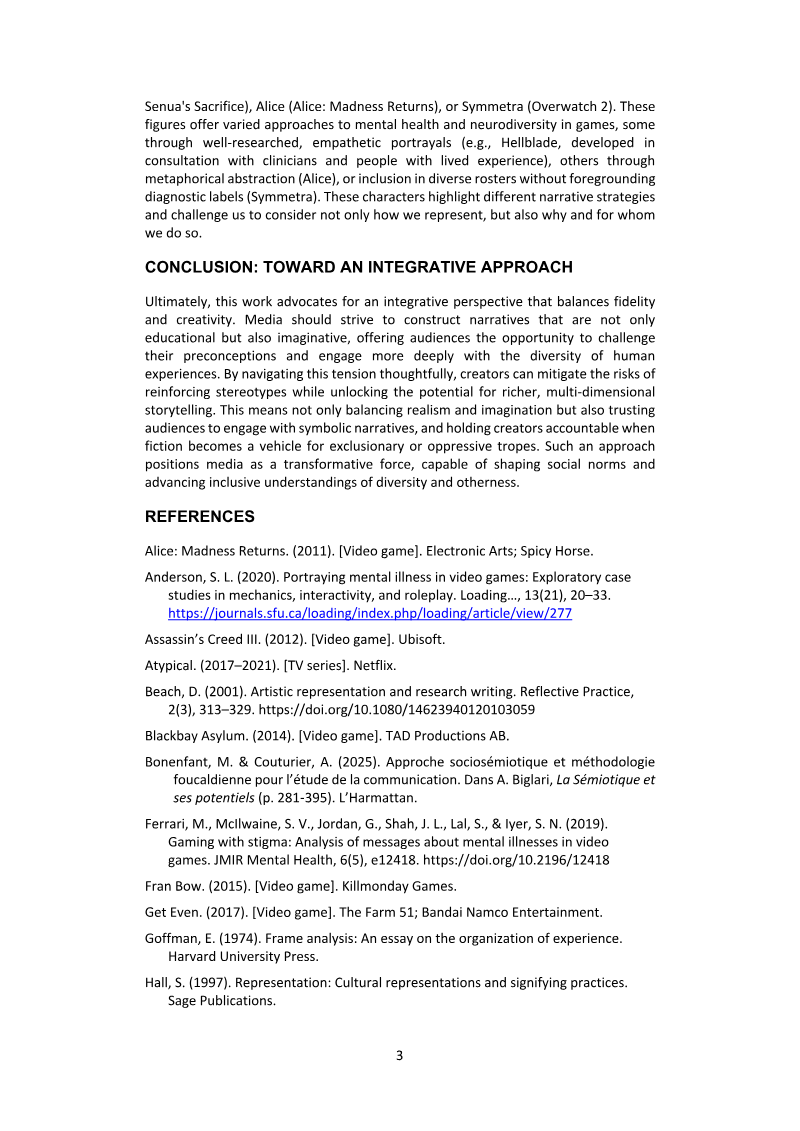
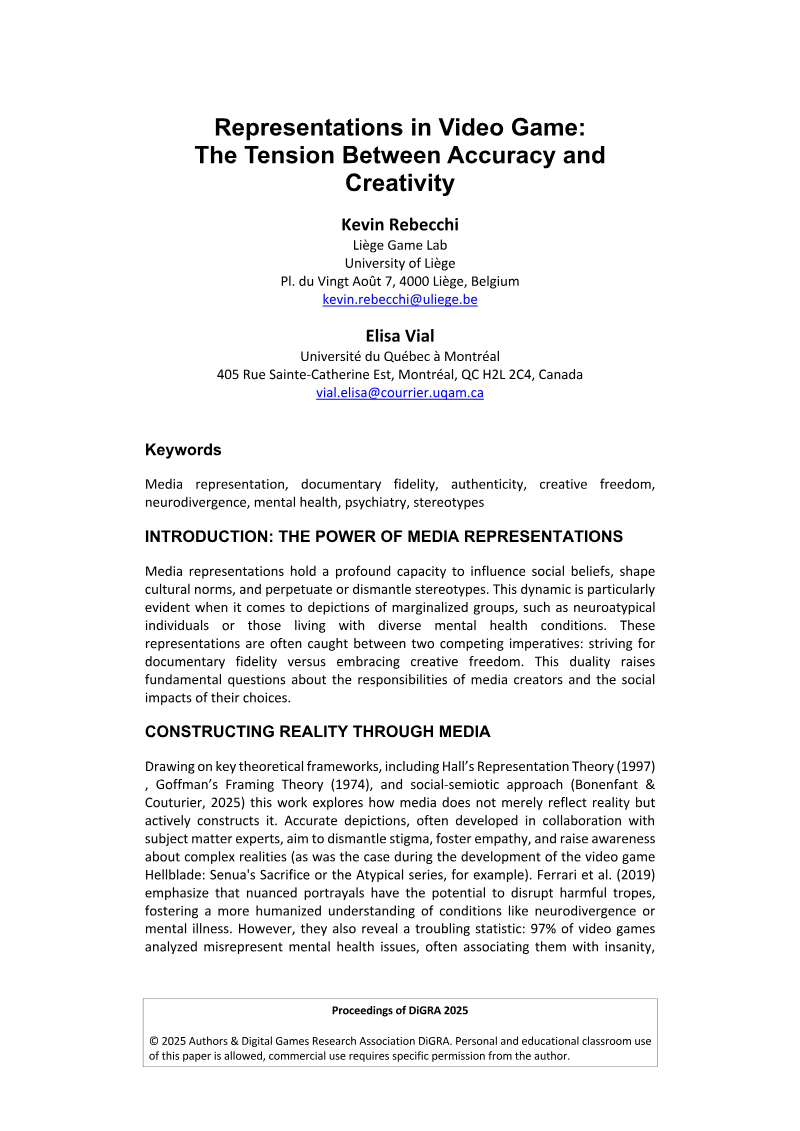
This document explores the inherent tension between documentary fidelity and creative freedom in media representations, particularly concerning marginalized groups like neuroatypical individuals and those with mental health conditions.
- A key empirical reference cited by the paper, Ferrari et al. (2019), reports that 97% of analyzed video games misrepresent mental health issues by associating them with insanity, danger, and violence.
- The authors argue that media representations actively construct social reality, so creators bear responsibility for the effects of stigmatizing portrayals of neurodivergence and psychiatric conditions.
- The paper contends that overly rigid demands for realism, which it calls the 'tyranny of realism' (Shaw), can constrain expressive and metaphorical storytelling in games.
DiGRAJul 2025
Companies behind it

As the documents state it.